MassKara Festival Philippines: Bacolod 2026 Dates, Planning, and Etiquette
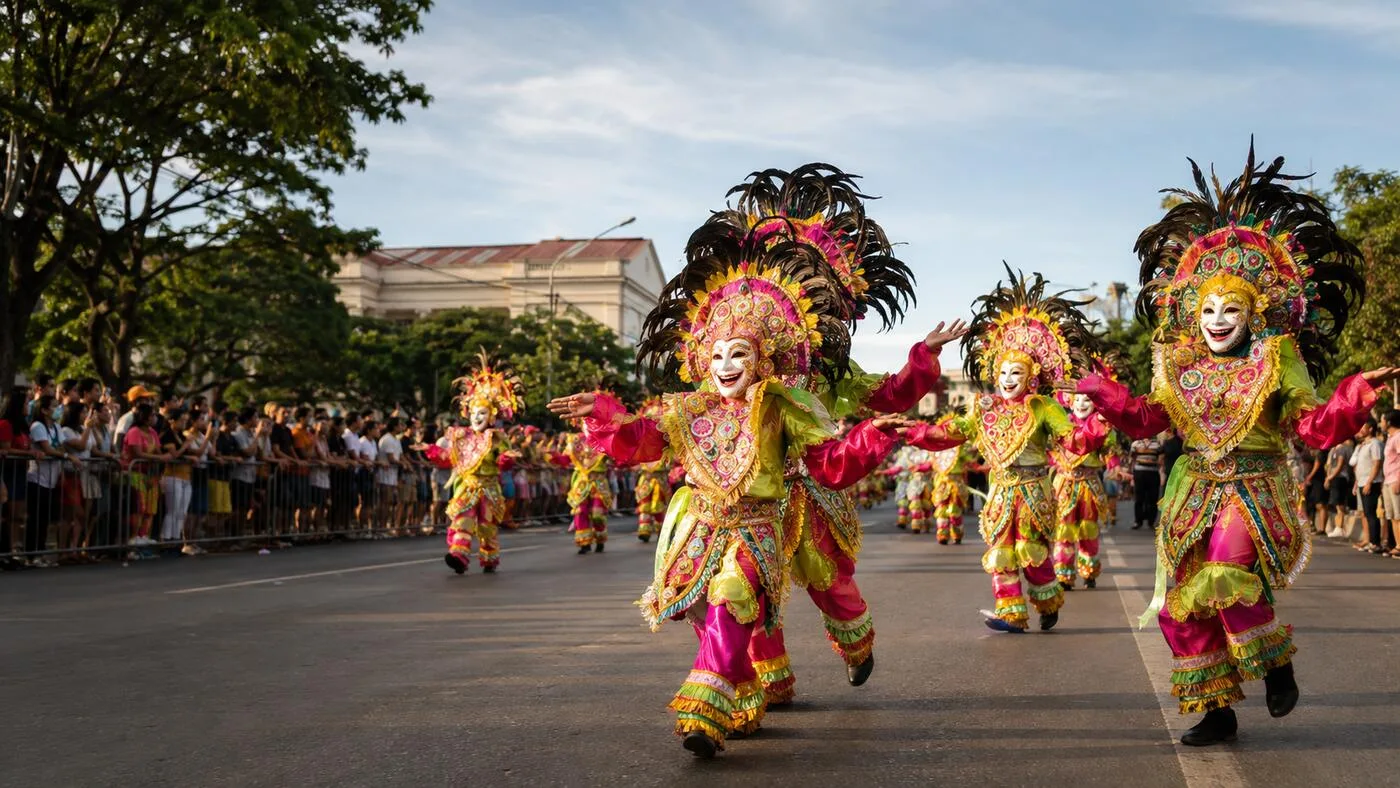
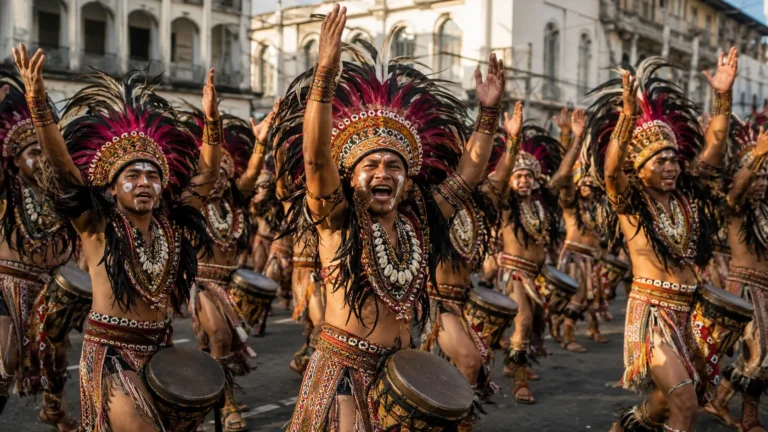
MassKara is Bacolod City’s October civic festival of smiling masks, street and arena dance, pageants, and community events. It is not a parish feast with a single procession day.
For 2026, Bacolod City and festival organisers announced a celebration window of 1 to 18 October, with major highlights described for 16 to 18 October at the September launch.
Schedules and venues can still change, so confirm with official MassKara Festival 2026 channels before you lock non-refundable travel.
This guide covers the verified 2026 programme window from Bacolod LGU and news reports, practical planning, and etiquette. It improves on earlier Festival Pinoy notes without inventing day-by-day times that organisers have not locked.
Key facts (2026 announcements)
| Item | What organisers and Bacolod City have announced |
|---|---|
| Place | Bacolod City, Negros Occidental |
| Festival window | 1 to 18 October 2026 |
| Major highlights | Described as 16 to 18 October at the 11 September 2026 launch |
| Pre-MassKara phase | City notices describe early October activity, including food kiosks from 1 October and pre-events around 1 to 8 October |
| Electric MassKara | 16 October at The Upper East, with named barangay participants |
| School and barangay dance | Street and arena competitions described for 17 and 18 October |
| What it is | Civic carnival of masked dance and city events, not a church feast |
| Booking note | Confirm venues on official MassKara 2026 channels; organisers said details can change |
Earlier Bacolod City posts in 2026 also mentioned major events across a wider October span and a closing or awarding date later in the month. When official notices differ by date of publication, prefer the newest launch details and recheck close to travel. Confirm with the host city if any part of the order is unclear.
What MassKara is
MassKara began in Bacolod in 1980 during a period of economic and public grief linked to hard years in the sugar industry. Smiling masks became a civic language of resolve, performance, and local creativity.
The festival grew into organised dance competitions, mask-making, pageants, food events, concerts, and grassroots activities. The historical origin should not be rewritten as a claim that one event solved the city’s difficulties.
It is a living city celebration that still moves with each year’s plan.
Unlike Santo Niño feasts in January or Peñafrancia in September, MassKara is not defined by a single sacred image procession. People may still attend Mass or barangay activities during the same weeks, but the festival brand itself is civic.
That difference shapes etiquette: competition routes and viewing decks matter as much as church manners, and both deserve respect when they appear on the calendar.
In one line: MassKara is Bacolod’s October festival of smiles, masks, and city participation, with a 2026 window of 1 to 18 October and peak public dance days announced for mid-October.
2026 programme window and venues
At the 11 September 2026 launch, festival director Rodney Mitz Ascalon described a 1 to 18 October festival with main events on 16 to 18 October.
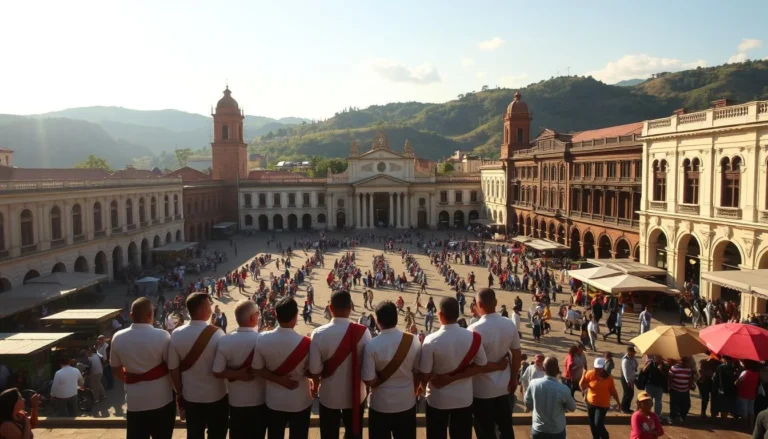
Inquirer Visayas reported the same week that street dancing would be staged along Araneta Street, the arena competition between the bridgeways of SM City Bacolod in the reclamation area, awards at the Bacolod Public Plaza, and Miss Bacolod MassKara at the STI Gymnasium.
Electric MassKara was scheduled for 16 October at The Upper East, with seven barangays named as participants.
An August 2026 Bacolod City release described two phases: food kiosks opening as early as 1 October, and a Pre-MassKara Celebration from 1 to 8 October with sports, pre-pageant activity, and mall events, before major highlights on 16 to 18 October.
A May 2026 city notice had set the official run at 1 to 18 October and mentioned closing and awarding on 25 October. Treat later launch details as the clearer public map for mid-October peaks, and still watch official platforms for final hour-by-hour orders.
What was named for mid-October 2026
- 16 October: Electric MassKara at The Upper East
- 17 and 18 October: school and barangay street-dance and arena competitions
- Street route described along Araneta Street
- Arena venue described at SM City Bacolod reclamation bridgeways
- Awards described at Bacolod Public Plaza
- Pageant assigned to STI Gymnasium
Launch coverage also listed community and entertainment formats such as MassKareppin, MasskaRap Battle, Choreographers Showdown, PetsKara, drum and lyre competition, SingKara, Super KidsKara, and MassKara Hataw Sayaw sa Plaza.
Concerts were linked to venues including the Bacolod City Government Center, Public Plaza, SM City Bacolod, Ayala Malls Capitol Central, and Megaworld sites. Exact start times belong to later official posts.
Planning table: when to be in Bacolod
| Traveler goal | Better days inside the 2026 window | Notes |
|---|---|---|
| See Electric MassKara | Around 16 October | Confirm gate times and crowd rules at The Upper East |
| Watch school and barangay dance | 17 to 18 October | Arrive early; street and arena sites differ |
| Food stalls and lighter pre-events | Early October (from 1 October) | Useful if you want lower intensity before peak days |
| Pageant | Check STI Gymnasium schedule | Ticket and dress rules may apply |
| Flexible first visit | 16 to 18 October core, with buffer days | Book refundable lodging if possible |
How to plan a MassKara trip
- Lock the October window first, then wait for venue maps before choosing an exact hotel block.
- Decide whether you care most about Electric MassKara, school or barangay competitions, food events, or concerts.
- Do not assume last year’s grandstand map. 2026 launch materials named new or adjusted venues.
- Leave extra time to cross the city. Road closures and dense pedestrian movement are normal on peak days.
- Carry water, sun protection, and rain cover. October weather can mix heat with late-day rain.
- Recheck official MassKara Festival 2026 platforms in the final week before travel.
Place MassKara inside the national calendar with the complete festivals guide. For festival types and civic versus religious distinctions, see the festivals overview. If you are comparing October travel with other Mindanao or Visayas celebrations later in the year, keep each city’s own LGU calendar separate.
Etiquette at a mask festival
- Give dancers and marshals a clear lane. Do not step into a competition route for photos.
- Ask before close portraits of performers putting on masks, makeup, or costumes.
- Do not touch masks, headdresses, or props. They are crafted work and often fragile.
- Follow bag checks and local liquor or safety rules in controlled zones.
- Support barangay and school contingents without blocking their holding areas.
- Be considerate of residents who live along parade streets: keep noise down near homes late at night and use public toilets where provided.
- If a Mass is listed on the wider city calendar, treat the church as a worship space, separate from carnival energy.
Accessibility, families, and crowd comfort
Peak dance days involve long standing periods, loud music, and temporary barriers. Ask organisers about accessible viewing, companion seating, medical posts, and the nearest controlled entrance.
Families with young children or older adults may prefer daytime community events earlier in the October window rather than the densest night crowds. Agree on a meeting point away from the main route in case a group separates.
How MassKara fits the wider Philippine festival year
MassKara is one of the country’s best-known civic October celebrations, alongside other regional October and November events that have different purposes.
It pairs well with a Negros visit focused on food and city life, but it should not be confused with patronal fiestas explained in what are fiestas.
Travelers coming from January Santo Niño festivals will notice a different structure: more competition logistics, fewer shrine-defined rites, and a smile-mask visual language unique to Bacolod.
Quick summary
When is the MassKara Festival in 2026? Bacolod organisers and city announcements set the festival from 1 to 18 October 2026, with major events described for 16 to 18 October at the September launch; confirm the final timetable on official MassKara channels. What is MassKara?
It is Bacolod’s civic October festival of masked dancers, pageants, and city events, not a parish fiesta defined by one sacred procession. Where are 2026 highlights being held?
Launch reports named Araneta Street for street dance, SM City Bacolod reclamation bridgeways for the arena competition, The Upper East for Electric MassKara, the Public Plaza for awards, and the STI Gymnasium for the pageant, with the note that venues can still change.
Lodging corridors: Lacson and downtown
Bacolod visitors often choose lodging by walking access to the events they care about most. Exact hotel rates change with demand. Confirm cancellation terms before you prepay.
| Corridor | Better if you want | Planning note |
|---|---|---|
| Lacson Street / nearby tourism strip | Electric MassKara energy and nightlife access toward Megaworld / Upper East patterns when those venues are used | 2026 Electric MassKara was announced for The Upper East on 16 October; reconfirm gate times |
| Downtown / Public Plaza area | Awards, plaza programmes, and central city walking | 2026 awarding was described for Bacolod Public Plaza; expect dense nights on peak weekends |
| Near SM City Bacolod reclamation | Arena competition viewing when that ground is used | 2026 arena venue was described between the bridgeways of SM City Bacolod; confirm seating rules |
| Quieter edge-of-centre hotels | Sleep after loud peak nights | Budget extra time for closures on 17 to 18 October dance days |
Free street viewing vs ticketed arena
MassKara mixes open street energy with controlled competition sites. Do not assume every highlight is free, and do not assume every free curb seat sees the full arena formations.
- Street dancing along Araneta Street (2026 launch description): Public curbside viewing is the usual pattern where marshals allow standing room. Stay off the competition lane. Source for the street venue: Digicast Negros launch report.
- Arena competition (2026 launch description): Staged between the bridgeways of SM City Bacolod in the reclamation area. Organisers prepare dedicated spectator areas. Ask whether your section needs a ticket or accreditation before you travel. Only use sourced facts a peso price.
- Electric MassKara, pageants, and concerts: May use separate gates, bag checks, or tickets depending on the venue. Follow the newest official MassKara 2026 channel.
Confirm venue changes: Launch coverage for 2026 already moved major dance sites (Araneta Street, SM reclamation bridgeways, Upper East, STI Gymnasium, Public Plaza). Organisers said schedules and venues can still change. Recheck official MassKara Festival 2026 platforms in the final week before you fly.
Inasal and Bacolod food during MassKara
Bacolod is widely known for chicken inasal: charcoal-grilled chicken marinated with vinegar, calamansi, lemongrass, and ginger, often finished with annatto oil. Festival weeks add food stalls and mall events, but the city’s everyday inasal culture runs all year.
- Manokan-style strips and local restaurants serve inasal outside the densest parade hour. Eat before peak dance blocks if you want a sit-down meal.
- Early October food-kiosk phases (when the city opens them) can be lighter than mid-October competition nights.
- Carry water and plan a meeting point away from Araneta Street if your group splits after dinner.
Dish deep dive on Festive Pinoy: Inasal guide. Place MassKara in the national calendar via the complete festivals guide.
FAQ
When is the MassKara Festival in 2026?
The 11 September 2026 launch and Bacolod City notices set the festival from 1 to 18 October, with major events described from 16 to 18 October. Confirm the final timetable on official MassKara Festival 2026 channels.
When are the MassKara street dance events?
School and barangay street-dance and arena competitions were scheduled for 17 and 18 October 2026 at the launch. Electric MassKara was scheduled for 16 October at The Upper East.
What is the MassKara Festival?
It is Bacolod’s October civic festival of masked dancers, pageants, and city events. It began in 1980 and is not a parish fiesta with a single procession day.
Where is MassKara 2026 being held?
In Bacolod City. The launch named Araneta Street for street dance, the SM City Bacolod reclamation bridgeways for the arena competition, the Public Plaza for awards, and the STI Gymnasium for the pageant. Venues can still change.
Is it safe to book flights now?
The October window is public. The hour-by-hour programme is not fully locked. Book flexible tickets if you can, and recheck official festival channels before you travel.
Last reviewed against Bacolod City and launch reporting as of 12 September 2026. Always confirm with the host city.
—