
Festivals in the Philippines
An independent guide to the Filipino fiesta: festivals, folk traditions, and food, researched month by month from Santo Niño season to lantern light.
84
Festival guides and counting
12
Months of fiestas, documented
3
Island groups: Luzon, Visayas, Mindanao
The marquee festivals
The celebrations travelers plan trips around, with the recurring date, the host city, and a clear next read.
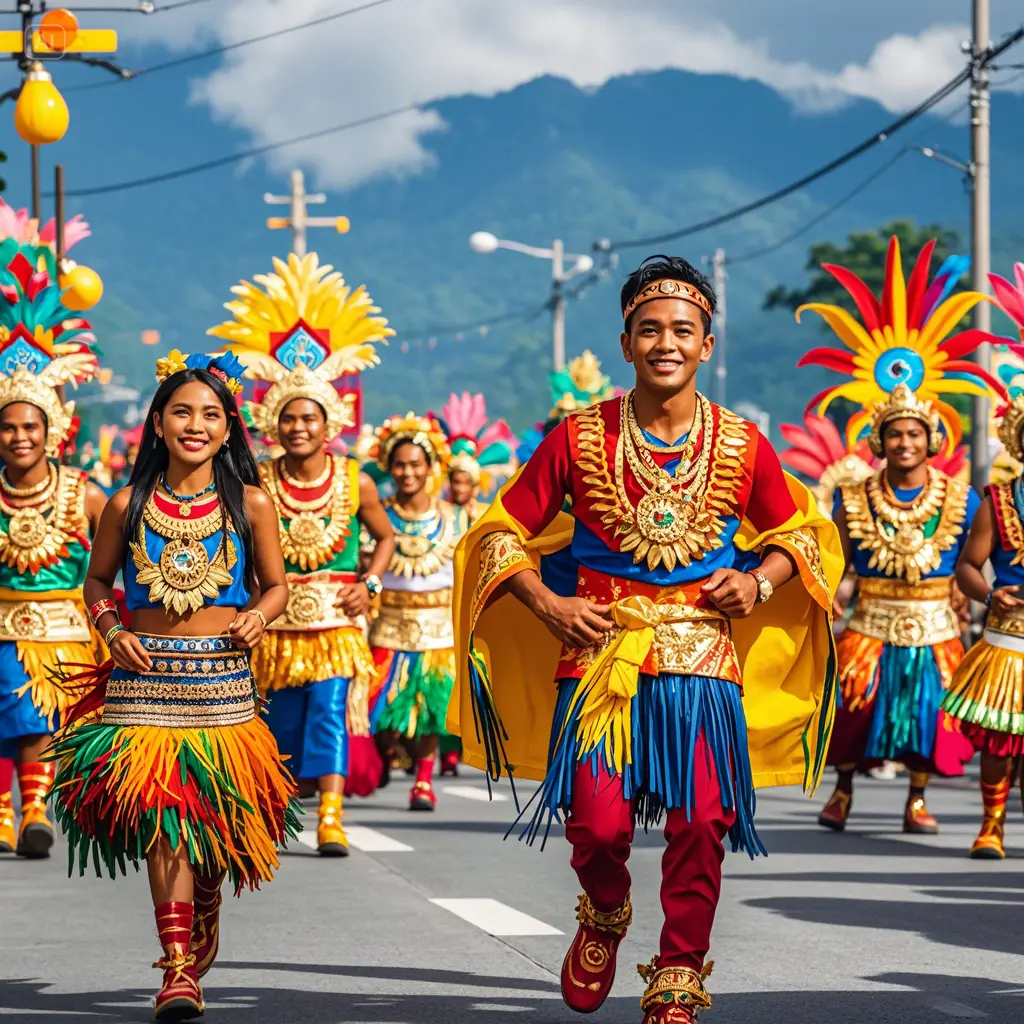
Cebu City · Third Sunday of January
Sinulog
The country’s largest Santo Niño street ritual, danced two steps forward and one step back.
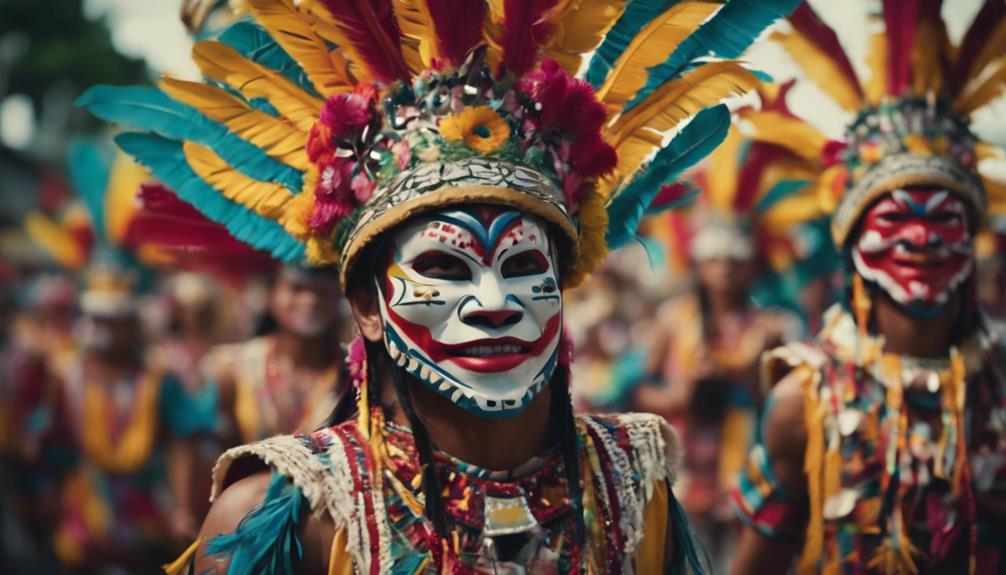
Kalibo, Aklan · Third Sunday of January
Ati-Atihan
Often called the mother of Philippine festivals: drums, soot, and a street that absorbs anyone standing still.
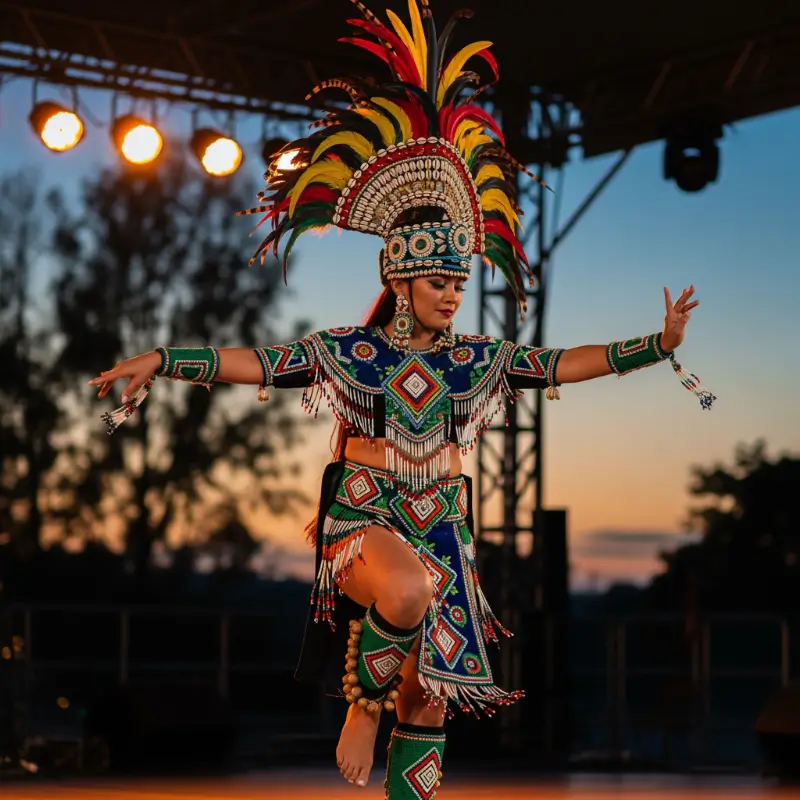
Iloilo City · Fourth Sunday of January
Dinagyang
The most drilled of the Santo Niño trio, built around competing Ati tribes.
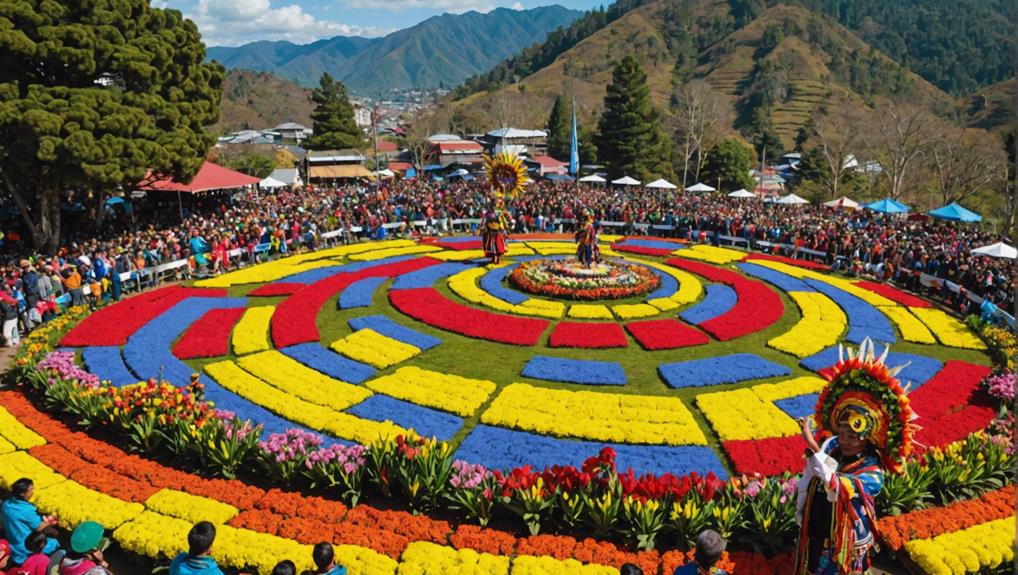
Baguio · February into March
Panagbenga
Flower floats and mountain air in the City of Pines’ season of blooming.
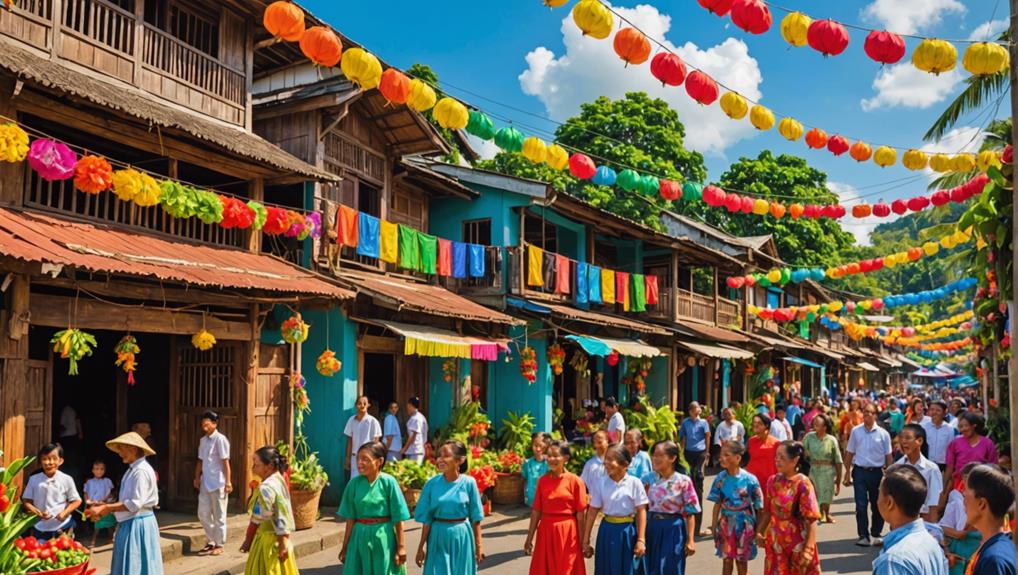
Lucban, Quezon · May 15
Pahiyas
Houses dressed in kiping, fruit, and harvest color for San Isidro Labrador.
Also on the calendar: Kadayawan in Davao every August, MassKara in Bacolod every October, Moriones in Marinduque during Holy Week, and the Giant Lantern Festival in San Fernando, Pampanga each December.
Around the islands
Guides for the islands, not only the headline cities. Start where your trip starts.
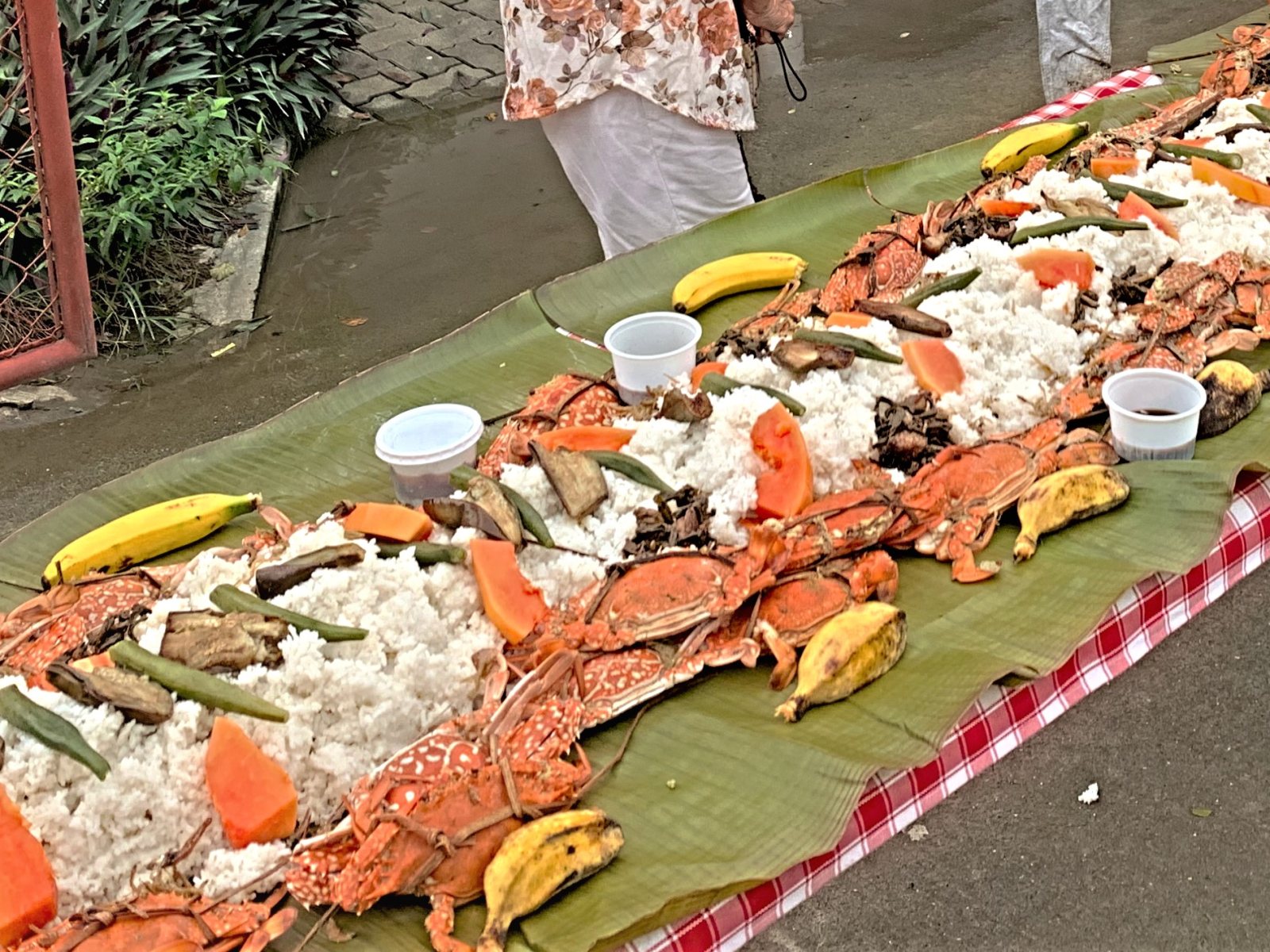
The fiesta table
A fiesta is measured by its table. Lechon turns on the spit from dawn, pots of kaldereta and sinigang come out for whoever walks in, and kakanin arrives wrapped in banana leaf. Nobody is asked whether they were invited.
The recipes shift from town to town: the same dish is sour with tamarind in one province and with green mango in the next.
Adobo
Vinegar, soy, garlic, pepper. Ten regional versions, no single correct one.
Sinigang
The sour soup that anchors a rainy afternoon, soured by whatever the province grows.
Pancit
Noodles for long life, served at every birthday and most fiestas.
Lumpia
Rolled by the hundred the night before, fried the moment guests arrive.
Latest festival coverage
Celebrating Fiesta Señor: A Devotee’s Journey
10 Festival sa Pilipinas: Gabay sa mga Pinakasikat na Pista
Manggahan Festival: Guimaras and the Sweetest Mango on Earth
Sulyog Festival
Tobacco Festival
Ibalong Festival: Legazpi City’s Epic Celebration in Albay
Browse all festival stories, or step sideways into history and culture, things to do, and places worth the detour.
Questions travelers ask
Plan a year of fiestas
Start with the complete month-by-month guide, then go island by island. If you have a question about a specific festival, send it over; reader questions feed the next update.