Sinulog Festival Philippines: Dates Pattern, Etiquette, and Visitor Guide
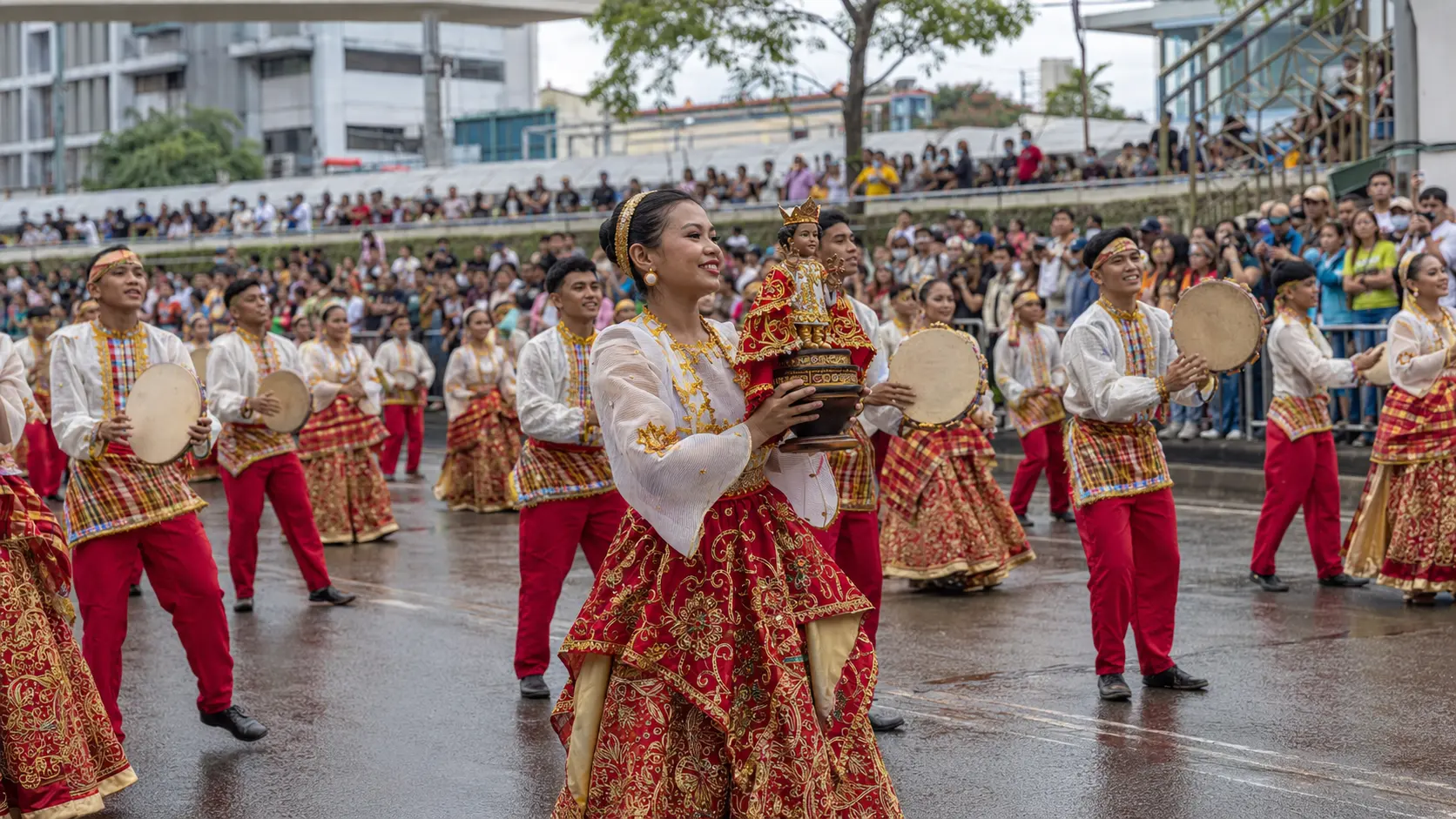
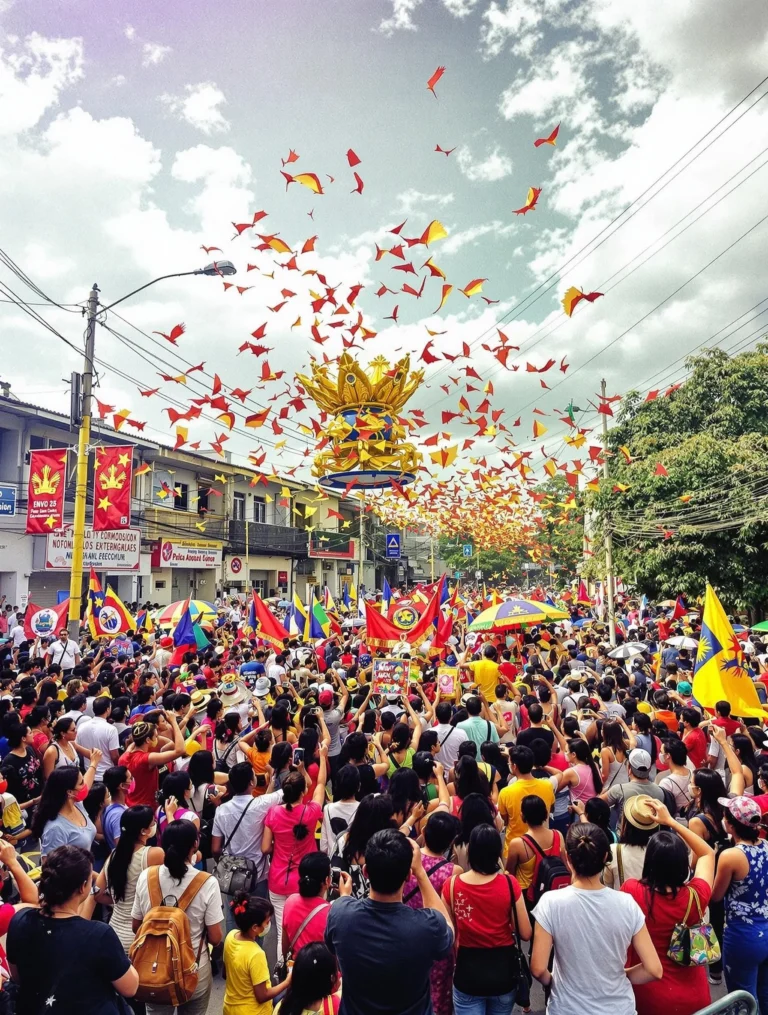
Sinulog is Cebu City’s January festival in honour of the Santo Niño. The Sinulog Foundation states that the main festival is held each year on the third Sunday of January. The civic grand parade is the day most visitors mean by Sinulog.
Fiesta Señor at the Basilica Minore del Santo Niño is the church-led religious programme beside it. They share the feast and the Sunday pattern. They are not the same organiser.
As of 12 September 2026, the 2026 grand parade has already happened. The Foundation site still presents the 2026 countdown and schedule materials. The next third Sunday of January is 17 January 2027. That Sunday is the usual pattern date.
It is not a confirmed 2027 parade ticket until the Sinulog Foundation publishes venue, start time, and route for that year.
Key facts
| Item | What to use |
|---|---|
| Place | Cebu City. Religious centre: Basilica Minore del Santo Niño |
| Usual civic anchor | Third Sunday of January (Sinulog Foundation) |
| 2026 grand parade | Sunday 18 January 2026, 8:30 a.m., Cebu City Sports Center (Foundation) |
| Next usual Sunday | 17 January 2027. Confirm as the 2027 parade only when the Foundation publishes it. |
| What it is | A civic cultural festival beside the Basilica’s Fiesta Señor |
| What it is not | The same event as the Basilica novena alone, or a copy of Ati-Atihan or Dinagyang |
| Sibling January feasts | Ati-Atihan (Kalibo) often same Sunday; Dinagyang (Iloilo) often the fourth Sunday |
| Booking note | Book Cebu for the season; lock the parade weekend after the year’s venue is posted |
What Sinulog is, and what it is not
The Sinulog Foundation describes the main festival as the third Sunday of January in Cebu City, in honour of the Santo Niño. The grand parade is the civic day: organised dance contingents, a published venue, and a participant list.
Fiesta Señor is the Basilica-led religious programme of Masses, processions, and novena patterns. You can attend Mass without treating the parade as optional decoration. You can watch the parade without pretending the Mass is only a warm-up show.
Sinulog is not Ati-Atihan in Kalibo and not Dinagyang in Iloilo. All three honour the Santo Niño in January, but they have different cities, organisers, and street cultures. If you must choose one third-Sunday peak, use the January festivals hub. Deep guides: Ati-Atihan and Dinagyang.
In one line: Sinulog is Cebu’s third-Sunday Santo Niño civic festival beside Basilica Fiesta Señor, not a Kalibo or Iloilo copy, and not a 2027 ticket until the Foundation says so.
Timing pattern: third Sunday of January
The Foundation’s own wording is the rule to cite: the main festival is held each year on the third Sunday of January. That is why the calendar date moves. In 2026 the third Sunday was 18 January. In 2027 the third Sunday falls on 17 January.
Travel blogs often label 17 January 2027 as the next grand parade. Until sinulogfoundationinc.com posts the 2027 programme, treat that date as the usual Sunday pattern only.
| Year | Third Sunday | Status for visitors |
|---|---|---|
| 2026 | 18 January 2026 | Grand parade listed by the Foundation at Cebu City Sports Center, 8:30 a.m. Edition completed. |
| 2027 | 17 January 2027 | Usual pattern Sunday. Confirm venue, time, and route with the Sinulog Foundation before non-refundable bookings. |
How the days usually divide
Religious days centre on the Basilica: dawn and fiesta Masses, processions, and the novena around the feast. Civic days add a kickoff, street events, and the grand parade. In 2026 the Foundation listed paid sections at some venues, including the Sports Center and SRP grounds.
Prices from an older year on the same site should not be reused. Check the current schedule page when you plan.
- Follow the Basilica calendar if your goal is Mass and procession.
- Follow the Foundation if your goal is the grand parade and contest venues.
- Expect road closures and dense crowds on the parade weekend.
- Outfit idea posts are supporting reading. They are not the festival.
Etiquette and safety
| Topic | Visitor practice |
|---|---|
| Pit Señor | It is a call to the Santo Niño. It is not a party chant to shout over a Mass. |
| Processions | Do not block the route for photos. The Basilica and the feast route are working religious spaces. |
| Heat and crowds | Carry water. Keep a paper copy of your hotel address if the signal drops. |
| Bag checks | Follow posted rules. Clear-bag policies have been used in past years; confirm the current notice. |
| Dress | Cover shoulders for church. Street viewing can be casual, but modest dress still helps. |
| Children and elders | Pick a meeting point outside the densest block. Parade day is easy to separate in a crowd. |
Sinulog vs Ati-Atihan vs Dinagyang
Use this short table, then open the January hub for the full chooser. Do not schedule Sinulog and Ati-Atihan as consecutive principal Sundays in the same year.
| Question | Sinulog (Cebu) | Ati-Atihan (Kalibo) | Dinagyang (Iloilo) |
|---|---|---|---|
| Customary peak | Third Sunday | Often third Sunday | Often fourth Sunday |
| Best if you want | Basilica cycle plus large civic parade | Town-scale street sadsad energy | Formal tribe competitions after the third Sunday |
| Organiser focus | Sinulog Foundation + Basilica Fiesta Señor | Kalibo organisers / cathedral devotion | Iloilo City / festival foundation |
| Common mistake | Treating the parade as the whole feast | Imitating Indigenous identity | Assuming every stage show is a church rite |
Full comparison and itinerary logic: January festivals in the Philippines. Calendar context: complete festivals guide. Cebu city context: things to do in Cebu City.
Confirm it here
- Sinulog Foundation: https://www.sinulogfoundationinc.com/
- 2026 schedule of activities: https://www.sinulogfoundationinc.com/sinulog-2026-schedule-of-activities/
- Basilica Minore del Santo Niño: https://santonino.org.ph/
- January hub: https://festivepinoy.com/january-festivals-in-the-philippines/
Quick summary
The Sinulog Festival is Cebu City’s January celebration of the Santo Niño. The Sinulog Foundation holds the main civic festival on the third Sunday of January. The 2026 grand parade was on 18 January 2026 at the Cebu City Sports Center at 8:30 a.m.
The next usual third Sunday is 17 January 2027, which visitors should confirm with the Foundation before booking as the parade day. Fiesta Señor is the Basilica’s religious programme and is organised separately from the civic parade.
For Ati-Atihan and Dinagyang comparisons, use Festive Pinoy’s January festivals hub. Reviewed 12 September 2026.
How to get there and where to stay
Most visitors fly into Cebu’s main airport gateway, then continue by taxi, ride-hail, or hotel transfer into Cebu City. On parade weekend, road closures make walking access more important than a car parked beside the route. Confirm operator schedules for the dates you travel. Do not treat an old blog transfer time as a promise.
Lodging zones (choose by your goal)
| Zone idea | Better if you want | Watch-outs |
|---|---|---|
| Near the Basilica / old city | Fiesta Señor Masses, processions, candle prayer | Very dense movement; follow Basilica screening and dress rules |
| Fuente Osmeña / Osmeña Boulevard corridor | Walkable access toward common grand-parade viewing streets in recent editions | Closures and crowds; 2026 route used Fuente Circle and Osmeña Boulevard, but 2027 must be reconfirmed |
| Near Cebu City Sports Center | Grandstand or Sports Center programme days when that venue is named | Ticketed sections may apply; prices from a past Foundation page are not this year’s prices |
| IT Park / other business districts | Quieter nights and easier rides on non-parade days | Longer walk or ride to Basilica and parade streets on peak Sunday |
Book the Cebu season early if you can. Lock the exact parade weekend only after the Sinulog Foundation publishes venue, start time, and route for that year. Ask your hotel about walking access once the traffic advisory is out. City context beyond the feast: things to do in Cebu City.
Grandstand vs street viewing
The civic grand parade is organised through the Sinulog Foundation. In 2026 the Foundation listed the grand parade at Cebu City Sports Center at 8:30 a.m. Some Foundation materials also listed paid sections at venues in past or same-season programmes. Treat any peso figure on an older schedule page as that edition only.
- Grandstand / controlled venue: Better for a seated or marked view of contingents when tickets or sections are sold. Follow bag checks and gate times on the current Foundation notice.
- Street viewing along the route: Free to stand where marshals allow, but sightlines change with crowd depth. Stay off the lane. Keep emergency corridors clear.
- Basilica religious programme: Separate from civic seating. Follow Basilica ushers for Mass and procession. Do not treat Pit Señor as a party chant over liturgy.
Choose one main viewing plan for parade day. Moving between Basilica rites and a distant grandstand in the same hour is often unrealistic in dense crowds.
Liquor ban and road closures: 2026 pattern, confirm for 2027
Cebu City has used temporary liquor controls and road closures around Sinulog peak days. That is a recurring safety pattern. It is not automatic law for 2027 until the city and organisers publish that year’s orders.
What 2026 public notices described (historical pattern only):
- Road closures for the 18 January 2026 grand parade from 4:00 a.m. onward along a route from Cebu City Sports Center via P. Del Rosario, Imus Road, General Maxilom Avenue, Fuente Circle, Osmeña Boulevard, and R. Landon Extension, returning to the Sports Center, per the Sinulog Foundation traffic advisory citing the Cebu City Transportation Office. Colon Street was kept open in that advisory, with emergency lanes maintained. Source: Sinulog 2026 road closure advisory.
- A liquor ban within 300 meters of assembly points, parade routes, and dispersal areas on 17 and 18 January 2026, from 6:00 a.m. to 8:00 p.m., covering sale, distribution, possession, and public drinking, as reported from city executive orders. Source: Cebu Daily News.
Confirm for 2027: The next usual third Sunday is 17 January 2027. Before you assume the same route, hours, or liquor rules, wait for the Sinulog Foundation schedule and Cebu City traffic / police notices for that year. A 2026 executive order is not a 2027 ticket.
Local food near the Basilica and downtown
Cebu’s feast days sit beside everyday Cebuano food. Plan meals around Mass and parade hours, not the other way around.
- Near the Basilica and old city, expect packed eateries on novena and fiesta days. Eat before the densest procession hour if you can.
- Downtown and Fuente corridors usually keep cafes and carinderia options open on non-closure side streets. Carry cash; signals and queues fail in peak blocks.
- Lechon and other Cebu specialties are widely available in the city, but festival day is a poor time to hunt a specific famous stall without a backup plan. For dish context, see Festive Pinoy’s lechon guide when you want food reading separate from the feast.
- Do not drink alcohol in zones covered by a posted liquor ban. Follow the current city order, not last year’s map.
FAQ
What is the Sinulog Festival?
Sinulog is Cebu City’s January festival in honour of the Santo Niño. The civic programme, including the grand parade, is organised through the Sinulog Foundation. It sits beside, and is not the same as, the Basilica’s Fiesta Señor.
When is the next Sinulog Festival?
The feast follows the third Sunday of January. The 2026 grand parade was 18 January 2026. The next usual Sunday is 17 January 2027. Confirm that year’s venue and start time on the Sinulog Foundation site before you treat it as a ticket.
Is Sinulog the same as Fiesta Señor?
No. Fiesta Señor is the Basilica-led religious programme. Sinulog is the wider civic cultural festival. They share the Santo Niño feast and the third Sunday of January, and they have different organisers.
How does Sinulog differ from Ati-Atihan and Dinagyang?
All three are January Santo Niño celebrations in different cities. Sinulog is Cebu’s basilica-plus-civic scale. Ati-Atihan is Kalibo’s town-scale street feast, often on the same Sunday. Dinagyang in Iloilo often follows one week later. See the January hub.
What does Pit Señor mean?
It is the devotees’ call to the Santo Niño. Use Basilica materials if you need the linguistic explanation. Do not treat it as only a parade slogan.
What should visitors check before attending?
The Foundation’s current schedule, the grand-parade venue and start time, any ticketed sections, road closures, and the Basilica calendar if you are going for Mass. A previous year’s route or price is not a plan.
Last reviewed against Sinulog Foundation and Basilica-linked materials as of 12 September 2026. Always confirm with the host.
—