
Renting vs. Co-Living: What Fits You Best?
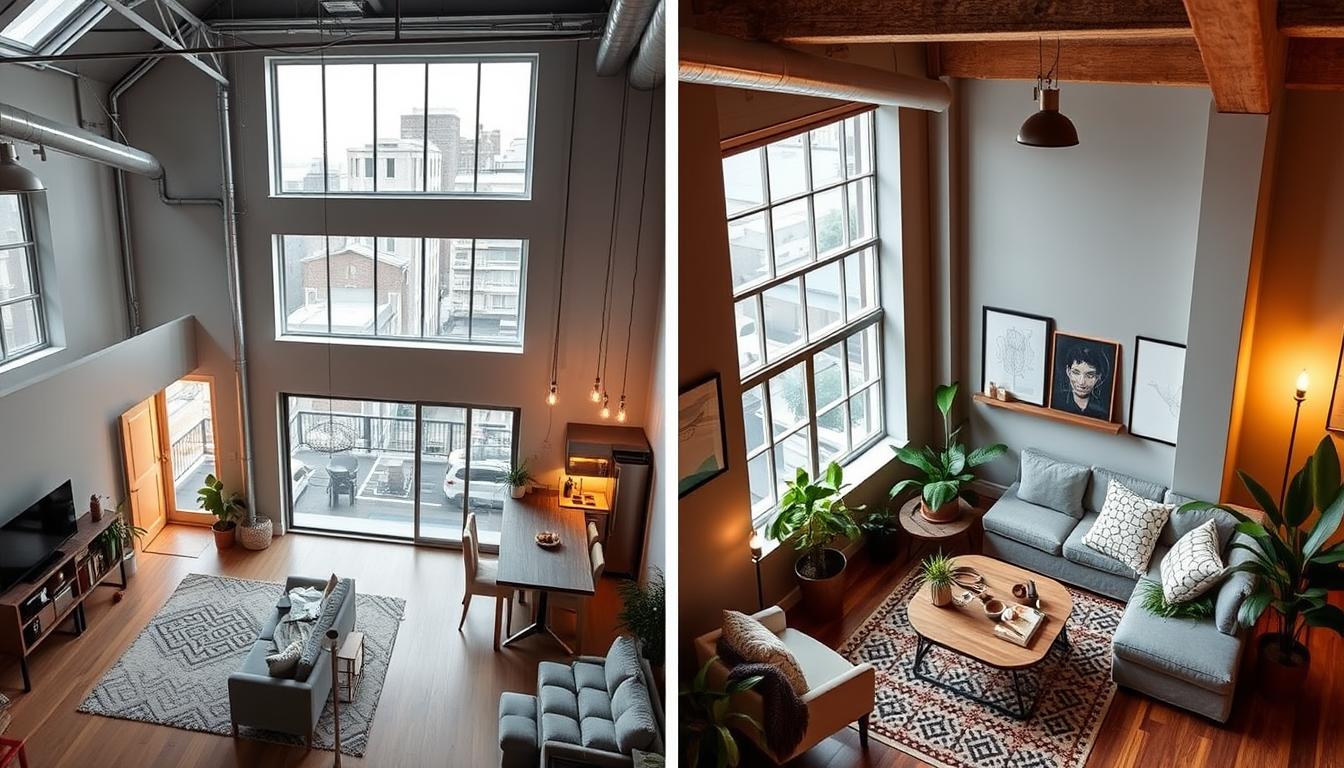
Finding the perfect place to call home can feel overwhelming. With rent prices climbing and lifestyles becoming more mobile, the search for affordable and suitable housing is a major challenge for many.
Today’s market offers different options to meet modern needs. Two popular paths are traditional renting and the newer concept of co-living. Both aim to solve the core problem of finding a great place to live.
This guide is here to help you make a smart choice. We will break down the key differences between these two living arrangements. You will learn how each one impacts your budget, social life, and need for privacy.
Your personal lifestyle and goals are the most important factors. We will explore flexibility, community, and costs to give you a clear picture. This will help you decide which option aligns with your unique situation.
By the end, you will have the insights needed to choose confidently. Let’s dive in and find the best living solution for you.
Key Takeaways
- Modern housing challenges include high costs and a desire for community and flexibility.
- Both renting and co-living offer distinct solutions for different lifestyles and priorities.
- The right choice depends on your budget, social preferences, and need for privacy.
- This guide provides a clear comparison of costs, lease terms, and community dynamics.
- Understanding these factors will empower you to make a confident and informed decision.
Overview of Modern Living Arrangements
Today’s residential landscape offers more diverse choices than ever before. The search for accommodation has evolved beyond traditional models to meet contemporary lifestyles.
Trends in Housing for Young Professionals
Rising urban costs have transformed how people approach their living situations. Many individuals now seek arrangements that balance affordability with community connections.
The traditional apartment rental is no longer the only viable path. New models prioritize flexibility and built-in social networks over long-term commitments.
“The modern urban dweller values experiences and connections as much as square footage.”
Market Shifts in Urban Living
Urban centers have seen significant changes in housing preferences. Professionals frequently relocate for career opportunities, making adaptable solutions essential.
This shift reflects broader societal transformations. The gig economy and remote work normalization have reshaped what people expect from their living spaces.
| Traditional Features | Modern Priorities | Impact on Choice |
|---|---|---|
| Long-term leases | Flexible terms | Greater mobility |
| Separate expenses | All-inclusive pricing | Simplified budgeting |
| Private spaces only | Shared amenities | Enhanced community |
| Self-furnished | Move-in ready | Convenience focus |
Understanding these dynamics helps contextualize personal housing decisions. Market trends directly influence available options and affordability.
Understanding Co-Living: Concepts and Community
At its core, coliving reimagines residential living by prioritizing connection alongside comfort. This modern approach to housing blends private personal space with shared social areas.
Definition of Co-Living Spaces
Coliving spaces offer private bedrooms within larger shared apartments or homes. Residents enjoy their own personal sanctuary while having access to communal facilities.
These arrangements typically come fully furnished. They include shared kitchens, living rooms, and often additional amenities like coworking areas.

Shared Amenities and Built-In Community
The philosophy behind communal living extends beyond physical spaces. It creates opportunities for meaningful connections through shared resources and responsibilities.
Organized events and community activities foster a strong sense community. Residents often find themselves surrounded by like-minded individuals.
“Most people assume coliving just means paying more for less space but honestly, you’re not just paying for a room. You’re paying for the community, the vibe, and the chance to live with people who actually get your lifestyle.”
This model attracts diverse demographics seeking more than just accommodation. It provides a balanced lifestyle combining privacy with built-in social networks.
Insights into Traditional Renting
For those seeking independence and personal sanctuary, traditional apartment living offers a time-tested solution. This classic housing model provides standalone units that function as complete homes.
Individuals sign leases directly with property owners or managers. They gain exclusive access to their entire living area without shared common spaces.
Personalization and Privacy Benefits
Traditional apartments excel in providing complete privacy. You have your own kitchen, bathroom, and living areas.
This arrangement means no coordinating schedules with roommates. Your home becomes a true personal retreat from daily life.
Customization and Control Over Space
Most conventional rental units come unfurnished. This allows for significant personalization of your living environment.
You choose furniture, decor, and layout according to your taste. This level of control creates a space that truly reflects your personality.
Long-Term Lease Commitments
Traditional renting typically involves longer lease terms. Agreements often span six months to a year or more.
This stability appeals to those planning to stay in one location. It provides a sense of permanence for building a home life.
The variety of available layouts accommodates different needs. From studios to multi-bedroom units, individuals can find the perfect fit.
Cost, Flexibility, and Lease Terms Examined
The financial structure and commitment requirements of different living arrangements can significantly impact your monthly budget and lifestyle flexibility. Understanding how payments are structured and what contract options exist helps you make informed decisions.
Bundled Costs in Co-Living
Coliving spaces typically feature all-inclusive pricing that bundles multiple expenses into one predictable monthly payment. Your cost covers not just the room but also utilities, Wi-Fi, furniture, and often cleaning services.
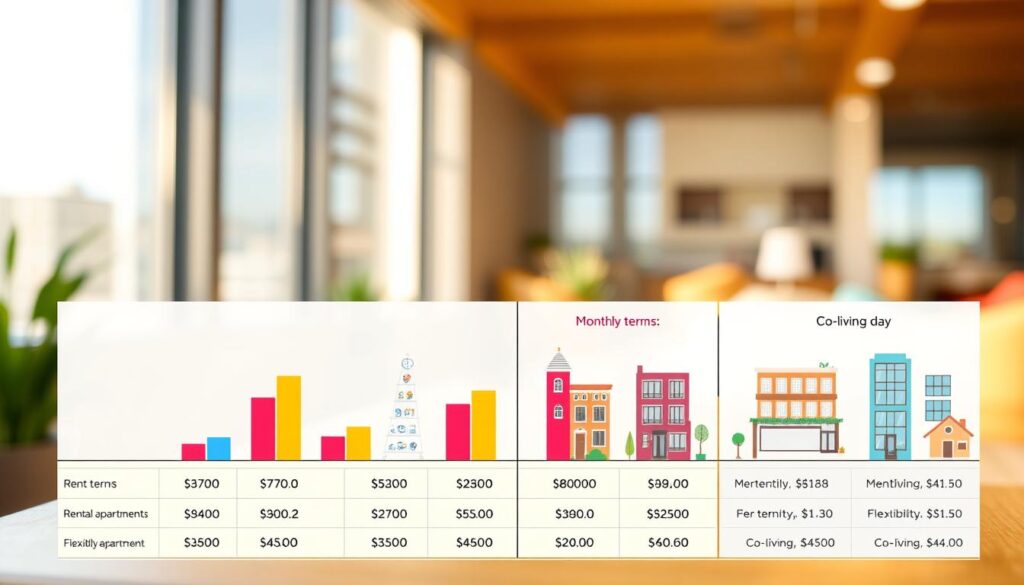
This approach simplifies financial planning by eliminating surprise bills. You know exactly what your housing costs will be each month without coordinating multiple payments.
Separate Expenses in Traditional Renting
Traditional accommodation requires managing separate bills for rent, electricity, water, internet, and other utilities. While the base rent may appear lower, additional expenses can add up quickly.
You’re also responsible for furnishing your space and handling maintenance costs. This fragmented approach to budget management requires more active financial oversight.
| Expense Category | Coliving Approach | Traditional Rental Approach |
|---|---|---|
| Monthly Payment | Single bundled cost | Separate bills for each service |
| Utilities Included | Electricity, water, Wi-Fi, etc. | Typically paid separately |
| Furniture | Usually provided | Tenant responsibility |
| Lease Flexibility | Month-to-month common | 6-12 month standard |
“In a typical apartment share, if someone bails, you’re suddenly scrambling to fill their spot or cover their portion. Coliving flips that script. The rent stays stable because it’s centrally managed.”
Affordability varies by location. Cities like Atlanta and Denver often show coliving as more cost-effective than traditional options. Meanwhile, New York and Boston tend toward higher coliving prices.
Lease terms also differ significantly. Coliving typically offers month-to-month flexibility, while traditional lease agreements usually require longer commitments of six months to a year.
Amenities and Lifestyle Benefits
Beyond just a place to sleep, today’s living arrangements offer integrated benefits that enhance overall lifestyle quality. The right amenities can transform your daily experience from basic shelter to vibrant living.
Convenience and All-Inclusive Services
Coliving spaces provide comprehensive packages that simplify daily life. These arrangements often come with everything you need for comfortable living.
The fully furnished nature of these homes eliminates furniture shopping stress. You can move in with just your personal belongings and start enjoying your new space immediately.
Shared amenities like gyms, coworking areas, and lounges create a complete lifestyle ecosystem. Remote workers particularly benefit from integrated workspaces without extra costs.
Traditional apartments vary dramatically in their offerings. While luxury buildings may have similar amenities, they typically require higher payments and longer commitments.
The convenience of all-inclusive pricing covers utilities, Wi-Fi, and cleaning services. This approach saves time and mental energy compared to managing multiple bills.
For mobile professionals, these fully furnished spaces offer maximum flexibility. The hassle-free approach lets you focus on experiences rather than household management.
Renting vs. Co-Living: What Fits You Best?
Selecting your ideal living arrangement involves balancing convenience, community, and personal space preferences. The right choice depends on your current lifestyle and future goals.
Comparing Overall Value Propositions
Each residential model offers distinct advantages. Coliving provides maximum value through all-inclusive packages and built-in social networks.
Traditional renting excels in offering complete independence and personal control. You gain privacy and customization freedom.
Tailoring Choices to Personal Needs
Consider your social preferences and mobility needs. Ask yourself key questions about your daily routine and long-term plans.
Digital nomads and social butterflies often prefer coliving environments. Those valuing solitude may lean toward traditional arrangements.
| Aspect | Coliving Value | Traditional Renting Value |
|---|---|---|
| Social Connection | Built-in community | Self-curated networks |
| Financial Simplicity | Single monthly payment | Separate bill management |
| Flexibility | Month-to-month terms | Longer lease commitments |
| Convenience | Fully furnished spaces | Personal customization |
Your perfect place reflects your personality and needs. Research both options thoroughly before deciding.
Visit potential spaces and talk to current residents. This helps ensure your final choice supports your desired lifestyle.
Evaluating Personalization, Privacy, and Control
The ability to truly make a space your own can dramatically transform how you feel about where you live. Traditional apartments excel in this area, giving you complete freedom to decorate and customize your entire living space.
You can choose furniture, paint colors, and layouts that reflect your personality. This level of control helps create a strong sense of belonging and makes your apartment feel like a true home.
Coliving arrangements offer a different approach. These spaces come pre-furnished with standardized décor, limiting personal touches to small items in your private bedroom. For transient lifestyles, this convenience outweighs customization needs.
Privacy considerations also differ significantly. Traditional units provide complete seclusion with no shared living areas. You have full control over noise levels, guest policies, and daily routines without coordinating with other residents.
Coliving involves sharing kitchens, bathrooms, and common areas. While you get a private bedroom, the shared space requires compromise. This can challenge those who value solitude and personal boundaries.
Your need for customization and privacy directly impacts daily comfort. Evaluate how much control you want over your environment. This decision shapes your long-term satisfaction with your chosen living space.
Location, Management, and Community Experience
Where you choose to live involves more than just the physical space—it’s about the neighborhood, management style, and social environment. These factors dramatically shape your daily experience in any housing situation.
Urban Availability and Neighborhood Dynamics
Traditional roommate rentals exist practically everywhere, from big cities to small towns. This wide availability makes finding a spot near work or school easier in spread-out areas.
Coliving spaces concentrate in major urban centers like New York, Los Angeles, and Chicago. They strategically locate near transit hubs and vibrant amenities where remote workers and young professionals gather.
In Atlanta, for example, coliving arrangements often appear in south and west-side suburbs near MARTA access. Traditional apartments tend to cluster in central neighborhoods closer to job centers.
Management Models: Professional vs. Self-Managed
Coliving spaces feature professional management that handles maintenance, cleaning, and even community events. This eliminates the coordination hassles common in traditional arrangements.
“You’re not stuck with that one ‘landlord roommate’ who foots the bill when something breaks. In coliving, maintenance is built into the model.”
Traditional rentals require residents to coordinate daily upkeep among themselves. This can create friction when handling minor issues or cleaning responsibilities.
Social Dynamics and Community Events
Coliving companies intentionally design spaces to foster connections through shared lounges and organized events. Regular dinners, game nights, and workshops help people build relationships naturally.
Fedor from June Homes notes, “If issues come up, there’s a support team to help resolve things. It’s much better than handling it alone in a traditional lease.”
The sense community in these arrangements can be wonderful for social individuals. However, those valuing solitude might find the constant interaction overwhelming.
Conclusion
As you weigh your housing choices, remember that the best option aligns with both your present needs and future aspirations.
Coliving shines for those seeking community and convenience. It offers flexible month-to-month terms and fully furnished spaces. This model creates a built-in social network that many find enriching.
Traditional renting provides superior privacy and personal control. It allows complete customization of your living environment. This appeals to those valuing independence and long-term stability.
Your ideal place should support your unique lifestyle. Consider your budget, social preferences, and mobility needs. Visit properties and speak with current residents before deciding.
Ultimately, the right choice creates a true sense of home. Trust your instincts—you’re now equipped to make a confident decision about your next living arrangement.