Moving to the Philippines: Step-by-Step Checklist
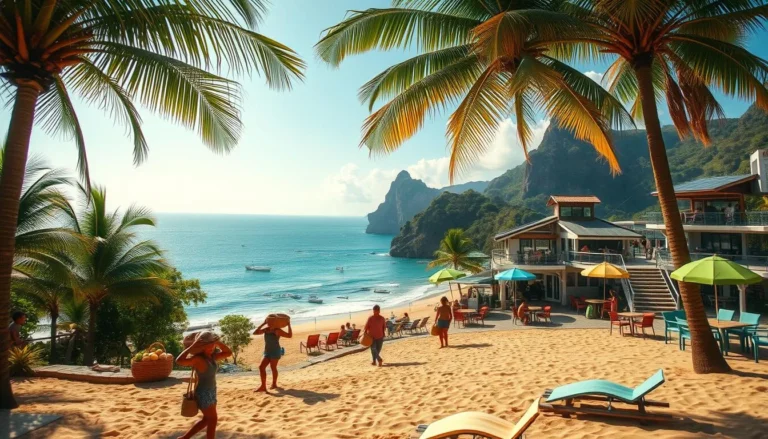
Dreaming of a life filled with tropical beaches, lush mountains, and rich culture? You’re not alone. This Southeast Asian nation is a top choice for many seeking a new adventure. Its warm, welcoming people and laid-back lifestyle create an inviting atmosphere.
With over 200,000 foreign residents, the expat community is thriving. Many settle in Metro Manila, a vibrant region of 16 cities. A major advantage is the widespread use of English, making daily life and integration much smoother.
This comprehensive guide is designed to walk you through your entire journey. We cover all the essential steps, from visa paperwork to finding a home. Our goal is to make your transition as seamless as possible.
Understanding what to expect is the first step toward a successful relocation. We’ve gathered practical advice to help you avoid common pitfalls. Let’s get you ready for your exciting new chapter.
Key Takeaways
- The Philippines is known for its stunning natural beauty and friendly, English-speaking population.
- Metro Manila is a primary hub for the large and growing expatriate community.
- A lower cost of living compared to Western nations is a significant draw for many.
- Proper planning is crucial for navigating visa requirements, housing, and healthcare.
- This guide provides a clear, actionable plan to simplify your entire relocation process.
Understanding the Philippines: An Expat Overview
Life in this island nation offers a unique blend of modern city comforts and traditional cultural experiences. You’ll discover a warm climate year-round with three distinct seasons affecting daily routines.
The tropical weather patterns follow a predictable cycle. Understanding these seasons helps with planning everything from clothing choices to travel dates.
| Season | Months | Characteristics |
|---|---|---|
| Hot Dry Season | March – May | High temperatures, minimal rainfall |
| Rainy Season | June – November | Frequent showers, typhoon risk |
| Cool Dry Season | December – February | Milder temperatures, less humidity |
Tropical Climate and Cultural Richness
You’ll experience vibrant festivals and strong family values throughout the country. The famous Filipino hospitality creates an inviting atmosphere for newcomers.
Adjusting to “Filipino time” means understanding relaxed punctuality for social events. Business meetings typically maintain stricter schedules.
Expats Community and Lifestyle Insights
Over 200,000 foreign residents have established thriving communities across the archipelago. Metro Manila serves as the primary hub for many workers and families.
You can choose between urban centers like Cebu or tranquil island destinations. English remains widely spoken, making daily living and social integration remarkably smooth.
Visa and Immigration Essentials
Understanding the entry requirements will set the foundation for a smooth settlement process. The immigration system offers clear pathways based on your long-term plans.
Temporary Visas, Work Permits, and Retirement Options
Most visitors enjoy visa-free entry for thirty days. You need a valid passport and return ticket confirmation.
For longer stays, several visa categories exist. Each has specific eligibility criteria and processing timelines.
| Visa Type | Duration | Key Requirements | Best For |
|---|---|---|---|
| Tourist Extension | Up to 3 years | Regular BI office visits, ACR I-Card | Extended exploration |
| 9G Work Visa | 1-3 years | Employer sponsorship, Alien Employment Permit | Employment seekers |
| SRRV Retirement | Indefinite | $10,000-$50,000 deposit, age 35+ | Retirees |
| 13A Immigrant | Permanent | Filipino spouse, 1-year probation | Family unification |
Navigating Legal Procedures
The visa application process involves multiple steps. Professional assistance can simplify complex requirements.
Complete your eTravel registration within 72 hours before arrival. Immigration officers will check this documentation upon entry.
Proper planning ensures you meet all legal obligations. Your visa status affects banking, housing, and daily life arrangements.
Essential Documentation and Legal Considerations
Navigating the legal landscape requires careful attention to the specific documents you’ll need to gather. Proper preparation here prevents significant delays later.
Start this process months in advance. Some paperwork, like authenticated birth certificates or police clearances, can take weeks to obtain.
An ounce of prevention is worth a pound of cure. This is especially true when dealing with international bureaucracy.
Required Documents for Your Move
Your passport must be valid for at least six months. Make several copies of all important records.
Long-term visa applications often need extra steps. You might need authenticated birth or marriage certificates.
Financial proof is crucial for visas like the SRRV. Bank statements show you can support yourself.
| Document Type | Key Details | Special Notes |
|---|---|---|
| Passport & Visa Materials | 6+ months validity, application forms | Keep digital and physical copies safe |
| Personal Records | Birth certificate, marriage certificate | May require authentication (red ribbon) |
| Financial Proof | Bank statements, pension letters | Shows financial stability for stay |
| Medical Documents | Records, prescriptions, certificates | Check medication names and local availability |
Understanding Local Contracts and Legalities
Rental agreements usually last one year. A two-month security deposit is standard practice.
Read contracts thoroughly before signing. Understand the terms for getting your deposit back.
Know the customs regulations for importing belongings. Personal effects are often duty-free, but some items need special permits.
If bringing a pet, the requirements are strict. You’ll need an Import Permit and a Veterinary Health Certificate.
Moving to the Philippines: Step-by-Step Checklist
As your departure date approaches, attention shifts to the practical details that ensure a smooth transition. This comprehensive guide provides actionable steps to organize your final preparations efficiently.
Preparing Your Move and Organizing Documents
Begin by gathering all essential paperwork at least three months ahead. This checklist should include your passport, visa materials, and authenticated personal records.
Financial preparation is equally important. Set up a Charles Schwab account for fee-free ATM access and research Wise for cost-effective transfers. Bring some U.S. cash for immediate expenses upon arrival.
Proper timing is crucial for each task in your relocation plan. The table below outlines key preparation milestones:
| Preparation Task | Recommended Timeline | Priority Level |
|---|---|---|
| Document Authentication | 3-6 months before | High |
| Financial Account Setup | 2-3 months before | High |
| Phone Number Porting | 1 month before | Medium |
| eTravel Registration | 72 hours before flight | High |
Final Pre-Departure Steps
The last week requires focused attention on critical details. Make sure to port your mobile number to Google Voice for $20 to maintain U.S. number access.
Establish a reliable stateside mailing address with someone you trust. They can forward important correspondence like bank statements and IRS documents.
Proper preparation prevents poor performance. Taking time to organize these final details will pay dividends during your first weeks abroad.
If you plan to drive, obtain your International Driving Permit before leaving. Complete your eTravel registration within the 72-hour window before your flight.
Upon arrival, prioritize getting a properly registered Smart SIM card at the airport. Staff can assist with the mandatory foreigner registration process using your passport details.
Housing and Accommodation Options
Securing comfortable living arrangements is a top priority when establishing your new life abroad. Your choice of housing will significantly impact your daily experience and overall satisfaction with the transition.
Short-Term Rentals Versus Long-Term Leases
Starting with a temporary rental gives you flexibility to explore different neighborhoods. Services like Airbnb and Booking.com offer excellent short-term options.
Once you find an area you love, search Facebook Marketplace for long-term deals. Rental contracts typically require one-year commitments with two-month security deposits.
Budgeting for Extra Expenses and Utilities
Beyond monthly rent, factor in utility costs ranging from $150-300. Electricity can be expensive with frequent air conditioning use.
Your budget should account for location differences. A basic apartment costs around $300 in provincial areas but $700+ in prime metro manila locations.
Choose your future home near essential services like supermarkets and hospitals. This strategic planning helps manage monthly expenses effectively.
Banking, Financial Planning, and Cost of Living
Setting up proper banking systems from the start will save you money on fees. Your financial strategy should combine international and local solutions for optimal flexibility.
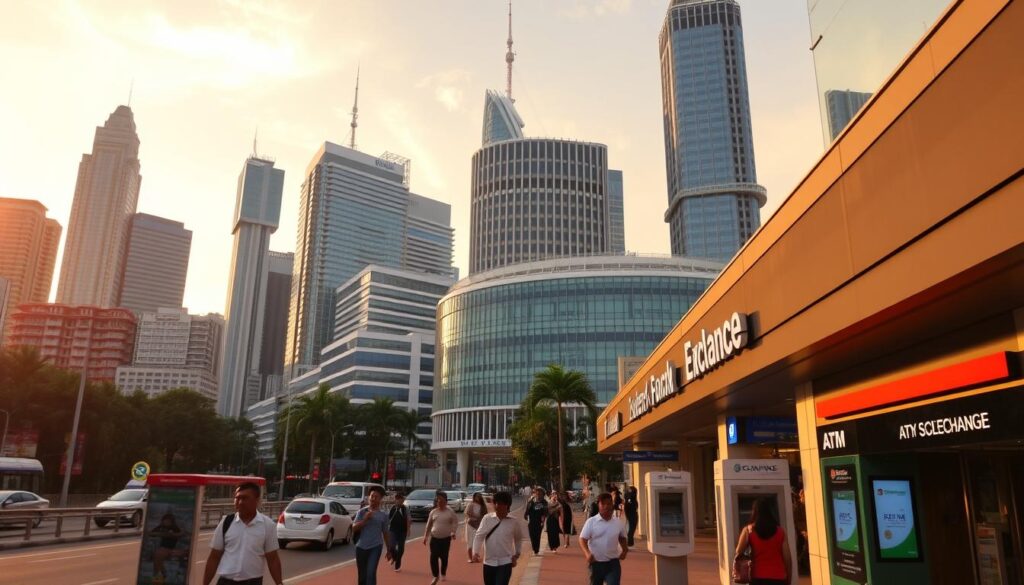
Before arriving, consider opening a Charles Schwab checking account. This provides fee-free ATM withdrawals worldwide, including refunds for local charges.
Setting Up Local Bank Accounts
Once you receive your ACR I-Card after 59 days, you can open a local bank account. Philippine National Bank (PNB) offers excellent digital services for foreigners.
The PNB Debit Savings Account requires a PHP 3,000 initial deposit. You’ll need your valid passport and ACR I-Card to complete the application.
| Bank Account Feature | Requirement | Important Details |
|---|---|---|
| Minimum Balance | PHP 3,000 | Avoids PHP 350 monthly penalty |
| Initial Deposit | PHP 3,000 | Required to open the account |
| Documentation | Passport & ACR I-Card | For stays over 59 days |
| Digital Services | PNB App | Fund transfers and bill payments |
Managing Your Budget and Expenses
Understanding the cost of living differences is essential for planning. Overall expenses are about 60% cheaper than in the United States.
Your monthly budget should reflect your lifestyle expectations. $1,000 provides basic living, while $1,600 offers comfortable middle-class amenities.
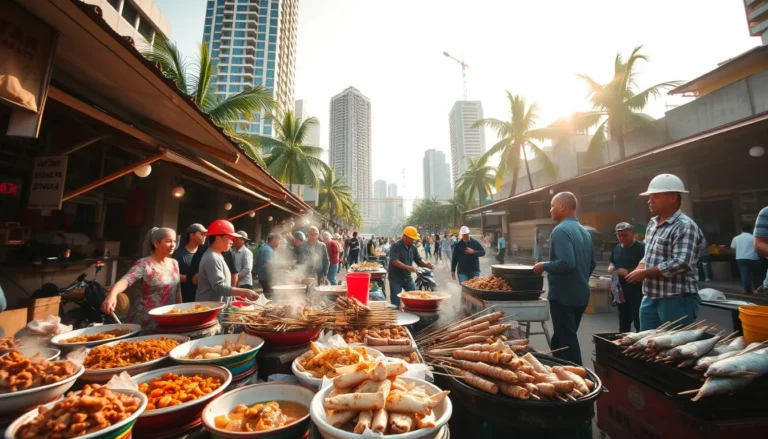
Food costs are particularly affordable when eating local cuisine. Imported goods and Western restaurants will increase your expenses significantly.
Use services like Wise for cost-effective money transfers. This offers better exchange rates than traditional bank wire transfers.
Securing Healthcare and Health Insurance
Your well-being is a cornerstone of a successful life abroad, making healthcare planning a critical early step. The quality of medical services varies greatly depending on your location.
Choosing Between Local and International Health Plans
Private health insurance is readily available for expats. Local plans are surprisingly affordable, with monthly premiums starting around $50.
These insurance policies often cover major conditions after a short waiting period. Be aware that preexisting conditions typically face a longer 12-month exclusion.
International plans offer the advantage of global coverage. This is ideal if you travel frequently or want access to care in other countries.
Navigating Healthcare Facilities in Urban and Rural Areas
Major cities boast world-class hospitals like St. Luke’s Medical Center and Makati Medical Center. These facilities provide advanced healthcare, including robotic surgery and comprehensive cancer treatment.
In contrast, rural areas often have limited infrastructure and fewer specialists. Access to quality care can be more challenging outside urban centers.
| Location Type | Facility Quality | Specialist Availability |
|---|---|---|
| Urban (e.g., Manila, Cebu) | World-class, modern equipment | High, wide range of specialists |
| Rural/Provincial | Basic to moderate, limited services | Low, few specialists available |
Consulting an expat insurance specialist can help you choose the right plan for your health needs and location.
Education and Family Considerations
For families embarking on an overseas adventure, securing quality education is a top priority. This beautiful island nation offers excellent options to ensure your children thrive academically and socially.
Insights into International Schools
Expatriate families often choose international schools for their globally recognized curricula. These institutions, like International School Manila and British School Manila, provide English-language instruction.
They follow International Baccalaureate (IB) or British programs. Some even offer American curricula to ease the transition for students from the United States.
Admission typically involves entrance exams and interviews. Starting the application process months in advance is essential to secure a spot.
Tuition costs are a significant factor in your budget. It’s a key expense to include in your overall cost of living plan.
| School Type | Sample Curriculum | Key Benefit |
|---|---|---|
| International School | IB, British, American | Smooth academic transition |
| Local Private School | Philippine Curriculum | Cultural immersion |
Family Relocation Tips and Resources
When one member gets a 9G work visa, they can often sponsor the entire family. This simplifies the immigration process for everyone.
Securing comprehensive health insurance is crucial for your care needs. Public healthcare services may not meet all expectations, especially for children.
Connecting with other expat parents can provide invaluable support. Online communities offer advice on everything from childcare services to adapting to life in a new country.
Transportation and Daily Commuting
Your daily commute will quickly become a central part of your experience in your new home. Understanding your transport options is crucial for managing your schedule and reducing stress. This affects your housing choice and overall quality of life.
In cities, you’ll find a vibrant mix of public transport. Colorful jeepneys and tricycles offer a cultural and budget-friendly ride. Modern options like Grab provide comfortable, app-based taxi services.
Navigating Public and Private Transport Options
Traffic congestion is a significant challenge, especially in Manila. According to the TomTom Traffic Index, it ranks second worst globally. This means commute time can be long and unpredictable.
Many expats find motorbikes or scooters to be the most practical solution. They allow you to navigate through traffic and explore the country with ease. If you plan to ride, take a safety course and get a motorcycle endorsement before you leave.
For driving, obtain an International Driving Permit (IDP) before departure. U.S. citizens can typically exchange their license for a local one without an exam. You must complete this at a Land Transportation Office if you plan to drive long-term.
Understanding Local Customs and Lifestyle
The true essence of settling successfully abroad lies in embracing local customs and social etiquette. Your daily life will be enriched by understanding these cultural nuances.
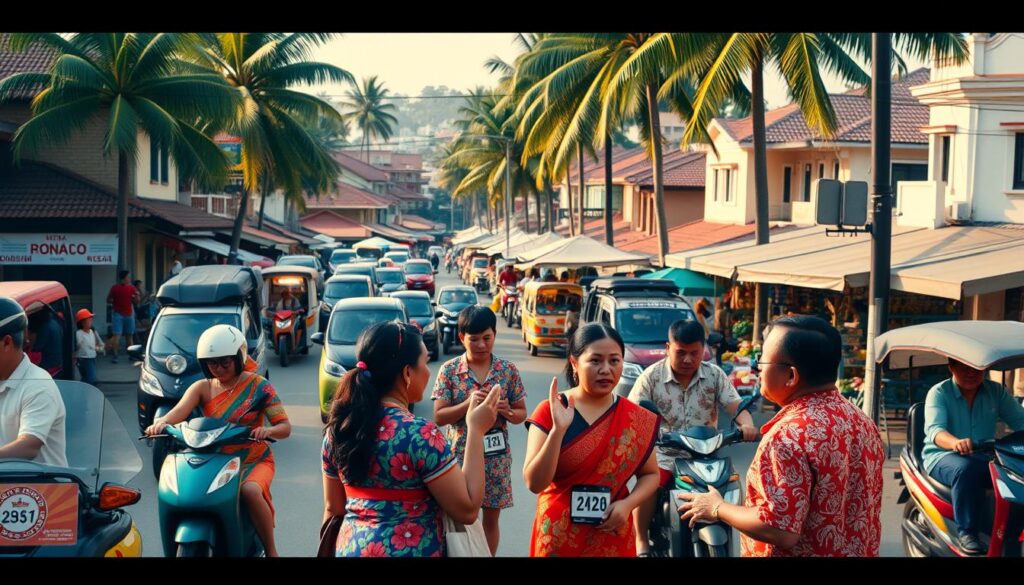
Language, Etiquette, and Filipino Time
While English is widely spoken, learning basic Tagalog phrases shows respect. Use “po” and “ho” when addressing elders. This demonstrates cultural sensitivity.
“Filipino time” refers to relaxed punctuality for social events. Arriving 30-60 minutes late is often acceptable. Business meetings typically maintain stricter schedules.
Adjust your expectations about time management accordingly. Be punctual for official appointments but flexible for casual gatherings.
Cultural Adaptation and Community Engagement
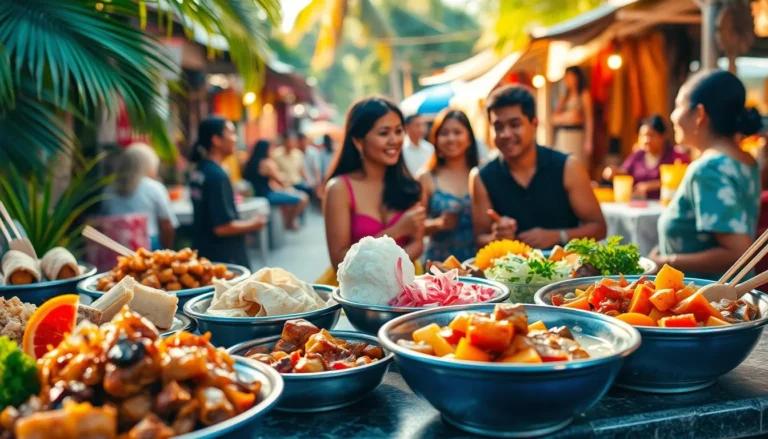
Filipino culture emphasizes family, hospitality, and community. This creates a warm environment for newcomers. Participate in local festivals and try traditional foods.
Joining expats groups helps bridge cultural gaps. Local friends provide authentic education about the country‘s rich heritage.
Embrace the relaxed pace and work-life balance. This approach makes your transition smoother and more rewarding. Building positive relationships enhances your experience in this beautiful country.
Practical Tips for a Smooth Relocation
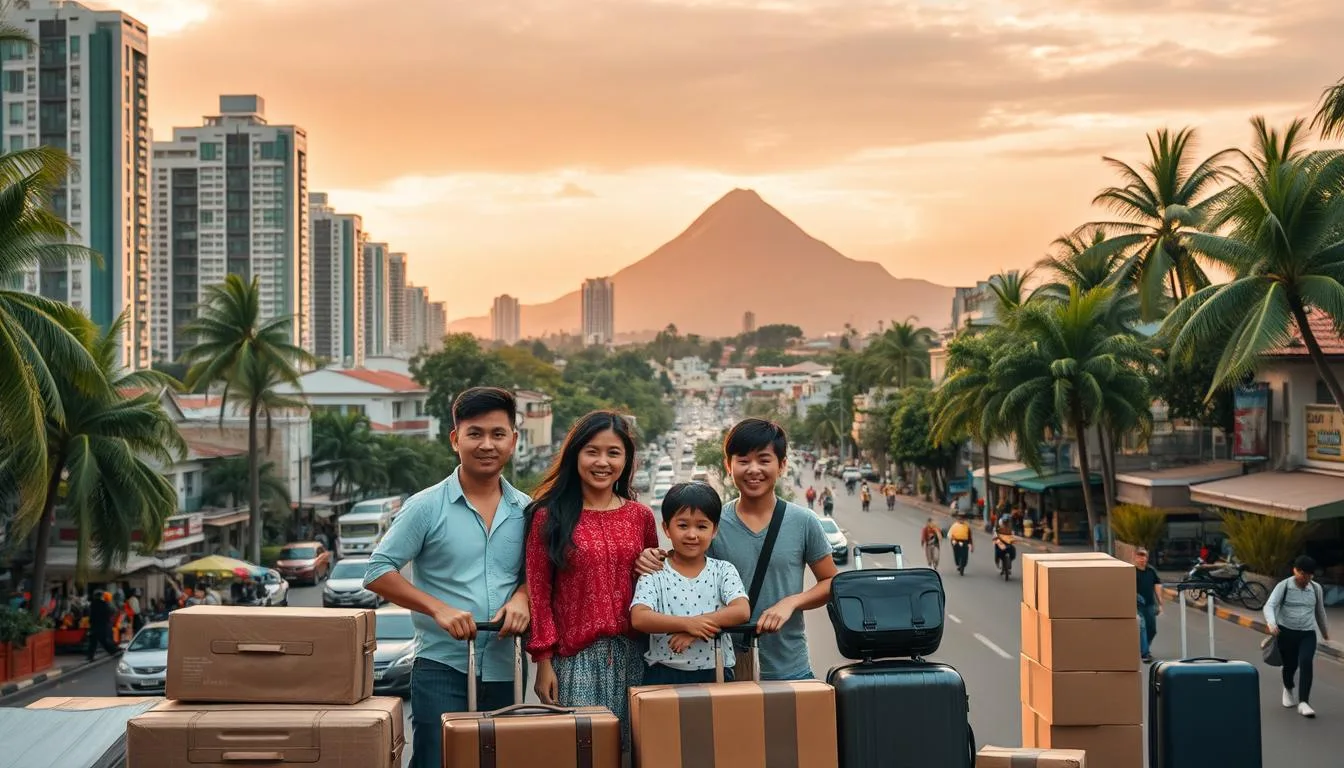
Getting your belongings safely to your new destination requires careful planning. Selecting the right international moving company makes all the difference in handling complex logistics.
Your move costs depend heavily on volume and method. Shipping a 20-foot container for a 1-2 bedroom apartment typically runs $3,000-$4,500. Larger households might pay $7,000-$9,000 for a 40-foot container.
Hiring International Movers and Managing Logistics
For budget-conscious relocation, consider Balikbayan boxes. These cost about $100-$110 each through reliable shipping services. Delivery typically takes 2.5-3 months.
Adopt an aggressive downsizing strategy before your move. Keep only essential items since shipping is essentially one-way. Store remaining possessions in your home country.
Maximize your airline’s checked luggage allowance on initial and future trips. This is often more reliable than cargo for valuable items.
Final Checklist Adjustments and Planning Ahead
Avoid shipping large electronics due to different voltage standards. Most electronics can be purchased locally at comparable prices.
When packing boxes, build internal reinforcement structures. Use thin plywood or sturdy cardboard to prevent crushing during the months-long transit.
Create a detailed inventory and photograph everything you’re shipping. Properly insure valuable items against potential damage or loss.
Plan your timeline carefully, accounting for 2-3 months shipping time. Factor in visa processing and utility setup after arrival at your new home.
Conclusion
Successfully transitioning to life in a foreign country requires both planning and adaptability. This comprehensive guide has equipped you with essential knowledge for your international relocation.
Remember the key steps: securing the right visa, setting up your financial accounts, and obtaining quality health insurance. The affordable cost of living offers significant advantages for your new life.
Balance thorough preparation with flexibility as you experience daily living. Connect with the welcoming expat community for ongoing support. Your new home awaits with incredible opportunities.
Take your time with each decision and make sure to embrace this exciting chapter. The journey toward becoming an expat promises rich rewards when approached with careful planning.