Digital Nomad Challenges I Faced in the Philippines
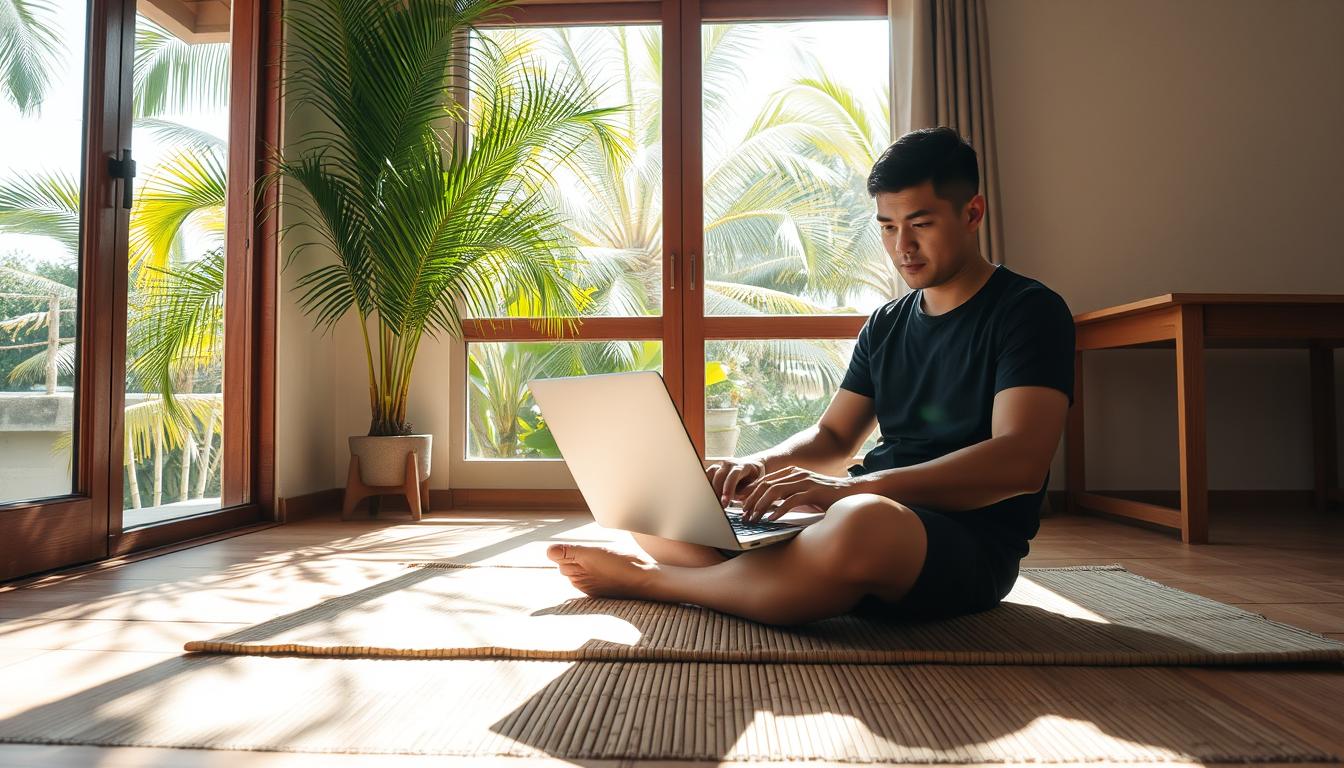
Living and working remotely from a tropical paradise sounds like a dream. For many, the idea of being a digital nomad is filled with images of sandy beaches and fruity drinks. My own journey led me to the beautiful islands of this Southeast Asian country.
I spent several years exploring different regions, from bustling Manila to the serene shores of Palawan. This long-term stay gave me a deep and realistic view of the remote work lifestyle there. It wasn’t always a smooth ride, but the experience was incredibly rewarding.
This article will walk you through the main hurdles I encountered. We will cover everything from navigating visa rules to dealing with unpredictable internet. Cultural differences and managing your budget are also key topics.
While the Philippines presents unique challenges, the payoff is immense. You get access to stunning landscapes and warm, welcoming communities. The goal here is to prepare you with honest insights and practical solutions for a successful adventure.
Key Takeaways
- The Philippines offers a unique and rewarding setting for remote professionals.
- Long-term experience provides a realistic perspective on daily life.
- Major considerations include visa regulations and internet reliability.
- Understanding local culture is crucial for a smooth transition.
- Financial planning is different and requires careful attention.
- Every challenge discussed comes with actionable advice for overcoming it.
- The natural beauty and authentic experiences make the effort worthwhile.
Introduction to the Digital Nomad Lifestyle in the Philippines
This island nation offers a compelling blend of natural beauty and practical advantages for those pursuing a mobile career. The appeal goes beyond postcard-perfect beaches to include genuine cultural immersion.
Setting the Scene for Remote Work in Paradise
Pristine coastlines and affordable living costs create an attractive environment for remote professionals. The COVID-19 pandemic dramatically reshaped the workforce landscape here.
Nationwide lockdowns beginning in March 2020 accelerated technology adoption across the country. This shift opened new possibilities for location-independent work styles.
Understanding Local Context and Unique Challenges
With nearly 70 million smartphone users, the population demonstrates strong technological adaptability. However, infrastructure development sometimes lags behind this enthusiasm.
The archipelago’s unique geography presents both opportunities and obstacles. English proficiency among locals facilitates smoother integration for international professionals.
| Feature | Philippines | Thailand | Vietnam |
|---|---|---|---|
| Established Nomad Scene | Developing | Mature | Growing |
| Cultural Authenticity | High | Moderate | Moderate |
| English Proficiency | Widespread | Limited | Limited |
| Infrastructure Reliability | Variable | Good | Improving |
Visa Restrictions and Administrative Hurdles
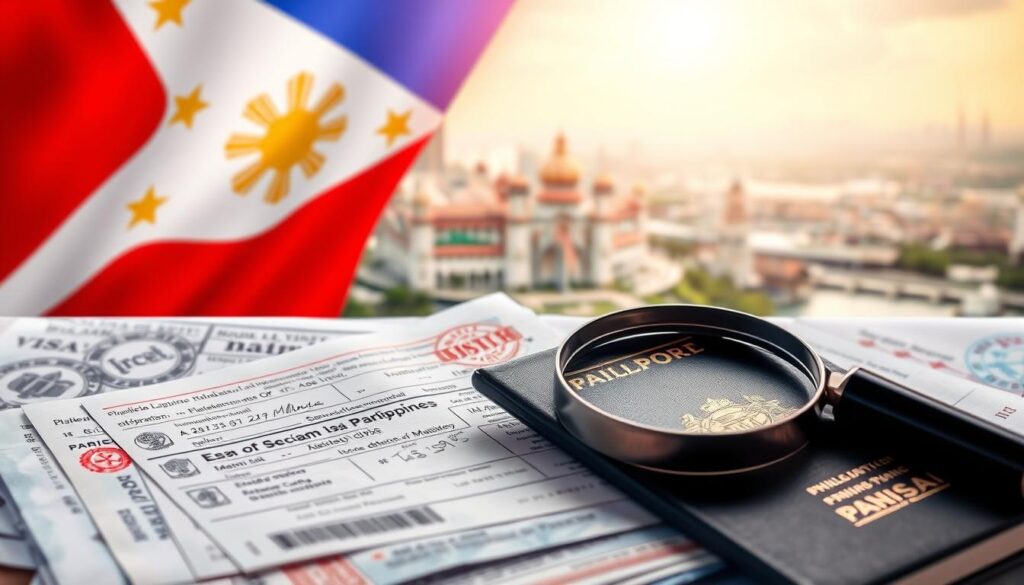
The administrative side of remote work abroad begins with securing the right documentation for legal entry. Understanding the rules ahead of your travel dates saves significant stress later.
Planning Ahead for Visa Requirements
Most visitors receive a 30-day visa waiver upon arrival. Airlines typically require proof of onward travel before boarding. You should make sure to have this documentation ready.
For longer stays, a six-month extension costs just over $200 USD. This option functions similarly to a dedicated remote work visa. It makes the country accessible for extended periods compared to neighboring nations.
| Visa Type | Duration | Cost (USD) | Best For |
|---|---|---|---|
| 30-Day Waiver | 1 month | Free | Short visits |
| 6-Month Extension | 6 months | $200+ | Extended stays |
| SRRV | Long-term | Varies | 35+ age group |
Exploring Visa-Free and Remote Work Visa Options
The Special Resident Retiree’s Visa (SRRV) offers an excellent path for those over 35. It’s among the easiest retirement visas globally. This provides stability for older remote professionals.
Filipino remote workers face different challenges when traveling to other countries. They often need to plan three months ahead for documentation. Southeast Asian nations like Vietnam and Thailand offer simpler processes.
Tracking your allowed time carefully prevents expensive overstay penalties. Setting reminders helps avoid unnecessary stress and additional costs.
Digital Nomad Challenges I Faced in the Philippines
Cultural perceptions and professional stereotypes can create unexpected barriers for remote workers establishing their brand globally. These hurdles require thoughtful strategies to overcome.
Overcoming Cultural Stereotypes and Misconceptions
Many professionals based in Southeast Asia face assumptions about their capabilities. Some clients expect lower rates due to regional living costs rather than evaluating actual skill levels.
This mindset overlooks the exceptional quality available from local talent. The country has become a global hub for virtual assistance for good reason.
Building Professional Credibility on a Global Stage
A strong online presence is essential for establishing trust. A polished professional website showcases your capabilities effectively.
Filipino professionals are renowned for excellent English skills and strong work ethics. Their customer service standards often rival those in Western markets.
| Professional Attribute | Common Assumption | Actual Filipino Standard |
|---|---|---|
| English Proficiency | Basic communication | Native-level fluency |
| Work Ethic | Standard performance | Exceptional dedication |
| Service Quality | Adequate delivery | US-level standards |
| Technical Skills | Limited expertise | World-class capabilities |
Building credibility involves consistently demonstrating excellence. Each project completed successfully challenges outdated stereotypes in a powerful way.
This ongoing process requires confidence in your skills and clear communication about your specialized services. The results speak for themselves when quality work becomes the standard.
Financial and Logistical Obstacles for Remote Work
Financial planning becomes a critical foundation when embracing the mobile professional lifestyle abroad. Money management requires extra attention when dealing with multiple currencies and international banking systems.
Managing Currency, Banking, and Savings Challenges
International transfer fees and exchange rate fluctuations can significantly impact your earnings over time. Building an emergency fund covering three to six months of expenses provides crucial protection against income gaps.
Diversifying income streams creates stability for your business. Adding part-time projects or passive income sources helps balance your financial portfolio.
Practical Budgeting Tips and Alternative Payment Methods
Smart payment solutions make a lot of difference in managing your work finances. Local platforms like GCash handle transactions within the country efficiently.
For international payments, services like Wise offer better exchange rates than traditional banks. This reduces your overall transaction costs significantly.
| Payment Method | Best Use Case | Transaction Speed | Fee Structure |
|---|---|---|---|
| GCash | Local transactions | Instant | Low to none |
| PayPal | International clients | 1-3 days | Moderate fees |
| Wise | Currency conversion | 1-2 days | Transparent low fees |
Budgeting apps help track spending patterns effectively. Understanding your expenses allows for better financial decisions throughout your journey.
Navigating Infrastructural and Internet Limitations
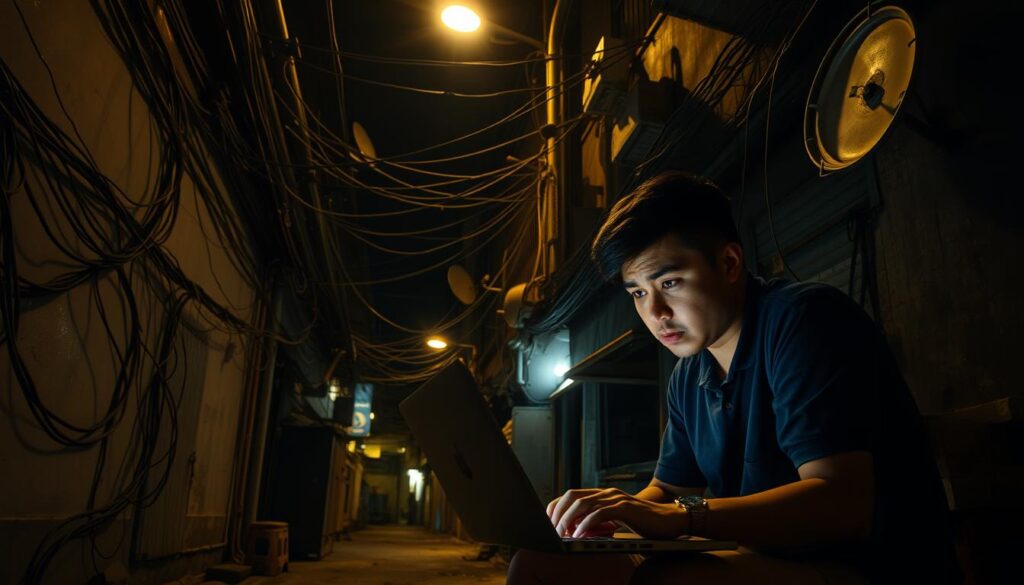
Staying productive as a remote professional hinges on one critical factor: a stable internet connection. This can be the most significant hurdle to overcome in this island nation.
The country’s broadband speed ranks 89th globally. Frequent blackouts and slow speeds are common due to infrastructure issues.
Dealing with Unreliable Internet and Connectivity Issues
Expectations need adjustment. Streaming videos or uploading large files can be frustratingly slow.
Network security is also a concern. Using a reliable VPN is essential for protecting sensitive data.
Some places offer better service. Manila and Cebu’s IT Park have more reliable infrastructure.
Finding Suitable Coworking Spaces and Work Environments
Dedicated coworking spaces are the best solution. They provide fast, reliable internet at reasonable prices.
These professional places are designed for productivity. They are a smart investment for getting work done efficiently.
For backup, consider these strategies:
- Purchase SIM cards from different providers.
- Use a portable Wi-Fi device.
- Schedule important tasks during off-peak hours.
- Embrace offline work when the connection fails.
Also, make sure to use Facebook for local research, as many businesses operate primarily there.
Health, Emotional Well-being, and Community Building
Building a supportive community becomes essential when navigating life far from home. The emotional side of remote work deserves equal attention to practical matters.
Coping with Loneliness and Homesickness
Distance from family can feel overwhelming during festive seasons. Regular video calls using Zoom or Messenger help maintain strong bonds.
Celebrating traditions abroad keeps cultural connections alive. Cooking familiar dishes or playing favorite music creates comforting routines.
When isolation becomes challenging, online counseling offers professional support. Mental wellness is crucial for sustainable remote work.
Connecting with Local and Expat Digital Nomad Communities
Local people are remarkably warm and helpful. Their excellent English skills make forming friendships easier than in many destinations.
Traditional networking apps often have limited activity here. Instead, visit coworking spaces and engage with online groups on Reddit or Facebook.
| Platform | Best For | Activity Level |
|---|---|---|
| Coworking Spaces | In-person connections | High |
| Facebook Groups | Local events | Active |
| Reddit Philippines | Expat advice | Moderate |
| Twitter Communities | Professional networking | Growing |
The quality of your experience abroad depends greatly on the community you build around yourself.
Affordable health services support overall well-being. Dental care matches Western standards at a fraction of the cost. Fitness facilities and yoga classes are widely available.
Make sure to balance your social circle with both local people and international nomads. This diversity enriches your experience and provides varied support systems.
Balancing Work and Exploration in a Dynamic Environment
Finding the perfect rhythm between professional responsibilities and adventurous exploration is the ultimate goal for any location-independent professional. The reality often differs dramatically from those picture-perfect social media posts showing laptops on sandy shores.
Structuring Your Daily Schedule to Maximize Productivity
Creating a clear separation between work hours and exploration time prevents burnout. Designate specific blocks during your day for focused tasks when you’re most productive.
Research reliable workspaces before arriving in any new place. Having backup connectivity options like pocket Wi-Fi ensures you meet deadlines. This preparation makes the difference between stress and success.
Integrating Local Culture and Travel into Your Routine
Embrace the natural rhythm of your surroundings. Work during hotter hours in air-conditioned spaces, then explore during cooler morning or evening time. This way, you enjoy beach visits when they’re most pleasant.
Strategic city basing offers the best of both worlds. Urban centers provide reliable infrastructure for productive weeks. Nearby islands become rewarding weekend getaways.
Successful balance isn’t about working on the beach every day, but creating sustainable routines where productive work weeks fuel meaningful travel experiences.
Regular breaks throughout your workday maintain energy and creativity. Short walks, quick workouts, or even power naps can recharge your focus. These small things make nomadic life sustainable year after year.
Conclusion
Navigating the world as a location-independent professional requires balancing work commitments with the allure of new experiences. Over the years, this lifestyle presents unique challenges that build remarkable resilience.
The journey through different countries teaches valuable lessons in adaptability. From visa planning to connectivity solutions, each obstacle overcome strengthens your professional toolkit.
This beautiful country offers authentic experiences away from crowded tourist places. The stunning beach scenes and warm local people create memorable moments.
Make sure to approach this adventure with realistic expectations and thorough preparation. The rewards of embracing this lifestyle far outweigh the temporary difficulties.
Now is the perfect moment to explore these incredible destinations. Your journey awaits with endless possibilities for growth and discovery.