Budgeting Your Remote-Work Life in the Tropic Philippines
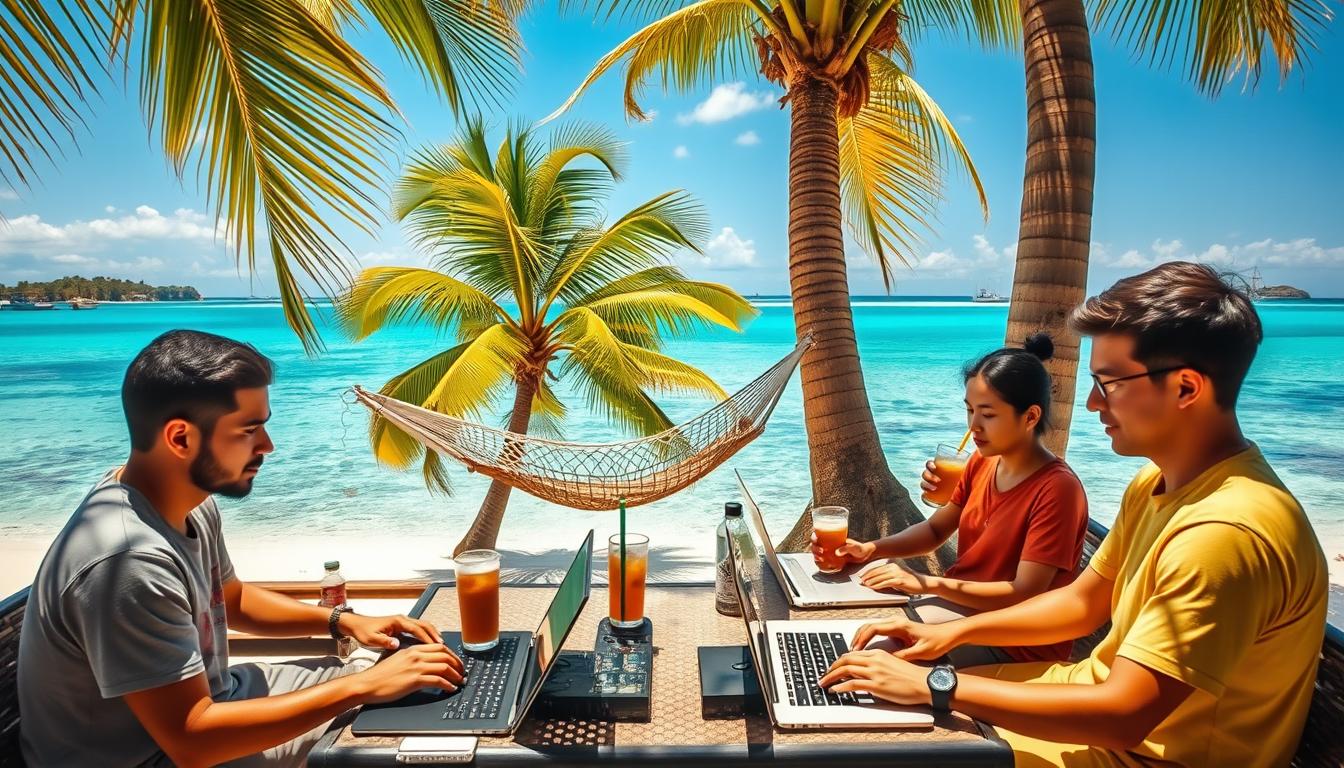
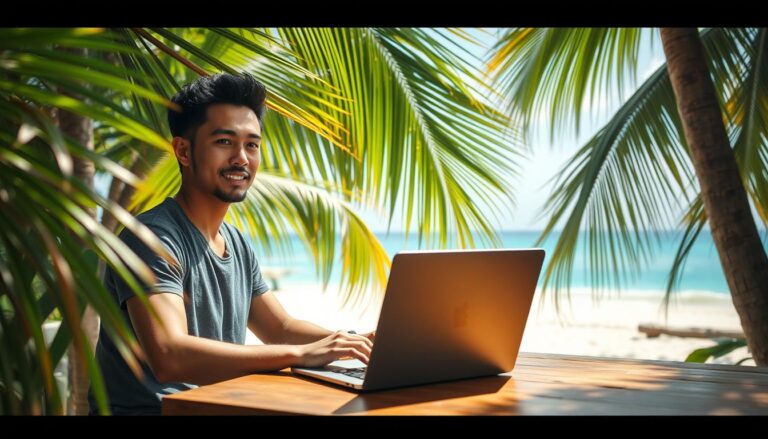
Dreaming of trading your office view for white sand beaches and crystal-clear waters? You’re not alone. Many professionals are now embracing a location-independent career, seeking a better balance between their work and personal life. This guide is your friendly starting point for making that dream a sustainable reality.
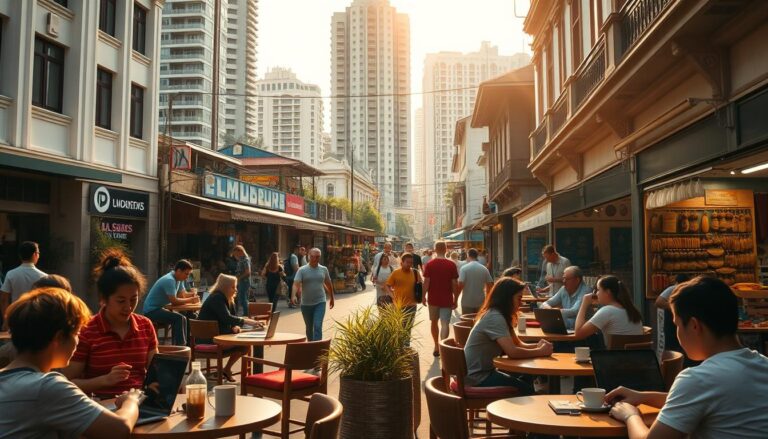
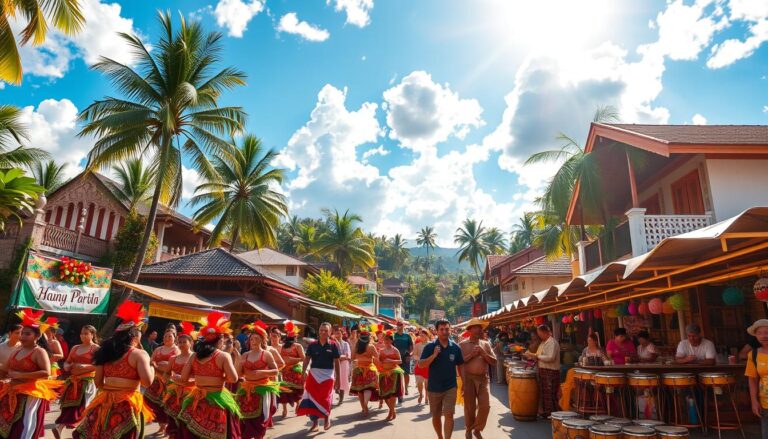
The archipelago nation of the Philippines has become a magnet for this growing community. It offers an incredible mix of affordability, stunning natural beauty, and improving urban infrastructure. Imagine finishing a project and then stepping out to explore a vibrant local market or a serene coastline.
Of course, this exciting lifestyle comes with its own set of considerations. Reliable internet is crucial, and weather patterns can affect daily plans. The key to a long and enjoyable stay is smart financial management. With a solid plan, you can extend your adventure, immerse yourself in the culture, and explore more islands without financial stress.
Key Takeaways
- The Philippines is a top destination for professionals seeking an affordable and beautiful place to work remotely.
- Smart financial planning is essential for a sustainable and extended stay in the islands.
- Balancing work requirements with the tropical environment is a key part of the experience.
- Proper budgeting allows for deeper cultural immersion and more exploration.
- This guide provides practical strategies to help you thrive financially while enjoying the lifestyle.
Introduction & Overview
Professionals worldwide are discovering that productivity and paradise can coexist through the growing trend of tropical remote work. This movement represents more than just a change of scenery—it’s a fundamental shift in how we approach career and lifestyle integration.
Remote Work Trends in Tropical Paradises
The pandemic accelerated a global shift toward location-independent careers. Tropical destinations became magnets for digital nomads seeking better work-life balance.
Working from paradise offers unique advantages. Natural stress relief comes from year-round warm weather and stunning environments. Lower costs of living allow for extended stays and deeper cultural immersion.
Why the Philippines is a Top Choice for Digital Nomads
The archipelago stands out with its compelling combination of extreme affordability and breathtaking natural beauty. With over 7,000 islands, the country offers diverse landscapes from white sand beaches to lush forests.
English is widely spoken, eliminating communication barriers. The famous Filipino hospitality makes newcomers feel welcome immediately. Visa options are straightforward, with generous visa-free entry for most nationalities.
A new Digital Nomad Visa approved in 2025 allows stays up to two years. This makes long-term work philippines arrangements more accessible than ever. The low cost of living means meals and accommodation remain budget-friendly.
While major cities and tourist hotspots command higher prices, countless hidden gems offer incredible value. This creates perfect opportunities for island exploration and authentic cultural experiences.
Budgeting Your Remote-Work Life in the Tropic Philippines
Before packing your bags, taking time to define your spending priorities will shape your entire experience. This guide helps you match your financial situation with the lifestyle you want.
Defining Your Financial Priorities
Digital nomads typically choose from three budget levels. Each offers different comforts and experiences for your trip.
The lean approach costs $900-$1,350 monthly. This covers basic guesthouses, local eateries, and public transport. It’s perfect for maximizing savings.
A comfortable budget ranges from $1,500-$3,000 per month. This unlocks nicer Airbnbs with reliable internet and mid-range dining. It balances work needs with exploration.

The luxury tier exceeds $3,000 monthly. This allows premium condos, private drivers, and resort weekends. It focuses on maximum comfort and convenience.
Consider what matters most during your months abroad. Do you prioritize reliable internet for work? Or freedom to explore different areas?
Your choices affect how long you can stay. Embracing local culture extends your time. Preferring Western amenities requires higher spending.
Build flexibility into your plan. Account for seasonal changes and unexpected costs. This ensures your island life remains stress-free.
Assessing Daily Expenses: Accommodation, Food, and Transportation
Smart management of your three biggest expenses unlocks more freedom to explore. Knowing what to expect for basics helps you plan better.
Finding Affordable Stays and Workspaces
Your accommodation choice sets the tone for your entire experience. Budget hostels like Matcha Hostel in Siargao offer excellent value at ₱699 per night.
This includes fast internet and comfortable workspaces. Private rooms in guesthouses start around $9 per day.
Look for places with reliable internet and backup power. Choose locations near essential services for convenience.
Smart Food & Travel Choices on a Budget
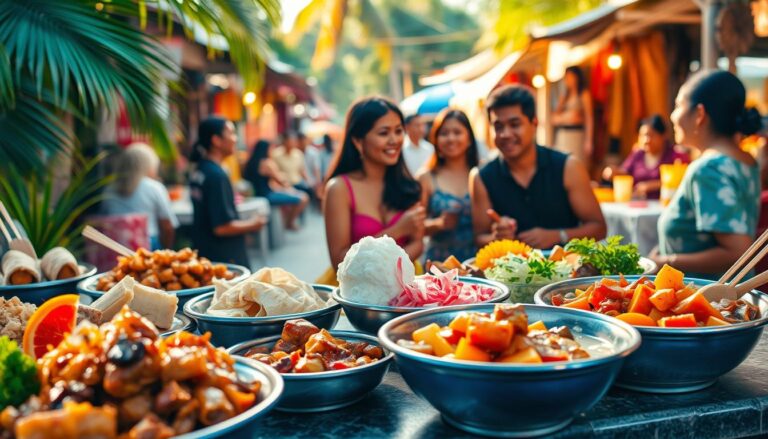
Eating like the locals saves significant money. Carinderia stores serve delicious meals for just ₱70.
Local bakeries offer fresh bread for ₱5. This contrasts with tourist restaurants charging much more.
For transportation, scooter rentals start at ₱350 per day. This gives you freedom to explore the entire island.
Tuk-tuks cost around ₱100 for short trips. Monthly rentals outside main areas offer even better value.
Optimizing Your Workspace and Internet Connectivity
A reliable internet connection is the backbone of any successful remote work setup, especially when operating from a tropical island. The reality varies greatly between major urban centers and smaller islands.
In a large city like Manila, fiber-optic connections can exceed 100 Mbps. On islands like Siargao, Starlink has been a game-changer. The central town of General Luna now boasts fast internet in most establishments.
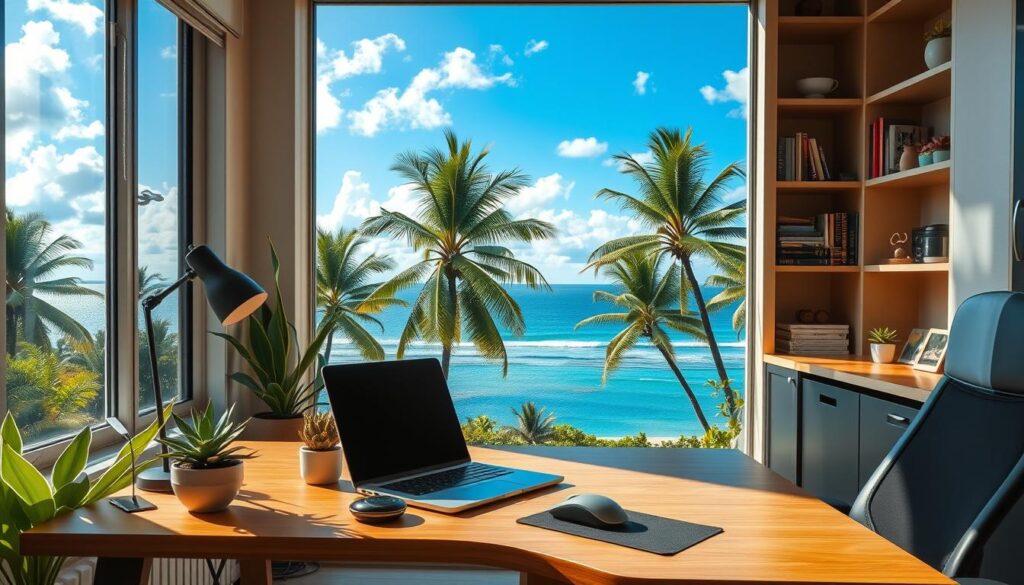
For dedicated work spaces, Siargao offers excellent options. Coco Space in Libertad Hills provides spacious areas and a pool with rice field views. Alter Space, near Cloud 9, is another popular choice.
Many cafés cater to digital nomads. Big Mama Laundry Café lets you multitask, while Lamari and Siago Beach Resort offer poolside views and fast WiFi. For night owls, SBooks is a 24-hour café with charging sockets.
Do not rely on mobile networks as your primary connection. Globe and SMART often have weak reception. Use them only as a backup. It’s wise to get SIM cards from both providers to test coverage at your home base.
Always test the internet speed before committing to a long-term rental. Identify a few backup spaces for important video calls. A little planning ensures your work remains uninterrupted, letting you fully enjoy the paradise around you.
Managing Utility Costs in a Tropical Environment
Electricity management might not be the most exciting topic, but it’s one of the most practical aspects of island living that can make or break your remote work experience. Utility expenses can vary significantly depending on your cooling preferences and device usage.
Many hostels and some resorts include utilities in their rates. Monthly rentals often charge separately for electricity. This can add $30-100+ to your costs depending on air conditioning usage.
Dealing with Power Outages and Backup Solutions
Power outages are common on the island due to its remote location. They can last from minutes to several hours. Most establishments in General Luna now have backup generators.
When choosing accommodation, reliable backup power is as important as good internet. This ensures seamless operations during outages. For graveyard shift workers, having a dependable home base is critical since few places stay open late.
Use fans instead of air conditioning during cooler times of day. Keep devices fully charged during stable power periods. Choose accommodation with good natural ventilation to reduce cooling needs.
Invest in a high-capacity power bank for short outages. Identify multiple work locations so you can relocate if power fails. Schedule power-dependent tasks during the most stable electricity hours.
Leveraging Digital Tools and Financial Apps
Modern apps transform financial tracking from a tedious task into an automated process. This section serves as your essential guide to the best digital tools available.
Apps for Expense Tracking and Budget Management
Curated apps make budget management effortless. Trail Wallet offers multi-currency support perfect for travelers. YNAB provides comprehensive financial oversight.
Setup involves creating Philippines-specific categories. Include accommodation, food, and transportation. Set daily limits to maintain control.
| App | Primary Use | Key Feature | Best For |
|---|---|---|---|
| Trail Wallet | Travel Expense Tracking | Multi-currency Support | Short-term Trips |
| YNAB | Comprehensive Budgeting | Zero-based Budget System | Long-term Financial Planning |
| Splitwise | Shared Expenses | Group Cost Splitting | Remote Workers Sharing Accommodation |
| Wise | International Transfers | Real Exchange Rates | Minimizing Banking Fees |
Tax considerations are crucial for remote workers. The Digital Nomad Visa offers favorable tax status. Income earned abroad generally isn’t subject to local taxes.
Consult professionals about home country obligations. Tools like TurboTax help navigate complex situations. This practical list ensures financial peace during your adventure.
Embracing Local Culture & Community for Cost-Saving Benefits
The true magic of working from paradise unfolds when you step beyond tourist zones and immerse yourself in the local way of life. Engaging with the community transforms your experience while unlocking significant savings.
Filipino hospitality creates a welcoming environment where locals genuinely enjoy helping newcomers. They’ll share insider tips about budget-friendly food spots and hidden gems most visitors never discover.
Embracing the laid-back vibe of island living naturally leads to smarter spending. The free entertainment of stunning beaches replaces expensive activities, while slower-paced living reduces impulse purchases.
Cultural integration brings practical benefits. Locals might direct you to family-run eateries or offer scooter rental discounts for long-term stays. This place becomes home rather than just another destination.
The growing digital nomad community shares valuable resources through events like the Digital Nomad Weekend Festival. Connecting with both international remote workers and the local community creates a supportive network.
Respecting the island culture ensures sustainable relationships. Learning basic Filipino phrases and supporting local businesses makes you part of the place rather than just a visitor.
Insider Strategies and Real-Life Experiences
Nothing beats advice from fellow travelers who’ve navigated the challenges and discovered the hidden gems of island remote work. These insights come from people living the digital nomad philippines dream right now.
Traveler Tips from Siargao & Beyond
Seasoned remote workers recommend staying in General Luna for optimal connectivity. Negotiate long-term accommodation rates for significant savings. Renting a scooter gives freedom to explore hidden spots.
One digital nomad philippines veteran shared their routine. After work, they walk to Secret Beach for stress relief. The sound of waves provides perfect calm after screen time.
Local carinderia stores offer authentic meals at budget prices. Avoid peak seasons when costs spike. These simple things make a big difference over years.
How to Maintain a Healthy Work-Life Balance on a Budget
Establish clear work hours even when beaches beckon. Create a dedicated workspace in your accommodation. Schedule specific days for island exploration during your trip.
Many nomads experience the “Siargao curse”—the irresistible pull to return. The laid-back island lifestyle creates a powerful contrast to city stress. This transformation keeps workers coming back.
Free beaches like Patrick’s offer peaceful retreats without entrance fees. Exploring different island spots becomes affordable adventure. These things help maintain balance for philippines digital nomad enthusiasts.
Conclusion
With the new digital nomad visa program, long-term stays in this beautiful country become more accessible. This comprehensive guide has shown how strategic choices in accommodation, food, and transportation create sustainable remote work experiences.
The financial advantage is significant. Income earned abroad generally isn’t subject to local tax. This effectively extends how many months you can enjoy island life.
Beyond finances, the true value lies in the lifestyle transformation. Endless beaches and warm community create a special vibe. Many nomads find their temporary stay becomes home.
Reliable internet continues to improve across the islands. This supports productive work while allowing full enjoyment of natural beauty. The Philippines stands ready for your next adventure.
FAQ
Is a special visa required for digital nomads in the Philippines?
What is the average monthly budget for a remote worker in the Philippines?
FAQ
Is a special visa required for digital nomads in the Philippines?
Currently, the Philippines does not offer a specific digital nomad visa. Most remote workers enter on a tourist visa, which is typically valid for 30 days and can be extended for up to 36 months. It’s crucial to check the latest immigration rules before your trip.
What is the average monthly budget for a remote worker in the Philippines?
Your budget can vary widely based on your lifestyle. A comfortable monthly budget, including nice accommodation, food, and travel, often ranges from 0 to
FAQ
Is a special visa required for digital nomads in the Philippines?
Currently, the Philippines does not offer a specific digital nomad visa. Most remote workers enter on a tourist visa, which is typically valid for 30 days and can be extended for up to 36 months. It’s crucial to check the latest immigration rules before your trip.
What is the average monthly budget for a remote worker in the Philippines?
Your budget can vary widely based on your lifestyle. A comfortable monthly budget, including nice accommodation, food, and travel, often ranges from $800 to $1,500. You can live well for less by choosing local areas over tourist hotspots.
How reliable is the internet for work in popular areas like Siargao or Cebu?
Internet connectivity has improved significantly in key digital nomad hubs. Major cities like Cebu and Manila have strong fiber options. In islands like Siargao, service is generally good in main towns, but having a local Globe or Smart mobile data plan as a backup is a smart move.
What are the best strategies for finding affordable long-term accommodation?
A> Skip short-term tourist sites and connect directly with local Facebook groups for expats or digital nomads. Negotiating a monthly rate for an apartment or guesthouse can slash costs by 30-50% compared to daily rates. Also, consider areas just outside the main tourist centers for better deals.
Are there tax implications for remote workers earning from abroad while living in the Philippines?
If you are not employed by a Philippine company and your income comes from outside the country, you are generally not subject to local income tax on that earnings. However, tax laws can be complex, and it’s always best to consult with a professional based on your specific situation.
How can I manage my finances effectively while living there?
Using financial apps like Wise (formerly TransferWise) for international transfers and local apps like GCash for daily payments is highly effective. These tools help you track spending, get fair exchange rates, and pay for everything from food to utility bills seamlessly.
What is the best way to handle power outages?
Occasional brownouts can happen. A reliable uninterruptible power supply (UPS) for your electronics and a portable power bank are essential. For longer outages, many coworking spaces and cafes have generators, making them great backup workspaces.
,500. You can live well for less by choosing local areas over tourist hotspots.
How reliable is the internet for work in popular areas like Siargao or Cebu?
Internet connectivity has improved significantly in key digital nomad hubs. Major cities like Cebu and Manila have strong fiber options. In islands like Siargao, service is generally good in main towns, but having a local Globe or Smart mobile data plan as a backup is a smart move.
What are the best strategies for finding affordable long-term accommodation?
A> Skip short-term tourist sites and connect directly with local Facebook groups for expats or digital nomads. Negotiating a monthly rate for an apartment or guesthouse can slash costs by 30-50% compared to daily rates. Also, consider areas just outside the main tourist centers for better deals.
Are there tax implications for remote workers earning from abroad while living in the Philippines?
If you are not employed by a Philippine company and your income comes from outside the country, you are generally not subject to local income tax on that earnings. However, tax laws can be complex, and it’s always best to consult with a professional based on your specific situation.
How can I manage my finances effectively while living there?
Using financial apps like Wise (formerly TransferWise) for international transfers and local apps like GCash for daily payments is highly effective. These tools help you track spending, get fair exchange rates, and pay for everything from food to utility bills seamlessly.
What is the best way to handle power outages?
Occasional brownouts can happen. A reliable uninterruptible power supply (UPS) for your electronics and a portable power bank are essential. For longer outages, many coworking spaces and cafes have generators, making them great backup workspaces.