Experiencing Filipino Joy Beyond the Laptop Screen
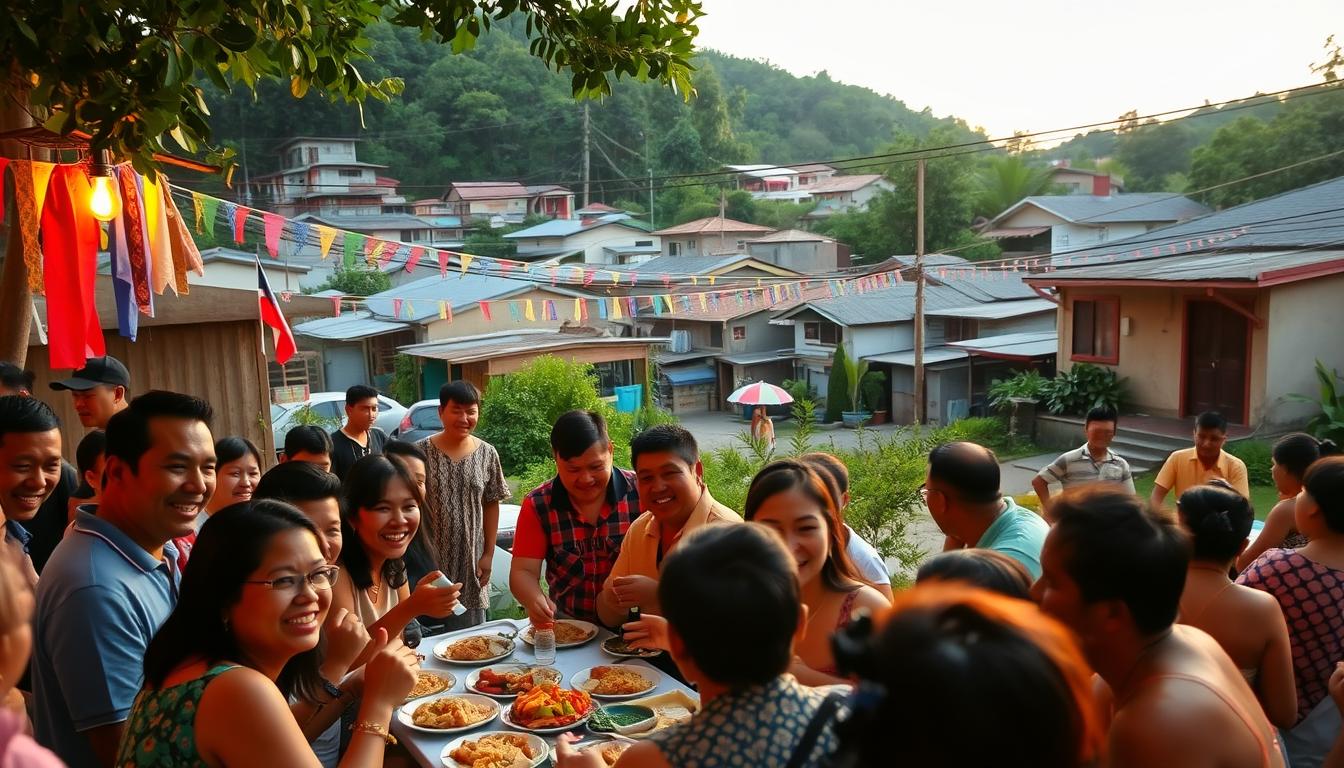
Many people today seek authentic cultural connections that go deeper than digital interactions. This journey explores how genuine cultural experiences can transcend both physical and virtual boundaries.
Technology has created a unique situation for global communities. While digital tools connect people across distances, they sometimes create a gap in tangible cultural experiences. This tension is particularly relevant for diaspora communities worldwide.
There’s growing recognition of diverse cultures in academic institutions, workplaces, and creative spaces globally. This increased visibility opens doors for more meaningful engagement beyond surface-level online interactions.
This exploration focuses on real experiences rather than stereotypes. We’ll look at how language, art, community gatherings, and storytelling create a complete picture of cultural identity maintenance.
The journey ahead takes us through educational settings, artistic expressions, digital dialogues, and community spaces where heritage comes alive. These environments foster genuine understanding and connection through shared moments.
Key Takeaways
- Cultural connections extend far beyond digital screens and virtual interactions
- Technology creates both opportunities and challenges for maintaining authentic cultural ties
- Global recognition of diverse cultures is increasing in various professional and educational spaces
- Authentic cultural experiences involve multiple dimensions including language, art, and community
- Shared moments in various settings create meaningful cultural understanding
- Real cultural experiences focus on lived realities rather than stereotypical representations
- Cultural identity thrives through active participation and genuine engagement
Embracing the Spirit of Filipino Culture
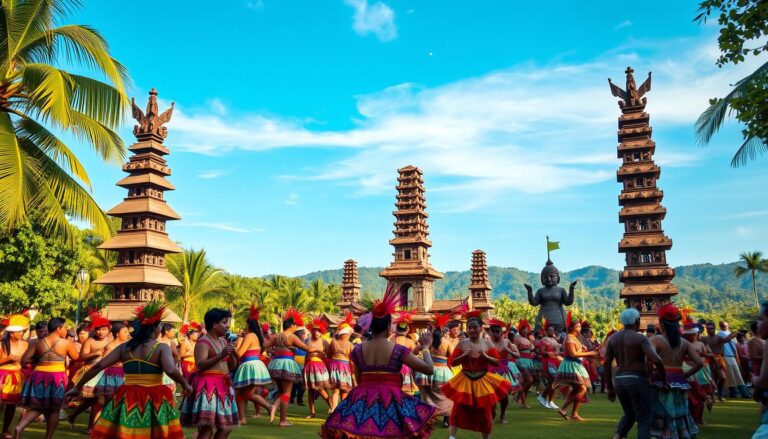
Traditional values like bayanihan demonstrate how ancient practices remain relevant in modern contexts. This communal approach creates welcoming spaces where people connect through shared cultural experiences.
Cultural Roots and Community Connection
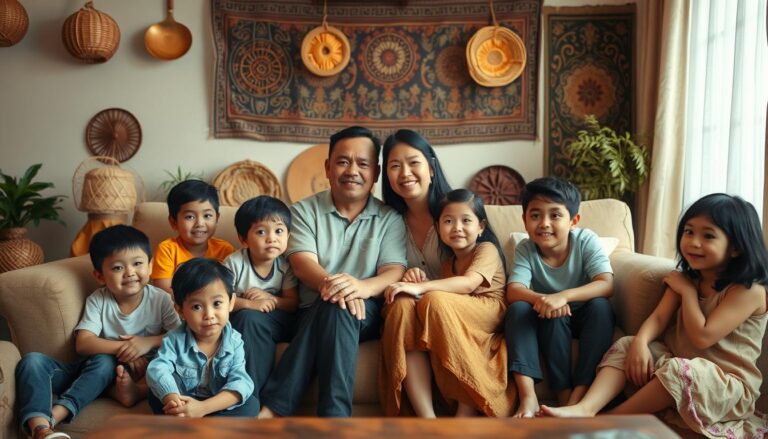
Cultural roots provide a strong sense of belonging, especially for diaspora communities. These connections help maintain personal and collective identity across generations.
The preservation of traditions becomes a meaningful endeavor that strengthens community bonds. It creates bridges between ancestral heritage and contemporary life.
The Role of Language in Preserving Heritage
Language serves as a vital vessel carrying history, values, and collective memory. It connects people to their ancestors and to each other in profound ways.
Beyond simple communication, words carry the spirit of cultural identity. They preserve stories and wisdom that textbooks cannot fully capture.
Learning Through Tradition and Bayanihan
Hands-on learning through cooking, crafts, and storytelling creates tangible connections to heritage. This experiential approach makes cultural education come alive.
The bayanihan spirit transforms classrooms into collaborative communities. Students become active participants in preserving and evolving their cultural traditions.
| Preservation Method | Key Benefits | Common Challenges | Community Impact |
|---|---|---|---|
| Language Classes | Direct cultural connection | Limited resources | Intergenerational bonding |
| Traditional Arts | Tangible skill development | Master teacher availability | Cultural pride building |
| Community Gatherings | Social reinforcement | Geographic dispersion | Network strengthening |
| Oral Storytelling | Emotional engagement | Documentation needs | Historical continuity |
Understanding indigenous traditions forms an essential part of the broader cultural identity. This recognition honors both pre-colonial heritage and contemporary expressions.
Experiencing Filipino Joy Beyond the Laptop Screen in Community & Classroom Settings
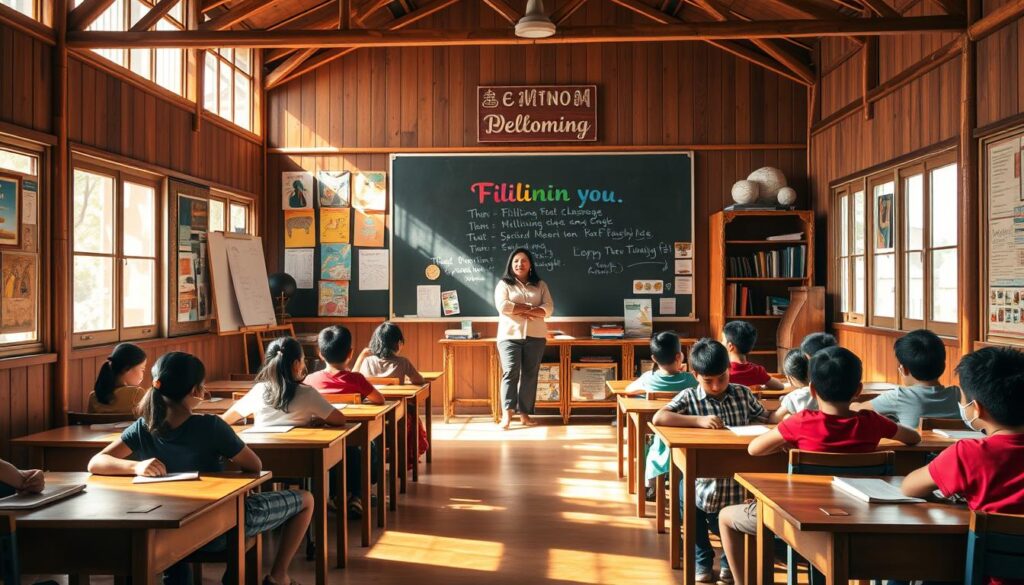
The fall of 2023 marked a turning point for Southeast Asian studies at Harvard. For the first time, the university introduced Filipino language courses alongside Thai and Bahasa Indonesian. This expansion recognized the growing importance of regional languages.
Insights from Filipino Language Classes at Harvard
Students discovered something new about their heritage through structured learning. The course offered three levels determined by placement exams. This accommodated both beginners and heritage speakers.
Heritage speakers particularly benefited from understanding proper grammatical structures. Many gained confidence to speak coherently for the first time. The classroom became a space where people learned together.
One student shared, “I finally connected with my grandparents in their native tongue. That experience transformed our relationship.”
Real-life Experiences and Shared Stories
Learning extended beyond traditional instruction through hands-on activities. All course levels collaborated on a Peabody Museum exhibit. Students engaged with indigenous traditions and cultural artifacts.
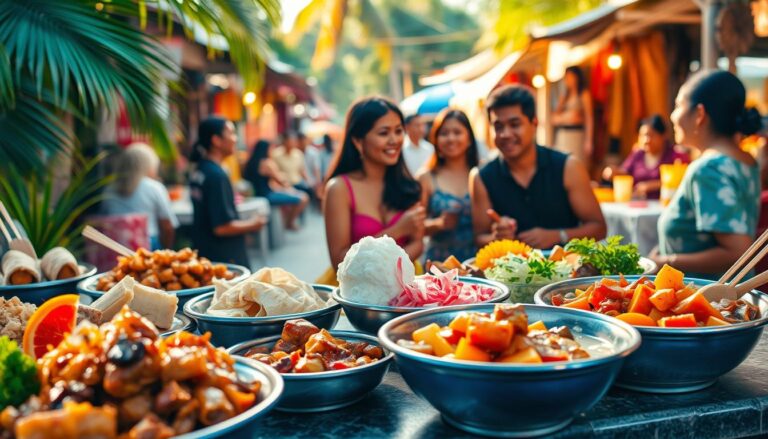
Cooking demonstrations brought vocabulary to life. Participants prepared classic dishes like polvoron, sinigang, and lumpia. Sharing food created bonds between classmates who became friends.
These experiences provided practical application throughout the year. Students used their language skills when visiting the Philippines. Communicating with family and friends deepened cultural connections.
| Course Level | Learning Focus | Cultural Activities | Student Outcomes |
|---|---|---|---|
| Beginning | Basic vocabulary | Recipe exchanges | Foundation building |
| Intermediate | Grammar structures | Museum projects | Confidence growth |
| Advanced | Fluency development | Community events | Real-world application |
Teacher Ate Lady fostered a warm, invested atmosphere. The bayanihan spirit transformed the classroom into a genuine community. People celebrated culture while learning something new together.
Celebrating Heritage Through Art and Storytelling
Filmmakers and artists are reshaping how we understand diaspora stories through innovative installations. Their work moves beyond simple documentation to create immersive experiences.
These creative projects give power to communities to control their own narratives. They celebrate heritage in deeply personal and universally resonant ways.
Artistic Narratives: Film Installations and Craftsmanship
Stephanie Comilang’s solo exhibition “Float” featured a powerful film titled “Lumapit Sa Akin, Paraiso.” This art piece followed three domestic women in Hong Kong on their day off.
The film showed them vlogging, singing, and exercising. It highlighted their humanity beyond their work. A drone named Paraiso collected the digital memories they created for people back home.
The exhibition design was equally creative. Visitors stepped on cardboard sheets, evoking the temporary shelters migrant women build. This made the art installation a physical experience.
Comilang drew inspiration from pioneering filmmaker Kidlat Tahimik. His blend of personal story with fiction continues to influence contemporary artists. This legacy shows the enduring power of visual stories.
Such film installations demonstrate how art can reshape dominant narratives. They offer a platform for authentic self-representation.
Digital Connections and The Diasporic Experience
The concept of kwentuhan has found new life in virtual spaces during times of physical separation. This Tagalog term means “to have a conversation” with a natural back-and-forth flow. Digital platforms now host these traditional gatherings.
Kwentuhan: Modern Conversations with Traditional Roots
Cambio & Co., a fashion company, launched “Kwentuhan With Cambio” during COVID-19 quarantines. Their online series brought together over 300 people from six countries. For four weeks, they recreated the casual friend gatherings that kwentuhan represents.
The sessions focused on fashion, beauty, and culture topics. Participants joined from the Philippines, USA, Canada, Australia, Ireland, and the UK. This virtual space honored heritage while using modern communication forms.
Technology’s Role in Bridging Home and Abroad
Technology serves dual functions for diaspora communities. It enables connection through video calls and social media. Yet it also highlights the isolation migrant workers experience.
Stephanie Comilang’s film work explores this tension powerfully. Her pieces show how workers maintain relationships through digital means. The technology becomes both bridge and reminder of distance.
| Connection Method | Primary Users | Cultural Impact | Limitations |
|---|---|---|---|
| Video Calls | Families separated | Real-time interaction | Time zone challenges |
| Social Media | Diaspora youth | Community building | Privacy concerns |
| Digital Storytelling | Artists & writers | Heritage preservation | Accessibility issues |
| Virtual Events | Global communities | Cultural exchange | Technical barriers |
These digital tools help maintain language and traditions across generations. They create archives of diasporic experience for future children to explore.
Conclusion
Across classrooms, art spaces, and digital platforms, a vibrant tapestry of heritage comes alive. This exploration shows how multiple approaches create deep cultural connections that transcend digital boundaries.
The healing power of community emerges as a central theme. Through language classes and collaborative work, people of all ages find pathways to reconnect with their identity. Over the years, these shared experiences build resilience and understanding.
Women play crucial roles in shaping cultural narratives with creativity and agency. Their contributions demonstrate the beauty of full human expression beyond media stereotypes. Each person who participates adds to the collective story.
We encourage everyone to seek out cultural engagement in their local communities. Whether through language learning, supporting artisans, or participating in conversations about extended family dynamics, every effort contributes to preserving rich heritage for future generations.