Coffee, Culture, and Connection: My Philippines Journey
Let me take you on a trip. It started with a simple curiosity about a daily ritual enjoyed across the globe. I wanted to understand how a single cup could tell a rich story about a place and its people.
This exploration became a personal journey into the heart of the Philippines. I discovered that the local coffee culture is far more than a caffeine fix. It is a vibrant thread woven into the nation’s social fabric.
Every steaming mug served as a bridge. It connected me to generations of tradition and to communities high in the mountain regions. The experience was about shared moments and genuine understanding.
We will explore traditional brewing methods and the hardworking farmers behind each bean. We will see how this beloved beverage shapes daily life and preserves heritage in this beautiful country.
Key Takeaways
- The local beverage scene offers a unique window into Filipino community and identity.
- This drink acts as a social catalyst, creating meaningful connections between people.
- Traditional preparation methods have been passed down through generations.
- Supporting local growers is a crucial part of the agricultural economy.
- Daily rituals surrounding this drink highlight its deep cultural significance.
- The exploration goes beyond tourism to embrace authentic human stories.
Exploring the Vibrant Philippine Coffee Scene
My earliest recollection of this aromatic beverage dates back to a chilly December morning at our family breakfast table. The scene was set with scrambled eggs, warm pandesal, and steaming cups that created a backdrop for what would become a lifelong appreciation.
Early Memories and Cultural Beginnings
At five years old, I begged to taste the dark liquid in my father’s cup. “You’re too young,” my mother insisted, warning it would stunt my growth. My dad finally relented, letting me try his second serving of freshly brewed barako.
I took one sip and immediately spat it out. The bitterness proved I wasn’t ready to appreciate this complex drink. This childhood rejection would later transform into deep understanding as I matured.
Influences of Community and Tradition
Fifteen years later, I became what some might call a “recovering coffee addict.” I discovered that drinking coffee here represents far more than a morning ritual. The phrase “Kape tayo” serves as a warm invitation, considered a high form of endearment.
This beverage brings comfort during gloomy days and encourages deep conversation. It’s a staple for casual breakfasts and important business meetings alike. The community-centered nature means it’s rarely a solitary activity but rather an opportunity to strengthen bonds.
Early exposure to this rich coffee culture creates lifelong relationships that go beyond simple caffeine consumption. It’s woven into the fabric of daily life, preserving traditions passed down through generations.
Coffee, Culture, and Connection: My Philippines Journey
What truly enriched my understanding was learning from people directly involved in the coffee movement. This journey forms part of a broader series examining how nations develop unique relationships with this globally beloved beverage.
In Davao City, Ms. Joji Felicitas Pantoja leads Coffee for Peace. Her organization represents the intersection of commerce, community development, and social justice. Their small shop serves as a showroom for organically cultivated beans.
David Piconcillo Saison grew up immersed in Bacolod City’s traditions. He now brings that perspective to international settings. This demonstrates how Philippine coffee culture travels beyond borders.
The operation functions as more than a business, it’s a movement. They advocate for fair trade principles that advance justice and peace. Business owners and farmers work together in supportive networks.
This approach ensures sustainable practices and fair compensation. It maintains quality while honoring tradition. Learning from local voices transforms casual consumption into cultural education.
Every cup contains stories of origin and farmer welfare. Paying attention to these elements creates richer experiences for everyone involved. From seed to cup, the process builds genuine connection.
Traditional Brews and Unique Preparations in the Philippines
Traditional Filipino coffee brewing showcases remarkable adaptation to local conditions. The methods reflect both environmental realities and cultural preferences.
Barako Coffee: Bold Flavors and Authentic Roots
Barako stands as the traditional black brew known for its powerful character. This strong drink tastes best served without additives to appreciate its authentic profile.
The preparation process adapts to humid mountain regions where beans are harvested. Green beans undergo boiling before drying and grinding. Roasting occurs fresh on purchase day for maximum flavor.
Regional varieties like Batangas and Canla-on grow on mountainsides. Indigenous communities farm these trees using generations-old techniques.
Kopi Luwak: The Exotic Southeast Asian Delicacy
Kopi luwak is made from coffee cherries eaten and passed by Asian palm civets. Production methods vary, and animal-welfare concerns make traceability important. Do not assume a product is wild-collected or ethically sourced without credible documentation.
Prices vary widely by origin, processing, authenticity, certification, and seller. Compare current prices only after checking traceability and whether the sourcing claims can be independently supported.
| Coffee Type | Typical profile | What to verify |
|---|---|---|
| Barako | Strong aroma and bold body | Species, roast date, origin, and producer details |
| Kopi Luwak | Varies by bean, roast, and processing | Authenticity, civet welfare, and traceable sourcing |
| Batangas coffee | Varies by variety and roast | Farm or cooperative, harvest information, and roast date |
These brewing methods preserve cultural heritage while creating exceptional flavors. They represent deep connection to land and natural processes.
Supporting Local Farmers and Sustainable Coffee Practices
A surprising reality exists within the nation’s relationship with its favorite morning drink. Filipinos consume large quantities, yet the country imports most of its beans. This paradox highlights deep issues within the agricultural system.
Coffee growers can face irregular harvests, changing farm-gate prices, climate risks, and high production costs. Buyers interested in supporting producers should look for transparent sourcing that identifies the farm or cooperative and explains how prices are set.
Fair Trade and Direct Sourcing Initiatives
Thankfully, positive change is brewing. Organizations like Kalsada Coffee partner directly with growers. They build local mills and pay above fair trade prices.
This business model creates a more equitable trade system. It ensures farmers receive fair compensation for their hard work. Several local brands lead by example with sustainable practices.
| Brand | Farmer Partnership | Sustainable Practice | Bean Origin |
|---|---|---|---|
| Farmers’ Coffee | Senator Ninoy Aquino growers | Chemical-free GAP methods | Sultan Kudarat |
| Kalsada Coffee | Multiple local cooperatives | Builds local processing mills | Benguet, Bukidnon |
| Yagam Coffee | Indigenous communities | Agroforestry system | Benguet, Mountain Province |
| The Dream Coffee | T’boli farmers | Single-estate Arabica | South Cotabato |
| Yellow Turtle Coffee | BACOFA association | Supports Mount Apo growers | Davao |
The Impact of Global Challenges on Local Farming
The COVID-19 pandemic created additional hurdles. Many growers had unsold inventory from previous seasons. Cooperatives stopped purchasing, creating a financial crisis.
Tere Domine of Kalsada urges consumers to support local producers. Buying bags of Robusta makes a real difference. Your attention to these initiatives helps preserve farming life.
Choosing local brands supports entire communities. It helps build a resilient agricultural system for future generations. Every purchase becomes an act of cultural preservation.
Stories, Rituals, and the Art of Mindful Coffee Drinking
Across generations, certain rituals become woven into the fabric of everyday existence. The daily rhythm finds its pulse through shared moments around a warm cup.
Joji Felicitas Pantoja observes how this beverage appears throughout the day. “People drink coffee in the morning, lunch time or siesta, and in the evening,” she notes. “If there is no coffee served, then there must be something wrong.”
Influential Voices and Personal Narratives
For David Piconcillo Saison, life doesn’t properly start without that first sweet cup. His morning ritual involves lots of sugar, creating a personal kickstart.
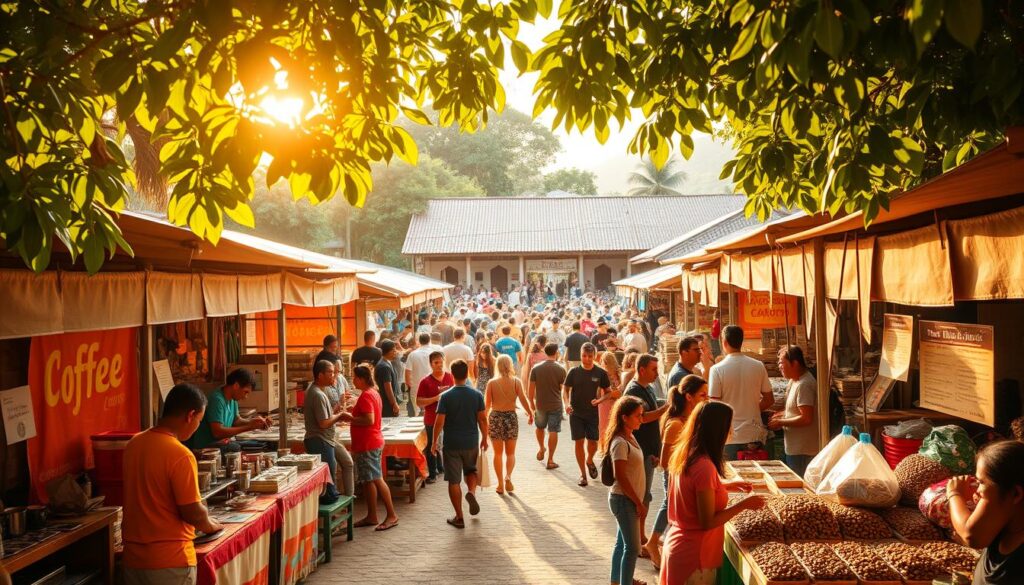
Central markets already smell of beans because vendors sell them there. Green beans often dry on cloths spread across streets. This creates an aromatic landscape that defines neighborhoods.
The Rise of Slow Sipping in a Fast-Paced World
Tim (@Timdrinkscoffee) brings a unique perspective as a former biochemist. His Instagram content blends science with soul, featuring slow pour-overs and farmers’ hands.
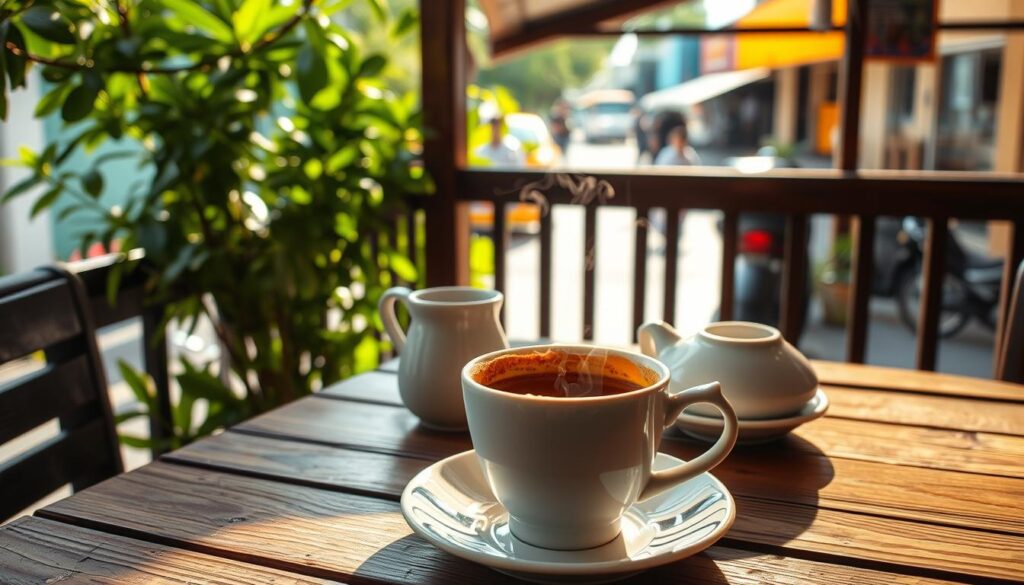
He champions “coffee and contemplation” as both ritual and resistance. “Coffee teaches you to be present,” Tim explains. Understanding the journey from soil to sip cultivates reverence.
His simple advice cuts through complexity: “Buy a Hario V60 on Lazada. And drink slower.” This approach honors tradition while creating new mindful practices.
Young voices like the 16-year-old competition entrant represent hope. They carry forward the stories and understanding into future years.
Conclusion
This exploration revealed that a simple cup holds the soul of a nation. The experience showed me this beloved drink is a powerful lens for understanding identity and heritage.
Supporting local farmers is crucial right now. They work hard to maintain quality coffee beans and preserve tradition against many challenges.
Every brew tells rich stories of the land and people. In our fast-paced world, taking time for a mindful sip is a radical act. It’s an invitation to connect deeply.
Choose local coffee with intention. Your conscious choice supports the entire community. Let your next cup be a step toward meaningful connection and cultural respect.