Life Lessons from Filipino Hospitality and Hustle
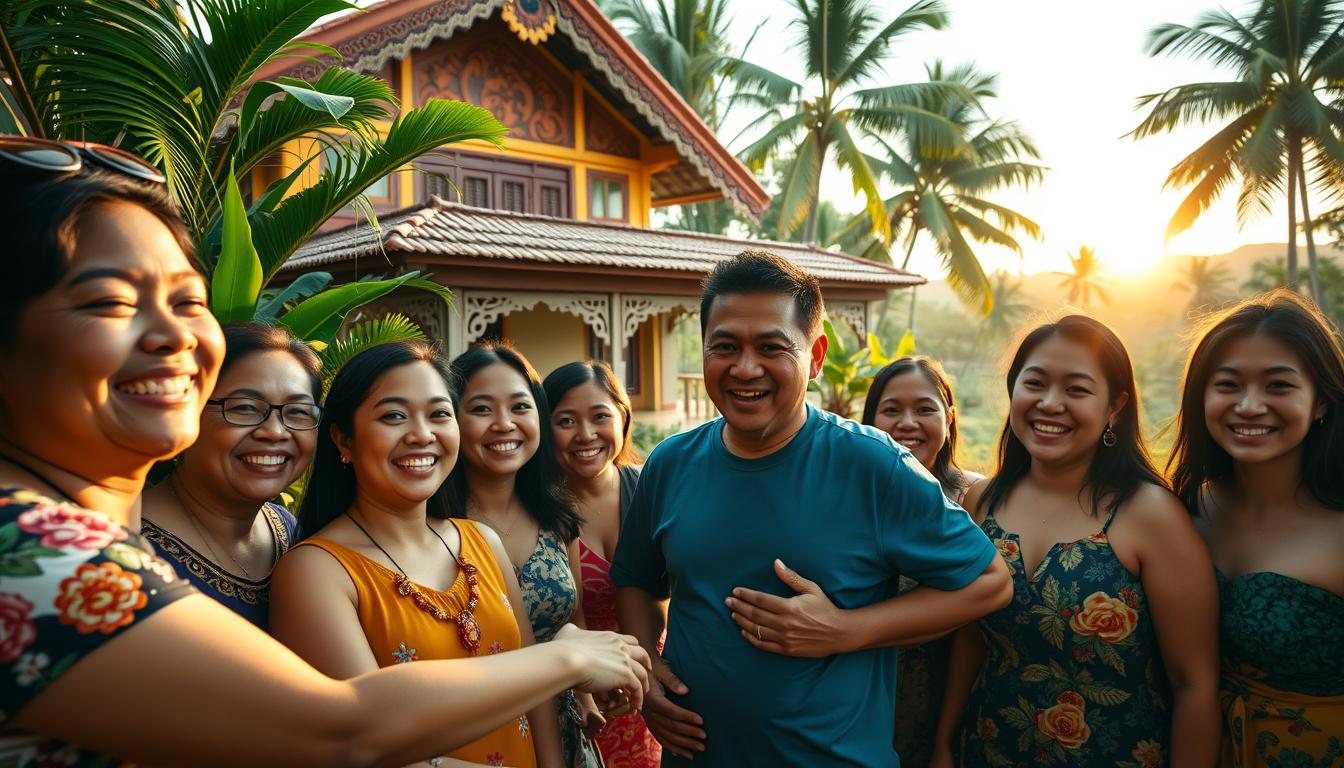
Have you ever visited a place where you instantly felt at home? This feeling defines the core of a beautiful culture known for its warmth. The Philippines consistently ranks among the friendliest countries in the world.
This reputation stems from a deep-seated tradition called magiliw na pagtanggap, or a warm reception. It’s more than just good manners; it’s a fundamental way life is lived. This generous spirit is a cherished part of the national identity.
Understanding this approach to human connection offers valuable insights. It shows how genuine kindness can build stronger communities. These principles are not just for visitors to the country; they are tools for anyone seeking more meaningful relationships.
This exploration will uncover the wisdom within these cultural traits. We’ll see how they foster resilience and joy, providing actionable ideas you can bring into your own life.
Key Takeaways
- Filipino hospitality, or magiliw na pagtanggap, is a deeply ingrained cultural practice, not just a social custom.
- The Philippines is globally recognized for its exceptionally friendly and welcoming people.
- This warm approach to guests and community is a defining part of the national character.
- The principles of this culture offer valuable insights for building stronger personal connections anywhere in the world.
- Understanding these traits can provide practical lessons in kindness, generosity, and community building.
Embracing the Filipino “Tuloy Po Kayo” Spirit
The phrase “Tuloy po kayo” carries more weight than a simple invitation—it’s an entire philosophy of welcome. This heartfelt expression means “Please come in” and represents a deep cultural value of openness.
Warm Greetings and Open Doors
Filipinos always greet visitors with genuine enthusiasm. The warm smile that accompanies “Kamusta ka?” (How are you?) creates immediate connection. This universal language of kindness breaks down barriers instantly.
The open-door policy is a remarkable thing. You’ll hear “Tuloy po kayo” whether it’s your first visit or hundredth. This consistent warmth makes every guest feel valued from the moment they arrive.
Inviting Guests into the Family
Filipino hospitality goes beyond polite treatment. Visitors quickly feel like part of the family. The phrase “Parang kapamilya ka na din namin” (You’re like family to us) is commonly shared.
This spirit manifests in practical ways. Families bring out their best plates and prepare special meals for guests. Even with limited resources, they prioritize visitor comfort above personal convenience.
This approach to hospitality teaches us that true connection requires opening our doors—both literally and figuratively. It transforms any home into a welcoming haven for meaningful relationships.
Life Lessons from Filipino Hospitality and Hustle
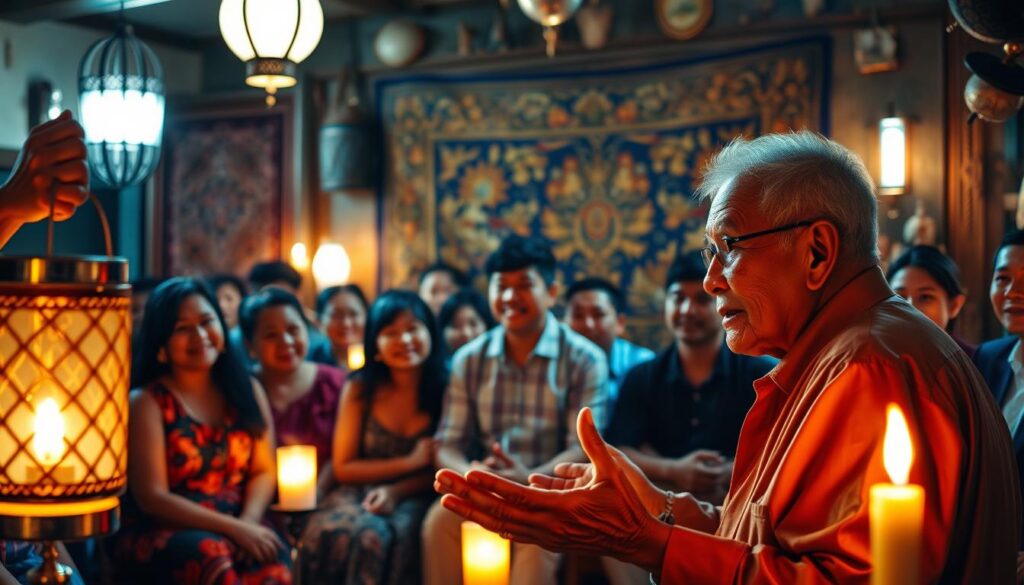
In Filipino culture, the tradition of “kwentuhan,” or storytelling, is the heartbeat of genuine hospitality. This practice goes beyond simple conversation.
It’s about sharing personal stories and experiences to build deep relationships. Guests are not just fed; they are brought into the family’s narrative.
Real-Life Stories of Generosity
This generosity shines brightest when resources are thin. It’s common for families to offer their last portion of food to a visitor.
They might give up their own bed. This isn’t about having extra money. It’s a fundamental way of showing respect. This spirit persists even in difficult times.
Transforming Challenges into Opportunities
This approach teaches a powerful life lesson. Our character is defined by how we treat others, especially when things are hard.
The concept of utang na loob (a debt of gratitude) creates a cycle of kindness. Giving a helping hand strengthens the entire community. This is the true essence of filipino hospitality.
Cultural Traditions: Food, Family, and Warm Hearts
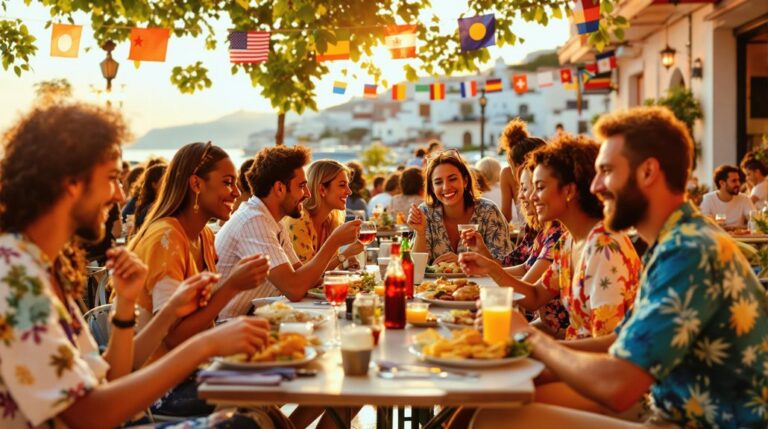
The heart of Filipino cultural connection beats strongest around the dining table. This is where relationships are built and family bonds are strengthened through shared experiences.
The phrase “Kain na!” (Let’s eat!) represents much more than a meal invitation. It’s an expression of genuine care and the desire to nurture both body and relationships. This approach to food reveals deep cultural values that view feeding others as fundamental to caring for them.
The Role of Shared Meals
Filipino meals function as social glue that brings people together. The dining table becomes a special place where important conversation happens naturally. Multiple generations connect here every day, making meals central to family life.
Traditional dishes like lumpia, adobo, and halo-halo carry cultural meaning beyond their flavors. Preparing and sharing these foods transmits heritage while welcoming guests into the family story.
The baon culture extends this warmth beyond the visit itself. Hosts insist guests take home leftovers, ensuring the care continues after they leave. This practice makes hospitality an ongoing experience rather than a single event.
Adopting this approach can transform any home into a warmer, more welcoming space. Simple acts like always having snacks available for visitors create natural opportunities for connection that modern life often lacks.
Building Community Through Bayanihan and Mutual Support
There’s a powerful tradition in the Philippines that turns neighbors into family. This spirit of communal unity, called bayanihan, represents the deepest form of community support. Historically, entire villages would work together to physically carry houses to new locations.
Understanding the Bayanihan Spirit
While house-moving is less common today, the way of thinking remains strong. Filipinos always come together during challenges like typhoons or emergencies. During the pandemic, community pantries appeared across the country where people shared food freely.
This philosophy creates a social safety net built on reciprocal care. It shows that individual well-being depends on community well-being.
Everyday Acts of Neighborly Kindness
Small gestures keep this spirit alive daily. Neighbors share meals, offer rides, or help with repairs without being asked. These acts of kindness create resilient communities where people genuinely care for others.
At celebrations and difficult times, everyone lends a hand. The host provides space while the community handles cooking and setup together.
| Traditional Bayanihan | Modern Examples | Core Value |
|---|---|---|
| Carrying houses together | Community pantries | Shared responsibility |
| Village farming cooperatives | Neighborhood support networks | Mutual aid |
| Community celebrations | Online fundraising for neighbors | Collective joy |
Strengthening Community Bonds
This approach to hospitality promotes social harmony through cooperation and respect. Even Filipinos living abroad maintain these close-knit communities. The filipino hospitality spirit reminds us that we’re stronger together.
Simple actions like organizing neighborhood gatherings can build similar connections anywhere. Strong communities don’t happen by accident but through intentional care for one another.
Intergenerational Wisdom: Passing Down Filipino Values
Grandparents and parents play a crucial role in preserving Filipino identity across generations. Children learn essential values through everyday interactions with their elders. This natural education shapes their character for life.
Lessons from Elders and Family Traditions
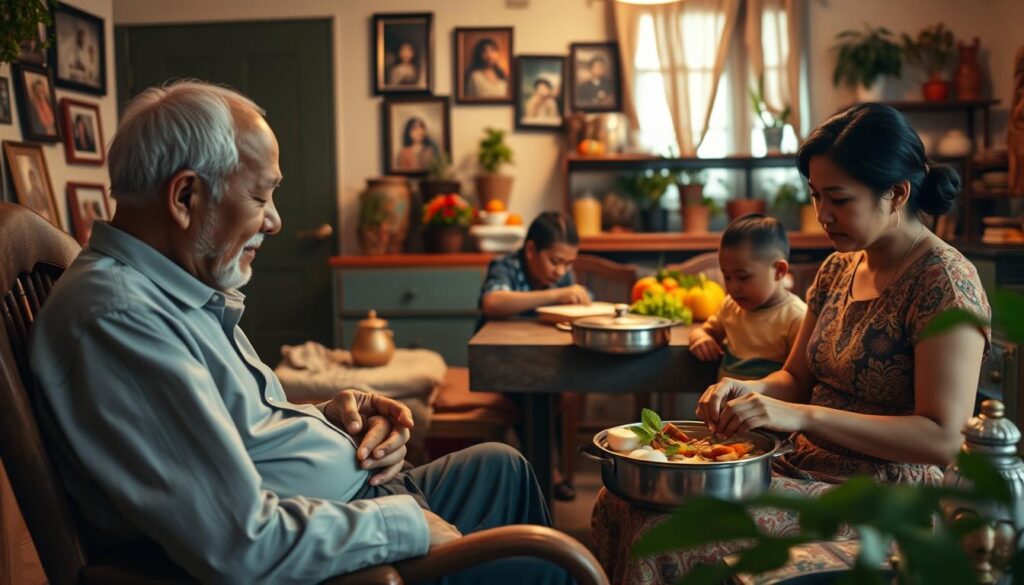
Lolos and lolas (grandparents) serve as living libraries of cultural wisdom. They demonstrate proper behavior through their actions. Kids observe how elders treat guests with utmost respect.
Family gatherings become practical training grounds. During holidays and special occasions, children help prepare food and welcome visitors. They learn respectful language like “po” and “opo” naturally.
Celebrating Filipino Cultural Heritage
These traditions foster deep cultural pride among younger generations. The stories and customs shared become an important part of personal identity. This connection to heritage remains strong even for people living abroad.
Each year, celebrations reinforce these family bonds. The continuity of filipino culture depends on this intergenerational sharing. It ensures that warm, welcoming values continue to enrich community life everywhere.
Modern Applications: Applying Filipino Hospitality in Daily Life
Modern life moves fast, but the core principles of genuine hospitality remain timeless. You can bring this warm approach into your busy day with simple, meaningful ways of connecting.
Everyday Acts of Kindness and Empathy
Small gestures make a big difference. Ask “How are you?” and truly listen to the answer. Keep snacks available for unexpected visitors.
These things take just minutes but show you care. This approach strengthens relationships at work and home.
Integrating Traditions in a Busy World
Even with limited time, you can create welcoming spaces. A warm smile and genuine questions make people feel like valued guests.
Digital tools extend welcome beyond physical places. Virtual gatherings maintain connection when distance separates us.
True filipino hospitality adapts to any situation while keeping its heart intact.
Conclusion
The true measure of a culture‘s richness often lies in how it treats strangers. This beautiful way of welcoming people defines the heart of filipino culture.
These traditions show us that genuine connection doesn’t require money or extra time. A warm smile, shared food, or thoughtful questions can make any guest feel at home. This approach builds stronger community bonds everywhere.
If you visit philippines, you’ll experience this welcoming spirit firsthand. Tourists quickly discover why this place earns its friendly reputation. Every interaction reflects deep cultural values of generosity.
Try bringing this warmth into your daily life. Small acts of hospitality can transform relationships and create more meaningful connections in your world.