Cost of Living Breakdown by Festival Destinations in The Philippines
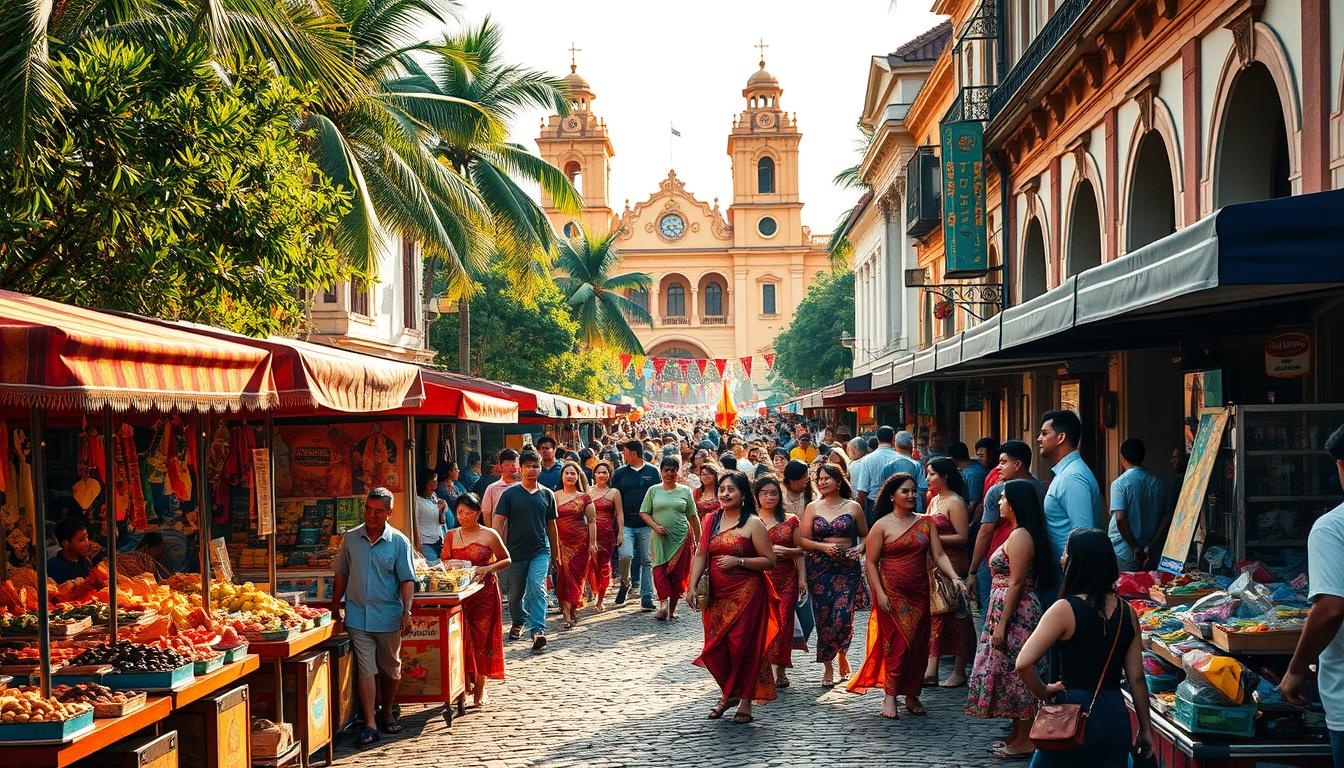
Dreaming of dancing in the streets during Sinulog or joining the beachfront celebrations in Boracay? This guide is your ultimate resource for planning an unforgettable trip centered around the country’s most vibrant events. We provide a clear picture of what you can expect to spend, based on real data from travelers who’ve done it themselves.
Our analysis is built on actual spending, like one couple’s detailed record of $5,229.75 over 60 days exploring festival hotspots. This gives you an authentic look at expenses for philippines 2025. Whether you’re planning a short getaway or considering living philippines style long-term, knowing the real numbers helps you budget without surprises.
We break down the numbers, from a daily average of $43.58 for budget travelers to monthly totals around $2,178 usd for expats in areas like Cebu. Festival timing greatly affects costs around accommodation and transport. Understanding these seasonal swings can save you a significant amount of money.
This isn’t just a generic cost estimate. It’s packed with practical insights from people who’ve experienced both the quiet seasons and the exciting festival peaks. By the end, you’ll be ready to confidently plan your adventure to celebrations like MassKara or the Pahiyas Festival.
Key Takeaways
- Get a realistic budget based on actual traveler spending data from 2024-2025.
- Understand the significant price differences between festival season and off-peak travel.
- Learn the average daily and monthly expenses in USD for different travel styles.
- Gain practical tips for navigating accommodation and transport during major events.
- Plan confidently for specific festivals like Ati-Atihan, MassKara, and Sinulog.
Overview of Festival Destinations in The Philippines
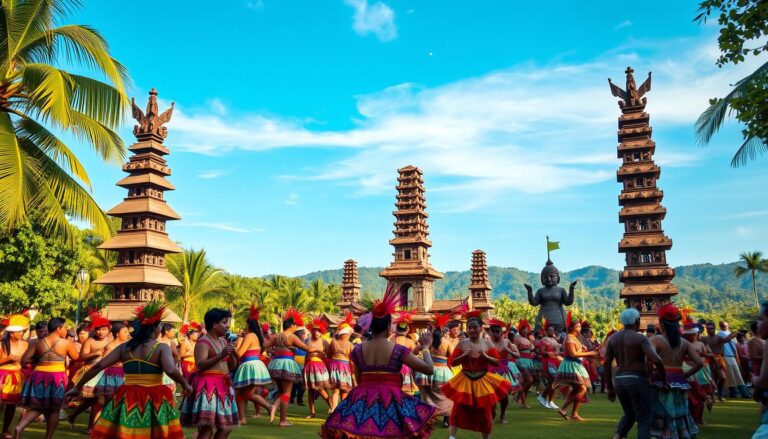
Envision being welcomed into community festivities that transform entire cities into living art. This archipelago nation offers celebrations that go beyond typical tourist experiences.
The country stands out in southeast asia with its blend of indigenous, Spanish colonial, and modern influences. You won’t find these unique celebrations anywhere else in the world.
What Makes Festival Destinations Unique?
Local people genuinely invite visitors to join their street dancing and share meals. This creates an experience where everyone participates together.
Unlike many countries where events feel commercial, these maintain authentic cultural roots. The warmth shown to guests makes each celebration special.
Highlights of Local Culture and Traditions
Festival time offers a real window into religious processions and harvest celebrations. Each event features unique rituals, costumes, and traditional foods.
As one traveler who ‘ve seen events across Asia noted, “The line between performer and audience beautifully blurs here.” This participatory spirit defines the experience.
Cost of Living Breakdown by Festival Destinations in The Philippines
To truly grasp the financial reality of celebrating in the Philippines, you need more than just a simple price list. This budget guide takes a unique approach by blending data from two different viewpoints.
We combine the detailed records of short-term festival travelers with the monthly expenses of long-term expats. This gives you a complete picture, whether you’re visiting for a week or considering a longer stay.
Understanding the Ultimate Guide Approach
Our analysis is built on real numbers. Two travelers documented their spending over 60 days, totaling $5,229.75 for two people. This averages to $43.58 per person, per day.
Contrast this with a retiree living in Panglao, Bohol. Their documented monthly costs were approximately $2,178 usd. This dual perspective is crucial for accurate planning.
What you should expect pay changes dramatically with the season. Hotel prices can double during major events like Sinulog. Visiting the same spot during the quiet season is far more affordable.
Location also plays a huge role. Bustling cities like Manila have higher costs. Provincial hubs like Iloilo or Bacolod offer lower prices while still hosting incredible events.
| Expense Category | Traveler Perspective (Daily Average) | Expat Perspective (Monthly Average) |
|---|---|---|
| Accommodation | $15-25 | $400-600 |
| Food & Dining | $10-15 | $250-400 |
| Transportation | $5-10 | $100-200 |
| Tours & Activities | $5-15 | $150-300 |
This detailed breakdown helps you see exactly where your money goes. You can plan strategically, perhaps booking stays slightly outside festival centers to save.
Transportation: Navigating the Islands on a Budget
Island hopping presents unique challenges that can make or break your festival budget. Smart choices in transportation can save you hundreds of dollars while ensuring you reach celebrations on time.
Domestic flights are sometimes necessary for covering long distances quickly. Real traveler data shows prices ranging from $17 to $120 for the same one-hour flight. Booking early is essential for the best deals.
Domestic Flights, Ferries & Buses
Ferries offer excellent value for inter-island travel. Five ferry rides cost travelers just $135.50 total. Routes like Cebu to Bohol (₱800/~$14) provide smooth sailing even for those prone to seasickness.
Buses and shared vans connect cities on larger islands. A typical route like Puerto Princesa to El Nido costs ₱600-700 ($11-12.52). These transport options are affordable but can be slow with frequent stops.
Tuk-Tuks, Tricycles, and Scooter Rentals
Local tricycles are the ubiquitous three-wheeled taxis found everywhere. Short rides cost ₱25-50 ($0.50), while airport pickups run ₱150-200 ($2.50). Always negotiate prices before riding.
Scooter rentals are the most economical option for daily exploration. At 300-400 pesos usd per day (~$5-7), they offer complete freedom. One couple spent just $193.37 renting for 33 days across multiple islands.
Understanding these transportation options helps you manage your costs effectively. Each mode serves different needs while keeping your overall costs manageable.
Accommodation Options: From Cozy Homestays to Boutique Hotels
Finding the perfect place to rest after a day of vibrant celebrations is key to enjoying your Philippine adventure. Your lodging choices significantly impact your overall experience and budget.
The range of available options is vast. You can find everything from basic but clean homestays to luxurious beachfront resorts.
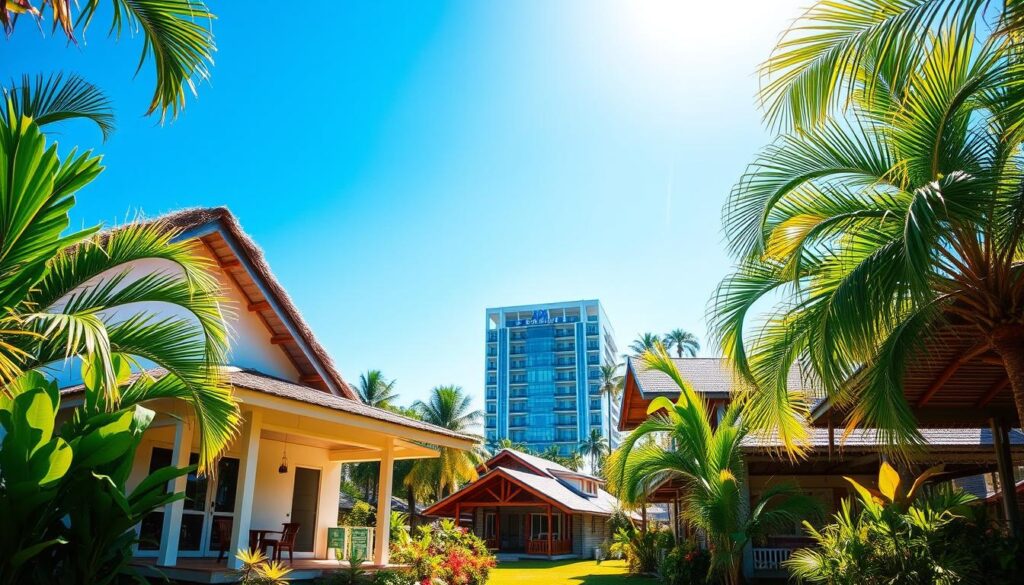
Real data from travelers shows comfortable stays are very affordable. One couple spent a total of $1,452.21 over 60 days.
This averaged about $25.93 per night for two people. It proves you can explore comfortably without high costs.
Budget-Friendly Stays and Local Homestays
For the budget-conscious, hostels and guesthouses offer great value. Dorm beds often run $12-15 per night.
Private rooms in local homestays typically cost $25-35. These fill up incredibly fast during major events.
If you ‘re planning to attend famous festivals like Sinulog, book your room 2-3 months in advance. This simple step saves stress and money.
Destinations like Malapascua Island offered amazing value at just $10 per night. This is perfect for travelers who prioritize experience over luxury.
Mid-range and Luxury Options for Festival Goers
If you prefer more comfort, mid-range and luxury choices abound. Boutique hotels and beach resorts provide excellent bases.
These are ideal for multi-day festival experiences. They offer a peaceful retreat after hours of dancing and celebration.
As one experienced traveler noted,
“Mixing budget homestays with an occasional splurge on a nicer hotel was the perfect strategy. It kept our trip affordable but still special.”
| Accommodation Type | Average Price (Per Night) | Best For |
|---|---|---|
| Hostel Dorm Bed | $12 – $15 USD | Solo backpackers, extreme budgets |
| Private Homestay Room | $25 – $35 USD | Couples, budget travelers seeking local experience |
| Boutique Hotel | $50 – $80 USD | Comfort-seeking travelers, special occasions |
| Beachfront Resort | $65 – $120+ USD | Luxury experiences, longer stays |
For longer visits, monthly rental costs are surprisingly low. A beautiful 3-bedroom home in Panglao, Bohol, can cost around ₱32,000 per month (approximately $560 usd).
This approach is great for digital nomads or those on an extended top global backpacking destinations journey. A short-term rental offers space and home-like comforts.
Savoring Local Cuisine: Food and Drink Expenses
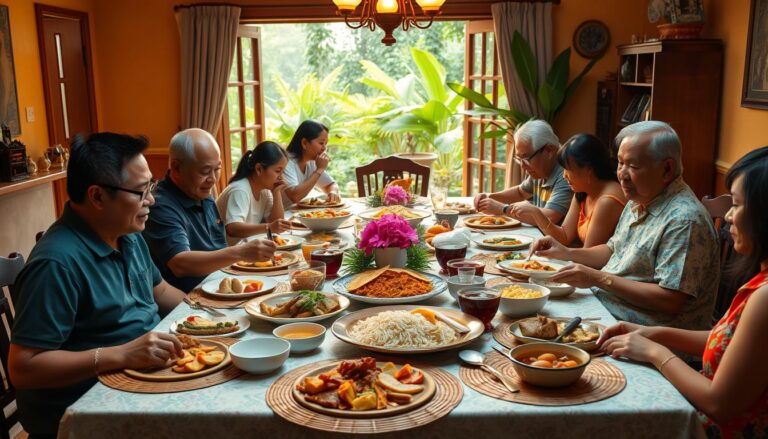
Food becomes a central part of the festival experience, offering both cultural immersion and budget flexibility. Your daily food choices can make the biggest difference in your overall spending.
Street Eats versus Western Options
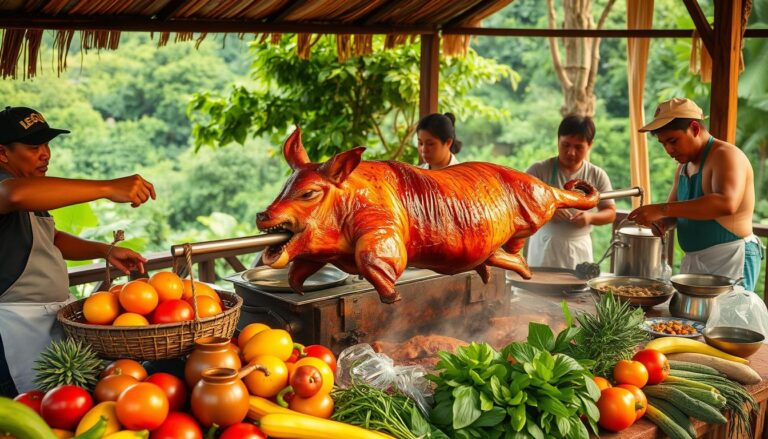
Local street vendors and carinderias offer authentic meals for just ₱70-150 ($1.25-$2.50). This is where you’ll find the most affordable food prices and genuine cultural experiences.
Western-style restaurants charge significantly more, with brunch prices around ₱250-450 ($4.50-$8) per person. Choosing local options keeps your daily food budget around $7.50 usd per person.
Meal Prices and Dining Out on a Budget
Travelers found budgeting $15 usd per day for two people worked well. This allowed for mixing local meal experiences with occasional Western treats.
For longer stays, grocery shopping offers excellent value. Basic food prices are remarkably low, making home cooking extremely economical. Monthly food costs around ₱35,000 ($612) provide comfortable eating per month.
During festivals, street food becomes even more prominent with special treats. This creates perfect opportunities for budget-friendly meal choices while enjoying the celebrations.
Tours and Activities: Experiencing Festivals and Local Adventures
Your adventure truly comes alive when you join the celebrations and explore the islands. These activities transform your trip from simply visiting to truly experiencing the culture.
Real traveler data shows incredible value for memorable experiences. Two people spent $806.53 over 60 days on tours. This included amazing things like a 4-day Balabac expedition at $264 per person.
Guided Tours and Cultural Experiences
During festival time, cultural tours offer deep immersion. Local guides charge ₱500-1,500 ($9-27 usd) for half-day experiences.
Many festival activities are completely free. You can join street dancing and religious processions without any costs.
Budget Tips for Island Hopping and Diving
Island hopping costs range from budget-friendly to premium. El Nido Tour A costs ₱1,800 (~$32 usd) while multi-day expeditions run higher.
For diving enthusiasts, individual trips cost around ₱3,200 (~$56). An expat who dives weekly budgets ₱12,000 monthly for this hobby.
Smart spending strategies include renting kayaks directly (₱500/~$9) instead of joining tours. Most travelers find activity-filled days average $15-30 per person.
Practical Budgeting Tips for the Savvy Traveler
Mastering your finances while enjoying vibrant celebrations requires smart planning and practical tools. Getting a clear picture of your daily spending patterns makes all the difference.
Daily Budget Breakdown and Expense Tracking
Real data shows two distinct approaches. Short-term visitors average $43.58 per day. Long-term residents spend about $72 per day.
When you’ve seen your money disappear quickly, tracking becomes essential. Successful travelers use simple phone apps or shared spreadsheets.
This budget guide approach helps you track everything need for accurate planning. Monthly averaging gives better results than day-by-day estimates.
| Expense Category | Traveler (Monthly) | Expat (Monthly) |
|---|---|---|
| Housing | $600-900 | $719 |
| Food & Dining | $350-500 | $612 |
| Transportation | $120-180 | $45 |
| Leisure Activities | $200-400 | $362 |
Money-Saving Apps and Local Payment Tips
GCash dominates mobile payments across the islands. It works everywhere from market vendors to festival entrances.
Always carry ₱20,000-25,000 in cash per month for small purchases. This covers fresh fruits and cash-only vendors.
Families of four typically manage on $2,000 per month excluding rent. Single travelers can budget around $600 per month. Building a $75-100 buffer handles unexpected expenses.
Other Essential Expenses and Hidden Costs
Beyond the excitement of street parades and island tours, smart budgeting requires attention to the less obvious financial details. These essential expenses can impact your plans, whether you’re visiting for a short celebration or considering a longer stay.
Proper planning for these items prevents budget surprises and ensures a smooth experience.
Insurance, Visa Fees, and Unexpected Extras
Travel insurance is a non-negotiable safety net. Services like SafetyWing offer coverage for around $52 per month.
This insurance has proven invaluable, covering major medical expenses for travelers. For long-term stays, private health insurance provides more comprehensive coverage.
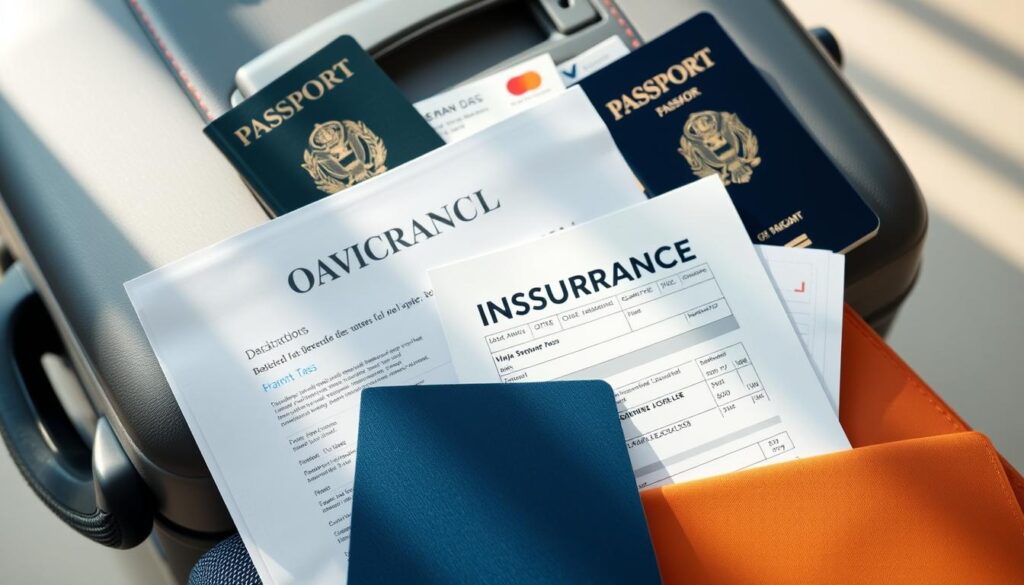
Visa fees are another significant upfront cost. A tourist visa for several months can cost around $300 usd.
Retirement visas involve higher application fees and deposits. You should expect to pay for these official requirements.
Utilities and Coworking Spaces for Digital Nomads
If you rent monthly, utility costs are quite reasonable. They typically total between $100 and $200 monthly.
| Utility | Average Monthly Cost (USD) |
|---|---|
| Electricity | $105 |
| Internet (200 Mbps) | $26 |
| Water & Gas | $29 |
Digital nomads will find coworking spaces affordable. Day passes start around $9, offering reliable internet.
Don’t forget small costs like entrance fees or scooter fuel. A 15-20% budget buffer covers these hidden expenses perfectly.
Real-Life Insights and Travel Stories from the Philippines
The most valuable budget insights often come from those who’ve actually walked the path you’re considering. Real stories transform numbers into meaningful guidance.
Personal Experiences and Actual Spending Data
One experienced traveler shared, “After five years of full-time travel, people always ask how I afford it… really, it’s just budgeting, priorities, and uncomfortable moments.” Their meticulous tracking revealed $5,229.75 over 60 days for two people.
This translates to $1,307.43 per person monthly. As they noted, “We never once felt like we were hardcore budgeting or missing out.” The experience shows what sustainable living philippines can look like.
Tips from Long-Term Travelers and Expats
A retiree in Panglao, Bohol explained how things have changed over the time they’ve spent there. “I’ve seen dramatic development,” they noted, yet philippines 2025 remains affordable.
Their monthly expenses of ₱124,500 (~$2,178) demonstrate comfortable cost living. Key advice includes booking accommodations early and building relationships with local people.
Exchange rates significantly impact budgets, so monitor them closely. Despite rising prices, the overall cost living remains favorable compared to Western countries.
Conclusion
You now possess the key to unlocking the Philippines’ most joyous events without budget anxiety. This comprehensive guide has provided a clear financial picture, from daily traveler expenses to comfortable monthly totals.
Whether you ‘re planning a short trip or a long-term stay, you have everything need to budget confidently. The archipelago stands out as one of the most affordable destinations in the world.
Even with island transport and peak-season stays, your expenses remain far lower than in many western countries. Smart strategies like early bookings and enjoying local cuisine make incredible festivals accessible.
While exchange rates will shift, the fundamental value proposition is strong. Your adventure here offers rich culture and stunning beauty at a price that makes it a truly remarkable journey.