Family Mealtime Traditions in Filipino Households
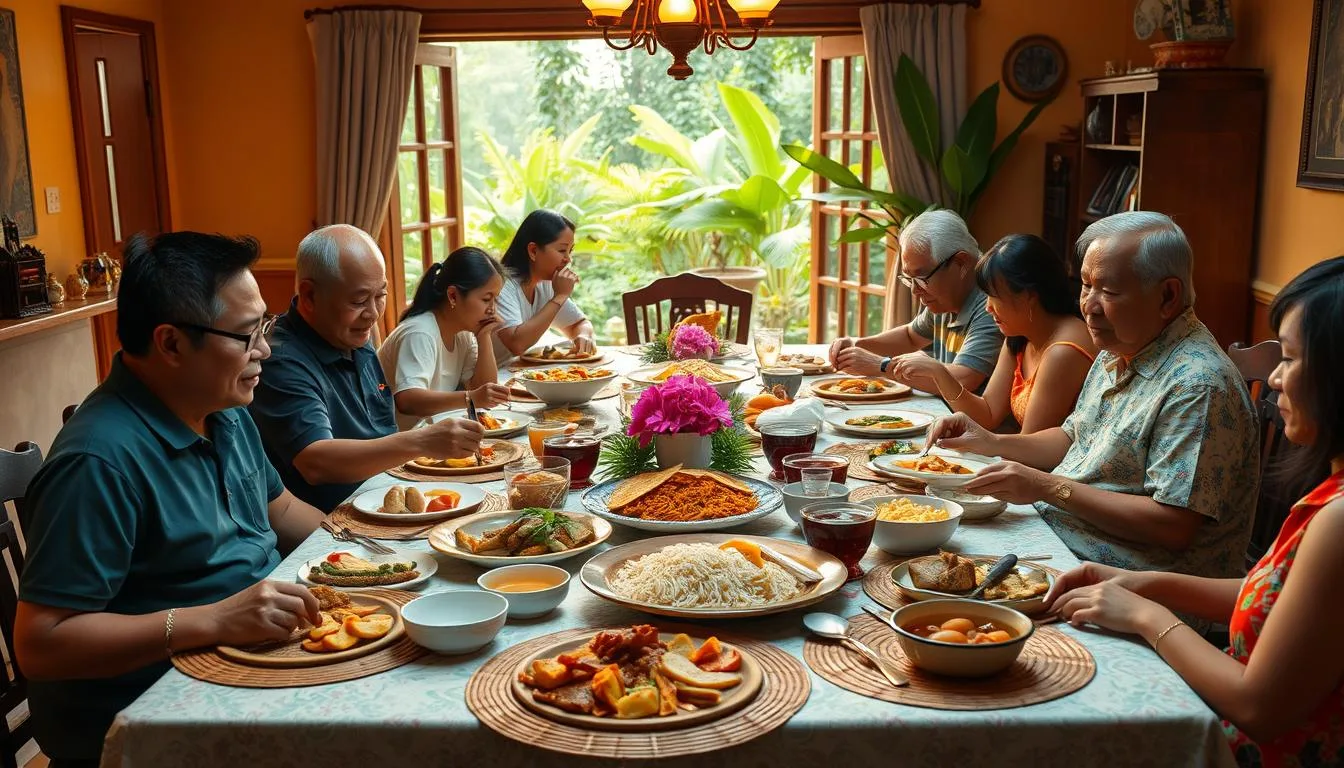
In the Philippines, a shared meal is never just about food. Family mealtime is where love, respect, and belonging are passed around the table along with the rice. From the call of “kain na” (come and eat) to the open invitation extended to any guest who happens by, Filipino meals are warm, communal, and full of tradition. This guide explores the customs that shape mealtime in Filipino households and why the family table sits at the very heart of the culture.
Rice at almost every meal
Salo-salo, shared family-style
“Kain na”, come and eat
Respect for elders (po and opo)
Kamayan, eating with the hands
Hospitality and togetherness
The table as the heart of the home
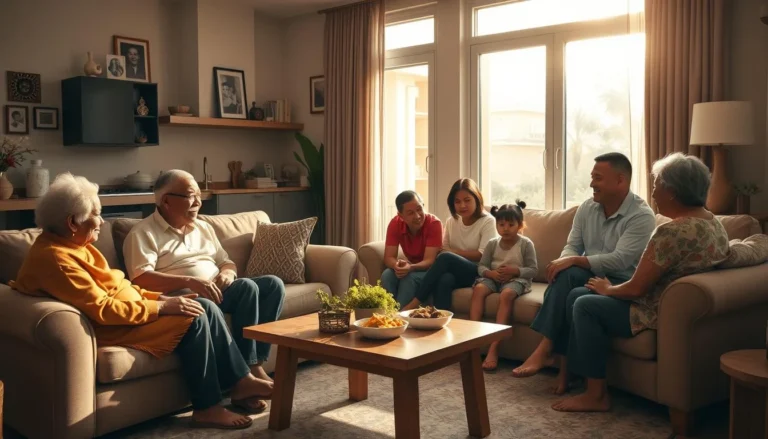
For Filipino families, the dining table is more than a place to eat; it is where the family reconnects at the end of the day. Meals are a time to share news, tease one another, settle small worries, and simply be together. Even in busy modern households, families make an effort to gather for at least one meal a day, and Sunday lunch after church is often sacred family time. This devotion to eating together reflects a culture that places family, pamilya, above almost everything else.
Salo-salo: sharing is everything
Filipino meals are built around salo-salo, the joyful act of sharing food. Dishes are almost never plated individually; instead they are set in the middle of the table for everyone to help themselves. A pot of rice anchors the meal, surrounded by shared platters of adobo, fish, vegetables, and soup. Everyone takes a little of everything, and the last piece on a plate is politely offered around rather than grabbed. This communal style turns every meal into an exercise in generosity and togetherness.
Rice at the centre of every meal
Rice is the foundation of the Filipino table, present at breakfast, lunch, and dinner. So central is it that many Filipinos do not feel they have truly eaten without it, and leftover rice becomes sinangag, the garlic fried rice of countless breakfasts. Every other dish, whether savoury, sour, or rich, is measured by how well it pairs with rice, the reliable partner that ties the whole meal together. To share rice is, in a sense, to share life itself.
Respect and hierarchy at the table
Mealtime is also a gentle lesson in respect. Filipino children learn early that elders come first, and small customs reinforce it.
- Elders are served first, and the family often waits for them before beginning.
- Children use po and opo when speaking at the table, marking politeness.
- The gesture of mano, taking an elder’s hand to the forehead, may greet grandparents arriving for a meal.
- Asking permission to leave, children may say “tapos na po” before excusing themselves.
- No one eats alone if it can be helped; waiting for others is a mark of care.
“Kain na”: the open invitation
Perhaps the most beautiful mealtime custom is the automatic invitation to share. When Filipinos are eating and someone arrives, whether a neighbour, a delivery rider, or a near-stranger, the instinct is to say “kain na” or “kain tayo” (let us eat). It is offered sincerely, and even when politely declined, it expresses a deep cultural truth: food is meant to be shared, and no one should feel left out. This reflex of hospitality is one of the most endearing traits of Filipino family life.
Kamayan and the boodle fight
Many treasured meals are eaten kamayan style, with the hands, which Filipinos say makes food taste even better. On special occasions this becomes the boodle fight, a feast spread over banana leaves down the length of a table, with rice, grilled meats, seafood, and vegetables piled up for everyone to eat together, standing shoulder to shoulder. There are no plates and no hierarchy, only shared abundance. Born as a military tradition of camaraderie, the boodle fight has become a joyful symbol of Filipino unity and equality at the table.
Celebrations and the fiesta table
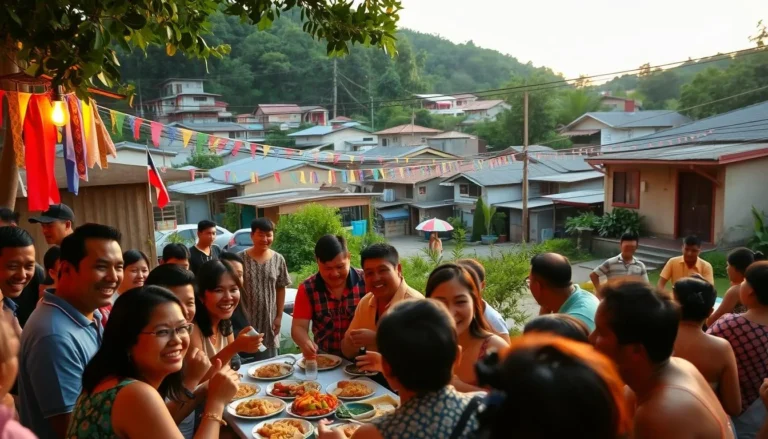
Filipino hospitality reaches its peak during celebrations. At a fiesta, birthday, or holiday, families cook far more than they could ever eat, precisely so there is plenty to share with every guest who comes. Tables groan with lechon, noodles for long life, sweet puto, and endless rice. Turning a visitor away hungry is unthinkable; the more mouths fed, the greater the blessing. These abundant tables show how Filipino mealtime values, sharing, respect, and warmth, scale up from the everyday family dinner to the grandest feast.
Keeping traditions alive across the world
For Filipino families in the United States, Canada, the United Kingdom, and Australia, mealtime traditions are a powerful link to home. Recreating a mother’s adobo, gathering for Sunday lunch, or teaching children to say “kain na” keeps identity alive far from the islands. Wherever Filipinos settle, the shared table travels with them, carrying the flavours, manners, and generosity of the homeland into new kitchens and new generations.
A typical day of Filipino meals
Filipino family life is punctuated by its meals, each with its own character, and rice is the constant thread running through them all.
| Meal | What it looks like |
|---|---|
| Almusal (breakfast) | Garlic fried rice, egg, and cured meats like tapa or longganisa |
| Tanghalian (lunch) | Rice with a main dish, vegetables, and often soup, shared family-style |
| Meryenda (snack) | Afternoon bites such as puto, banana cue, or pandesal with coffee |
| Hapunan (dinner) | The main gathering meal, when the whole family eats together |
The beloved meryenda, the mid-afternoon snack, deserves special mention. Far more than a quick bite, it is a cherished pause in the day for sharing sweets, savoury treats, and conversation, proof that in the Philippines almost any hour can become a reason to gather around food.
Lessons taught around the table
For Filipino children, the family table is a first classroom in values. Without ever being formal, meals teach lessons that last a lifetime: to respect elders, to share generously, to be grateful for what is on the plate, and to make room for one more guest. They learn patience by waiting for everyone to be served, humility by offering the last piece to others, and belonging by simply being there, night after night. In this way the ordinary act of eating together quietly passes down the heart of Filipino culture from one generation to the next.
More than a meal
In the end, Filipino mealtime traditions endure because they carry meaning far beyond nourishment. To sit down together is to say that family comes first; to offer a stranger a seat is to say that everyone matters; to wait for the elders is to say that respect still holds. In a fast-changing world, these customs anchor Filipino families in something steady and warm. That is why, whether around a modest weekday table in the provinces or a crowded fiesta spread abroad, the shared Filipino meal remains one of the truest expressions of who the Filipino people are.
Frequently Asked Questions
What is salo-salo?
Salo-salo is the Filipino tradition of sharing food family-style, with dishes placed in the middle of the table for everyone to enjoy together.
Why do Filipinos say “kain na”?
“Kain na” means “come and eat.” Filipinos instinctively invite anyone present to share their meal, a sign of the culture’s deep hospitality.
What is kamayan eating?
Kamayan is eating with the hands, often over banana leaves. On festive occasions it becomes a boodle fight, a shared feast eaten together without plates.
How do Filipino children show respect at meals?
They use polite words like po and opo, let elders eat first, and may perform the mano gesture to greet grandparents at the table.
Conclusion
Filipino family mealtime is a daily celebration of love, respect, and belonging. Around a table anchored by rice and open to every guest, families share not only food but the values that hold them together. It is one of the most beautiful expressions of Filipino culture, and one that continues to nourish families at home and around the world.