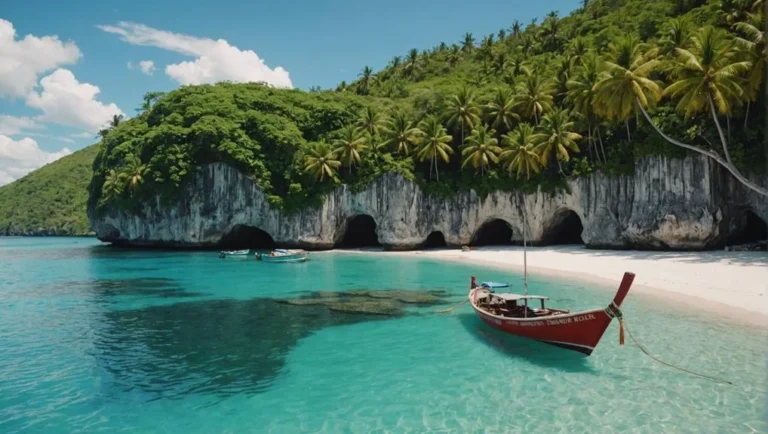
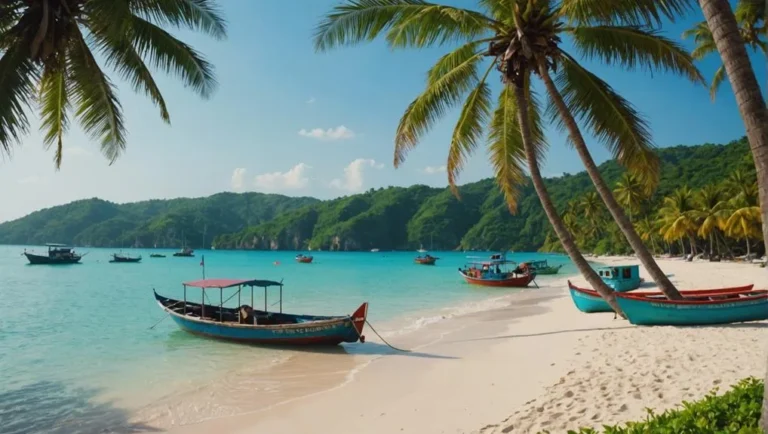
A Guide To Apo Island Philippines
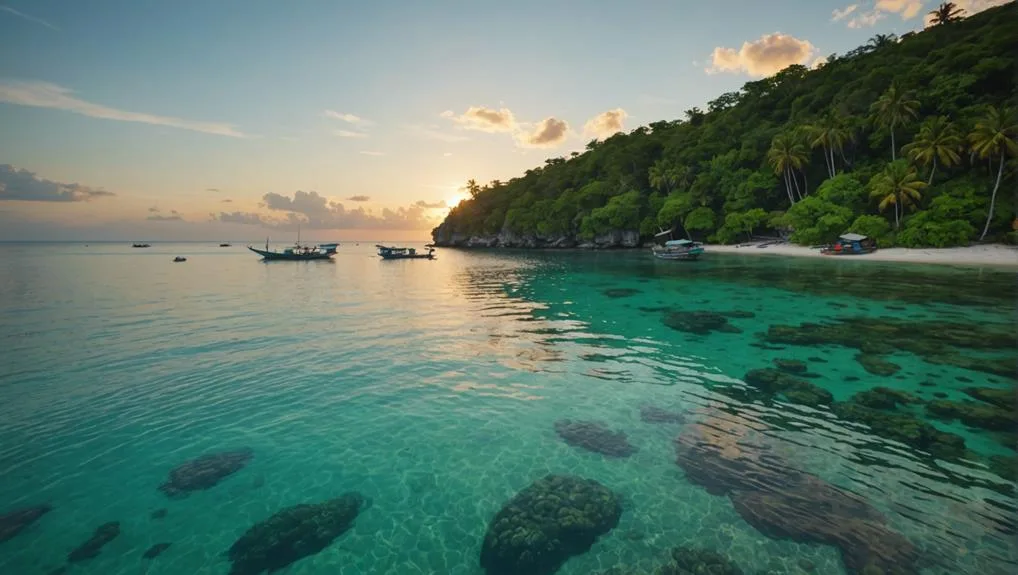
Have you ever dreamed of visiting a tropical paradise? Welcome to Apo Island in the Philippines! Best visited from December to May, this island is about a 30-minute boat ride from Malatapay, south of Dumaguete City.
Imagine snorkeling in crystal-clear waters, swimming with colorful fish and friendly sea turtles. Stay hydrated, snap amazing underwater photos, and choose from simple lodgings to beautiful beachfront resorts.
Dive into unforgettable adventures and discover the magic of Apo Island!
Apo Island Philippines At A Glance
| Category | Information |
|---|---|
| Location | Negros Oriental, Philippines |
| Coordinates | 9°04′53″N 123°16′20″E |
| Size | About 74 hectares of land; the protected area covers about 691 hectares of land and sea |
| Population | Around 1,000 residents (mostly fishermen and their families) |
| Accessibility | Accessed by boat from nearby Dumaguete City, Negros Oriental |
| Marine Sanctuary | Set up in 1982 as a community-managed no-take reserve with Silliman University; declared a protected landscape and seascape in 1994 (Proclamation No. 438) |
| Biodiversity | Home to over 650 species of fish and 400 species of corals |
| Marine Activities | Snorkeling, diving, swimming, turtle watching, and underwater photography |
| Dive Sites | Popular sites include Chapel Point, Katipanan, and Rock Point |
| Accommodation | Limited but available: beach resorts and guesthouses |
| Electricity | Power availability varies; confirm the current schedule with your accommodation |
| Water Source | Freshwater is sourced from the mainland via pipelines |
| Waste Management | Efforts in place for proper waste disposal and recycling |
| Conservation Efforts | Led by local community and supported by NGOs and government agencies |
| Environmental Threats | Overfishing, coral bleaching, pollution from nearby towns and tourist activities |
| Activities on Land | Hiking, exploring the island’s forests and viewpoints |
| Best Time to Visit | Dry season (November to April) for best underwater visibility and calm seas |
| Regulations | Visitors pay an entrance fee plus activity charges set by the Protected Area Management Board; a local guide is required for snorkelers and swimmers |
Best Time to Visit
To maximize your trip to Apo Island, plan your visit during the dry season from December to May when the weather is most favourable. This period is considered the best time to visit as you’ll avoid the typhoon season and the strong sea swells that can make water activities challenging. With clear skies and calm seas, it’s perfect for snorkelling, diving, and exploring the island’s natural beauty.
Apo Island is open year-round, but the dry season guarantees you’ll have the best experience with fewer disruptions. The island can get crowded during the summer months, weekends, and holidays, so if you prefer a quieter visit, consider planning your trip for weekdays or just outside the peak summer season. Early visits are also recommended as the mornings are generally calmer and more conducive to spotting wildlife.
One of the major attractions of Apo Island is the opportunity to encounter sea turtles. Because the turtles live and feed around the island, they can be seen throughout the year.
Getting to Apo Island
Getting to Apo Island is a straightforward journey that begins in Dumaguete City, Negros Oriental. From here, you have several transportation options to reach Malatapay Port, the main gateway to Apo Island. You can take a bus, hop on a habal-habal (motorcycle taxi), or rent a car for a more comfortable ride. The trip from Dumaguete City to Malatapay Port takes about 30-45 minutes.
Once you arrive at Malatapay Port, you’ll board a boat for a scenic 30-minute ride to Apo Island. To make the trip easier, book a boat or tour in advance through your resort or a dive shop. These tours often include round-trip transportation, which can make your journey smoother and more organized.
Here’s a quick guide to your transportation options:
| Transportation Option | Description |
|---|---|
| Bus | Affordable, regular service from Dumaguete to Malatapay Port. |
| Habal-Habal | Motorcycle taxi; faster but less comfortable. |
| Car Rental | Comfortable and flexible, ideal for groups. |
The boat ride to Apo Island offers breathtaking views and sets the stage for the natural beauty you’ll encounter at the Apo Island marine reserve. Upon arrival, you’ll find several dive shops ready to equip you with snorkelling or diving gear essential for exploring the vibrant underwater world teeming with marine life.
Don’t forget your travel essentials: cash, sun protection, extra clothes, and, if you’re a snorkeling enthusiast, your own gear. By planning ahead and booking tours in advance, you’ll make sure your visit to Apo Island is as enjoyable and stress-free as possible.
Things to Pack
Packing the right essentials can make your adventure on Apo Island both seamless and unforgettable. The island’s vibrant marine life and breathtaking scenery await, but to fully enjoy your visit, you’ll need to be well-prepared. Here’s a guide to help you pack efficiently and make sure you have everything you need for a fantastic experience.
First and foremost, bring your snorkeling gear. Apo Island is renowned for its pristine waters and rich marine biodiversity, making snorkelling an absolute must. If you plan to dive deeper into the underwater wonders, consider bringing or renting the necessary diving equipment.
Don’t forget an action camera to capture the mesmerizing moments you’ll encounter, from playful sea turtles to colorful coral reefs. This way, you can relive your island adventures and share them with friends and family.
Staying hydrated is essential, so pack plenty of water. The island’s tropical climate can be quite intense, and you’ll want to make sure you’re well-hydrated, especially after engaging in physical activities like snorkeling or hiking.
Sun protection is a must. Bring a high-SPF sunscreen, a wide-brimmed hat, and sunglasses to shield yourself from the sun’s harsh rays. The tropical sun can be unforgiving, and you don’t want a sunburn to ruin your trip.
Here’s a quick checklist to guide your packing:
- Snorkeling gear: For exploring the vibrant marine life.
- Action camera: To capture unforgettable moments.
- Water: Stay hydrated in the tropical climate.
- Sun protection: Sunscreen, hat, and sunglasses.
Lastly, pack some extra clothes. Whether you get wet from water activities or need a change after a long day exploring, having extra clothes will keep you comfortable.
Where to Stay
When planning your stay on Apo Island, you’ll find a range of accommodation options that cater to different preferences, from basic lodgings to charming beachfront resorts. Whether you’re looking for a budget-friendly experience or a more luxurious escape, Apo Island has something for everyone.
Accommodation Options on Apo Island
| Type | Description | Ideal For |
|---|---|---|
| Basic Lodgings | Simple, no-frills rooms with essential amenities. | Budget travelers |
| Beachfront Resorts | Stunning views, comfortable rooms, and direct beach access. | Couples and families |
| Day Tours | Visits without an overnight stay. | Short-term visitors |
If you prefer more variety in dining and nightlife, consider staying in Dauin, Zamboanguita, or Dumaguete City. These locations offer a broader selection of restaurants and are just a short boat ride away from Apo Island, making day tours convenient.
Power availability can vary by accommodation and local conditions. Ask your lodging about its current electricity schedule and backup power before arrival, and bring a charged power bank if you need dependable device access.
To secure your stay in Apo Island, it’s wise to book accommodation in advance. Hotel concierge services can make this process smoother, ensuring you get the best options available. By planning ahead, you can avoid the disappointment of fully-booked lodgings, especially during the peak season.
Whether you choose basic lodgings or beachfront resorts, your stay on Apo Island promises to be memorable. The serene environment, coupled with the island’s unique charm, makes it a perfect getaway. So pack your bags, and get ready for an unforgettable experience!
Top Activities
On Apo Island, snorkeling with sea turtles is the main draw for most visitors. Green and hawksbill turtles forage in the shallows, and you can swim near them with a required local guide. Imagine gliding through crystal-clear waters, surrounded by vibrant coral reefs teeming with marine life.
For diving enthusiasts, Apo Island is a paradise. With over 10 dive sites, you can explore stunning coral formations and encounter a diverse array of marine species. Whether you’re into macro diving or prefer to see schools of bigger fish, the underwater world here won’t disappoint.
Day trips to Apo are perfect for those looking to experience the island’s beauty without committing to an overnight stay. These excursions often include guided snorkeling or diving tours, ensuring you make the most of your visit. You’ll have a chance to:
- Swim with the turtles: Snorkel near them with a local guide, without touching them or entering the buoyed feeding area.
- Explore vibrant coral gardens: Witness the array of colors and intricate formations of the island’s coral reefs.
- Encounter diverse marine life: From tiny nudibranchs to larger pelagic fish, the diversity is astounding.
- Enjoy the volcanic island’s clear waters: Perfect for swimming, snorkeling, and simply relaxing.
Snorkeling with Turtles at Apo Island
Two species of sea turtle use Apo Island’s reefs: the green sea turtle (Chelonia mydas) and the hawksbill turtle (Eretmochelys imbricata).
Researchers from the Large Marine Vertebrates Research Institute Philippines (LAMAVE) had identified more than 200 individual turtles around the island by March 2020, and about 90 percent were green turtles. They forage in shallow water near shore and live here year-round, so snorkelers can see them without diving deep.
Rules for Visitors
The turtle area sits inside the Apo Island Protected Landscape and Seascape, and its Protected Area Management Board (PAMB) sets the rules and fees. A 2017 Philippine News Agency report described these rules:
- A local guide is required for snorkelers and swimmers. Guides brief you before you enter the water.
- Do not touch the turtles.
- Do not stand on or touch coral.
- Stay out of the turtle feeding area marked off with white buoys.
LAMAVE says it helped the PAMB draft newer turtle guidelines and zoning. Published sources do not list a set distance in metres, a rule on fins or a daily visitor cap, so follow the instructions your guide gives at the briefing and use reef-safe sunscreen.
| Rule | What it means for you |
|---|---|
| Guide required | Budget for a guide fee and stay with your guide in the water |
| No touching | Watch and photograph from where you float, and let turtles move away |
| Coral protection | Do not stand, kneel or rest on the reef |
| Buoyed feeding area | Swim only in the zone your guide shows you |
How a Turtle Snorkel Works
Most visitors cross on a motorized boat from Malatapay in Zamboanguita, a ride of about 30 minutes, or join a day trip run by a resort or dive shop in Dauin. On arrival you register, pay fees, meet your guide and rent gear if needed.
The 2017 report listed approximate charges of PHP 100 for general admission, PHP 300 for a guide serving up to five people, PHP 100 for a mask and snorkel, and PHP 200 for a life jacket.
A May 2026 Negros Now report quoted a dive operator putting the diver fee at about PHP 300. Treat every amount as approximate and confirm current rates on arrival. Start early to leave time for the briefing and swim before the return crossing; boats may not sail in rough seas.
Why the Turtles Are Here
In 1982, marine scientist Angel Alcala and the Silliman University Marine Laboratory worked with Apo fishers to set aside a no-take reserve of about 10 hectares, which Alcala described as the country’s first community-based reserve.
On August 9, 1994, Proclamation No. 438 declared the island and its waters a protected landscape and seascape of about 691 hectares under the NIPAS Act. A PAMB chaired by the DENR Region 7 director manages it, with the Apo community as a member. After typhoons damaged the reef in 2011 and 2012, turtle watching grew in importance.
Travel Tips
As you plan your underwater adventures on Apo Island, keep these travel tips in mind to guarantee a smooth and enjoyable trip. First, it’s wise to book your tours in advance, especially during peak seasons. The island’s dive sites and marine reserve are popular, and early reservations help secure you won’t miss out on the best snorkeling and diving spots.
Packing a waterproof bag is a must. It’ll protect your valuables while you’re enjoying the water activities. Don’t forget to bring reef-safe sunscreen to help preserve Apo Island’s stunning coral reefs and marine life. Staying in the Dauin area offers easy access to Apo Island’s dive sites and a variety of accommodations to suit your needs.
Coordination with local boatmen is essential. They can provide valuable travel tips and ensure smooth transportation back to the mainland. Departing at the right time can make all the difference in avoiding the midday rush and ensuring a pleasant journey.
Here’s a quick reference table to help with your planning:
| Travel Tip | Description |
|---|---|
| Book in Advance | Secure spots for diving/snorkeling, especially during peak seasons |
| Waterproof Bag | Protect personal belongings during water activities |
| Reef-Safe Sunscreen | Preserve marine life and coral reefs |
| Stay in Dauin | Convenient access to dive sites and various accommodations |
| Coordinate with Boatmen | Ensure smooth transportation and avoid rush hours |
Interesting Facts About Apo Island Philippines
- 🏝️ Apo Island is a tiny island located in the Philippines, with about 74 hectares (0.74 square kilometers) of land.
- 🐠 Despite its small size, Apo Island is renowned for its exceptional marine biodiversity, boasting over 650 documented species of fish and 400 species of coral.
- 🌱 The island’s coral reefs have been protected since the 1980s, thanks to the efforts of the local community and their establishment of a marine reserve.
- 🐢 Apo Island’s shallow reefs are a feeding ground for green sea turtles (Chelonia mydas) and hawksbill turtles (Eretmochelys imbricata); researchers had identified more than 200 individual turtles by March 2020, about 90 percent of them green turtles.
- 🧗♀️ The island’s rugged terrain and steep slopes make it a challenging destination for hiking enthusiasts, offering stunning views of the surrounding seas.
- 🌊 Apo Island is known for its strong currents, making it a popular spot for experienced divers and snorkelers seeking an adrenaline-fueled adventure.
- 🏚️ The island has a small community of around 1,000 residents, who primarily rely on fishing and tourism for their livelihoods.
- 🏘️ Despite its remote location, Apo Island has a well-developed eco-tourism infrastructure, with several resorts and dive operators catering to visitors.
- 🌴 The island’s lush vegetation is dominated by coconut palms, providing a picturesque tropical setting for visitors.
- 🏆 On August 9, 1994, Proclamation No. 438 declared Apo Island and its surrounding waters a protected landscape and seascape of about 691 hectares under the NIPAS Act.
What are the similarities and differences between Apo Island and Samal Island in the Philippines?
Apo Island and Samal Island Philippines both offer stunning beaches, crystal-clear waters, and vibrant marine life for snorkeling and diving. However, Apo Island is more renowned for its marine sanctuary and sea turtle population, while Samal Island is famous for its beach resorts and the majestic Hagimit Falls.
Frequently Asked Questions
Is Apo Island Worth Visiting?
Apo Island is worth visiting for its community-supported marine conservation, coral reefs, sea turtles, and rich reef life. The Department of Tourism reports more than 400 coral species around the island.
How Do I Go to Apo Island, Philippines?
To get to Apo Island, fly to Dumaguete from Manila, then take a bus, habal-habal, or car rental to Malatapay Market. From there, catch a 30-minute boat ride. Enjoy the journey and stunning marine life!
What Is Apo Island Famous For?
Apo Island is famous for its marine sanctuary, community-based conservation, coral gardens, and sea turtles. The Department of Tourism reports more than 400 coral species, alongside diverse reef fish and other marine life.
Can You Stay on Apo Island?
Yes, you can stay on Apo Island. Accommodation is limited, and electricity arrangements vary, so confirm the current power schedule, inclusions, and transfer details directly with your lodging before booking.
Can you swim with turtles at Apo Island?
Yes. Green and hawksbill turtles forage in the shallow water around Apo Island, and you can snorkel near them with a local guide, which the Protected Area Management Board requires for snorkelers and swimmers. Do not touch the turtles, stand on coral or enter the buoyed turtle feeding area, and follow your guide’s briefing.
How much does it cost to snorkel at Apo Island?
Fees are set by the Apo Island Protected Area Management Board and change over time. A 2017 Philippine News Agency report listed about PHP 100 for entrance, about PHP 300 for a guide serving up to five people, and separate charges for mask, snorkel and life jacket rental. Boat transfers from Malatapay or a Dauin day trip cost extra unless your package includes them, so confirm current rates before you go.
Conclusion
As your adventure on Apo Island wraps up, you’ll leave with amazing memories and tons of great photos. You’ll remember snorkelling with sea turtles, relaxing on beautiful beaches, and exploring the island’s natural beauty.
By respecting the island and following the guidelines, you’re helping to keep it magical for others. So, pack up, enjoy the journey, and let Apo Island’s charm stay with you forever.
What was your favourite part of your visit? Share your experiences on our Facebook Page, and don’t forget to explore more about this incredible destination!