Festivals in the Philippines: Complete Guide by Month
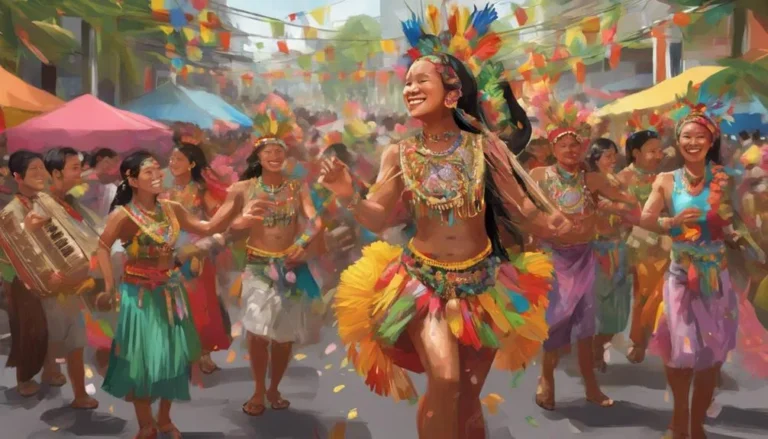
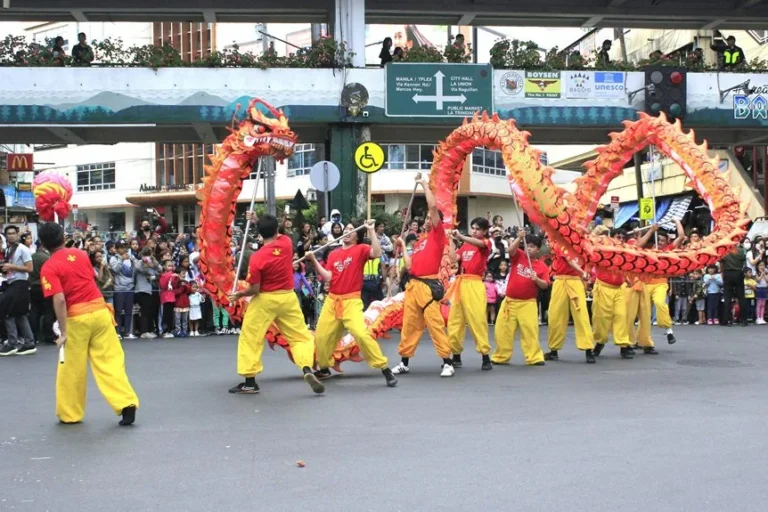
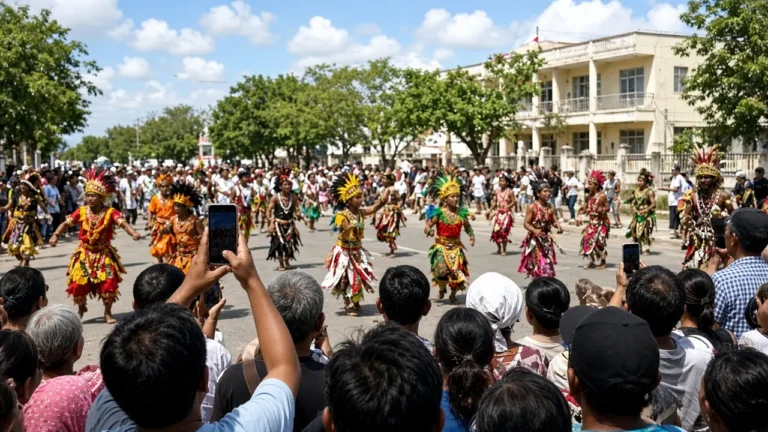
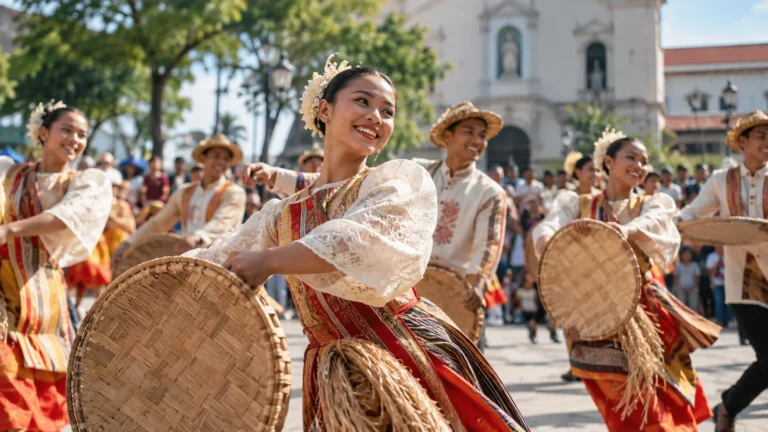
Festivals in the Philippines follow local calendars, not one national template. Some honour a Catholic patron, some mark a city’s founding or harvest, and others celebrate craft, history, or cultural identity.
A useful complete guide therefore answers the traveler’s main question first: which celebration happens in which month, what it is for, and which details you must confirm with the host city, parish, or festival body before you book.
This page is a month-by-month planning calendar for Luzon, the Visayas, and Mindanao. Timing patterns below are for orientation. Exact programmes, routes, admission rules, and road closures belong to a named edition. When unsure, confirm with the host city or parish.
Key facts
- Philippine festivals are local: church, LGU, and festival foundations often publish separate calendars.
- Fixed feast dates (example: Pahiyas on 15 May) can stay stable while civic side events change.
- Sunday rules control several January Santo Niño peaks: third Sunday for Cebu and Kalibo, fourth Sunday for Iloilo.
- Holy Week observances such as Moriones move between March and April with the church calendar.
- For 2026, Bacolod City set MassKara for 1 to 18 October, with major highlights announced for 16 to 18 October; organisers said schedules can still change.
- Albay cancelled Magayon Festival 2026 and redirected festival funds to assistance programmes.
Philippine festivals by month at a glance
| Month | Documented example | Place | Timing pattern | Confirm with |
|---|---|---|---|---|
| January | Sinulog, Ati-Atihan, Dinagyang; Jesus Nazareno | Cebu, Kalibo, Iloilo; Quiapo | Third and fourth Sundays; 9 January | Basilica, Kalibo LGU, Iloilo organisers, Quiapo shrine |
| February | Panagbenga | Baguio City | Annual February programme | Baguio Flower Festival Foundation |
| March or April | Moriones | Marinduque | Holy Week (movable) | Provincial and municipal LGU; parish |
| April | Bangus Festival | Dagupan City | City programme by edition | Dagupan City Government |
| May | Pahiyas | Lucban, Quezon | 15 May feast of San Isidro Labrador | Quezon Provincial Government; Lucban |
| June | Pintados-Kasadyaan | Leyte | June festival season | Provincial organisers |
| July | Sandugo; T’nalak | Bohol; South Cotabato | Provincial July programmes | Bohol tourism; South Cotabato LGU |
| August | Kadayawan | Davao City | Annual August programme | Davao City Government |
| September | Peñafrancia | Naga City | September religious and civic cycle | Naga City; Archdiocese |
| October | MassKara | Bacolod City | October window set per edition | Bacolod City / MassKara organisers |
| November | Higantes | Angono, Rizal | Around 23 November feast of San Clemente | Angono and Rizal authorities |
| December | Giant Lantern Festival | City of San Fernando, Pampanga | Christmas-season competition | City of San Fernando |
At a glance
| Aspect | Detail |
|---|---|
| What | A month-by-month calendar hub for Philippine festivals with timing patterns and confirmation points |
| Where | Nationwide examples from Quiapo and Cebu to Davao, Bacolod, Naga, and San Fernando |
| Usual timing cue | Fixed feast days where stated; civic windows that move yearly are labelled as confirm-with-host |
| Who to confirm | The parish, shrine, city, province, or festival foundation named in each month row |
| Best for | Planning a trip year around festival goals before opening the named city guides |
This table is a planning index, not a permanent schedule. Local governments can move competitions, venues, or festival periods for safety or operations. A patronal feast date may remain while the surrounding civic programme changes. For types and history rather than month planning, see the festivals overview.
How Philippine festival dates actually work
Three timing patterns appear again and again. First, a fixed feast date anchors the celebration, as 15 May does for Pahiyas and San Isidro Labrador.
Second, a Sunday rule controls the culmination: Cebu’s Fiesta Señor and Kalibo’s Ati-Atihan customarily peak on January’s third Sunday, while Dinagyang follows on the fourth Sunday.
Third, a city or foundation can approve a different run of civic activities each year, as Bacolod does for MassKara.
Religious and civic calendars may overlap without being identical. A parish, basilica, or shrine directs Masses, novenas, and processions. A city, foundation, or festival council may manage street competitions, trade fairs, and concerts. Check the authority responsible for the activity you want, not one recycled poster.
Confirm-host rule: If a blog lists a day-by-day programme without naming the year and the issuing office, treat it as background only. Ask the host city, parish, or official festival page for the edition you will attend.
January to April: Santo Niño peaks, Holy Week, and coastal food
January
January concentrates major Christian observances. Quiapo’s Jesus Nazareno feast falls on 9 January. Cebu’s Fiesta Señor and Kalibo’s Ati-Atihan customarily culminate on the third Sunday. Dinagyang in Iloilo City customarily reaches its main weekend on the fourth Sunday.
In 2026, the third Sunday fell on 18 January, matching Basilica and civic Sinulog programmes that year. You usually cannot attend both Cebu and Kalibo on their principal Sunday.
Use the January festivals guide for a Sinulog vs Ati-Atihan vs Dinagyang chooser, plus deeper pages on Sinulog, Ati-Atihan, and Dinagyang.
February
Panagbenga is Baguio’s flower festival. The Baguio Flower Festival Foundation traces the idea to 1995, first staging to 1996, and the name Panagbenga to 1997. February is the reliable month-level guide; parade dates need the foundation’s current calendar. See the Panagbenga guide and February festivals.
March or April
Moriones in Marinduque moves with Holy Week. Masked figures in Roman soldier dress appear in municipalities such as Boac, Mogpog, and Gasan. The observance belongs to a Lenten religious setting, not a costume party. Confirm dates with provincial and municipal notices. Read the Moriones guide before booking island transport.
April
Dagupan’s Bangus Festival highlights the city’s milkfish industry. Recent editions have placed major events in April, but competition dates belong only to the city’s current release. Pair planning with the Bangus Festival guide and, if relevant, the Hundred Islands page for nearby coastal context.
May to August: harvest, Leyte, Sandugo, T’nalak, Kadayawan
Pahiyas in Lucban, Quezon, connects with the 15 May feast of San Isidro Labrador. Homes display produce, craft, and colourful kiping. Houses remain private: stay on public routes and do not touch displays. Confirm access with Quezon Provincial Government notices and use the Pahiyas guide.
June brings Pintados-Kasadyaan in Leyte, associated with Santo Niño devotion and municipal contingents. Verify venues through provincial organisers.
July includes Bohol’s Sandugo, commemorating the 1565 blood compact, and South Cotabato’s T’nalak Festival tied to the provincial anniversary and Tboli textile culture. Buy textiles from credible makers and avoid treating sacred-looking motifs as costume. See Sandugo and T’nalak.
August’s Kadayawan in Davao City is a thanksgiving for cultural communities and agricultural abundance. City history traces a modern predecessor, Apo Duwaling, to 1986 and the Kadayawan name to 1988. Ask before photographing people or cultural objects. Continue with the Kadayawan guide.
September to December: Peñafrancia, MassKara, Higantes, lanterns
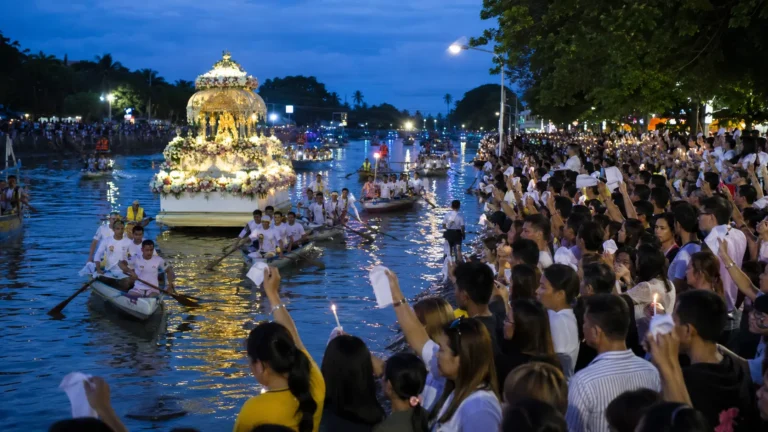
Naga’s Peñafrancia cycle includes Traslacion, novenas, and a fluvial procession on the Naga River. Use Naga City’s dated schedule for the year you attend and follow church direction at shrines and procession areas. See the Peñafrancia guide.
MassKara in Bacolod began in 1980 as a civic festival of smiling masks during hard years in the sugar industry.
For 2026, Bacolod City and organisers announced a festival window of 1 to 18 October, with major highlights described for 16 to 18 October at the September launch; earlier city notices also mentioned pre-MassKara activity and a later closing or awarding date.
Treat those as announced windows, then recheck official MassKara channels. Full planning lives on the MassKara Festival page.
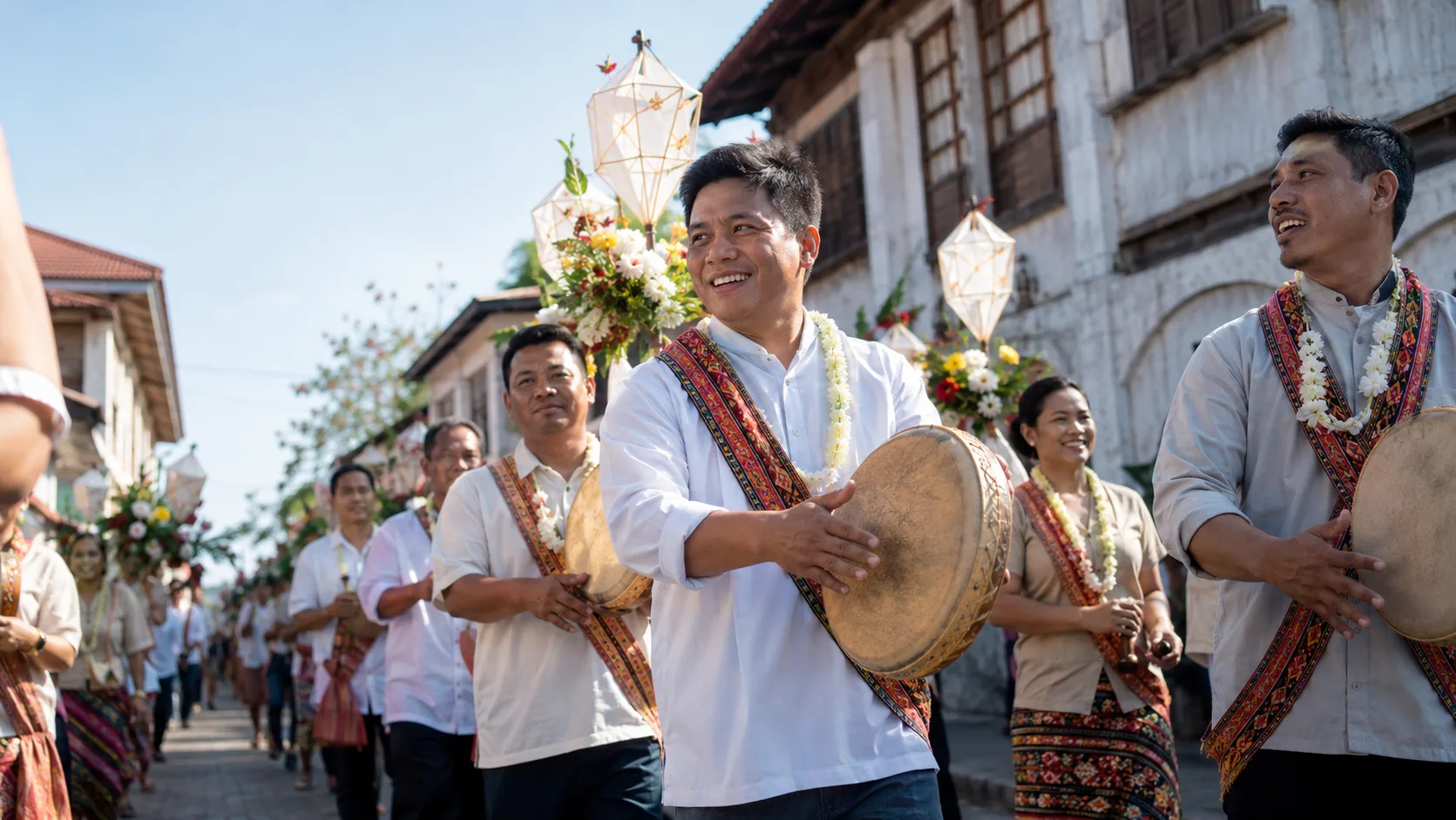
November’s Higantes Festival in Angono, Rizal, connects with the 23 November feast of San Clemente and giant papier-mâché figures. December’s Giant Lantern Festival in the City of San Fernando, Pampanga, is a Christmas-season barangay competition of large collaborative lanterns.
Sources differ on early tradition dates (often 1904 or 1908), so record the discrepancy rather than inventing a single founding year. See Higantes and the Giant Lantern Festival guides.
Traveler comparison: choose by travel goal
| If you want… | Strong month matches | Notes |
|---|---|---|
| Major Santo Niño devotion and street energy | January (Cebu, Kalibo, or Iloilo) | Pick one third-Sunday peak; add Dinagyang on the fourth Sunday if schedules allow |
| Cooler highland floral floats | February (Baguio) | Confirm parade days with the foundation |
| Lenten masked tradition | Holy Week (Marinduque) | Movable; approach as religious observance |
| Harvest house displays | 15 May (Lucban) | Respect private homes |
| Mindanao thanksgiving and cultural communities | August (Davao) | Follow community guidance on photos and names |
| Masked civic carnival | October (Bacolod) | 2026 window announced; confirm venues yearly |
| Christmas light craft competition | December (San Fernando) | Competition rules change by edition |
Practical planning workflow
- Begin with customary timing from this calendar, not a flight date.
- Find a notice that clearly names the year and the issuing office.
- Separate organisers: church for worship, LGU or foundation for competitions.
- Confirm transport after dates, and leave recovery time around peak days.
- Choose lodging by walking access once closure maps appear.
- Prepare for heat, rain, dense crowds, and limited phone signal in packed streets.
- Agree on a meeting point outside the busiest corridor.
Etiquette that works in every month
- Ask before close portraits, especially during prayer or dressing for performance.
- Do not touch sacred images, household decorations, masks, lanterns, textiles, or props.
- Keep procession lanes and emergency corridors clear.
- Do not darken skin or imitate Indigenous identity as a costume.
- Support local makers without treating a working stall as a photo set.
- Ask organisers about accessible viewing, toilets, and medical posts.
For the meaning of town celebrations themselves, read what fiestas are. Regional deep dives include festivals in Bicol and festivals in Pampanga.
Quick summary
What are the main festivals in the Philippines by month?
Use January for Santo Niño celebrations in Cebu, Kalibo, and Iloilo; February for Panagbenga in Baguio; Holy Week for Moriones in Marinduque; May for Pahiyas in Lucban; August for Kadayawan in Davao; September for
Peñafrancia in Naga; October for MassKara in Bacolod; November for Higantes in Angono; and December for the Giant Lantern Festival in San Fernando.
Are dates fixed every year? Not always: fixed feasts can stay stable, but Sunday rules, Holy Week, and civic programmes need a current official calendar. Where should travelers verify schedules?
Confirm with the host city, parish or shrine, and any named festival foundation for the year you plan to attend.
Book-ahead by festival (planning level, not a price list)
Use this table as a booking mindset, not as a fare sheet. Do not lock non-refundable travel until a notice names the year and the issuing office. For Santo Niño peaks, choose one third-Sunday city first.
Confirm every edition with the host LGU, parish, shrine, or festival foundation, and check Tourism Promotions Board event pages when they publish a current listing.
| Festival cluster | Usual timing cue | Book-ahead mindset | Confirm with |
|---|---|---|---|
| Quiapo Jesus Nazareno | 9 January | Treat as its own Manila crowd plan; lodging near the shrine corridor fills early around the feast | Quiapo shrine programme for the year |
| Sinulog / Fiesta Señor (Cebu) | Third Sunday of January | Reserve Cebu season rooms early; lock the parade weekend only after the Sinulog Foundation posts venue and route | Sinulog Foundation; Basilica Minore del Santo Niño |
| Ati-Atihan (Kalibo) | Third Sunday of January | Book Kalibo for the season; do not treat the same Sunday as a second Cebu peak | Municipality of Kalibo / festival board; parish; TPB listing when updated |
| Dinagyang (Iloilo) | Fourth Sunday of January | Can follow Cebu or Kalibo if you leave a transfer and recovery day; confirm tribes venues and tickets yearly | Iloilo Festivals Foundation Inc. (IFFI); Iloilo City; parish |
| Panagbenga (Baguio) | February programme | Parade days need the foundation calendar; highland lodging demand rises on float weekends | Baguio Flower Festival Foundation |
| Moriones (Marinduque) | Holy Week (movable) | Confirm island transport after the church calendar is known for that year | Provincial and municipal LGU; parish |
| Pahiyas (Lucban) | 15 May | Feast date is stable; access rules and house routes still need that year’s municipal notice | Lucban / Quezon notices |
| Kadayawan (Davao) | August programme | City programme and venues change by edition; book after the city posts the window | Davao City Government |
| Peñafrancia (Naga) | September cycle | Traslacion and fluvial days need the dated Naga / Archdiocese schedule | Naga City; Archdiocese |
| MassKara (Bacolod) | October window set per edition | For 2026, organisers announced 1 to 18 October with mid-October peaks; still recheck venues | Bacolod City / MassKara organisers |
| Giant Lantern (San Fernando) | December Saturday pattern | Do not book a guessed Saturday; wait for the City of San Fernando night and ground | City of San Fernando tourism / festival notice |
Stronger confirm-host rule: Prefer a notice that names the year and the office (city, municipality, province, parish, shrine, basilica, or festival foundation). Tourism Promotions Board event pages help with customary timing. They do not replace a local road-closure map or Mass schedule. If a blog lists prices, attendance, or routes without that year’s host name, treat it as background only.
Luzon, Visayas, and Mindanao: transport and lodging planning strip
These strips are planning habits, not route maps. Travel times change with weather, closures, and feast crowds. Ask operators and the host LGU for the edition you will attend.
Luzon
- Metro Manila feast days (Quiapo): Plan walking access and bag rules from the shrine notice. Do not rely on a car inside the densest procession blocks.
- Highland February (Baguio / Panagbenga): Most visitors use land travel from lowland Luzon. Confirm bus or private-hire options with current operators; there is no commercial airport inside Baguio City itself.
- Central Luzon December (San Fernando lantern night): North Luzon Expressway (NLEx) access into San Fernando is the usual road pattern from Metro Manila. Contest night traffic near mall grounds can be heavy; confirm the year’s venue.
- Lodging habit: Choose walking access to the church plaza, parade street, or named venue once the host posts closures. Refundable rooms help when civic dates still move.
Visayas
- Cebu (Sinulog): Fly into Cebu’s main airport gateway, then plan hotel zones for Basilica access versus grand-parade viewing. Confirm road closures with the Sinulog Foundation and city traffic office for that year.
- Kalibo (Ati-Atihan): Kalibo International Airport (KLO) is the near-town gateway. Caticlan (Godofredo P. Ramos Airport) mainly serves Boracay transfer patterns and needs a separate land link to Kalibo. Confirm current transfer options; fares change, so confirm current transfer options.
- Iloilo (Dinagyang): Use Iloilo’s airport or port links, then lodging near downtown stages or Freedom Grandstand corridors once venues are posted. See the Dinagyang guide and things to do in Iloilo City.
- Bacolod (MassKara): Lodging along Lacson / downtown corridors is a common planning choice for Electric MassKara and plaza events. Confirm 2026 venues again before you choose a block.
- Lodging habit: January Santo Niño weekends and October MassKara peaks raise demand. Book the season early; lock the exact festival night after the host posts the map.
Mindanao
- Davao (Kadayawan): Use Davao’s airport gateway, then city lodging near the published Indak-Indak or float corridors for that edition.
- South Cotabato (T’nalak) and other provincial feasts: Confirm provincial anniversary programmes with the LGU. Do not treat a tourism blurb as a road map.
- Lodging habit: Ask hosts about walking access, photo rules for cultural communities, and any ticketed viewing before you prepay.
Live Festive Pinoy hubs to open next
Keep this calendar as the month index. Open a hub or marquee guide for the trip you actually book:
- January festivals chooser (Sinulog, Ati-Atihan, Dinagyang, Quiapo)
- Sinulog, Ati-Atihan, Dinagyang
- MassKara, Giant Lantern Festival
- Festivals in Bicol, Festivals in Pampanga
- What are fiestas for etiquette and invitation norms
- Island hubs for Luzon, Visayas, and Mindanao: add links here when those URLs are live; add links when those hubs are live
FAQ
Are Philippine festival dates the same every year?
Not always. Fixed feast dates can remain stable, but Sunday-based observances, movable Holy Week rites, and civic programmes require a current official calendar from the host organisers.
Which month has the most famous festivals?
January is especially dense because of Quiapo’s 9 January observance and the Santo Niño celebrations in Cebu, Kalibo, and Iloilo. Other months have equally important local festivals; density is not the same as a ranking.
Where should I verify a Philippine festival schedule?
Use the relevant city, municipal, or provincial government, the responsible church or shrine for religious rites, and the official festival foundation where one exists. Confirm that the notice names the year you plan to attend.
Are Philippine festivals free to attend?
Many public processions and street activities can be observed without a ticket, but reserved seating, exhibitions, transport, and private events may have separate rules or costs. Check the current organiser rather than assuming access or fees.
How can visitors attend a Philippine festival respectfully?
Keep ritual and performance routes clear, ask before close photographs, do not touch sacred or crafted objects, avoid imitating Indigenous identity, and follow instructions from church ushers, cultural bearers, and local marshals.
2026 status notes checked against public reports as of 12 September 2026: Magayon Festival in Albay was cancelled; MassKara in Bacolod was announced for 1 to 18 October with major days described as 16 to 18 October, subject to change. Always reconfirm with the host.
—Related guides on this site include Lubi Lubi Festival, Sapatos Festival, Hinugyaw Festival Philippines, and Paranaque Cityhood.