Moriones Festival Marinduque: Holy Week Rites and Visitor Guide
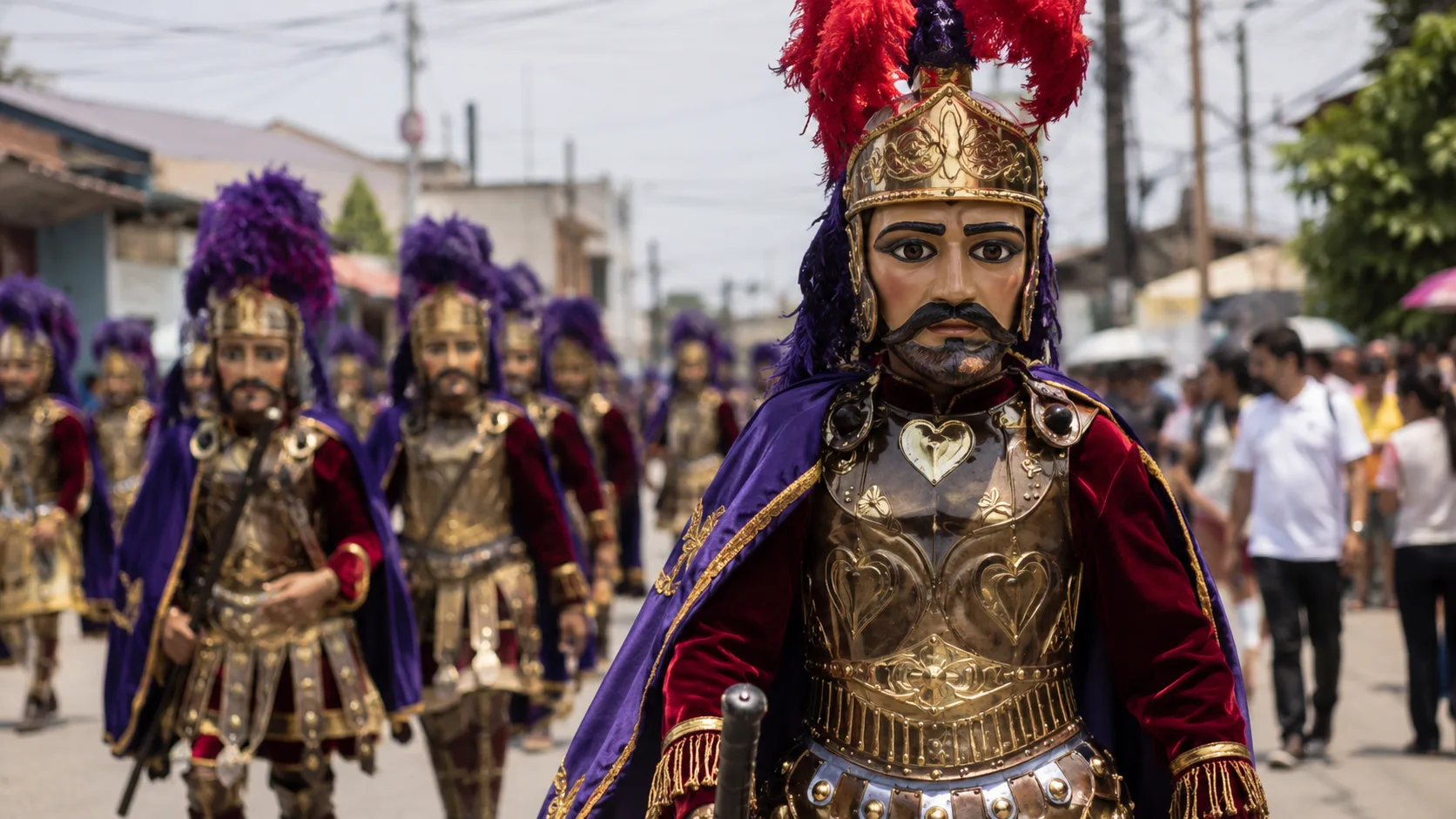
Moriones is the name most travelers use for Marinduque’s Holy Week observance. Official tourism language often says Moriones Lenten Rites or Moryonan. It is a community rite of masked Roman-soldier figures, penitential processions, and the story of Longinus.
It is not a one-day carnival and not a street-dance festival you can sample on Saturday only.
As of 12 September 2026, Holy Week 2026 has already passed. Easter Sunday 2026 was 5 April. In 2027, Easter Sunday is 28 March, so Holy Week begins with Palm Sunday on 21 March 2027. That frames the week. It does not publish the hour each town stages a morion walk or the Longinus reenactment.
Confirm municipal and parish timetables before you travel.
Key facts
| Item | What to use |
|---|---|
| Place | Marinduque, Philippines |
| Usual timing | Holy Week (Tourism Promotions Board; Department of Tourism) |
| 2026 Holy Week | Completed. Easter Sunday was 5 April 2026. |
| Next Holy Week frame | Palm Sunday 21 March 2027 to Easter Sunday 28 March 2027. Confirm town hours locally. |
| Form | Catholic Lenten rite, often called Moriones or Moryonan |
| Figures | Masked Roman soldiers or centurions; Longinus story |
| Towns named by DOT | Boac, Mogpog, and Gasan as major stages |
| What it is not | A weekend street-dance festival or a single grandstand event for the whole province |
What Moriones is, and what it is not
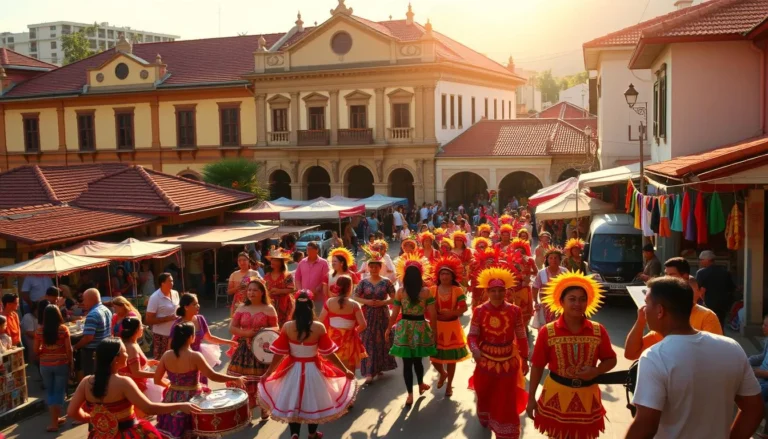
The Department of Tourism describes the Moriones Lenten Rites, or Moryonan, as a Holy Week event in which locals wear elaborate costumes and masks representing Roman soldiers or centurions from the Bible.
Called moriones, the costumed participants move through Marinduque towns depicting Christ’s Passion. The observance culminates in a reenactment connected with Longinus, identified as the soldier who pierced Christ’s side with a spear.
The TPB summary likewise frames Moryonan as a centuries-old Holy Week tradition of penitential reenactments.
Boac is the town many visitors mean first. Mogpog and Gasan keep their own rites and hours. A single “festival parade” time copied from a blog will often be wrong for the town you actually reach. The provincial events listing describes the observance as a Lenten practice across Boac, Gasan, and Mogpog rather than one ticketed show.
In one line: Moriones is Marinduque’s Holy Week masked rite around the Longinus story, not a one-afternoon carnival, and not bookable from the Easter date alone without town confirmation.
Timing pattern: Holy Week, not a fixed March Saturday
The anchor is the Catholic Holy Week calendar. Dates move every year with Easter. Holy Week 2026 has passed. For 2027, use Palm Sunday 21 March through Easter Sunday 28 March as the week frame only. Exact Masses, processions, Via Crucis routes, and any Longinus reenactment times are local. Get the municipal schedule for the town you will stay in.
| Year | Holy Week frame | Status for visitors |
|---|---|---|
| 2026 | Palm Sunday 29 March to Easter Sunday 5 April 2026 | Completed. Do not reuse old hour-by-hour blogs as future truth. |
| 2027 | Palm Sunday 21 March to Easter Sunday 28 March 2027 | Week is known. Town-by-town hours are not confirmed on this page. |
Planning table: how to visit without getting in the way
| Topic | Visitor practice |
|---|---|
| Purpose | Treat it as penance and a passion play, not a costume contest. |
| Masks | Locals who take part are in a religious role. Do not ask someone to remove a mask for a photo. |
| Visitor costume | Do not rent a mask and walk into a procession as if it were a parade float. |
| Processions | They move slowly and take the street. Do not drive into them. |
| Good Friday | Plan food and transport as if many shops will be shut. |
| Transport | Ferry and land connections to Marinduque fill early in Holy Week. Book the crossing before you obsess over a mask photo. |
| Town choice | Confirm Boac, Mogpog, or Gasan hours separately. One town’s schedule is not the province’s schedule. |
Wider calendar context: complete festivals guide. Fiesta basics: what are fiestas. For January Santo Niño street festivals that are a different kind of trip, use the January festivals hub rather than treating Moriones as part of that cluster.
How to get to Marinduque
Marinduque is an island province. Most visitors combine a Luzon land segment with a sea crossing, or they fly when an airline is selling the route that week. Treat every operator name, pier, and timetable as something to confirm for your travel dates. Holy Week seats and deck space fill early. Book the crossing before you fix a photography plan.
- Ferry / RORO pattern: Common approaches run from Quezon or Batangas-side connections toward Marinduque ports, then continue by van or jeepney to Boac, Mogpog, or Gasan. Exact piers and operators rotate. Check the shipping line board and the provincial tourism advisory for the week you travel. Do not copy an old blog crossing time as a promise.
- Air pattern: When flights to Marinduque are on sale, they shorten the last mile into the island. Schedules and aircraft change. Confirm the live airline inventory. A cancelled flight in Holy Week still leaves you needing a ferry fallback.
- On-island hops: Town-to-town travel is short compared with the Manila-to-port leg, but processions close streets. Ask locally how to reach the parish plaza without driving into a Via Crucis route.
Arrive at least a day before the rites you care about most. Same-day island arrivals leave no buffer when weather or ferry queues slip.
Where to stay: Boac, Mogpog, and town centers
Pick a base near the town whose schedule you have confirmed. Boac is the name many visitors mean first. Mogpog and Gasan keep their own hours. A cheap room in one town does not put you inside another town’s dawn procession.
| Base idea | Better if you want | Watch-outs |
|---|---|---|
| Boac town center / cathedral corridor | Walkable access to the provincial capital’s Holy Week movement when Boac is your confirmed focus | Street closures and dense foot traffic on peak days |
| Mogpog town center | Staying beside Mogpog’s own rites instead of commuting from Boac | Do not assume Boac’s timetable applies |
| Gasan town center | A quieter base when Gasan’s schedule is your priority | Still confirm transport back if you day-trip elsewhere |
| Beach or edge lodging | Calmer nights after long standing days | Longer ride into plaza routes; plan return before late processions |
Ask your host how guests walk to the parish or municipal assembly point once the local advisory is out. This page does not publish room rates. Book early for Holy Week without treating any listed price elsewhere as ours.
Respect-first photography
Moriones is a penitential rite. Masked participants are in a religious role, not a costume booth. Photography is possible from the public edge when marshals allow it. It is never a right to interrupt.
- Do not ask a morion to remove a mask, pose with a spear, or break formation for a portrait.
- Do not step into the procession lane, block bearers, or climb private walls for a higher angle.
- Keep flash off near faces and inside churches unless ushers clearly allow it.
- Skip drone flights unless the LGU and church have published permission for that hour.
- If someone signals no photos, lower the camera and move aside. A missed shot is cheaper than a conflict in a Holy Week crowd.
Visitor costumes that imitate moriones masks are not a guest pass into the rite. Watch from the side. Leave the street to the people who vowed to walk it.
Holy Week 2027 timing: confirm before you book
Moriones follows the Catholic Holy Week calendar, which moves with Easter. Do not treat a fixed March Saturday as the festival date. For 2027, wait for the church calendar and for Marinduque municipal or parish notices before you lock non-refundable rooms around a guessed hour.
- Use only published Palm Sunday to Easter frames from church or diocesan calendars once they are posted for that year.
- Town-by-town Moriones hours, Via Crucis routes, and any Longinus reenactment times are local. Confirm Boac, Mogpog, and Gasan separately.
- A site-wide Holy Week festivals hub is not published yet. Until it is live, use this page for Moriones logistics and recheck provincial tourism plus parish advisories for the movable week.
Confirm with host: Ferry operators, flight inventory, municipal rites hours, and photography rules for the next Holy Week are not tickets until Marinduque LGUs, parishes, and carriers publish them. An old blog crossing or an unverified Easter guess is not a booking plan.
Confirm it here
- Department of Tourism, Marinduque (Moriones Lenten Rites): https://www.tourism.gov.ph/destination/mimaropa/marinduque/
- Tourism Promotions Board (Moriones): https://tpb.gov.ph/events/moriones-festival/
- Province of Marinduque: https://marinduque.gov.ph/
Quick summary
The Moriones Festival, also called the Moriones Lenten Rites or Moryonan, is Marinduque’s Holy Week observance of masked Roman soldiers and the Longinus story. The Department of Tourism names Boac, Mogpog, and Gasan among the main town stages. Holy Week 2026 has passed.
In 2027, Easter Sunday is 28 March, so the week begins with Palm Sunday on 21 March. Visitors should confirm each town’s hours with provincial, municipal, and parish authorities before booking. It is a penitential rite across several days, not a one-afternoon carnival.
Reviewed 12 September 2026.
FAQ
When is the Moriones Festival?
During Holy Week in Marinduque. The 2026 Holy Week has passed. In 2027 Easter Sunday is 28 March, so Holy Week starts on Palm Sunday, 21 March. Confirm each town’s hours locally.
What is Moriones?
It is a Holy Week rite of masked morions, Roman-style dress, processions, and the story of Longinus. Official tourism materials also use Moryonan or Moriones Lenten Rites.
Where is Moriones held?
In the towns of Marinduque. DOT materials highlight Boac, Mogpog, and Gasan. Do not assume one grandstand covers the province.
Can visitors wear a mask?
Locals who take part are in a religious role. Do not treat the mask as a souvenir costume you can rent and walk into a procession.
Is Holy Week 2027 bookable from the Easter date alone?
The week is known. The town-by-town hours are not, on this page. Confirm with Marinduque before you buy a non-refundable ferry.
Is Moriones like Ati-Atihan or Dinagyang?
No. Those are January Santo Niño street festivals in the Visayas. Moriones is a Marinduque Holy Week passion observance. Use the January hub only if you are comparing those January feasts, not as a Moriones substitute.
Last reviewed against Department of Tourism Marinduque materials, Tourism Promotions Board, and liturgical calendar dates as of 12 September 2026. Always confirm with the host town and parish.
—