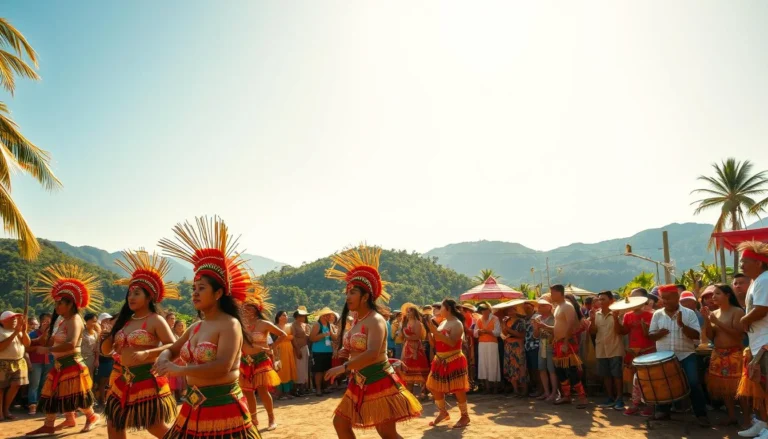
Dinagyang Festival Iloilo: Dates Pattern, Tribes, and Visitor Guide
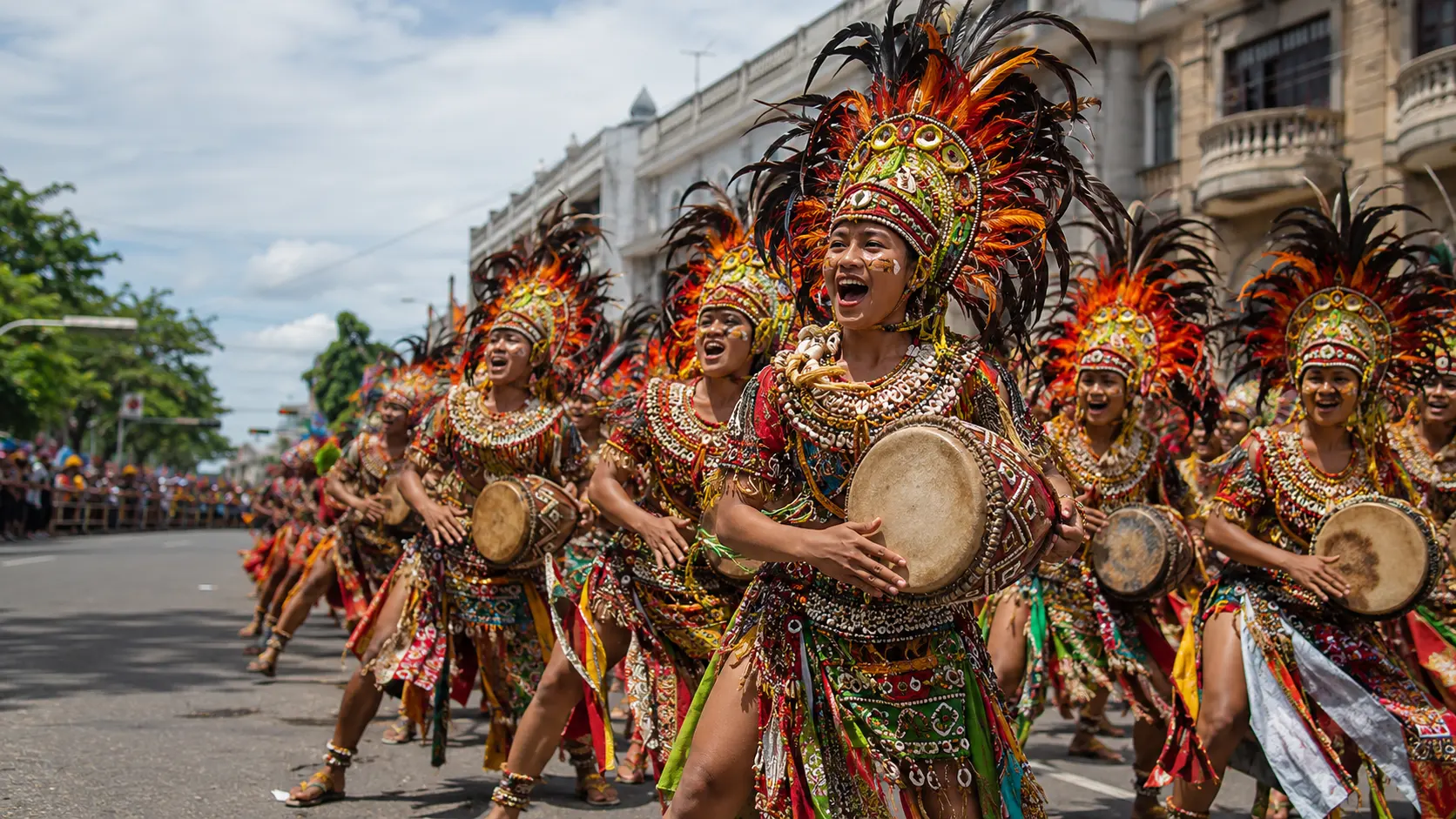
Dinagyang is Iloilo City’s January festival in honour of Señor Santo Niño. The usual tribes day falls on the fourth Sunday of January. The religious centre is Mass, fluvial and foot processions, and parish devotion.
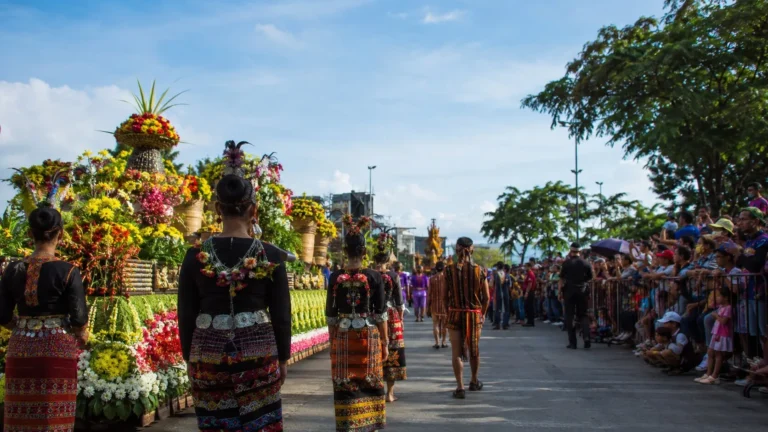
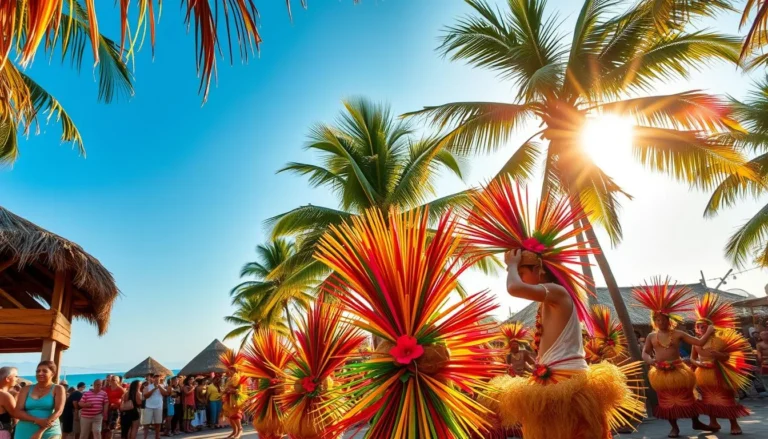
The public spectacle is the Ati Tribes Competition: choreographed contingents, drums, and judged performances on set stages. It is not Kalibo’s open street sadsad and not Cebu’s Sinulog civic parade.
As of 12 September 2026, the 2026 competition weekend has already been held. The Philippine Information Agency reported Kasadyahan sa Kabanwahanan finals on 24 January 2026 and the Dinagyang Tribes Competition on 25 January 2026.
The next fourth Sunday of January is 24 January 2027. That Sunday is the usual pattern. It is not a confirmed Iloilo programme until the city and festival organisers publish venues, times, and routes for that year.
Key facts
| Item | What to use |
|---|---|
| Place | Iloilo City, Western Visayas |
| Usual tribes day | Fourth Sunday of January |
| 2026 tribes competition | 25 January 2026 (PIA; news coverage) |
| 2026 Kasadyahan finals | 24 January 2026 (PIA) |
| 2026 fluvial and foot procession | 23 January 2026, afternoon (PIA; GMA Regional TV; Daily Tribune) |
| Next usual tribes Sunday | 24 January 2027. Confirm only when Iloilo publishes it. |
| Name | Commonly linked to Hiligaynon dagyang, merrymaking or celebration |
| What it is | Santo Niño devotion plus formal tribes and related cultural contests |
| What it is not | An open free-for-all street party like Kalibo’s sadsad |
| Sibling January feasts | Ati-Atihan (Kalibo) and Sinulog (Cebu) often one week earlier |
What happened in 2026
PIA reported the 2026 opening programme and named seven tribes for the Dinagyang Tribes Competition: Bulawanon sang Molo, Taga-Baryo, Pan-ay, Paghidaet, Ilayanhon, Salognon, and Ilonganon. On 25 January the contest used the Freedom Grandstand from 8:00 a.m.
and the Iloilo Sports Complex from 10:00 a.m. News outlets reported Tribu Salognon of Jaro National High School as the 2026 tribes champion. Kasadyahan finals were the day before. That edition is over. Do not reuse 2026 gate times as a 2027 plan.
On 23 January 2026, devotees joined the fluvial procession of the Santo Niño and a solemn foot procession back toward San Jose Parish Placer. GMA Regional TV and Daily Tribune covered the water and land rites as religious highlights of the feast. PIA listed the fluvial and solemn foot procession at 1:00 p.m. that day. Those times belonged to 2026 only.
What Dinagyang is, and what it is not
Dinagyang’s modern story is tied to Santo Niño devotion in Iloilo, including the arrival of a Santo Niño de Cebu replica in 1968 and the later use of the name Dinagyang to mark Iloilo’s own identity.
The religious programme and the tribes competition belong together, but they are not the same event. A visitor watching tribes is seeing one major civic part of a wider Santo Niño celebration.
Kasadyahan sa Kabanwahanan is the showcase of festivals from Iloilo province and nearby towns. It is organised beside the city tribes day. Do not treat a municipality’s Kasadyahan entry as the Dinagyang tribes result. Performance imagery may refer to Ati and Panay stories.
That does not mean visitors should paint their skin or wear a costume that reduces Indigenous identity to a theme.
In one line: Dinagyang is Iloilo’s fourth-Sunday Santo Niño festival of procession and judged tribes, not Kalibo’s open sadsad, and not a 2027 ticket until Iloilo says so.
Timing pattern: fourth Sunday of January
The tribes day has settled on the fourth Sunday of January. In 2026 that was 25 January. In 2027 the fourth Sunday falls on 24 January. Surrounding days usually hold processions, Kasadyahan, and other civic events. Until the Iloilo Festivals Foundation and city government publish the 2027 map, treat 24 January 2027 as the usual pattern Sunday only.
| Year | Fourth Sunday | Status for visitors |
|---|---|---|
| 2026 | 25 January 2026 | Tribes competition completed at Freedom Grandstand and Iloilo Sports Complex. |
| 2027 | 24 January 2027 | Usual pattern Sunday. Confirm venues, tickets, and procession times before non-refundable bookings. |
Planning table: which January feast fits
Use this short table, then open the January hub for the full chooser. Do not create a separate versus page.
| Question | Dinagyang (Iloilo) | Ati-Atihan (Kalibo) | Sinulog (Cebu) |
|---|---|---|---|
| Customary peak | Fourth Sunday | Third Sunday | Third Sunday |
| Best if you want | Formal tribe competitions and Kasadyahan | Open street sadsad energy | Basilica cycle plus large civic parade |
| Religious centre | San Jose Parish Placer and related rites | Kalibo Cathedral / Santo Niño devotion | Basilica Minore del Santo Niño |
| Common mistake | Assuming every stage show is a church rite | Imitating Indigenous identity | Treating the parade as the whole feast |
| Practical pairing | Can follow a third-Sunday choice if transport allows | Choose Kalibo or Cebu, not both peaks | Choose Cebu or Kalibo, not both peaks |
Full comparison: January festivals in the Philippines. Sibling deep guides: Ati-Atihan and Sinulog. City context: things to do in Iloilo City. Calendar context: complete festivals guide. Fiesta basics: what are fiestas.
Etiquette and safety
| Topic | Visitor practice |
|---|---|
| Tribes day | Judging zones and performance paths are work spaces. Do not push into a tribe’s line for a photo. |
| Processions | Religious rites. Costume photos belong to a different hour and place. |
| Tickets | Some grandstands or controlled areas may use tickets. A past price is not this year’s price. |
| Heat and crowds | Carry water. Pick a meeting point outside the densest block. |
| Indigenous respect | Do not copy skin paint or wear a costume that turns Ati identity into a theme. |
Confirm it here
- PIA, Dinagyang 2026 programme: https://pia.gov.ph/news/dinagyang-festival-2026-to-kick-off-with-grand-opening-salvo/
- GMA Regional TV, 2026 fluvial and foot processions: https://www.gmanetwork.com/regionaltv/news/112555/dinagyang-2026-fluvial-foot-processions-highlight-core-of-festivity/story/
- January hub: https://festivepinoy.com/january-festivals-in-the-philippines/
Quick summary
The Dinagyang Festival is Iloilo City’s January celebration of the Santo Niño. The usual tribes day is the fourth Sunday of January.
In 2026 the tribes competition was on 25 January, Kasadyahan finals on 24 January, and the fluvial and foot processions on 23 January, according to PIA and news coverage.
The next usual fourth Sunday is 24 January 2027, which visitors should confirm with Iloilo before booking as the competition day. Kasadyahan is not the same contest as the city tribes competition. For Ati-Atihan and Sinulog comparisons, use Festive Pinoy’s January festivals hub.
Reviewed 12 September 2026.
How to get to Iloilo and where to stay
Most visitors reach Iloilo City by air into the city’s airport gateway, or by ferry and land links from other Visayas ports. Confirm operator schedules for your dates. On tribes weekend, expect closures around performance stages and the Freedom Grandstand corridor.
- Lodging near downtown / City Proper: Practical if you want food streets, San Jose Parish Placer rites, and walking access to central stages once maps are posted.
- Lodging near Freedom Grandstand / Iloilo Sports Complex corridors: Useful when those venues host tribes or related contests, as in the 2026 dual-site pattern reported by PIA. Reconfirm 2027 venues before you choose a block.
- Buffer night: If you are coming from Cebu or Kalibo after a third-Sunday peak, leave a recovery and transfer day before the fourth-Sunday tribes day.
For non-festival city context (landmarks, esplanade, everyday food), open things to do in Iloilo City.
Ticketed viewing note
Dinagyang’s tribes day is a judged competition on set stages, not an open free-for-all street party. Some grandstands or controlled areas may use tickets. A past gate price is not this year’s price.
- Watch for Iloilo Festivals Foundation Inc. (IFFI) and city notices on seating, gates, and bag rules.
- Procession hours and Mass remain religious spaces even when stages are ticketed nearby.
- If you only want atmosphere, ask marshals where free public viewing is allowed without stepping into a tribe’s lane.
Dinagyang Food Festival overlay
Beside tribes and Kasadyahan, recent editions have run a Dinagyang Food Festival as a separate food-and-entertainment layer in downtown Iloilo. PIA’s 2026 festival coverage listed the Dinagyang Food Festival from 22 to 25 January 2026 in downtown Iloilo.
That window belonged to 2026. Confirm the next edition’s dates, streets, and stall rules with organisers before you plan a food crawl as your main day.
- Treat the food festival as an overlay: good for evenings around competition days, not a substitute for confirming tribes venues.
- Carry cash for stall streets. Ask about ingredients if you have allergies.
- Do not block emergency lanes while filming food queues.
Source for the 2026 food-festival window in official coverage: PIA Dinagyang 2026 programme article.
Organiser entity: IFFI and the city
The Iloilo Festivals Foundation, Inc. (IFFI) is the foundation that manages and organises Dinagyang and related festival work with city and provincial partners.
Provincial coverage in 2026 recorded IFFI officers meeting the governor about Kasadyahan sa Kabanwahanan 2027 and Iloilo Dinagyang Festival 2027 plans. Source: Iloilo Provincial Government note on IFFI.
| Authority | Ask them about |
|---|---|
| IFFI | Tribes guidelines, tickets, Kasadyahan and Dinagyang civic programme shape |
| Iloilo City Government | Road closures, public venues, city advisories |
| San Jose Parish Placer and related church offices | Mass, fluvial and foot procession times |
IFFI public ticket contact page (confirm current channels each year): dinagyangtickets.com/contact-us.
FAQ
What is Dinagyang?
It is Iloilo City’s Santo Niño festival. The public spectacle is the tribes competition. The religious centre is the procession and Mass.
When is the Dinagyang Festival?
In 2026 the tribes competition was on 25 January and Kasadyahan finals on 24 January, according to PIA. The usual tribes day is the fourth Sunday of January. The next usual Sunday is 24 January 2027, which is not confirmed until Iloilo publishes it.
Is Kasadyahan the same as the tribes competition?
No. Kasadyahan is the showcase of festivals from Iloilo province and nearby towns. The Dinagyang Tribes Competition is the city contest. In 2026 they were on consecutive days.
Is Dinagyang the same as Ati-Atihan?
No. Both honour the Santo Niño in January. Ati-Atihan in Kalibo is open street dancing. Dinagyang’s tribes day is a judged competition. See the January hub.
Which 2026 day mattered most for visitors?
If you wanted the competition, 25 January. If you wanted the procession, 23 January in the afternoon. Those times were for 2026 only.
What should visitors check before attending?
Current Iloilo and festival foundation notices for venues, tickets, road closures, procession times, and weather plans. A previous year’s dual-stage map is not a guarantee for the next year.
Last reviewed against PIA, GMA Regional TV, Daily Tribune coverage, and Festive Pinoy January hub notes as of 12 September 2026. Always confirm with the host city and parish.
—