How One Festival Changed My Remote Work Routine in the Philippines

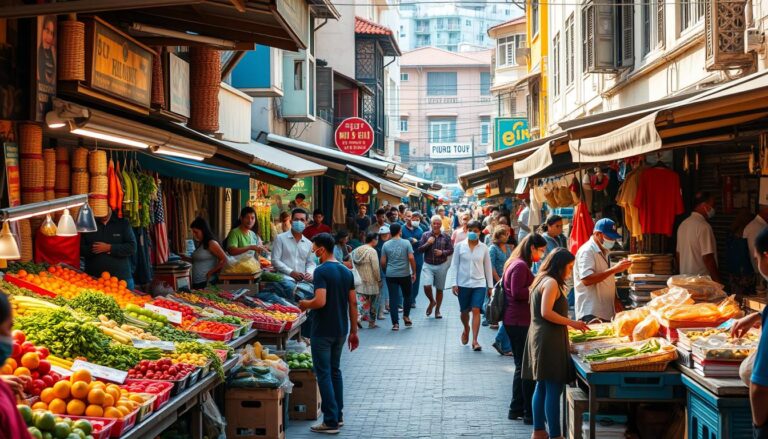
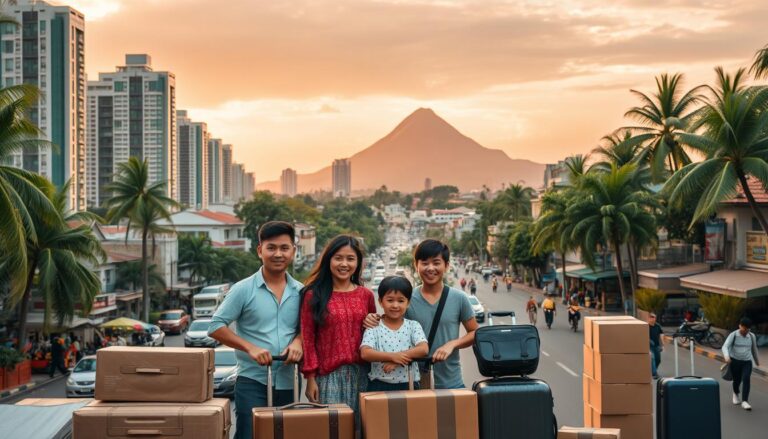
Living abroad while managing a career from my laptop presented unique challenges. The initial excitement of remote work in a tropical paradise slowly gave way to a sense of isolation. My schedule felt rigid, disconnected from the vibrant life happening just outside my window.
Everything shifted when I experienced my first major local celebration. The energy was contagious—streets filled with music, dancing, and an incredible sense of community. This wasn’t just a party; it was a masterclass in Filipino culture and values.
I witnessed remarkable teamwork as neighbors coordinated elaborate floats. Their resilience shone through sudden rain showers that would have canceled events elsewhere. The entire experience made me reconsider my approach to work philippines style.
That celebration became a turning point. It taught me that blending professional responsibilities with cultural participation wasn’t just possible—it was essential for thriving here. The lessons learned prompted a significant shift in how I managed my time and connected with colleagues.
Key Takeaways
- Filipino festivals showcase values that enhance remote work effectiveness
- Cultural immersion can transform your approach to professional responsibilities
- Community spirit directly translates to better teamwork in virtual settings
- Local celebrations offer insights into work-life integration strategies
- Understanding cultural context improves communication with diverse teams
- Flexibility learned from festivals applies directly to remote work challenges
- Personal growth through cultural experiences benefits professional development
Embracing the Festival Spirit and Remote Work Culture
Beyond the music and colors, Filipino festivals operate like a well-oiled machine, demonstrating core principles of effective teamwork. With over 40,000 celebrations nationwide, this culture of coming together provides constant practice in collective effort.
Filipino Festival Traditions and Team Unity
The famous Bayanihan spirit is alive in every parade and performance. Each person has a clear role, from float builders to dancers. This mirrors how successful teams function, even when distributed.
Filipino employees often bring this innate sense of collaboration to their work. They understand that shared success depends on every member’s contribution. This natural aptitude strengthens virtual teams significantly.
Balancing Celebration with Work-Life Integration
Festivals teach a vital rhythm: intense work followed by joyful celebration. The entire community pauses daily concerns to reconnect. This is not a distraction but a recharge.
Witnessing this helped me see that true work-life balance involves sacred pauses. Integrating this mindset leads to more sustainable productivity and happier people. The values learned are powerful:
- Inclusivity: Everyone has a part to play.
- Shared Joy: Celebrating milestones together builds morale.
- Collective Effort: A unified goal drives success.
Intentionally weaving these elements into digital work culture can transform collaboration across borders.
How One Festival Changed My Remote Work Routine in the Philippines
Participating in a traditional Filipino celebration revealed unexpected connections between cultural events and professional effectiveness. The Sinulog Festival’s vibrant streets pulsed with energy as communities coordinated elaborate dances and floats with remarkable precision.
Watching neighbors work together seamlessly demonstrated the power of collective effort. Their ability to adapt to sudden changes showed me new approaches to managing distributed teams.
This experience prompted significant adjustments to my daily schedule. I began structuring my hours around cultural rhythms rather than rigid Western timelines.
| Aspect | Before Festival | After Festival | Impact |
|---|---|---|---|
| Schedule Flexibility | Fixed 9-5 structure | Adaptive timing | Better work-life integration |
| Team Collaboration | Individual focus | Community mindset | Enhanced virtual teamwork |
| Productivity Approach | Rigid deadlines | Rhythmic workflow | Sustainable output |
The celebration opened my eyes to valuable opportunities within the digital workplace. Local employees naturally balance multiple priorities while maintaining strong community ties.
This cultural immersion taught me that being part of something larger than individual tasks creates more meaningful connections. Respecting these moments can transform how distributed teams function across different time zones.
Remote Work Adaptations Inspired by Festive Experiences
Cultural immersion through traditional gatherings transformed my understanding of effective time management. The local approach to scheduling showed me that rigid structures often limit creativity and connection.
Integrating Flexibility into Daily Routines
I began restructuring my work hours to align with cultural rhythms. This meant building buffer time around important local events.
Communicating these adjustments clearly with team members became essential. Setting realistic expectations about availability prevented misunderstandings.
Transforming Challenges into Opportunities
Unexpected disruptions became chances to practice creative problem-solving. Internet outages during celebrations taught me backup planning strategies.
These challenges strengthened my adaptability in various professional roles. Viewing schedule conflicts as opportunities rather than obstacles improved overall productivity.
The experience revealed that flexibility enhances distributed team dynamics. Embracing local rhythms created more sustainable remote work patterns.
Cultural Insights from Filipino Festivals
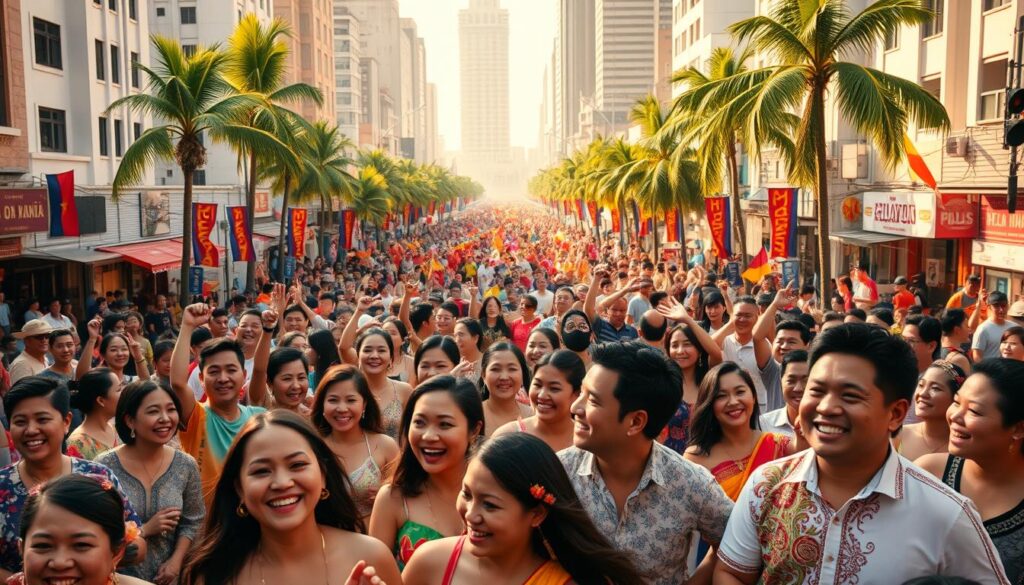
Observing how communities rallied after a sudden downpour during the festivities offered a profound lesson in resilience. The celebration paused briefly, but the spirit never faltered. This ability to adapt and continue joyfully, despite setbacks, is a cornerstone of the local culture.
Lessons in Resilience and Inclusivity
This resilience directly translates into professional environments. Filipino employees often display remarkable composure when projects encounter obstacles. They pivot strategies with a positive attitude, ensuring progress continues.
Another powerful insight was the genuine inclusivity. Every single person contributed, from the star performer to the people handing out water. No role was considered too small. This creates a powerful sense of belonging.
In a work culture, this means every team member feels valued. This inclusive approach boosts morale and encourages everyone to do their best work. It turns a group of individuals into a unified team.
For any business, understanding this is key. An employee who feels included and resilient is a tremendous asset. These cultural insights are not just abstract ideas. They are practical strengths that Filipino employees bring to the table every day.
Navigating Hybrid Work in the Philippines
Successful hybrid implementation demands addressing the digital divide that separates urban centers from provincial areas. Over half of Filipino workers now follow flexible schedules that blend office and remote days.
Addressing Infrastructure and Connectivity Challenges
Reliable internet remains a significant hurdle outside Metro Manila. According to recent data, 91% of Filipinos consider better broadband vital for hybrid success.
Frequent outages and brownouts in provincial regions create real challenges for maintaining consistent schedules. Many businesses now provide internet allowances and backup systems to support their employees.
Building Trust Through Adaptive Leadership
Effective management in hybrid settings requires moving beyond traditional supervision. My festival experience reinforced that Filipino culture naturally emphasizes community accountability.
Adaptive leaders focus on outcomes rather than visibility. They establish clear communication and reasonable expectations. This approach helps employees succeed despite connectivity challenges.
Building trust becomes essential when navigating the unique work philippines landscape. Support systems and flexible policies enable sustainable hybrid arrangements across the islands.
Strategies for Enhancing Remote Collaboration
Virtual collaboration thrives when teams intentionally create moments of shared experience. The Philippines’ 40,000+ celebrations demonstrate that regular connection opportunities build strong bonds. This principle applies directly to distributed teams.
According to PeopleHum, 43% of Filipino employees feel fully connected to their team under hybrid arrangements. This shows physical distance doesn’t prevent emotional connection with the right strategies.
Creating Virtual Rituals for Team Bonding
Regular virtual rituals mirror the community-building function of festivals. Weekly check-ins and monthly celebrations give remote workers something to anticipate together.
Recognition ceremonies and informal social gatherings create belonging. These practices keep people engaged while working remotely. They transform individual tasks into collective work.
Effective Communication with Distributed Teams
Successful collaboration requires clear communication protocols. The right tools ensure all members contribute equally.
Establish guidelines for asynchronous and synchronous interaction. This prevents isolation and maintains project momentum. Good communication bridges geographical gaps effectively.
| Communication Tool | Best Use Case | Team Size | Key Benefit |
|---|---|---|---|
| Slack | Quick updates | Small to large | Instant messaging |
| Zoom | Video meetings | All sizes | Face-to-face connection |
| Trello | Project tracking | Small to medium | Visual organization |
These tools support seamless collaboration across time zones. They help distributed teams function as cohesive units. The right approach makes distance irrelevant to quality work.
Incorporating Festive Traditions into Workplace Culture
Many forward-thinking companies are discovering that festive traditions offer powerful team-building opportunities. These cultural touchpoints create meaningful connections between professional responsibilities and personal identity.
For employees balancing work home and office settings, these traditions provide vital social anchors. They transform routine tasks into shared experiences that strengthen team bonds.
Designing Shared Cultural Experiences
Many companies successfully integrate Filipino festivals into their workplace culture through simple, actionable strategies. Adding major celebrations to shared calendars shows basic acknowledgment and respect.
Virtual activities like cultural trivia or storytelling sessions create engaging moments for distributed teams. Themed dress codes during festivals encourage participation without requiring significant time investment.
Aligning team recognition with cultural moments demonstrates thoughtful support for employee identities. These gestures build stronger relationships across geographical distances.
Flexible Approaches to Celebrating Milestones
Adjusting work hours during major festivals shows understanding of cultural priorities. This flexibility doesn’t compromise productivity when planned thoughtfully.
Clear communication about adjusted expectations prevents confusion while maintaining work flow. This approach acknowledges that cultural participation enhances rather than detracts from professional performance.
Employers who embrace these flexible approaches often see improved employee loyalty and engagement. The consideration shown during important cultural moments creates lasting positive impressions.
Technology and Tools Transforming Remote Work
The digital landscape has fundamentally reshaped how we approach professional tasks from any location. Powerful technology now enables seamless collaboration across continents.
Leveraging Collaborative Platforms for Seamless Workflow
Platforms like Zoom, Slack, and Notion have become essential tools for modern teams. They provide reliable communication channels that keep everyone connected.
Wider access to these tools makes managing distributed work much smoother. Analytics-driven tracking helps focus on results rather than hours spent.
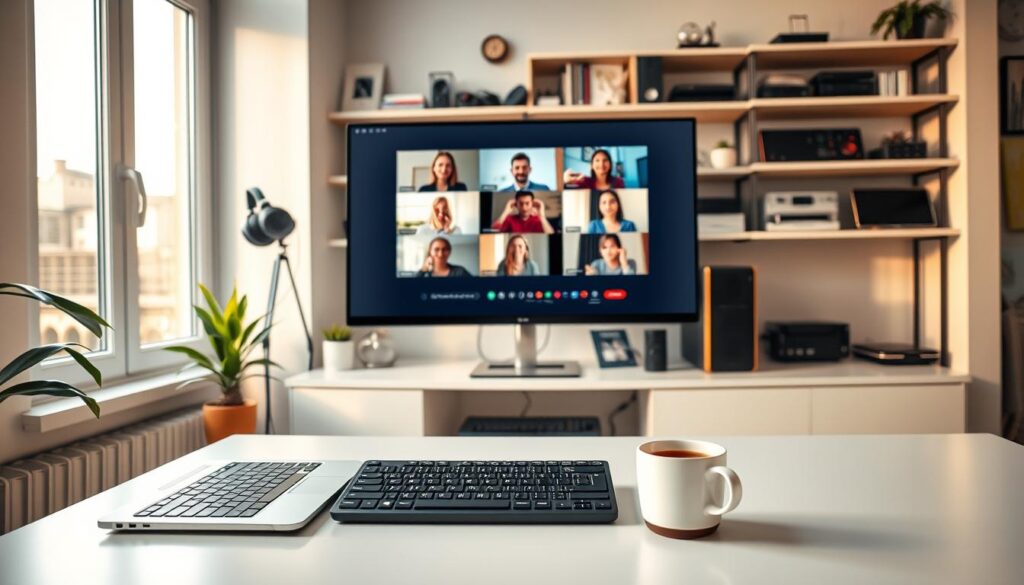
Maximizing Digital Resources to Boost Productivity
Strategic use of digital resources can significantly enhance productivity. AI tools now support better decision-making for complex projects.
Choosing the right technology prevents tool overload that can hinder productivity. Smart implementation ensures teams work efficiently from any location.
These advancements benefit both business operations and work home arrangements. They provide equal access to resources regardless of physical location.
Business Benefits of Adapting Festival-Inspired Work Models
The data speaks volumes about modern workplace preferences among Filipino professionals. Ninety-one percent prefer hybrid or flexible arrangements over traditional office setups. This clear trend shows that businesses must adapt to access top talent.
Companies resisting these trends risk losing valuable employees. The need for adaptation goes beyond following workplace trends. It represents a strategic advantage for forward-thinking employers.
Enhancing Employee Engagement and Loyalty
Seventy-three percent of Filipino employees report that hybrid models improve both productivity and well-being. This creates a direct link between flexible arrangements and business performance.
Studies show significant performance improvements under these models. Seventy-nine percent of employees enhance their work quality. Sixty-six percent improve their job knowledge and skills.
| Business Metric | Traditional Model | Festival-Inspired Model | Impact Difference |
|---|---|---|---|
| Employee Preference | 9% prefer office-only | 91% prefer flexible | +82% satisfaction |
| Work Quality | Standard performance | 79% report improvement | Significant enhancement |
| Skill Development | Conventional growth | 66% show improvement | Accelerated learning |
These benefits create stronger, more loyal teams. Employers who recognize cultural rhythms gain competitive advantages. The business case for adaptation becomes undeniable.
Smart companies create opportunities for cultural integration. This approach delivers measurable benefits for both employees and the business. Everyone wins when employers embrace these models.
Conclusion
What began as a personal revelation about work-life integration has evolved into a broader understanding of workplace dynamics. The cultural immersion provided lasting lessons about resilience and community that apply directly to modern professional settings.
Filipino celebrations demonstrate values that enhance remote work effectiveness across the work philippines landscape. These principles of flexibility and collective effort translate beautifully into hybrid environments. Employers who recognize this gain access to talented teams capable of exceptional performance.
The shift toward flexible arrangements represents more than just a workplace trend. It acknowledges the fundamental need for work-life balance that respects cultural contexts. Many forward-thinking businesses now see the measurable benefits of these approaches.
Cultural experiences continue to offer profound insights for building human-centered work environments. Remaining open to these lessons can transform how we approach professional challenges and opportunities alike.