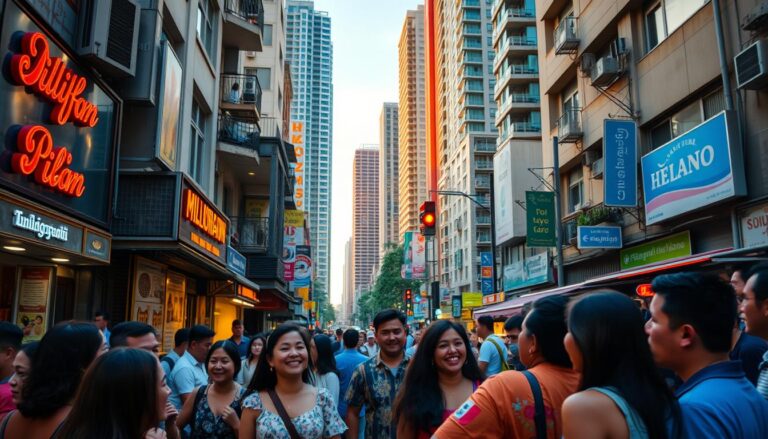
Monthly Living Costs for Remote Workers in PH
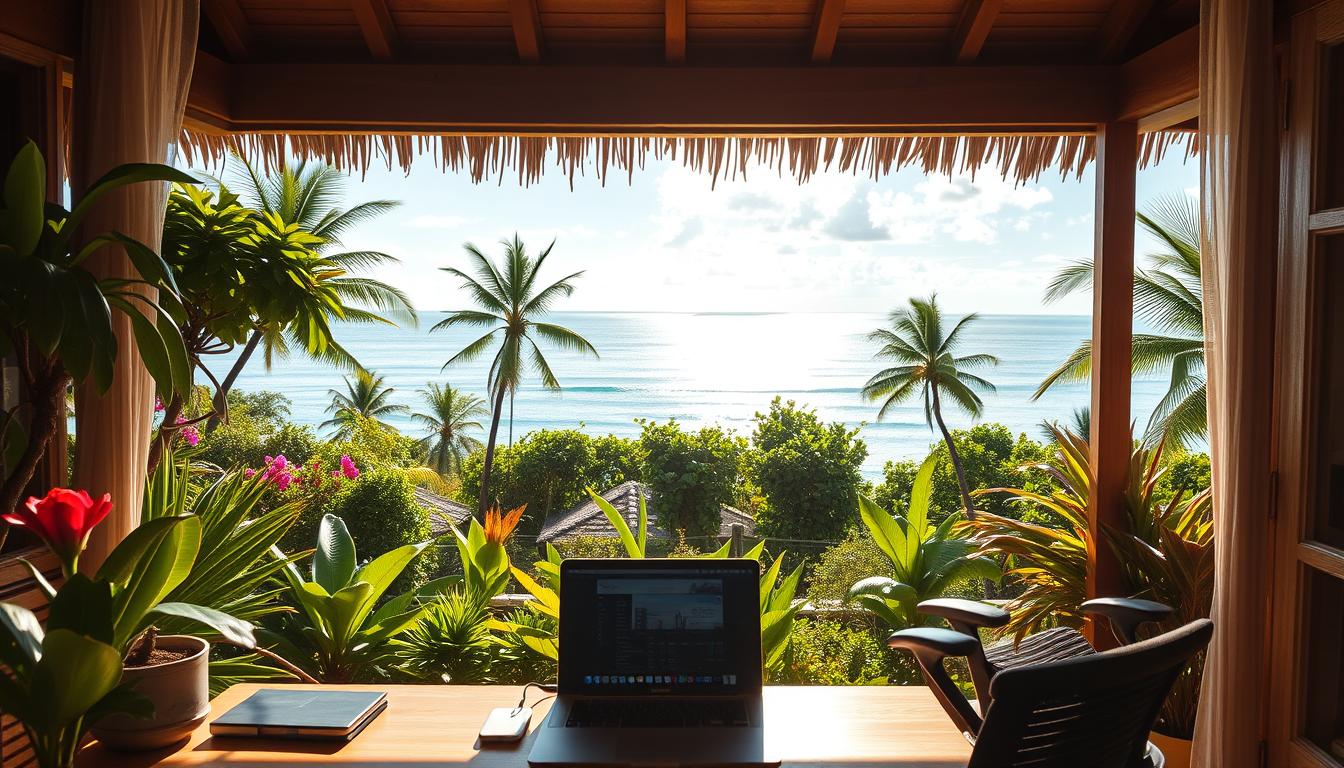
Welcome to your complete guide for budgeting your tropical work-from-anywhere adventure. The Philippines has become a top choice for digital professionals seeking an affordable yet beautiful destination.
This Southeast Asian nation offers stunning natural scenery and a welcoming English-speaking community. The transition to island life becomes smooth and enjoyable for Americans and other international visitors.
Understanding your expenses here is crucial whether planning a short stay or long-term base. You’ll maintain your career while enjoying everything this incredible country provides.
Our guide explores detailed breakdowns of housing, food, transportation, and utilities. We’ll cover entertainment and hidden expenses that impact your budget.
You’ll get a realistic picture of what life actually costs in the Philippines. We also dive into practical aspects like the Digital Nomad Visa and best locations.
Whether you’re a freelancer, entrepreneur, or remote employee, this information helps make smart financial decisions. You can confidently plan your budget and choose the perfect spot.
Key Takeaways
- The Philippines offers an affordable lifestyle for digital professionals
- English is widely spoken, making transition easier for Americans
- Understanding local expenses is crucial for budget planning
- Various locations cater to different preferences and budgets
- New visa options support longer stays for remote workers
- Hidden costs can impact your overall monthly budget
- Proper planning ensures a smooth transition to island life
Understanding the Philippines as a Remote Work Destination
Imagine working with breathtaking ocean views just steps from your workspace in this tropical archipelago. The Philippines stands out among Southeast Asian countries as an exceptional choice for digital professionals. It offers that perfect blend of productivity and paradise.
Exploring the Benefits of Living in the Philippines
With over 7,000 islands to explore, you’ll find endless options for adventure. From the famous white sand beaches of Palawan to the surf breaks of Siargao, there’s always a new place to discover. The country provides a unique mix of natural beauty and modern convenience.
English is widely spoken throughout the Philippines, making daily life incredibly smooth. The local people are known for their warm hospitality and genuine friendliness. You’ll feel welcomed into the community from day one.
Overview of the Digital Nomad Lifestyle
This lifestyle offers incredible flexibility to design your ideal workday. You can have productive morning sessions followed by afternoon beach walks or exploring vibrant cities. The way of life here balances professional commitments with personal enrichment.
The strategic location makes regional travel easy and affordable. Quick flights connect you to Thailand, Vietnam, and other popular destinations. You get the best of both worlds – a stable home base with endless exploration opportunities.
Essential Living Expenses in the Philippines
Getting a clear picture of your essential expenses is the first step toward a successful remote work experience. Understanding these living expenses helps you budget effectively for your tropical lifestyle.

Housing and Rent Breakdown
Your accommodation represents the largest portion of your budget. A one-bedroom apartment in the city center averages around 17,161 PHP per month. Outside urban areas, prices drop to approximately 9,687 PHP.
| Expense Category | Average Cost (PHP) | USD Equivalent |
|---|---|---|
| 1-Bedroom Apartment (City Center) | 17,161 | $300 |
| Basic Restaurant Meal | 200 | $3.50 |
| Monthly Transport Pass | 625 | $11 |
| Utilities (915 sq ft) | 6,018 | $105 |
Food, Markets, and Daily Necessities
Local markets offer incredible value for your grocery shopping. Fresh produce, rice at 24 PHP per pound, and chicken around 110 PHP make food costs very manageable. Eating out remains affordable too.
“Smart budgeting begins with understanding local market prices and embracing the culinary culture.”
Dining at inexpensive restaurants costs just 200 PHP. Even a nice three-course meal for two averages only 1,200 PHP.
Transportation and Utility Costs
Getting around is budget-friendly. Local transport tickets cost 15 PHP. Taxi rides start at 40 PHP. Monthly passes average 625 PHP.
Utility costs for a standard apartment run about 6,018 PHP monthly. This covers electricity, water, and cooling. Internet service (60 Mbps+) costs approximately 1,761 PHP.
Monthly Living Costs for Remote Workers in PH
Breaking down your expenses category by category reveals the true affordability of this destination. You’ll see how each peso translates into your daily experience.
Detailed Expense Analysis: From Housing to Leisure
Your accommodation sets the foundation for your budget. A comfortable apartment ranges from $300 to $800 per month. Major cities like Manila command higher prices than coastal towns.
Food represents another significant portion of your living costs. Cooking at home keeps expenses around $200 monthly. Regular dining out might push this to $400.
Co-working spaces offer professional environments for $50-$150 per month. These fees include high-speed internet and community access.
Transportation remains remarkably affordable. Monthly mobility costs average just $50-$100. This covers ride-hailing services or scooter rentals.
Leisure activities complete your tropical lifestyle. Budget $100-$300 for gym memberships, island tours, and social outings.
Using Currency Exchange Tools for Accurate Budgeting
Managing your money effectively requires smart currency strategies. The exchange rate between USD and Philippine pesos directly impacts your purchasing power.
Tools like Wise provide real-time exchange rates without hidden markups. This ensures you get maximum value when converting your income.
“Monitoring the currency market helps protect your budget from sudden fluctuations.”
Consider holding pesos when exchange rates favor your home currency. This approach safeguards against market volatility.
Understanding the complete cost living philippines picture empowers better financial decisions. Even at $1,800 usd, you enjoy significant savings compared to most American cities.
Budgeting and Cost-Saving Strategies for Remote Workers
Effective money management strategies can significantly enhance your quality of life in the Philippines. Smart planning helps you enjoy more experiences while staying within your means.
Practical Budgeting Tips and Tricks
Choosing the right accommodation strategy makes a huge difference. Many digital professionals save hundreds each month by selecting housing outside expensive urban centers.
Embrace local living like Filipino residents do. Shop at public markets and eat at carinderias where meals cost just $1-2. This way of life reduces your food costs dramatically.

Using Local Resources and Digital Tools
Facebook groups offer excellent options for finding affordable accommodation. These communities provide valuable data about the best places to live and work.
Digital payment platforms like GCash simplify your financial management. They help you track spending and avoid unnecessary fees. Cooking at home using local ingredients further reduces your living expenses.
| Cost-Saving Strategy | Average Monthly Savings | Best For |
|---|---|---|
| Living outside city centers | $200-400 | Budget-conscious workers |
| Using local markets & eateries | $150-250 | Food enthusiasts |
| Digital payment platforms | $30-50 | Tech-savvy professionals |
| Co-living spaces | $100-200 | Community seekers |
Co-living options combine housing with community at reasonable rates. These spaces often include utilities, making budgeting simpler. Tracking your spending helps optimize your living costs over time.
Navigating Visa, Tax, and Legal Considerations
Understanding the legal framework is essential for a smooth transition to your new tropical workspace. Proper documentation ensures your adventure remains stress-free and compliant with local regulations.
The Philippines Digital Nomad Visa Process
The Digital Nomad visa launched in 2025 offers qualified professionals stays up to two years. This program provides legal status to work remotely while enjoying island life.
Eligibility requires being at least 18 years old and working for foreign clients exclusively. You’ll need valid health insurance coverage for your entire stay in the country.
The application process uses the Philippine e-Visa portal. Some steps may require visiting an embassy for biometrics. Plan your travel accordingly to allow processing time.
Understanding Taxation and Compliance Requirements
One major advantage is the favorable tax treatment. You won’t be considered a tax resident under this visa. This means no local income tax on foreign earnings.
You’ll continue paying taxes in your home country. There’s generally no risk of double taxation. Keep documentation of your remote work arrangements for compliance.
| Requirement | Details | Importance |
|---|---|---|
| Health Insurance | Full stay coverage required | Mandatory for application |
| Income Source | Foreign clients only | Tax exemption basis |
| Application Fees | Varies by country | Part of process costs |
| Police Clearance | Clean record required | Security verification |
Maintaining proper health insurance is crucial throughout your stay. This protects you from unexpected medical fees. The program helps you pass through immigration smoothly.
Optimizing Remote Work and Hiring Strategies in the Philippines
The strategic advantage of hiring Filipino professionals extends beyond simple cost savings. American companies can build highly skilled teams while significantly reducing operational expenses.
Cost Benefits of Hiring Local Remote Talent
Salary differences create substantial opportunities. A mid-level accountant in the US earns around $6,667 per month. Their Filipino counterpart typically costs $2,733 usd.
Experienced professionals with 3-6 years command 30,000-60,000 PHP monthly ($500-$1,100 usd). This represents 50-70% savings compared to US rates.
| Position | US Monthly Salary | Philippines Monthly Salary |
|---|---|---|
| Mid-Level Accountant | $6,667 USD | $2,733 USD |
| Virtual Assistant | $3,500 USD | $700 USD |
| Marketing Specialist | $5,200 USD | $1,100 USD |
Employers must budget for mandatory benefits. These include Social Security, health coverage (PhilHealth), and housing funds.
“Building a successful remote team starts with understanding both the financial and human elements of international hiring.”
Operational Aspects: Payment Structures and Management Tools
Reliable payment systems ensure smooth operations. Platforms like Wise and PayPal offer reasonable fees and transparent exchange rates.
Internet reliability is crucial. Team members need connections of at least 50-100 mbps for video calls. Many employers provide stipends for quality internet plans.
Communication tools like Slack and Trello help manage teams across time zones. These platforms maintain productivity despite distance from your home office.
Understanding the local cost living helps offer fair compensation. This builds loyalty and creates positive working relationships.
Conclusion
Your journey to an incredible island lifestyle begins with solid planning. The Philippines offers a remarkable mix of affordability and adventure that transforms how you work and live.
Whether you prefer bustling cities or quiet beaches, this country has perfect places for every preference. The new Digital Nomad visa makes long-term stays simpler than ever before.
You can maintain your career while exploring stunning islands and creating unforgettable memories. The welcoming culture and lower cost of living in the Philippines make it an ideal choice.
Now you’re ready to start your adventure in this beautiful archipelago. Your tropical work-life balance awaits!
FAQ
What is the average monthly budget for a remote worker in the Philippines?
FAQ
What is the average monthly budget for a remote worker in the Philippines?
Your budget can vary a lot depending on your lifestyle. A comfortable life in a major city like Manila or Cebu might cost between
FAQ
What is the average monthly budget for a remote worker in the Philippines?
Your budget can vary a lot depending on your lifestyle. A comfortable life in a major city like Manila or Cebu might cost between $1,000 and $1,800 USD per month. This covers a nice apartment, food, transport, and some leisure. If you choose smaller islands or towns, you can live well for much less, sometimes under $800.
How much should I budget for housing and rent?
A> Housing is often your biggest expense. A modern, furnished one-bedroom apartment in a good area of Metro Manila can range from $400 to $700. In provincial cities like Davao or Iloilo, you can find similar places for $250 to $450. For big savings, consider local neighborhoods or co-living spaces.
Is health insurance necessary for remote workers in the country?
Yes, having solid international health insurance is highly recommended. Local public healthcare can be crowded. A good policy from providers like AXA or Pacific Cross gives you peace of mind and access to better private hospitals. Factor this into your monthly costs.
What are the internet speeds and data costs like?
Internet service has improved greatly. In cities, you can easily get fiber plans with speeds of 50 to 100 Mbps for about $30 to $50 per month. Mobile data is also affordable, with unlimited plans from Globe or Smart costing around $10 to $20. Always check the specific coverage in your chosen area.
What visa do I need to work remotely from the Philippines?
The country is developing a specific Digital Nomad Visa. Currently, many remote workers enter on a tourist visa, which is typically valid for 30 days and can be extended. For long-term stays, look into the Special Resident Retiree’s Visa (SRRV) or consult an immigration expert for the latest rules.
How can I manage my money and handle currency exchange?
Using a service like Wise (formerly TransferWise) is a popular way to send money and get good exchange rates from USD to Philippine Peso. It’s also smart to have a local bank account for daily expenses. Keep an eye on exchange rates to budget accurately.
Are there tax implications for remote workers living in the Philippines?
This can be complex. If you stay for more than 183 days in a year, you might be considered a tax resident. However, if your income comes from outside the country, it may not be taxed locally. It’s crucial to speak with a local tax advisor to understand your specific compliance requirements.
What is the cost of food and eating out?
Food is very affordable. Cooking at home with groceries from local markets like SM Hypermarket or Puregold can cost as little as $150 per month. Eating out is a great value too. A meal at a local restaurant costs around $3 to $5, while a nice dinner in the city might be $10 to $15.
,000 and
FAQ
What is the average monthly budget for a remote worker in the Philippines?
Your budget can vary a lot depending on your lifestyle. A comfortable life in a major city like Manila or Cebu might cost between $1,000 and $1,800 USD per month. This covers a nice apartment, food, transport, and some leisure. If you choose smaller islands or towns, you can live well for much less, sometimes under $800.
How much should I budget for housing and rent?
A> Housing is often your biggest expense. A modern, furnished one-bedroom apartment in a good area of Metro Manila can range from $400 to $700. In provincial cities like Davao or Iloilo, you can find similar places for $250 to $450. For big savings, consider local neighborhoods or co-living spaces.
Is health insurance necessary for remote workers in the country?
Yes, having solid international health insurance is highly recommended. Local public healthcare can be crowded. A good policy from providers like AXA or Pacific Cross gives you peace of mind and access to better private hospitals. Factor this into your monthly costs.
What are the internet speeds and data costs like?
Internet service has improved greatly. In cities, you can easily get fiber plans with speeds of 50 to 100 Mbps for about $30 to $50 per month. Mobile data is also affordable, with unlimited plans from Globe or Smart costing around $10 to $20. Always check the specific coverage in your chosen area.
What visa do I need to work remotely from the Philippines?
The country is developing a specific Digital Nomad Visa. Currently, many remote workers enter on a tourist visa, which is typically valid for 30 days and can be extended. For long-term stays, look into the Special Resident Retiree’s Visa (SRRV) or consult an immigration expert for the latest rules.
How can I manage my money and handle currency exchange?
Using a service like Wise (formerly TransferWise) is a popular way to send money and get good exchange rates from USD to Philippine Peso. It’s also smart to have a local bank account for daily expenses. Keep an eye on exchange rates to budget accurately.
Are there tax implications for remote workers living in the Philippines?
This can be complex. If you stay for more than 183 days in a year, you might be considered a tax resident. However, if your income comes from outside the country, it may not be taxed locally. It’s crucial to speak with a local tax advisor to understand your specific compliance requirements.
What is the cost of food and eating out?
Food is very affordable. Cooking at home with groceries from local markets like SM Hypermarket or Puregold can cost as little as $150 per month. Eating out is a great value too. A meal at a local restaurant costs around $3 to $5, while a nice dinner in the city might be $10 to $15.
,800 USD per month. This covers a nice apartment, food, transport, and some leisure. If you choose smaller islands or towns, you can live well for much less, sometimes under 0.
How much should I budget for housing and rent?
A> Housing is often your biggest expense. A modern, furnished one-bedroom apartment in a good area of Metro Manila can range from 0 to 0. In provincial cities like Davao or Iloilo, you can find similar places for 0 to 0. For big savings, consider local neighborhoods or co-living spaces.
Is health insurance necessary for remote workers in the country?
Yes, having solid international health insurance is highly recommended. Local public healthcare can be crowded. A good policy from providers like AXA or Pacific Cross gives you peace of mind and access to better private hospitals. Factor this into your monthly costs.
What are the internet speeds and data costs like?
Internet service has improved greatly. In cities, you can easily get fiber plans with speeds of 50 to 100 Mbps for about to per month. Mobile data is also affordable, with unlimited plans from Globe or Smart costing around to . Always check the specific coverage in your chosen area.
What visa do I need to work remotely from the Philippines?
The country is developing a specific Digital Nomad Visa. Currently, many remote workers enter on a tourist visa, which is typically valid for 30 days and can be extended. For long-term stays, look into the Special Resident Retiree’s Visa (SRRV) or consult an immigration expert for the latest rules.
How can I manage my money and handle currency exchange?
Using a service like Wise (formerly TransferWise) is a popular way to send money and get good exchange rates from USD to Philippine Peso. It’s also smart to have a local bank account for daily expenses. Keep an eye on exchange rates to budget accurately.
Are there tax implications for remote workers living in the Philippines?
This can be complex. If you stay for more than 183 days in a year, you might be considered a tax resident. However, if your income comes from outside the country, it may not be taxed locally. It’s crucial to speak with a local tax advisor to understand your specific compliance requirements.
What is the cost of food and eating out?
Food is very affordable. Cooking at home with groceries from local markets like SM Hypermarket or Puregold can cost as little as 0 per month. Eating out is a great value too. A meal at a local restaurant costs around to , while a nice dinner in the city might be to .
FAQ
What is the average monthly budget for a remote worker in the Philippines?
Your budget can vary a lot depending on your lifestyle. A comfortable life in a major city like Manila or Cebu might cost between
FAQ
What is the average monthly budget for a remote worker in the Philippines?
Your budget can vary a lot depending on your lifestyle. A comfortable life in a major city like Manila or Cebu might cost between $1,000 and $1,800 USD per month. This covers a nice apartment, food, transport, and some leisure. If you choose smaller islands or towns, you can live well for much less, sometimes under $800.
How much should I budget for housing and rent?
A> Housing is often your biggest expense. A modern, furnished one-bedroom apartment in a good area of Metro Manila can range from $400 to $700. In provincial cities like Davao or Iloilo, you can find similar places for $250 to $450. For big savings, consider local neighborhoods or co-living spaces.
Is health insurance necessary for remote workers in the country?
Yes, having solid international health insurance is highly recommended. Local public healthcare can be crowded. A good policy from providers like AXA or Pacific Cross gives you peace of mind and access to better private hospitals. Factor this into your monthly costs.
What are the internet speeds and data costs like?
Internet service has improved greatly. In cities, you can easily get fiber plans with speeds of 50 to 100 Mbps for about $30 to $50 per month. Mobile data is also affordable, with unlimited plans from Globe or Smart costing around $10 to $20. Always check the specific coverage in your chosen area.
What visa do I need to work remotely from the Philippines?
The country is developing a specific Digital Nomad Visa. Currently, many remote workers enter on a tourist visa, which is typically valid for 30 days and can be extended. For long-term stays, look into the Special Resident Retiree’s Visa (SRRV) or consult an immigration expert for the latest rules.
How can I manage my money and handle currency exchange?
Using a service like Wise (formerly TransferWise) is a popular way to send money and get good exchange rates from USD to Philippine Peso. It’s also smart to have a local bank account for daily expenses. Keep an eye on exchange rates to budget accurately.
Are there tax implications for remote workers living in the Philippines?
This can be complex. If you stay for more than 183 days in a year, you might be considered a tax resident. However, if your income comes from outside the country, it may not be taxed locally. It’s crucial to speak with a local tax advisor to understand your specific compliance requirements.
What is the cost of food and eating out?
Food is very affordable. Cooking at home with groceries from local markets like SM Hypermarket or Puregold can cost as little as $150 per month. Eating out is a great value too. A meal at a local restaurant costs around $3 to $5, while a nice dinner in the city might be $10 to $15.
,000 and
FAQ
What is the average monthly budget for a remote worker in the Philippines?
Your budget can vary a lot depending on your lifestyle. A comfortable life in a major city like Manila or Cebu might cost between $1,000 and $1,800 USD per month. This covers a nice apartment, food, transport, and some leisure. If you choose smaller islands or towns, you can live well for much less, sometimes under $800.
How much should I budget for housing and rent?
A> Housing is often your biggest expense. A modern, furnished one-bedroom apartment in a good area of Metro Manila can range from $400 to $700. In provincial cities like Davao or Iloilo, you can find similar places for $250 to $450. For big savings, consider local neighborhoods or co-living spaces.
Is health insurance necessary for remote workers in the country?
Yes, having solid international health insurance is highly recommended. Local public healthcare can be crowded. A good policy from providers like AXA or Pacific Cross gives you peace of mind and access to better private hospitals. Factor this into your monthly costs.
What are the internet speeds and data costs like?
Internet service has improved greatly. In cities, you can easily get fiber plans with speeds of 50 to 100 Mbps for about $30 to $50 per month. Mobile data is also affordable, with unlimited plans from Globe or Smart costing around $10 to $20. Always check the specific coverage in your chosen area.
What visa do I need to work remotely from the Philippines?
The country is developing a specific Digital Nomad Visa. Currently, many remote workers enter on a tourist visa, which is typically valid for 30 days and can be extended. For long-term stays, look into the Special Resident Retiree’s Visa (SRRV) or consult an immigration expert for the latest rules.
How can I manage my money and handle currency exchange?
Using a service like Wise (formerly TransferWise) is a popular way to send money and get good exchange rates from USD to Philippine Peso. It’s also smart to have a local bank account for daily expenses. Keep an eye on exchange rates to budget accurately.
Are there tax implications for remote workers living in the Philippines?
This can be complex. If you stay for more than 183 days in a year, you might be considered a tax resident. However, if your income comes from outside the country, it may not be taxed locally. It’s crucial to speak with a local tax advisor to understand your specific compliance requirements.
What is the cost of food and eating out?
Food is very affordable. Cooking at home with groceries from local markets like SM Hypermarket or Puregold can cost as little as $150 per month. Eating out is a great value too. A meal at a local restaurant costs around $3 to $5, while a nice dinner in the city might be $10 to $15.
,800 USD per month. This covers a nice apartment, food, transport, and some leisure. If you choose smaller islands or towns, you can live well for much less, sometimes under 0.
How much should I budget for housing and rent?
A> Housing is often your biggest expense. A modern, furnished one-bedroom apartment in a good area of Metro Manila can range from 0 to 0. In provincial cities like Davao or Iloilo, you can find similar places for 0 to 0. For big savings, consider local neighborhoods or co-living spaces.
Is health insurance necessary for remote workers in the country?
Yes, having solid international health insurance is highly recommended. Local public healthcare can be crowded. A good policy from providers like AXA or Pacific Cross gives you peace of mind and access to better private hospitals. Factor this into your monthly costs.
What are the internet speeds and data costs like?
Internet service has improved greatly. In cities, you can easily get fiber plans with speeds of 50 to 100 Mbps for about to per month. Mobile data is also affordable, with unlimited plans from Globe or Smart costing around to . Always check the specific coverage in your chosen area.
What visa do I need to work remotely from the Philippines?
The country is developing a specific Digital Nomad Visa. Currently, many remote workers enter on a tourist visa, which is typically valid for 30 days and can be extended. For long-term stays, look into the Special Resident Retiree’s Visa (SRRV) or consult an immigration expert for the latest rules.
How can I manage my money and handle currency exchange?
Using a service like Wise (formerly TransferWise) is a popular way to send money and get good exchange rates from USD to Philippine Peso. It’s also smart to have a local bank account for daily expenses. Keep an eye on exchange rates to budget accurately.
Are there tax implications for remote workers living in the Philippines?
This can be complex. If you stay for more than 183 days in a year, you might be considered a tax resident. However, if your income comes from outside the country, it may not be taxed locally. It’s crucial to speak with a local tax advisor to understand your specific compliance requirements.
What is the cost of food and eating out?
Food is very affordable. Cooking at home with groceries from local markets like SM Hypermarket or Puregold can cost as little as 0 per month. Eating out is a great value too. A meal at a local restaurant costs around to , while a nice dinner in the city might be to .
FAQ
What is the average monthly budget for a remote worker in the Philippines?
Your budget can vary a lot depending on your lifestyle. A comfortable life in a major city like Manila or Cebu might cost between
FAQ
What is the average monthly budget for a remote worker in the Philippines?
Your budget can vary a lot depending on your lifestyle. A comfortable life in a major city like Manila or Cebu might cost between $1,000 and $1,800 USD per month. This covers a nice apartment, food, transport, and some leisure. If you choose smaller islands or towns, you can live well for much less, sometimes under $800.
How much should I budget for housing and rent?
A> Housing is often your biggest expense. A modern, furnished one-bedroom apartment in a good area of Metro Manila can range from $400 to $700. In provincial cities like Davao or Iloilo, you can find similar places for $250 to $450. For big savings, consider local neighborhoods or co-living spaces.
Is health insurance necessary for remote workers in the country?
Yes, having solid international health insurance is highly recommended. Local public healthcare can be crowded. A good policy from providers like AXA or Pacific Cross gives you peace of mind and access to better private hospitals. Factor this into your monthly costs.
What are the internet speeds and data costs like?
Internet service has improved greatly. In cities, you can easily get fiber plans with speeds of 50 to 100 Mbps for about $30 to $50 per month. Mobile data is also affordable, with unlimited plans from Globe or Smart costing around $10 to $20. Always check the specific coverage in your chosen area.
What visa do I need to work remotely from the Philippines?
The country is developing a specific Digital Nomad Visa. Currently, many remote workers enter on a tourist visa, which is typically valid for 30 days and can be extended. For long-term stays, look into the Special Resident Retiree’s Visa (SRRV) or consult an immigration expert for the latest rules.
How can I manage my money and handle currency exchange?
Using a service like Wise (formerly TransferWise) is a popular way to send money and get good exchange rates from USD to Philippine Peso. It’s also smart to have a local bank account for daily expenses. Keep an eye on exchange rates to budget accurately.
Are there tax implications for remote workers living in the Philippines?
This can be complex. If you stay for more than 183 days in a year, you might be considered a tax resident. However, if your income comes from outside the country, it may not be taxed locally. It’s crucial to speak with a local tax advisor to understand your specific compliance requirements.
What is the cost of food and eating out?
Food is very affordable. Cooking at home with groceries from local markets like SM Hypermarket or Puregold can cost as little as $150 per month. Eating out is a great value too. A meal at a local restaurant costs around $3 to $5, while a nice dinner in the city might be $10 to $15.
,000 and
FAQ
What is the average monthly budget for a remote worker in the Philippines?
Your budget can vary a lot depending on your lifestyle. A comfortable life in a major city like Manila or Cebu might cost between $1,000 and $1,800 USD per month. This covers a nice apartment, food, transport, and some leisure. If you choose smaller islands or towns, you can live well for much less, sometimes under $800.
How much should I budget for housing and rent?
A> Housing is often your biggest expense. A modern, furnished one-bedroom apartment in a good area of Metro Manila can range from $400 to $700. In provincial cities like Davao or Iloilo, you can find similar places for $250 to $450. For big savings, consider local neighborhoods or co-living spaces.
Is health insurance necessary for remote workers in the country?
Yes, having solid international health insurance is highly recommended. Local public healthcare can be crowded. A good policy from providers like AXA or Pacific Cross gives you peace of mind and access to better private hospitals. Factor this into your monthly costs.
What are the internet speeds and data costs like?
Internet service has improved greatly. In cities, you can easily get fiber plans with speeds of 50 to 100 Mbps for about $30 to $50 per month. Mobile data is also affordable, with unlimited plans from Globe or Smart costing around $10 to $20. Always check the specific coverage in your chosen area.
What visa do I need to work remotely from the Philippines?
The country is developing a specific Digital Nomad Visa. Currently, many remote workers enter on a tourist visa, which is typically valid for 30 days and can be extended. For long-term stays, look into the Special Resident Retiree’s Visa (SRRV) or consult an immigration expert for the latest rules.
How can I manage my money and handle currency exchange?
Using a service like Wise (formerly TransferWise) is a popular way to send money and get good exchange rates from USD to Philippine Peso. It’s also smart to have a local bank account for daily expenses. Keep an eye on exchange rates to budget accurately.
Are there tax implications for remote workers living in the Philippines?
This can be complex. If you stay for more than 183 days in a year, you might be considered a tax resident. However, if your income comes from outside the country, it may not be taxed locally. It’s crucial to speak with a local tax advisor to understand your specific compliance requirements.
What is the cost of food and eating out?
Food is very affordable. Cooking at home with groceries from local markets like SM Hypermarket or Puregold can cost as little as $150 per month. Eating out is a great value too. A meal at a local restaurant costs around $3 to $5, while a nice dinner in the city might be $10 to $15.
,800 USD per month. This covers a nice apartment, food, transport, and some leisure. If you choose smaller islands or towns, you can live well for much less, sometimes under 0.
How much should I budget for housing and rent?
A> Housing is often your biggest expense. A modern, furnished one-bedroom apartment in a good area of Metro Manila can range from 0 to 0. In provincial cities like Davao or Iloilo, you can find similar places for 0 to 0. For big savings, consider local neighborhoods or co-living spaces.
Is health insurance necessary for remote workers in the country?
Yes, having solid international health insurance is highly recommended. Local public healthcare can be crowded. A good policy from providers like AXA or Pacific Cross gives you peace of mind and access to better private hospitals. Factor this into your monthly costs.
What are the internet speeds and data costs like?
Internet service has improved greatly. In cities, you can easily get fiber plans with speeds of 50 to 100 Mbps for about to per month. Mobile data is also affordable, with unlimited plans from Globe or Smart costing around to . Always check the specific coverage in your chosen area.
What visa do I need to work remotely from the Philippines?
The country is developing a specific Digital Nomad Visa. Currently, many remote workers enter on a tourist visa, which is typically valid for 30 days and can be extended. For long-term stays, look into the Special Resident Retiree’s Visa (SRRV) or consult an immigration expert for the latest rules.
How can I manage my money and handle currency exchange?
Using a service like Wise (formerly TransferWise) is a popular way to send money and get good exchange rates from USD to Philippine Peso. It’s also smart to have a local bank account for daily expenses. Keep an eye on exchange rates to budget accurately.
Are there tax implications for remote workers living in the Philippines?
This can be complex. If you stay for more than 183 days in a year, you might be considered a tax resident. However, if your income comes from outside the country, it may not be taxed locally. It’s crucial to speak with a local tax advisor to understand your specific compliance requirements.
What is the cost of food and eating out?
Food is very affordable. Cooking at home with groceries from local markets like SM Hypermarket or Puregold can cost as little as 0 per month. Eating out is a great value too. A meal at a local restaurant costs around to , while a nice dinner in the city might be to .
FAQ
What is the average monthly budget for a remote worker in the Philippines?
Your budget can vary a lot depending on your lifestyle. A comfortable life in a major city like Manila or Cebu might cost between
FAQ
What is the average monthly budget for a remote worker in the Philippines?
Your budget can vary a lot depending on your lifestyle. A comfortable life in a major city like Manila or Cebu might cost between $1,000 and $1,800 USD per month. This covers a nice apartment, food, transport, and some leisure. If you choose smaller islands or towns, you can live well for much less, sometimes under $800.
How much should I budget for housing and rent?
A> Housing is often your biggest expense. A modern, furnished one-bedroom apartment in a good area of Metro Manila can range from $400 to $700. In provincial cities like Davao or Iloilo, you can find similar places for $250 to $450. For big savings, consider local neighborhoods or co-living spaces.
Is health insurance necessary for remote workers in the country?
Yes, having solid international health insurance is highly recommended. Local public healthcare can be crowded. A good policy from providers like AXA or Pacific Cross gives you peace of mind and access to better private hospitals. Factor this into your monthly costs.
What are the internet speeds and data costs like?
Internet service has improved greatly. In cities, you can easily get fiber plans with speeds of 50 to 100 Mbps for about $30 to $50 per month. Mobile data is also affordable, with unlimited plans from Globe or Smart costing around $10 to $20. Always check the specific coverage in your chosen area.
What visa do I need to work remotely from the Philippines?
The country is developing a specific Digital Nomad Visa. Currently, many remote workers enter on a tourist visa, which is typically valid for 30 days and can be extended. For long-term stays, look into the Special Resident Retiree’s Visa (SRRV) or consult an immigration expert for the latest rules.
How can I manage my money and handle currency exchange?
Using a service like Wise (formerly TransferWise) is a popular way to send money and get good exchange rates from USD to Philippine Peso. It’s also smart to have a local bank account for daily expenses. Keep an eye on exchange rates to budget accurately.
Are there tax implications for remote workers living in the Philippines?
This can be complex. If you stay for more than 183 days in a year, you might be considered a tax resident. However, if your income comes from outside the country, it may not be taxed locally. It’s crucial to speak with a local tax advisor to understand your specific compliance requirements.
What is the cost of food and eating out?
Food is very affordable. Cooking at home with groceries from local markets like SM Hypermarket or Puregold can cost as little as $150 per month. Eating out is a great value too. A meal at a local restaurant costs around $3 to $5, while a nice dinner in the city might be $10 to $15.
,000 and
FAQ
What is the average monthly budget for a remote worker in the Philippines?
Your budget can vary a lot depending on your lifestyle. A comfortable life in a major city like Manila or Cebu might cost between $1,000 and $1,800 USD per month. This covers a nice apartment, food, transport, and some leisure. If you choose smaller islands or towns, you can live well for much less, sometimes under $800.
How much should I budget for housing and rent?
A> Housing is often your biggest expense. A modern, furnished one-bedroom apartment in a good area of Metro Manila can range from $400 to $700. In provincial cities like Davao or Iloilo, you can find similar places for $250 to $450. For big savings, consider local neighborhoods or co-living spaces.
Is health insurance necessary for remote workers in the country?
Yes, having solid international health insurance is highly recommended. Local public healthcare can be crowded. A good policy from providers like AXA or Pacific Cross gives you peace of mind and access to better private hospitals. Factor this into your monthly costs.
What are the internet speeds and data costs like?
Internet service has improved greatly. In cities, you can easily get fiber plans with speeds of 50 to 100 Mbps for about $30 to $50 per month. Mobile data is also affordable, with unlimited plans from Globe or Smart costing around $10 to $20. Always check the specific coverage in your chosen area.
What visa do I need to work remotely from the Philippines?
The country is developing a specific Digital Nomad Visa. Currently, many remote workers enter on a tourist visa, which is typically valid for 30 days and can be extended. For long-term stays, look into the Special Resident Retiree’s Visa (SRRV) or consult an immigration expert for the latest rules.
How can I manage my money and handle currency exchange?
Using a service like Wise (formerly TransferWise) is a popular way to send money and get good exchange rates from USD to Philippine Peso. It’s also smart to have a local bank account for daily expenses. Keep an eye on exchange rates to budget accurately.
Are there tax implications for remote workers living in the Philippines?
This can be complex. If you stay for more than 183 days in a year, you might be considered a tax resident. However, if your income comes from outside the country, it may not be taxed locally. It’s crucial to speak with a local tax advisor to understand your specific compliance requirements.
What is the cost of food and eating out?
Food is very affordable. Cooking at home with groceries from local markets like SM Hypermarket or Puregold can cost as little as $150 per month. Eating out is a great value too. A meal at a local restaurant costs around $3 to $5, while a nice dinner in the city might be $10 to $15.
,800 USD per month. This covers a nice apartment, food, transport, and some leisure. If you choose smaller islands or towns, you can live well for much less, sometimes under 0.
How much should I budget for housing and rent?
A> Housing is often your biggest expense. A modern, furnished one-bedroom apartment in a good area of Metro Manila can range from 0 to 0. In provincial cities like Davao or Iloilo, you can find similar places for 0 to 0. For big savings, consider local neighborhoods or co-living spaces.
Is health insurance necessary for remote workers in the country?
Yes, having solid international health insurance is highly recommended. Local public healthcare can be crowded. A good policy from providers like AXA or Pacific Cross gives you peace of mind and access to better private hospitals. Factor this into your monthly costs.
What are the internet speeds and data costs like?
Internet service has improved greatly. In cities, you can easily get fiber plans with speeds of 50 to 100 Mbps for about to per month. Mobile data is also affordable, with unlimited plans from Globe or Smart costing around to . Always check the specific coverage in your chosen area.
What visa do I need to work remotely from the Philippines?
The country is developing a specific Digital Nomad Visa. Currently, many remote workers enter on a tourist visa, which is typically valid for 30 days and can be extended. For long-term stays, look into the Special Resident Retiree’s Visa (SRRV) or consult an immigration expert for the latest rules.
How can I manage my money and handle currency exchange?
Using a service like Wise (formerly TransferWise) is a popular way to send money and get good exchange rates from USD to Philippine Peso. It’s also smart to have a local bank account for daily expenses. Keep an eye on exchange rates to budget accurately.
Are there tax implications for remote workers living in the Philippines?
This can be complex. If you stay for more than 183 days in a year, you might be considered a tax resident. However, if your income comes from outside the country, it may not be taxed locally. It’s crucial to speak with a local tax advisor to understand your specific compliance requirements.
What is the cost of food and eating out?
Food is very affordable. Cooking at home with groceries from local markets like SM Hypermarket or Puregold can cost as little as 0 per month. Eating out is a great value too. A meal at a local restaurant costs around to , while a nice dinner in the city might be to .