Nomad Essentials for Life on the Philippine Coast
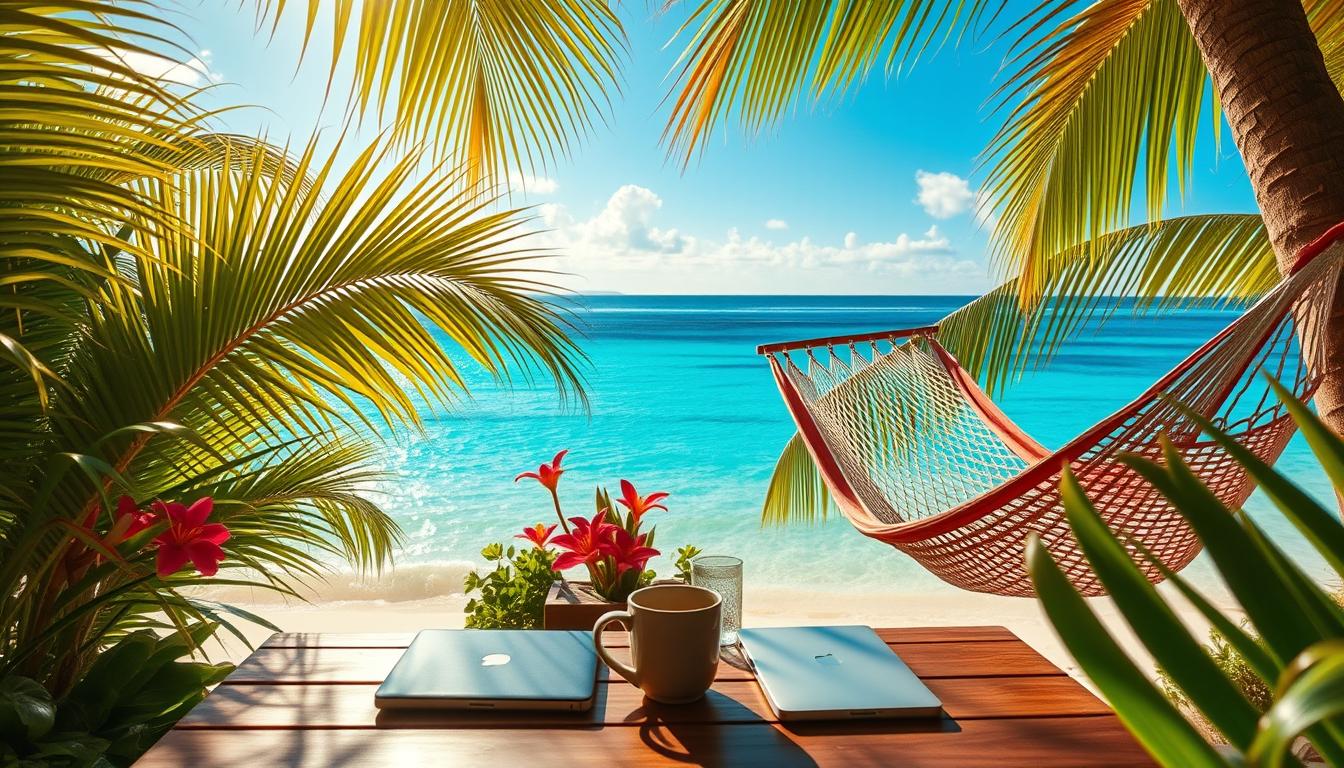
Imagine swapping your office desk for a view of turquoise waters and swaying palm trees. The Philippines offers a dream destination for the modern remote worker. This archipelago nation combines stunning natural beauty with a practical and welcoming environment.
The country’s geography is incredibly diverse. You can find towering peaks and a variety of climates. This creates a unique backdrop for your lifestyle. You will enjoy famous Filipino hospitality and a cost of living that is very affordable.
This guide is your first step toward making that dream a reality. We cover the crucial details for a smooth transition. You will learn about essential gear, internet connectivity, and finding your community. Our goal is to help you build a comfortable and productive life in this tropical paradise.
Key Takeaways
- The Philippines is an archipelago with diverse geography and climates, perfect for exploration.
- It offers a very affordable cost of living compared to other popular Southeast Asian spots.
- Filipino hospitality is world-renowned, making it easy to feel welcome.
- Major cities provide modern amenities while being close to beautiful natural environments.
- This guide will help you with everything from packing to finding a reliable internet connection.
- You can connect with a thriving community of remote workers from around the globe.
- Balancing work and adventure is the core of the successful digital nomad experience here.
Understanding the Philippine Coastal Lifestyle
The Philippines offers more than just postcard-perfect beaches – its diverse landscapes and climate patterns require careful planning. This island nation stretches over 2,150km with dramatic elevation changes. You’ll find everything from humid jungles to tropical savannahs.
Overview of the Climate and Geography
The dry season runs from January to May. Temperatures typically range from 79-85°F with minimal rainfall. This is the ideal time for exploring different places across the country.
From May through December, the wet season brings more rain but lush landscapes. Typhoons are possible during this period. The varied geography means you can experience different climates within the same country.
What to Expect as a Digital Nomad
Life moves at “island time” here, especially in coastal areas. You’ll need patience for traffic and slower internet. The heat and humidity take some getting used to.
On the positive side, English is widely spoken. The relaxed pace balances well with work. You’ll have a lot of opportunities for adventure. This experience will teach you to appreciate simple things.
Each island offers unique things to discover. Understanding these things helps you adapt quickly. The entire country welcomes remote workers with open arms.
Nomad Essentials for Life on the Philippine Coast
The gear that supports your mobile career in this archipelago must withstand both professional demands and spontaneous adventures. Tropical environments present unique challenges that require specialized preparation.
Your equipment needs to strike a perfect balance. It should be lightweight for easy movement between islands. Yet comprehensive enough to support your professional work requirements.
Seasoned digital nomads understand that versatile items are key. Multi-purpose gear handles various weather conditions without weighing you down. This approach prevents overpacking while ensuring you’re prepared.
The right toolkit makes all the difference for your island lifestyle. It supports productivity during work sessions. Then transforms to accommodate beach explorations and mountain hikes.
Upcoming sections will guide you through specific categories. We’ll cover luggage choices, tropical clothing, and technology needs. Each category focuses on what truly matters for nomads in this beautiful country.
Smart packing choices create a smoother experience. They allow you to focus on building your ideal life here. Rather than struggling with unsuitable or missing equipment.
Choosing the Right Backpack and Day Pack
Selecting the perfect backpack setup can make or break your experience working from tropical locations. Your bags will carry everything needed for both work and exploration. This makes choosing the right gear an essential part of your travel preparation.
Benefits of a 50-60L Backpack
A 50-60 liter backpack offers the ideal balance for extended travel. Larger 80L+ models often lead to overpacking and discomfort. The smaller size encourages you to bring only what you truly need.
This size provides ample space without becoming cumbersome. You’ll avoid excess baggage fees and move easily through crowded areas. The compact design makes transportation between islands much simpler.
Day Pack Features for Daily Use
Your day pack becomes your mobile office and adventure companion. Look for durable, water-resistant materials that can handle tropical conditions. Multiple compartments help organize your work essentials and personal things.
Comfortable shoulder straps make long walking days enjoyable. A padded laptop compartment protects your most important tool. The right day pack enhances your daily routine in significant ways.
| Backpack Model | Capacity | Best For | Key Features |
|---|---|---|---|
| Osprey Farpoint 70 | 70L | Men | Ergonomic design, durable construction |
| Osprey Renn 65 | 65L | Women | Lightweight, gender-specific fit |
| Osprey Stratos 24 | 24L | Daily Use | Padded compartments, water-resistant |
Investing in quality bags from trusted brands ensures longevity and reliability. While the initial cost may be higher, the long-term benefits make it worthwhile. Your gear should support your lifestyle without causing stress.
Roll-On Luggage Options for Alternative Travelers
Roll-on luggage provides a practical solution for digital workers needing more space and better item organization. While backpacks work well for constant movement, rolling suitcases suit different travel styles perfectly.
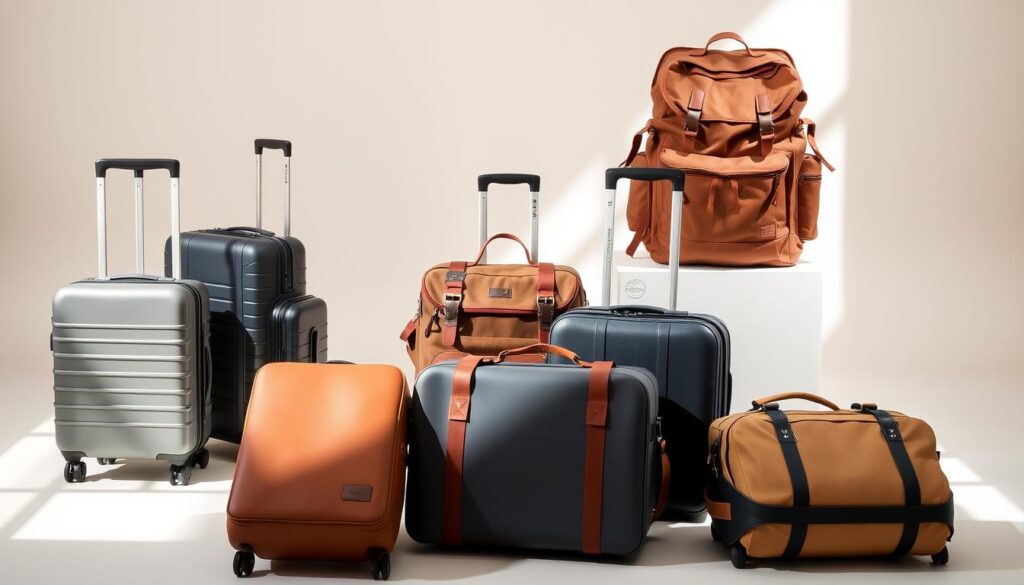
The main advantage is effortless transport through airports and cities. You can pack more equipment without physical strain. Clothing stays organized and wrinkle-free too.
This way of packing works best for longer stays in one location. Base yourself in Manila or Cebu with occasional island trips. The extra space handles professional gear like monitors or camera equipment.
Consider the trade-offs before choosing this options. Checked baggage fees add to your travel costs. Rough terrain and boat docks become challenging. There’s also temptation to overpack non-essential things.
Brands like Horizn justify their higher price with durable wheels and smart compartments. Their cases feature TSA-approved locks and years of reliable service.
Remember to still pack a quality day pack for daily adventures. You’ll need something portable for work essentials and beach gear while exploring.
Packing Essentials: Clothing, Footwear, and Accessories
Packing for island living means preparing for everything from video calls to spontaneous beach outings. Your wardrobe needs to handle professional meetings and tropical adventures equally well.
The right clothing makes your daily routine smoother. You’ll want items that work for multiple occasions. This saves space in your luggage too.
Men’s Packing Guide
Start with 3-4 breathable vests as everyday basics. Add short-sleeved shirts for nicer occasions. Don’t forget a reliable rain jacket for sudden downpours.
Footwear is crucial for different activities. Sandals work great for casual beach time. Hiking shoes handle jungle treks. Regular sneakers suit urban exploration.
Women’s Packing Must-Haves
Pack 4-5 vests made from light, breathable fabrics. Sun dresses are perfect for day-to-evening wear. Light long skirts provide coverage while staying cool.
Swimwear is essential with so much water access. Bring 2-3 bikinis or swimming costumes. You’ll use them frequently during your travel adventures.
Local laundry services make packing lighter possible. Labanderas offer affordable hand washing. This means you can refresh clothes regularly without overpacking.
Remember socks for hiking boots and cooler evenings. You’ll primarily live in sandals most of the time. But fresh socks are needed for specific activities.
Assembling a Comprehensive First-Aid Kit and Toiletry Checklist
While packing gadgets and clothing gets most attention, your health supplies deserve equal consideration. Proper preparation prevents minor issues from becoming major disruptions during your travel adventures.
Having the right medical supplies provides peace of mind when exploring remote areas. It turns potential emergencies into manageable situations.
Critical First-Aid Items
Start with basics like antiseptic cream and plasters for small cuts. Add bandages and medical tape for larger wounds until you reach professional care.
Include specialized items for common issues. Moleskin tape prevents blisters during long hikes. A diarrhea kit helps with stomach adjustments to new food.
Don’t forget pain relievers like paracetamol for headaches. Tweezers remove splinters, while scissors handle various tasks. These items add a lot of versatility without much space.
Travel Toiletries and Personal Care
Your daily care routine needs smart packing. Choose toothpaste and liquids under 100ml for airline compliance. Bring two toothbrushes as backups.
A dedicated wash bag keeps everything organized. This saves time during your busy day and prevents frustrating searches.
Consider climate-appropriate choices like 2-in-1 shampoo to save space. Dry shampoo works when shower access is limited. These small optimizations make travel life smoother.
Travel Banking, Insurance, and Essential Documents
Before you immerse yourself in the coastal lifestyle, establishing solid banking and insurance systems is crucial for peace of mind. These administrative details form the foundation that lets you focus on your work and adventures.
Managing Finances and Travel Cards
Traditional banks often charge high fees for international transactions. Smart remote workers use specialized travel cards like Monzo and Revolut for better rates.
When withdrawing cash, stick to Banco de Oro or Bank of the Philippine Islands ATMs. They charge the lowest fees, though you’ll still pay $3-5 per transaction. Withdraw larger amounts less frequently to save money.
Importance of Travel Insurance and Documents
Travel insurance is non-negotiable for anyone working abroad. The price of coverage is tiny compared to potential medical bills or equipment losses.
SafetyWing offers flexible insurance designed for people working across multiple countries. World Nomads covers adventure activities like diving and surfing, which many standard policies exclude.
Your essential documents include your passport, spare bank cards, and insurance details. Make sure to keep digital copies in cloud storage and physical copies separate from originals. This preparation ensures you’re never stranded far from home.
Navigating Local Transportation and Overcoming Traffic Challenges
Transportation becomes a central part of your daily routine when living in this archipelago nation. Getting around requires patience and smart planning, especially in urban areas.
Major cities face serious congestion during peak hours. What should be a quick trip can turn into a lengthy ordeal. This affects how you manage your time and schedule important meetings.
Tips for Dealing with Gridlock and Long Commutes
Jeepneys offer an authentic way to experience local culture for short distances. They’re incredibly affordable but can be confusing for newcomers.
For more comfort, Grab provides reliable ride-sharing services. The app shows prices upfront, eliminating negotiation stress. Just remember that estimated arrival time often extends due to traffic.
When planning island travel, ferries and fast boats connect coastal destinations. Their schedules can be flexible, so build buffer days into your plans.
Consider these transportation options based on your needs:
- Walk or bike in smaller towns to avoid congestion
- Schedule work calls during off-peak hours
- Choose accommodations near your workspace
- Embrace the slower pace rather than fighting it
Leaving urban centers dramatically improves transit experiences. Coastal areas offer shorter distances and minimal traffic challenges.
Managing Internet Connectivity and Selecting Coworking Spaces
When your office moves to paradise, maintaining stable online access becomes your top priority for productivity. The country ranks 89th globally for broadband speed, presenting real challenges for professionals.
Realistic expectations and backup plans are essential for maintaining your workflow. Island destinations often suffer from frequent blackouts and painfully slow speeds.
Maximizing Slow Internet Connections
A quality VPN is essential for security on vulnerable networks. It also helps access geo-restricted content for your business needs.
Embrace offline work during low-connectivity periods. Focus on writing or design tasks that don’t require constant connection.
Batch your uploads and online work for times with reliable access. This strategy turns connectivity challenges into manageable workflow adjustments.
Finding Reliable Coworking Spots
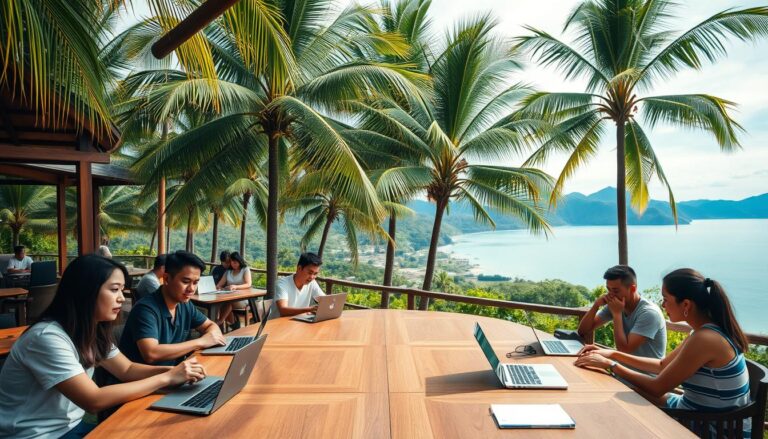
Coworking spaces provide the most consistent solution for remote professionals. They offer backup power and fast dedicated connections.
Monthly memberships are affordable compared to daily café expenses. These professional environments support serious work requirements.
| Coworking Space | Location | Pricing | Best For |
|---|---|---|---|
| WeRemote | Makati, Manila | $15/day | Short-term stays |
| The Company | Cebu IT Park | $150/month | Long-term work |
| Creative Coworking | Siargao Island | Variable rates | Island lifestyle |
“Schedule offline tasks for slow connection days and reserve high-speed spaces for video calls and uploads.”
Remember that Facebook dominates as the primary information platform. Search there first when looking for coworking options or local services.
Exploring Accommodation Options Along the Coast
Your choice of accommodation will shape your daily experience more than any other decision. The right place becomes your sanctuary for work and relaxation.
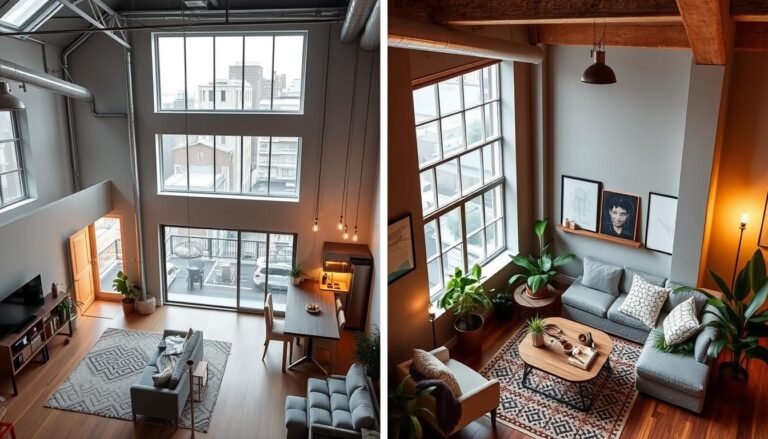
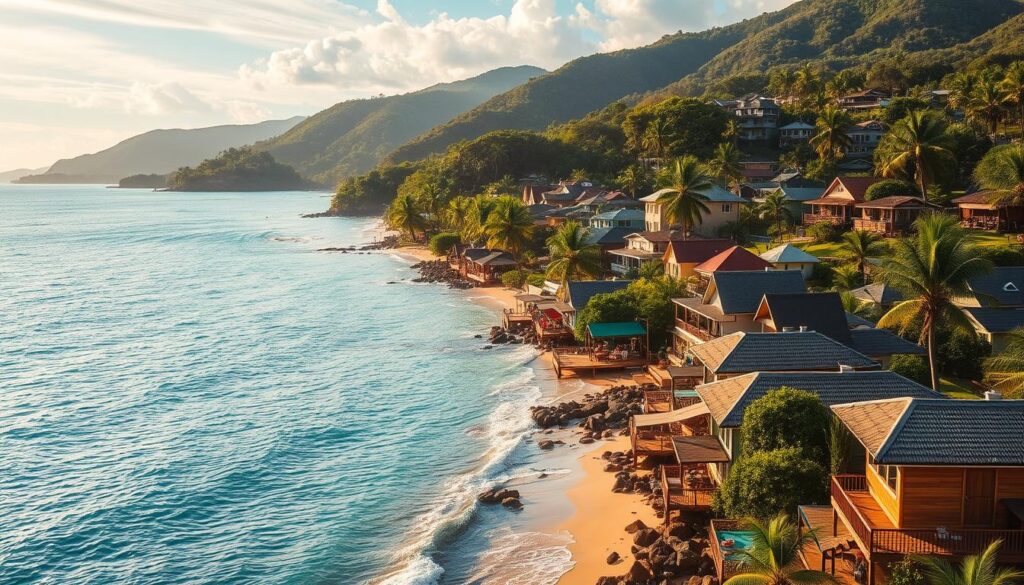
You’ll find diverse options from city condos to beachfront bungalows. Each offers different advantages for your lifestyle.
Short-Term and Long-Term Stays
Hotels provide excellent value for initial exploration. Agoda consistently offers the best price and selection across the islands.
Airbnb exists but often lacks competitive rates. Always compare multiple platforms before booking any accommodation.
For stays longer than a month, contact local real estate agents directly. They frequently offer better deals than online platforms.
| Accommodation Type | Average Monthly Cost | Best For | Kitchen Availability |
|---|---|---|---|
| Co-living Space | $170-$424 | Community seekers | Shared kitchen |
| Private Apartment | $255-$680 | Privacy needs | Often limited |
| Siargao Rental | Variable rates | Island lifestyle | Usually basic |
Manila and Cebu offer lower quality-to-price ratios than other Southeast Asian hubs. This reflects Manila’s status as the world’s most densely populated city.
Always confirm kitchen facilities if cooking at home matters to you. Many rentals lack proper cooking spaces.
Your perfect place awaits with careful research. The right accommodation makes all the difference in creating your ideal coastal home.
Savoring Local Cuisine and Dining Experiences
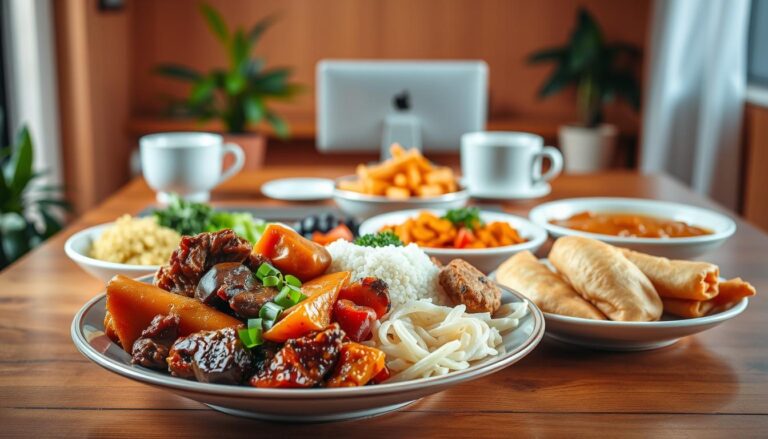
Your culinary journey along the coast is an adventure in itself, revealing a distinct flavor profile that sets the local food apart from its Southeast Asian neighbors. The heavy use of vinegar and a focus on meats, especially the ubiquitous roast pig (Lechon), creates a hearty and unique experience.
This food culture divides opinions. Some adore the bold flavors, while others find it challenging compared to the delicate spices of Thailand or Singapore.
Street Food versus Restaurant Dining
Exploring local places to eat is both affordable and rewarding. Street food starts around $0.85 per plate. This is about double the price of Thai street food but remains a fantastic deal.
Local restaurants offer incredible value. Meals typically cost between $2.55 and $5.09. They often feature buffet-style service, letting you sample many dishes.
For a more upscale experience, international restaurants begin at roughly $8.49 per person. These places provide familiar cuisines at a fraction of the cost back home.
| Dining Option | Average Cost Per Meal | Best For |
|---|---|---|
| Street Food | $0.85+ | Quick, authentic bites |
| Local Restaurant | $2.55 – $5.09 | Value & variety |
| International Restaurant | $8.49+ | Special occasions |
Finding healthy options can require more effort, as fried meats are central to many meals. However, with an open mind, the local food scene becomes a highlight of coastal living.
Visa, Legal, and Tax Considerations for Extended Stays
Before you pack your bags, understanding the visa regulations is your most important preparation step. Most visitors from Western countries receive a 30-day waiver upon arrival.
You’ll need proof of onward travel within this period. Airlines may deny boarding without this documentation. Make sure you have your exit flight booked.
Extending your stay is straightforward. A 6-month visa extension costs just over $200. This gives you ample time to explore the islands.
Overstaying carries steep penalties. The fine starts at nearly $100 even for one day. This same fee applies for up to 30 days of overstay.
| Visa Type | Duration | Cost | Requirements |
|---|---|---|---|
| Visa Waiver | 30 days | Free | Onward ticket required |
| Tourist Extension | 6 months | $200+ | Application at immigration |
| SRRV | Multiple years | Bank deposit | Age 35+, financial proof |
Tax considerations become important for longer stays. Spending less than 180 days per year generally avoids local tax on foreign income. Beyond this, you become a tax resident.
The Philippines has double taxation agreements with many countries. Consulting a tax professional is wise for extended stays. This ensures compliance with all regulations.
Connecting with the Digital Nomad Community
Building meaningful connections with fellow remote professionals transforms a simple relocation into a rich, supported experience. The social network you build is as vital as your internet connection for a successful stay.
Unlike other Southeast Asian hotspots, the scene here feels more authentic. You won’t find the overwhelming tourist crowds common in Thailand.
Networking and Social Integration
Filipinos are known for their warmth and high English proficiency. This makes integrating into local life remarkably smooth. Language barriers are virtually non-existent.
Traditional networking apps like Meetup have limited use here. A more proactive approach is needed to find your people.
The best way to meet other digital nomads is by frequenting coworking spaces. These hubs are natural gathering points for remote workers. Don’t hesitate to introduce yourself; everyone is generally open to new connections.
Online communities are incredibly valuable. Reddit Philippines and specific Facebook groups are goldmines for information. You can arrange meetups and get local advice before you even arrive.
| City Hub | Community Focus | Best Platform for Connection |
|---|---|---|
| Manila | Business & Entrepreneurship | Facebook Groups |
| Cebu | Tech & Startups | Coworking Spaces |
| Davao | Growing Expat Scene | Reddit Philippines |
This experience is enhanced by the local culture. Filipinos are genuinely helpful and courteous. Building a community here leads to a deeper, more rewarding business and personal work life.
Conclusion
Embracing the mobile professional lifestyle in this tropical archipelago requires both preparation and adaptability. This comprehensive guide has equipped you with everything needed to thrive as a digital nomad in this beautiful country.
The Philippines offers incredible rewards for those willing to navigate its unique challenges. You’ll discover pristine beach destinations and build meaningful connections within the growing community of remote workers.
Before your trips, make sure you have the right mindset and practical preparations in place. This destination provides a special opportunity to balance productive work with unforgettable adventures.
Many nomads find themselves extending their stay for years once they experience the quality of life available. The welcoming culture and stunning natural places make this country a top choice for location-independent professionals worldwide.