Travel Deeper: Work and Learn Local Traditions in Philippines
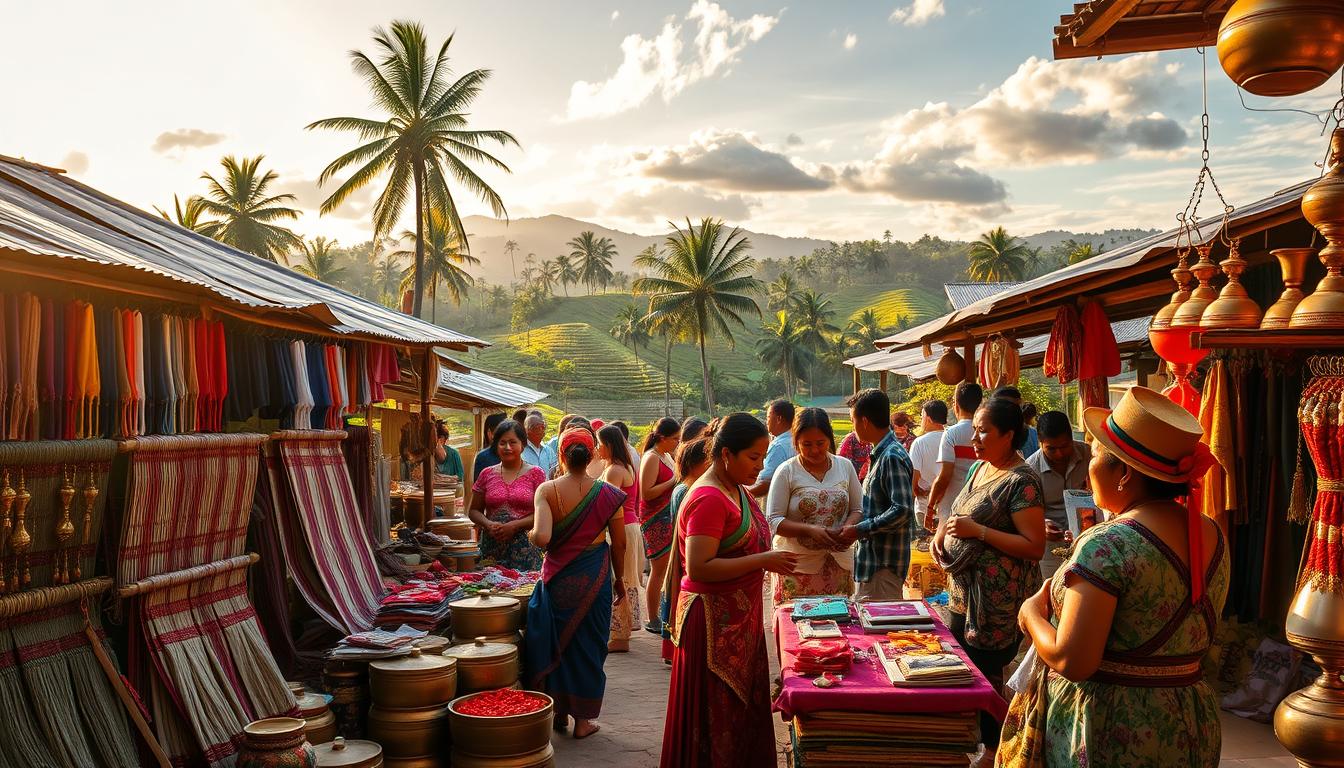
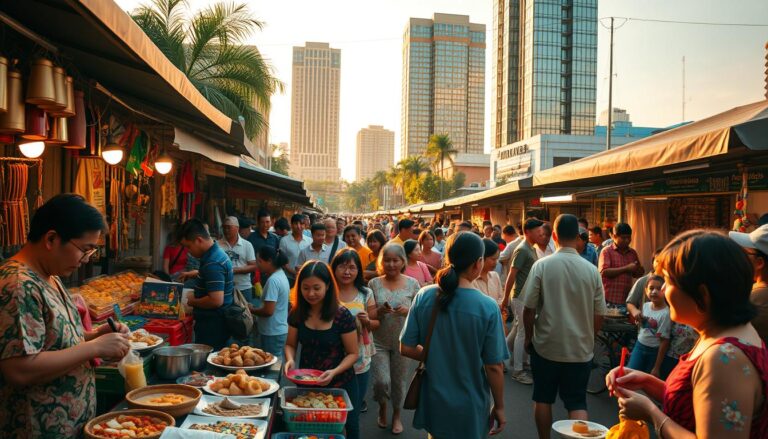
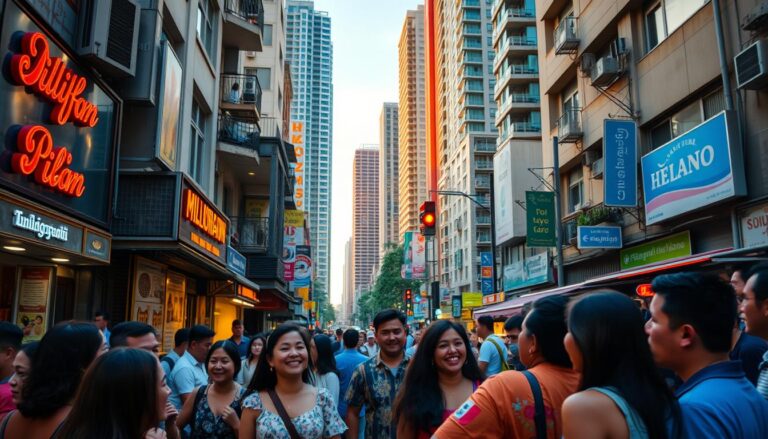
Imagine exploring a nation known for its vibrant heritage and warm hospitality. This archipelago offers more than picturesque landscapes. It provides a gateway to authentic cultural immersion.
Many visitors seek meaningful connections with the communities they encounter. By engaging directly with daily life, you gain insights beyond typical tourist activities. This approach transforms your journey into a rich, personal experience.
Combining professional opportunities with cultural discovery creates lasting memories. You move from observing to actively participating in time-honored practices. This hands-on involvement fosters genuine understanding and appreciation.
Our guide will show you practical ways to connect with local communities. Discover how to contribute positively while gaining invaluable knowledge. Prepare for a transformative adventure that reveals the true heart of this remarkable country.
Key Takeaways
- Experience authentic cultural immersion beyond standard tourism
- Connect meaningfully with local communities and their practices
- Transform from observer to active participant in daily life
- Combine professional development with cultural discovery
- Gain deeper understanding of heritage and customs
- Create lasting memories through hands-on involvement
- Learn practical ways to engage respectfully with local traditions
Introduction to the Authentic Filipino Experience
Authentic engagement with Filipino society begins with understanding the living traditions that shape everyday interactions. This approach moves beyond surface-level observations to reveal the true heart of filipino culture.
Setting the Stage for Cultural Immersion
True immersion differs greatly from standard tourism. While typical visitors might see sights, engaged participants connect with the living culture. They learn how daily practices reflect deeper values.
Filipino society has absorbed many influences throughout history. Yet it maintains unique customs that define the way people relate to each other. These practices are not historical artifacts but active parts of community life.
Why Local Traditions Matter
Understanding these practices unlocks meaningful experiences. They reveal how communities view the world and interact with each other. Each gesture and celebration carries significance.
Respecting local customs creates a profound sense of connection. It shows cultural sensitivity and opens doors to transformative encounters. This mutual understanding builds bridges between different worlds.
By embracing these living traditions, you participate in something genuine. You move from observer to welcomed guest, creating memories that last long after your journey ends.
Understanding Filipino Cultural Heritage
Filipino cultural heritage stands as a testament to the nation’s ability to integrate diverse external elements. This unique blend creates the rich tapestry that defines the country today.
The evolution of local customs reflects centuries of interaction with different civilizations. Each influence left its mark while being adapted to local contexts.
Historical Influences on Filipino Customs
Various cultures contributed to what we now recognize as Filipino culture. Indigenous Malay traditions formed the foundation. Spanish colonization introduced Catholic beliefs and European social structures.
American occupation brought educational systems and democratic ideals. Chinese trade networks influenced commerce and culinary practices. These diverse sources created a fascinating cultural fusion.
| Historical Influence | Key Contributions | Modern Manifestations |
|---|---|---|
| Malay Indigenous | Community values, language roots | Bayani spirit, barangay system |
| Spanish Colonial | Catholic religion, family emphasis | Fiestas, close-knit households |
| American Period | Education, governance | English usage, democratic values |
| Chinese Trade | Commerce, cuisine | Business networks, food traditions |
The Role of Family and Community
Family represents the cornerstone of social life. Extended family members often share one home across generations. This arrangement creates strong support networks.
Adult children typically live with parents until marriage. Elderly relatives rarely enter nursing facilities. The entire family shares responsibilities and decision-making.
These practices reflect deeply held beliefs about interdependence. They contrast with Western individualism, emphasizing collective welfare over personal desires.
Embracing Timeless Local Traditions
Visitors quickly notice how deeply ingrained traditional practices are in the Filipino way of life. These customs create a framework for social harmony and mutual respect.
Respect, Pagmamano, and Bayanihan
One visible tradition is pagmamano. This gesture involves taking an elder’s hand and gently bringing it to one’s forehead while saying “Mano po.” It demonstrates profound respect for older generations.
The bayanihan spirit represents community cooperation at its finest. Neighbors come together to help without expecting payment. This collective effort reflects the Filipino value of mutual support.
Originally, bayanihan involved literally carrying houses to new locations. Today, it symbolizes any situation where people rally to assist others in need.
Daily Life, Superstitions, and Rituals
Superstitious beliefs guide many daily decisions. People avoid sweeping at night to prevent losing good fortune. They serve noodles at birthdays for long life.
Concepts like hiya (sense of propriety) and utang na loob (debt of gratitude) govern social interactions. These values shape how Filipinos maintain family relationships and community bonds.
While visitors aren’t expected to adopt all beliefs, showing respect for these traditions opens doors to meaningful connections. Cultural sensitivity creates bridges between different worlds.
Travel Deeper: Work and Learn Local Traditions in Philippines
Combining professional contributions with cultural discovery creates meaningful connections that last a lifetime. This approach transforms visitors into active participants rather than passive observers.
Opportunities for Work and Cultural Learning
Engaging in meaningful work alongside community members opens doors to authentic experiences. Teaching English in rural schools provides valuable skills to children while giving you insider perspectives.
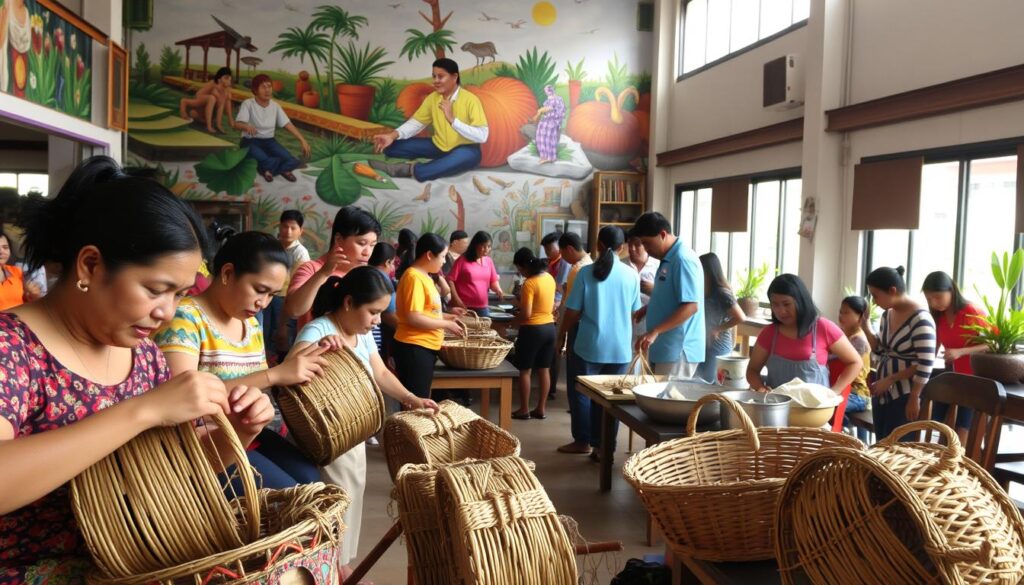
Agricultural participation lets you understand rural life firsthand. Sharing professional expertise with small businesses creates mutual benefits for everyone involved.
Experiences Beyond Tourist Attractions
Homestays offer the most genuine way to experience daily life. You become part of family routines and celebrations.
“The most profound learning happens when you contribute rather than just consume.”
Hiring guides from villages ensures your support directly benefits the community. This approach provides authentic insights from people who live these traditions daily.
| Opportunity Type | Cultural Benefits | Community Impact |
|---|---|---|
| Teaching English | Daily interaction with families | Educational support for youth |
| Agricultural work | Understanding farming practices | Support for local farmers |
| Homestay participation | Immersion in family culture | Direct economic benefits |
| Skill-sharing projects | Collaboration with locals | Professional development |
Even short-term engagements create lasting memories. Asking “How can I help?” demonstrates genuine interest in contributing meaningfully.
Immersing in Filipino Festive Celebrations
Throughout the archipelago, festive occasions transform ordinary towns into centers of cultural expression. These celebrations offer unparalleled opportunities to witness living traditions in their most vibrant forms.
Fiestas, Festivals, and Community Feasts
Every region hosts annual fiestas honoring patron saints with colorful street parades. Major events like Sinulog and Ati-atihan attract thousands of people worldwide. These festivals blend religious devotion with cultural pride through elaborate dances.
Participating in these activities lets you experience Filipino hospitality at its peak. Families open their homes to guests, preparing elaborate feasts for strangers. Entire communities unite for multi-day celebrations.
Special Traditions: Christmas and Holy Week
Christmas begins unofficially in September, making it the world’s longest celebration. The cherished Simbang Gabi involves nine dawn masses starting December 16th. Families walk to church in early morning darkness during this time.
The midnight noche buena meal on December 24th brings everyone together. Traditional food like lechon and spaghetti grace every table. Children exchange gifts with relatives during this special night.
Holy Week showcases deep Catholic faith through solemn processions. Some provinces even feature reenactments of Christ’s crucifixion. These ancient customs demonstrate the intensity of religious devotion across generations.
Experiencing Authentic Filipino Cuisine and Home Life
The heart of Filipino culture beats strongest around the dining table, where meals become moments of genuine connection. Food serves as the central pillar of daily life, with families gathering five times daily for breakfast, lunch, dinner, and two merienda snacks.
Rice forms the foundation of every meal, truly embodying the saying “rice is life.” Unlike Western dining where courses arrive separately, Filipino tables present all dishes simultaneously. This creates a communal feast atmosphere.
From Boodle Fights to Hand-Eating Rituals
The practice of eating with bare hands, known as kamayan, remains a cherished tradition across social classes. This intimate way of dining enhances flavors and fosters camaraderie. It’s not about poverty but about sensory connection.
Boodle fights take communal dining to another level. Inspired by military customs, food spreads across banana leaves on long tables. Everyone eats with their hand, symbolizing equality regardless of status.
Filipino hospitality shines brightest during meals. Home hosts often bring out special dishes and new utensils reserved for guests. Even modest family households prepare feasts when visitors arrive.
Participating in these dining traditions offers authentic insights into Filipino home life. The pasalubong practice of bringing food gifts strengthens bonds. Accepting meal invitations opens doors to deeper cultural understanding.
Exploring Responsible and Sustainable Travel
Every journey offers an opportunity to contribute positively to the places and people who welcome you as a guest. Sustainable practices ensure your visit leaves a beneficial legacy for the local community.
Adopting the CLAYGO Mindset
The CLAYGO principle—Clean As You Go—encourages visitors to leave each place cleaner than they found it. This simple way of thinking helps preserve natural beauty for future generations.
Carry a small bag for collecting litter during your explorations. Be mindful of waste management in remote areas where infrastructure may be limited.
Supporting Local Businesses and Eco-Friendly Practices
Choose reef-safe sunscreen and reusable products to protect delicate ecosystems. Your purchasing decisions directly impact the world around you.
Supporting locals through guided tours and family-run shops keeps money within the community. This creates economic opportunities while preserving traditional practices.
Consider purchasing school supplies from village stores for donation. This approach supports both the immediate need and surrounding town economies.
These conscious choices create a sense of partnership rather than extraction. They align beautifully with the Filipino spirit of bayanihan, making you part of the solution.
Practical Tips for Working and Learning Locally
Working side-by-side with community members transforms visitors from observers to active participants. This hands-on approach creates genuine connections that last a lifetime.
Agrotourism and Farm Stays
Agrotourism provides incredible opportunities to understand rural life. At places like Bohol Bee Farm, you can spend a day learning sustainable practices while enjoying fresh organic food.
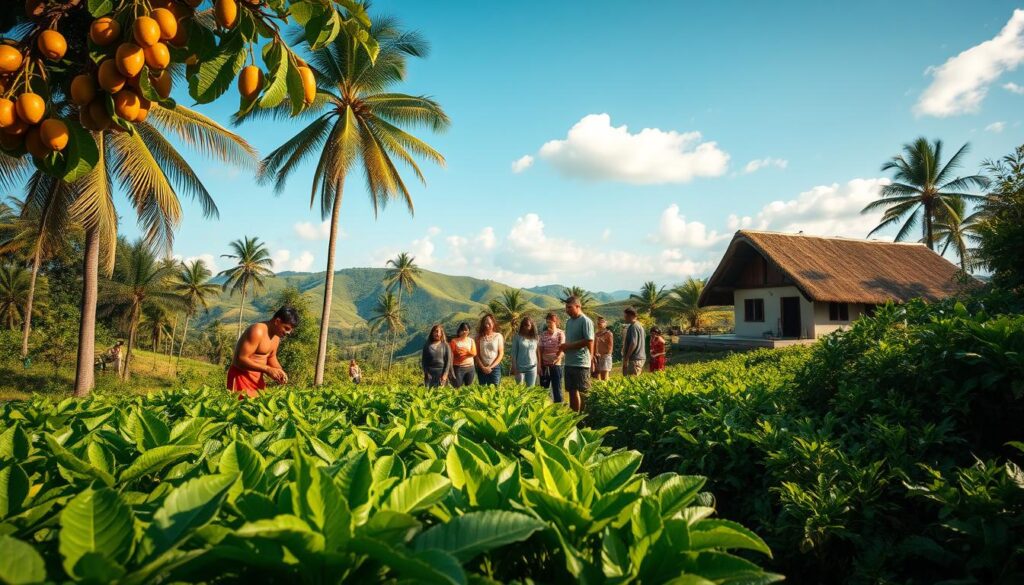
Farm stays immerse you completely in agricultural rhythms. You’ll wake early to help with feeding animals and harvesting crops. This work gives authentic insights into daily challenges farmers face.
Community Engagement and Skill Sharing
When visiting remote areas like Buscalan village, connect directly with locals through community Facebook groups. This ensures your support benefits the people whose traditions you’re experiencing.
Spend several days rather than just getting your experience and leaving. This extra time allows you to build real relationships and participate in daily activities.
Simple conversations with children provide valuable language practice. Bringing school supplies from nearby towns makes a big difference in remote communities.
Always ask “How can I help?” rather than assuming what’s needed. This respectful approach ensures your contributions are actually useful to the community.
Integrating Work, Learning, and Cultural Experiences
The most meaningful connections form when you contribute your skills while embracing local ways of living and working. This integrated approach creates a holistic experience that enriches both professional contributions and personal growth.
Balancing Professional and Cultural Immersion
Effective integration means setting aside specific time for work tasks while leaving other parts of the day open for community activities. This balance allows you to participate in spontaneous cultural moments that arise naturally.
Working alongside Filipino people reveals their values of sipag at tiyaga—hard work and perseverance. You’ll witness firsthand how they approach challenges with resilience and humor.
The bayanihan spirit extends to professional settings, where colleagues support each other like family members. This creates a sense of community that makes collaborative efforts feel like shared life experiences.
Adapting to local work culture means prioritizing relationships and harmony. This approach helps you navigate interactions respectfully while understanding collective success over individual achievement.
Participating in both professional and cultural activities gives you multiple perspectives on daily life. From workplace observations to family gatherings, you’ll discover different things about the culture.
This integrated approach transforms you from observer to temporary community member. You’ll build lasting relationships and develop a profound connection to the place and its people.
Conclusion
What makes the filipino culture so transformative is how ancient customs seamlessly blend with modern life across generations. This remarkable country showcases a living culture where time-honored practices remain vibrant despite changing times.
The Filipino people welcome visitors as temporary family members, sharing their unique blend of hospitality and community spirit. Working alongside local families reveals profound insights into their core values and beliefs.
Approach each experience with genuine curiosity and respect. Responsible practices ensure your visit benefits the communities and natural areas that make this place special.
By embracing this deeper connection, you’ll carry home not just memories but lasting friendships. The phrase “only in the Philippines” will take on personal meaning through your unique stories and experiences.