
Visa Runs Made Fun: Travel While You Renew in The Philippines

What if your next paperwork requirement became an exciting journey instead of a chore? Many explorers have discovered that staying compliant with entry regulations can open doors to incredible experiences.
This beautiful archipelago nation offers the perfect blend of straightforward entry processes and breathtaking destinations. American passport holders can enjoy initial stays without special documentation.
The landscape here is truly spectacular. With over 7,600 islands spread across three main regions, there’s always something new to discover. From Luzon’s bustling capital to the Visayas’ stunning beaches and Mindanao’s rich culture, each area offers unique adventures.
Thousands of visitors have successfully combined their legal requirements with unforgettable journeys over the years. This approach transforms what could be stressful into something genuinely enjoyable.
Our guide will show you how to navigate the system while discovering hidden gems. You’ll learn practical strategies for making the most of your time between exploring stunning coastlines and cultural sites.
With proper planning, managing your stay becomes part of the adventure rather than an obstacle. The following sections provide insider tips to help you create lasting memories.
Key Takeaways
- Document renewal trips can become opportunities for exploration and discovery
- American visitors can enter without special paperwork for initial stays
- The country features three distinct regions with diverse landscapes and cultures
- Proper planning transforms regulatory requirements into enjoyable experiences
- Thousands of people have successfully combined compliance with adventure over the years
- Understanding local regulations helps create stress-free extended stays
- Hidden beaches and cultural sites await beyond the main tourist areas
Understanding Visa Runs in the Philippines
Long-term visitors often find that compliance with entry regulations leads to unexpected travel opportunities. This process involves understanding the legal framework for extended stays.
What is a Visa Run?
A visa run means exiting a country before your authorized stay expires. You then re-enter to reset your status or obtain a new entry stamp.
This approach lets you explore neighboring countries while maintaining legal compliance. Many travelers prefer this method over dealing with local bureaucracy.
How Visa Regulations Affect U.S. Travelers
American citizens enjoy visa-free entry upon arrival. This allows an initial stay of up to 30 days without advance paperwork.
Your exit ticket must show departure within this 29-day period. Immigration officials may request proof of onward travel when processing extensions.
After your initial days, you have two main options. You can extend your tourist visa locally or exit for a fresh 30-day stamp upon return.
| Option | Duration | Requirements | Best For |
|---|---|---|---|
| Visa-Free Entry | Up to 30 days | Proof of onward travel | Short-term visitors |
| Visa Extension | Additional months | Local immigration processing | Longer stays without travel |
| Visa Run | Fresh 30 days upon return | Exit and re-entry | Explorers wanting regional travel |
Thousands of expats use this well-established process monthly. Proper documentation ensures smooth experiences with immigration requirements.
Planning Your Visa Run: Travel Essentials and Preparation
Getting your documents and health precautions in order before departure ensures your journey remains focused on adventure. Proper organization eliminates potential stress points.
Required Travel Documents and Visa Regulations
Your passport must be valid for at least six months beyond your planned stay. This standard applies throughout the region. Ensure you have plenty of blank pages for entry and exit stamps.
Make copies of all important documents. Store them separately from originals. Keep digital copies in cloud storage for easy access.
Research entry requirements for any neighboring country you plan to visit. Each destination has different rules.
Health Precautions and Travel Insurance Tips
The World Health Organization recommends several vaccinations. These include hepatitis A and B, typhoid, and Japanese encephalitis. Routine immunizations provide essential protection.
Travel insurance covers medical emergencies and trip cancellations. This small investment can save significant money if unexpected events occur.
Budget for flights, accommodation, and activities. Include a buffer for spontaneous adventures. Check current health advisories through official sources.
Give yourself plenty of time to organize these essentials. Start preparations weeks before your trip rather than rushing.
Navigating Ticketing Options and Exit Ticket Rules
Your ticket strategy can make or break your entry experience at Philippine immigration. Officials require proof of departure within your initial 29-day stay period. Having this documentation ready streamlines the process.

Several approaches exist for meeting this requirement. Each offers different levels of flexibility and cost.
Comparing Onward, Cancelable, and One-Way Ticket Options
Temporary reservation services provide budget-friendly solutions. These show valid flight details for immigration checks. However, they offer limited flexibility if plans change.
The 24-hour cancellation strategy works well for regional trips. You book a real ticket and cancel within the grace period. Longer international flights make this approach more complex.
Budget carriers like Cebu Pacific offer affordable one-way flights. Destinations like Hong Kong or Macau work perfectly. Monitoring sales can yield tickets under $50.
| Ticket Type | Cost | Flexibility | Best For |
|---|---|---|---|
| Temporary Reservation | Lowest | Limited | Strict budgets |
| 24-Hour Cancelable | Medium | Short-term | Quick regional trips |
| Actual One-Way | Variable | High | Planned departures |
| Refundable Fare | Highest | Maximum | Uncertain plans |
Tips for Booking Refundable International Fares
Refundable tickets cost more money initially but provide peace of mind. They allow changes without significant penalties. Always check cancellation policies before purchasing.
Managing Exit Ticket Deadlines and Flexibility
Book your return flight with buffer time before your 29-day period ends. This avoids last-minute stress. Keep proof of onward travel easily accessible during entry.
Planning multiple trips? Coordinate flight bookings in advance. This saves both time and money while ensuring compliance.
Exploring the Philippines: Top Destinations and Hidden Gems
Beyond the necessary paperwork, a world of vibrant urban life and pristine island shores awaits discovery. Each region offers a unique slice of this diverse country.
Your adventure often begins in a major urban center. These hubs are gateways to rich culture and exciting activities.
City Adventures in Manila, Cebu, and Davao
Manila, the “Pearl of the Orient,” is a fascinating capital city. Dive into history at Intramuros and sample incredible street food in Binondo.
Cebu City blends urban sophistication with natural wonders. It’s the perfect base for historical tours and thrilling water activities just outside the city.
Davao City is an underrated gem and the largest city by area. It offers unique activities like visiting a chocolate museum and serves as a gateway to Mount Apo.
Island Escapes and Beach Retreats
The real treasure of this archipelago is its 7,600 islands. You’ll find endless opportunities for island-hopping adventures.
Panglao Island boasts stunning white-sand beaches. It’s a popular spot for tourists and a perfect jump-off point for diving.
El Nido in Palawan features dramatic limestone cliffs. Every part of your day can be spent kayaking through hidden lagoons.
For a more laid-back island culture, head to Siargao. This surfing capital attracts people from all over the globe year after year.
Venture to Camiguin, the “Island Born of Fire,” for a unique experience. It sees fewer tourists and offers hot springs and pristine beaches.
Each destination provides a completely different experience. Exploring different parts of the country rewards curious travelers with unforgettable memories.
Visa Runs Made Fun: Travel While You Renew in The Philippines
Many long-term visitors discover that leaving the country periodically opens doors to deeper cultural immersion. This approach transforms regulatory requirements into meaningful adventures.
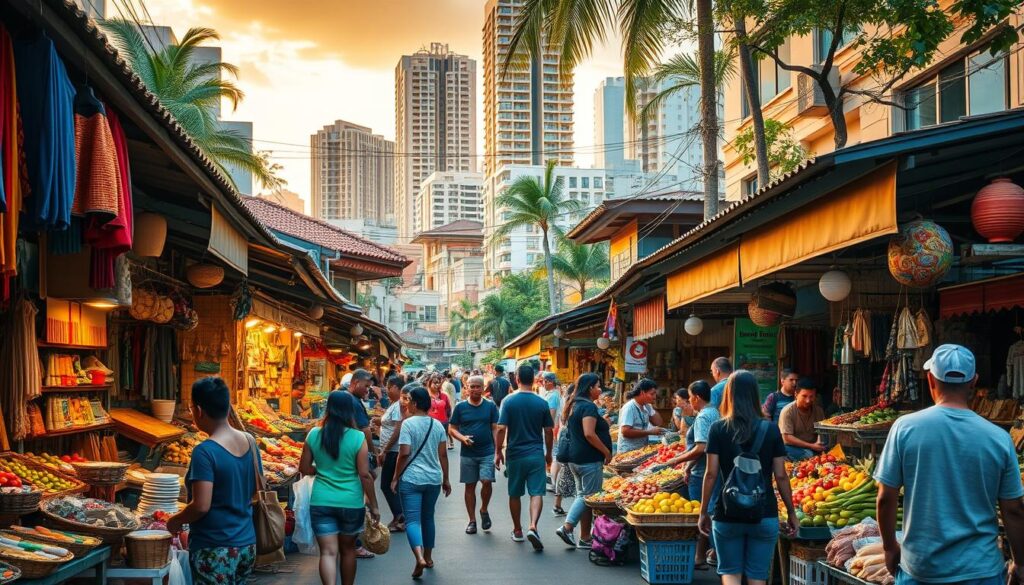
Making the Most of Your Stay with Local Experiences
Shift your perspective from viewing exits as chores to seeing them as built-in exploration opportunities. Each return brings excitement to discover new regions.
Expat communities often form around this lifestyle. Digital nomad groups share tips and organize trips together. These connections create strong social networks.
Learning basic Tagalog phrases shows respect for local culture. Use terms like “Kuya” and “Ate” when addressing people. These small gestures enrich your experience significantly.
| Experience Type | Cultural Benefit | Time Commitment | Local Interaction Level |
|---|---|---|---|
| Neighborhood Eateries | Authentic cuisine | Daily meals | High |
| Local Transportation | Everyday life insight | As needed | Medium |
| Community Festivals | Cultural traditions | Seasonal | Very High |
| Language Exchange | Communication skills | Weekly | High |
Combining Visa Renewal with Cultural Exploration
Time your returns to coincide with cultural festivals and celebrations. Each homecoming feels like arriving for a special occasion.
Seek authentic experiences beyond typical tourist spots. Eat at carinderias and ride jeepneys like locals do. Attend Sunday mass at historic churches to understand community life.
This lifestyle creates a natural rhythm of exploration throughout the year. You might spend one month diving, then another hiking mountains. Each period offers fresh perspectives.
Build genuine connections with local people through respectful engagement. The true magic happens when you treat the archipelago as a temporary home rather than just a destination.
Conclusion
Thousands have discovered that managing entry requirements can open doors to incredible regional experiences. This approach transforms what could be stressful into genuine adventure.
Remember key tips: your initial stay allows 29 days, and smart ticketing strategies save money. The country offers diverse destinations across its many islands and bustling city centers.
Prepare for logistics like local currency. Philippine Pesos are essential, and cash is king on remote islands. Major airports serve as convenient hubs.
Financial planning makes extended stays smoother over months or years. Many tourists and the expat community have successfully embraced this lifestyle.
View your first border crossing as the beginning of sustainable exploration. With proper preparation, you’ll create unforgettable memories while staying compliant.