Why I Chose the Philippines Over Bali for Remote Work
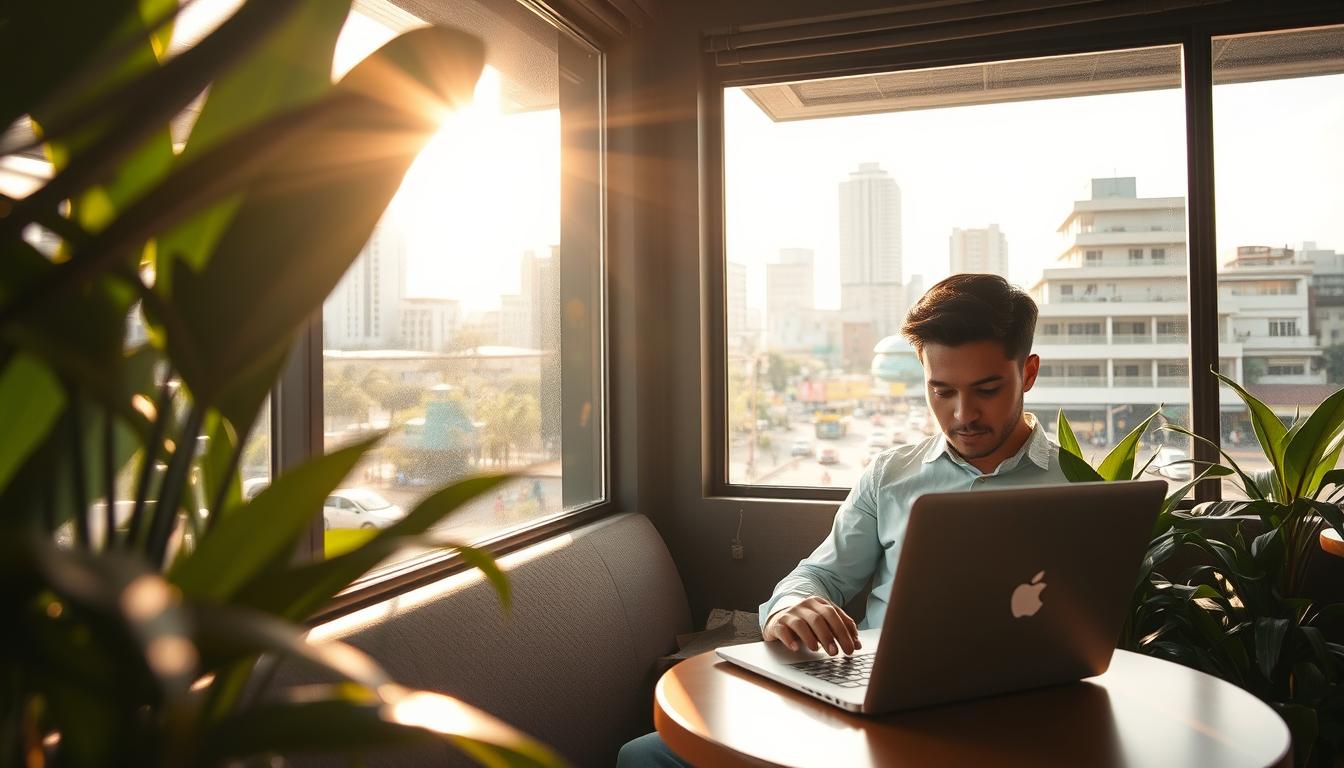
Making the decision between two incredible Southeast Asian destinations for my remote work journey was both exciting and challenging. As someone who’s embraced the digital nomad lifestyle, I found myself torn between these two amazing countries.
Southeast Asia has become a premier region for location-independent professionals. Both the Philippines and Bali frequently compete for attention among remote workers worldwide. Each offers unique experiences that appeal to different types of nomads.
This comparison comes from real experience rather than brief visits. I’ve spent significant time in both places, understanding what matters most to professionals living this mobile lifestyle.
The choice ultimately depends on personal priorities and work requirements. Factors like cost of living, community dynamics, and cultural fit played crucial roles in my decision. Practical considerations for location-independent work also weighed heavily.
Both destinations have remarkable strengths. This honest comparison aims to help you make an informed choice based on your specific needs. Whether you’re drawn to the Philippines’ island paradise or Bali’s cultural richness, understanding the nuances can guide your decision.
For those considering Southeast Asia, it’s worth exploring top global backpacking destinations to understand the region’s appeal. The area offers incredible value and diverse experiences for remote workers.
Key Takeaways
- Southeast Asia offers premier destinations for digital nomads and remote workers
- The choice between locations depends heavily on personal preferences and work style
- Cost of living, community, and cultural fit are critical factors to consider
- Both the Philippines and Bali have unique strengths for the nomad lifestyle
- This comparison is based on real experience living and working in both countries
- Practical considerations for remote work should guide your destination choice
- The decision is highly personal and varies by individual priorities
Setting the Stage for Remote Work in Southeast Asia
The remote work revolution has found its perfect playground in Southeast Asia’s diverse landscapes and cultures. This region offers an ideal blend of affordability and adventure for location-independent professionals.
Southeast Asian countries have become magnets for digital nomads seeking both productivity and paradise. The area’s tropical climate and rich cultural tapestry create an inspiring environment for remote work.
Emerging Digital Nomad Trends
Digital nomad trends have shifted dramatically in recent years. What began as backpacker-style travel has evolved into sophisticated remote work arrangements.
Professional coworking spaces now dot the region’s major hubs. These spaces offer reliable internet and networking opportunities for mobile professionals.
The post-2020 era accelerated remote work adoption worldwide. This created unprecedented demand for long-term travel destinations that balance work and lifestyle.
The Evolving Remote Work Landscape
Companies increasingly embrace location-independent arrangements. This openness allows professionals to choose living spaces based on personal preferences rather than office proximity.
Time zone considerations play a crucial role for digital nomads. Southeast Asia’s position offers unique scheduling advantages and challenges depending on client locations.
Different countries respond uniquely to the nomad influx. Some develop specialized visa programs while others focus on infrastructure improvements.
| Country | Monthly Cost | Internet Speed | Visa Options |
|---|---|---|---|
| Thailand | $1,200-$1,800 | 50-100 Mbps | Tourist, Education |
| Vietnam | $900-$1,400 | 30-70 Mbps | Business, E-Visa |
| Indonesia | $1,000-$1,600 | 25-60 Mbps | Social/Cultural |
| Philippines | $800-$1,300 | 20-50 Mbps | Tourist, SRRV |
The competition between destinations continues to intensify. Each country highlights unique advantages while addressing infrastructure challenges to attract more digital nomads.
Unique Digital Nomad Culture in the Philippines
What truly sets this archipelago apart is its remarkable human connection and welcoming atmosphere. The local culture creates an environment where digital professionals feel immediately at home.
Warm Locals and Community Spirit
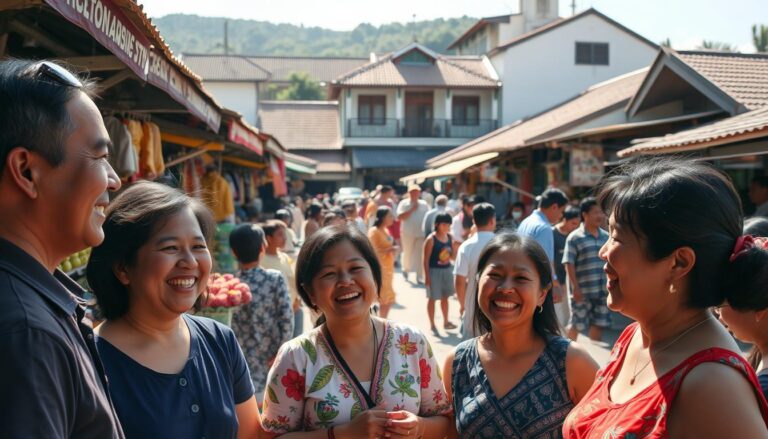
Filipino people are exceptionally friendly and welcoming. Their hospitality often surpasses even Thailand’s famous standards.
The strong sense of community among locals makes foreigners feel genuinely embraced. This place offers authentic connections rather than transactional relationships.
English proficiency throughout the country eliminates frustrating language barriers. Most people speak conversational English, with younger generations sounding nearly native.
Local Amenities and Everyday Life
Customer service standards approach Western levels of quality. Service providers typically address visitors with respectful “Sir” or “Ma’am” greetings.
Daily life flows smoothly with accessible amenities and helpful locals. The relatively low foreign tourist presence means you experience authentic culture without commercial overload.
Learning basic Tagalog is easier than most Asian languages. Knowing even a few words makes you popular with local people.
Exploring Bali’s Digital Nomad Lifestyle
Digital professionals discover an extraordinary balance between productivity and paradise on this iconic island. Bali has become a magnet for remote workers seeking both inspiration and infrastructure.
Natural Beauty and Leisure Opportunities
The island boasts some of the most stunning beaches in the world. From white sands in Sanur to dramatic black shores in Canggu, the scenery captivates visitors.
Outdoor enthusiasts find endless activities here. Surfing breaks attract water sports fans, while lush rice terraces offer peaceful hiking trails. Volcanic landscapes and waterfalls create unforgettable weekend adventures.
“Bali teaches you that work and wonder can coexist in perfect harmony.”
The Blend of Tradition and Modern Coworking Spaces
Ancient temples stand beside contemporary work spaces across the island. This unique Hindu culture creates a relaxed atmosphere distinct from other Indonesian regions.
The famous “Bali life” vibe attracts nomads worldwide. Modern coworking hubs offer reliable internet alongside traditional Balinese design elements.
| Area | Nomad Community | Internet Speed | Key Features |
|---|---|---|---|
| Canggu | Established | 50-80 Mbps | Beach cafes, surfing |
| Ubud | Growing | 40-70 Mbps | Rice terraces, yoga |
| Seminyak | Established | 60-90 Mbps | Upscale dining, boutiques |
Traffic remains the main challenge, turning short trips into lengthy journeys during peak time. Most nomads choose to live near their frequented spaces to save time.
Why I Chose the Philippines Over Bali for Remote Work
For location-independent professionals, the ease of daily living often determines success more than scenic beauty. The human experience shapes productivity and satisfaction in profound ways.
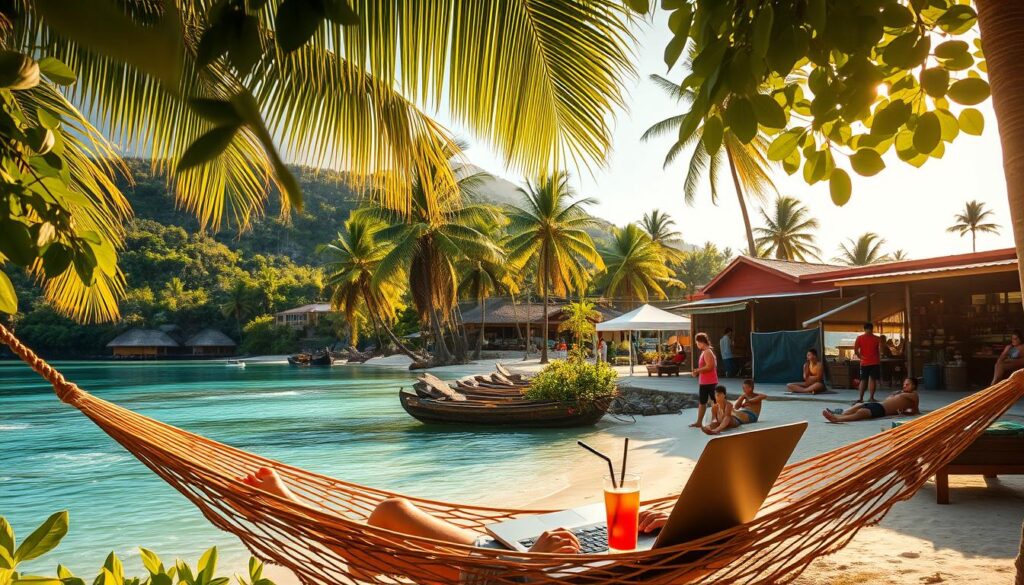
Enhanced Quality of Life and Affordable Living
Daily life flows smoothly with exceptional value for money. The cost of living remains remarkably affordable compared to many popular destinations.
Food prices compete with Thailand and Georgia, offering incredible quality-to-price ratios. This archipelago provides authentic urban experiences without overwhelming tourist crowds.
Smoother Communication and Cultural Fit
English fluency eliminates frustrating language barriers completely. This fundamental advantage transforms the expat experience from visiting to belonging.
Filipino people exhibit remarkable warmth and helpfulness. Their customer service ethic creates a supportive environment for remote workers navigating daily challenges.
The cultural fit feels natural for Western professionals. American influences make navigation simpler than in more traditional Southeast Asian cultures.
| Quality of Life Factor | Philippines Advantage | Bali Advantage | Key Difference |
|---|---|---|---|
| Daily Communication | Near-universal English fluency | Basic English in tourist areas | Effortless vs. functional |
| Cultural Integration | Immediate sense of belonging | Rich traditional experiences | Familiar vs. exotic |
| Food Affordability | Exceptional value nationwide | Good value in local warungs | Consistent vs. localized |
| Community Support | Natural helpfulness everywhere | Established nomad networks | Organic vs. structured |
While internet and traffic present challenges, the human element and communication ease create a superior daily experience. This way of life prioritizes genuine connections over perfect infrastructure.
Comparing Cost of Living and Accommodation
Budget-conscious digital nomads find significant differences in monthly expenses between these two popular destinations. Understanding these variations helps professionals plan their remote work journey effectively.
The overall cost living picture reveals distinct advantages for different lifestyles. Each location offers unique value propositions that appeal to various budget ranges.
Budget Accommodation and Value for Money
Monthly accommodation costs show dramatic contrasts. The Philippines offers exceptional short-term rental value with decent hotels under $50 nightly.
Bali’s accommodation market has experienced rapid inflation. Villa rentals in popular areas now cost double their pre-pandemic prices.
| Expense Category | Philippines Average | Bali Average | Best Value |
|---|---|---|---|
| Monthly Rental | $300-$600 | $450-$3,000 | Philippines |
| Food & Dining | $200-$400 | $300-$500 | Philippines |
| Local Travel | $50-$100 | $100-$200 | Philippines |
| Coworking Space | $80-$150 | $100-$200 | Similar |
| Entertainment | $100-$200 | $150-$300 | Philippines |
Food shopping represents another area of significant savings. Grocery prices in the Philippines rank among the world’s most affordable.
Domestic travel costs create compelling advantages for explorers. Frequent flight sales and affordable boat transport make island hopping remarkably budget-friendly.
Monthly budget planning requires considering hidden costs. Bali’s imported goods carry heavy taxes while the Philippines offers reasonable wine prices uncommon in Southeast Asia.
Connectivity and Coworking Spaces in Both Destinations
Reliable internet connectivity stands as the foundation of any successful remote work setup. Both locations offer distinct approaches to supporting digital professionals’ daily needs.
Internet Infrastructure and Work Environment
The Philippines presents significant internet challenges that require strategic planning. Connection speeds rank among Southeast Asia’s slowest, creating frustration for bandwidth-heavy tasks.
Smart workarounds make remote work viable despite these limitations. Professionals often base themselves in Manila or Cebu’s IT Park where connectivity improves dramatically.
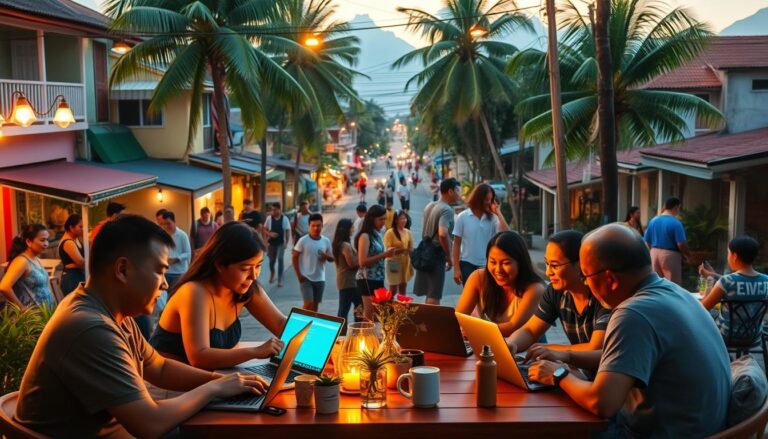
Bali’s infrastructure caters specifically to the nomad community. Coworking spaces in areas like Canggu provide fast, reliable internet with modern facilities designed for productivity.
These dedicated spaces offer quiet rooms and calling booths perfect for focused work. Many establishments host networking events that help digital professionals connect.
The archipelago’s professional coworking spaces provide adequate speeds for most business needs. Meanwhile, Bali’s superior connectivity enables more flexible work arrangements throughout the day.
Each destination supports different work styles effectively. The Philippines excels as a hiring hub while Bali focuses on infrastructure for existing remote businesses.
Navigating Visa and Legal Considerations
Understanding visa regulations and healthcare access can make or break your digital nomad experience in Southeast Asia. Each country offers distinct approaches to welcoming remote professionals.
Visa Options and Digital Nomad Regulations
The Philippines provides straightforward entry for most Western visitors. A 30-day visa waiver serves as an easy starting point for digital nomads.
Make sure you have proof of onward travel when flying to this country. Airlines strictly enforce this requirement, though immigration may not check.
Affordable 6-month extensions create a nomad-friendly environment. This option functions like a digital nomad visa for under $300.
Bali’s official digital nomad visa costs around $1,000 for one year. It requires proof of $60,000 annual income and corporate documentation.
Most remote workers use tourist visas that don’t legally permit work. Authorities currently tolerate this gray area arrangement.
Healthcare and Legal Support Systems
Healthcare access represents another critical consideration. Both destinations require private insurance for foreign visitors.
The Philippines offers exceptional medical value at about one-fourth Western prices. English-speaking professionals provide quality care matching international standards.
Dental work and routine care deliver outstanding value in this country. Many Filipino nurses train in Western hospitals before returning home.
Bali’s healthcare costs vary dramatically between minor and serious treatments. Comprehensive travel insurance becomes essential for any stay.
Research current regulations before planning your trip. Policies change frequently, affecting digital nomads’ legal standing.
Balancing Work, Health, and Local Amenities
The practical aspects of daily life, from commuting to fitness access, shape the remote work experience. Transportation logistics and wellness facilities play crucial roles in balancing work demands with quality of life.
Transportation, Fitness, and Wellbeing
Urban centers in both destinations face significant traffic challenges. City gridlock moves slower than a glacier during peak hours. Bali’s congestion turns short trips into multi-hour ordeals.
Smart solutions include living near frequent destinations. Ride-share apps help navigate congested areas. Inter-island travel offers affordable exploration opportunities.
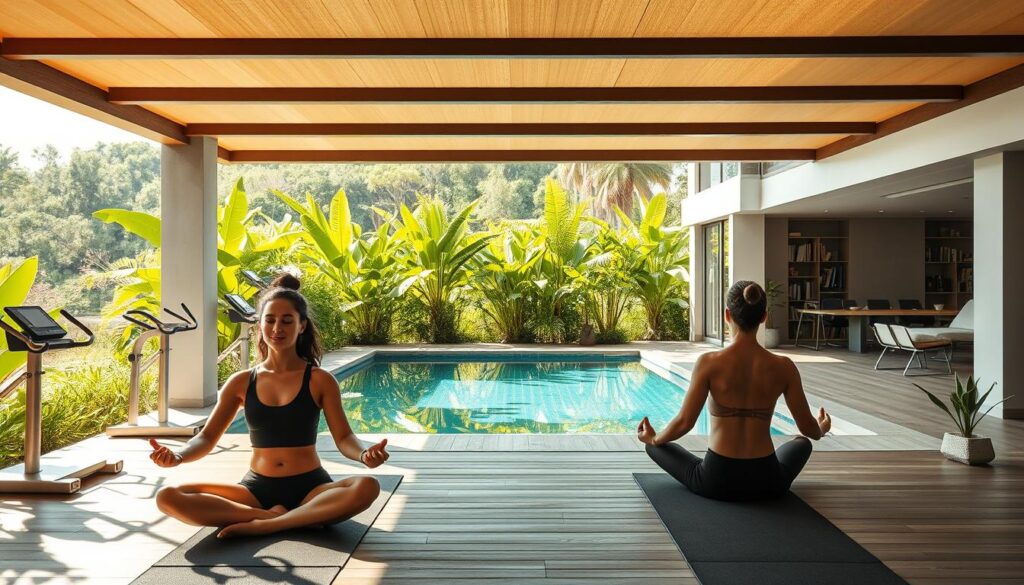
Fitness options abound in both locations. Quality gyms and yoga studios serve active professionals. The archipelago provides excellent value for wellness facilities.
Healthcare access represents a major advantage. World-class medical and dental care comes at affordable prices. English-speaking professionals ensure quality service.
| Amenity Category | Urban Challenges | Wellness Solutions | Daily Impact |
|---|---|---|---|
| Transportation | Severe traffic congestion | Strategic location planning | Time management essential |
| Fitness Access | Limited premium options | Quality local facilities | Routine maintenance possible |
| Healthcare | Insurance requirements | Affordable quality care | Peace of mind assured |
| Shopping | Import taxes affect costs | Local market availability | Budget-friendly options |
Building effective daily routines accounts for local conditions. Planning around traffic peaks and power outages ensures productivity. These practical considerations significantly influence long-term satisfaction.
Practical Tips for a Successful Remote Work Journey
Effective remote work abroad combines smart time management with genuine cultural immersion. The right approach makes all the difference in your experience.
Time Management and Cultural Adaptation
Managing your time effectively requires adapting to local rhythms. Internet challenges in some areas mean working offline during peak hours.
Cultural adaptation goes beyond learning a few phrases. Understanding local customs helps foreigners feel more at home. Simple gestures show respect for the local culture.
Choosing where to live impacts your daily routine. Base yourself near frequent destinations to save travel time. This way you avoid wasting hours in traffic.
| Strategy | Philippines Approach | Bali Approach | Key Benefit |
|---|---|---|---|
| Internet Workarounds | Offline work during outages | Schedule around traffic peaks | Maximizes productive hours |
| Community Building | Facebook groups first | Coworking day passes | Faster local integration |
| Accommodation | Contact local agents | Try coliving options | Better long-term value |
| Daily Navigation | Check Facebook for businesses | Use Grab/Gojek apps | Smoother daily life |
Preparation before you travel saves headaches later. Make sure you have proper insurance and understand visa requirements. These things make settling in much easier.
Every digital nomad finds their own way to thrive. The key is staying flexible and embracing local things as part of the adventure.
Conclusion
The journey to finding your ideal remote work destination reveals that no single place suits every digital professional. For many nomads, seamless communication and cultural fit create the foundation for a successful life abroad.
Bali offers stunning natural beauty and established infrastructure that appeals to countless remote workers worldwide. The island’s vibrant lifestyle makes it the perfect choice for many digital nomads seeking community and amenities.
Both destinations have legitimate strengths that serve different priorities. The right choice depends entirely on what you value most in your daily life and work routine.
Visiting multiple places before committing long-term provides invaluable insight. Online research can only reveal so much about how a country will actually feel as your home base.
The privilege of this nomad life is testing different islands and cultures to find your perfect match. Some places remain less discovered, offering authentic experiences before mass tourism arrives.
Explore both destinations with an open mind. Share your experiences to help others in our global community of location-independent professionals find their ideal world to call home.