Affordable Long Stay Options for US Nomads in PH
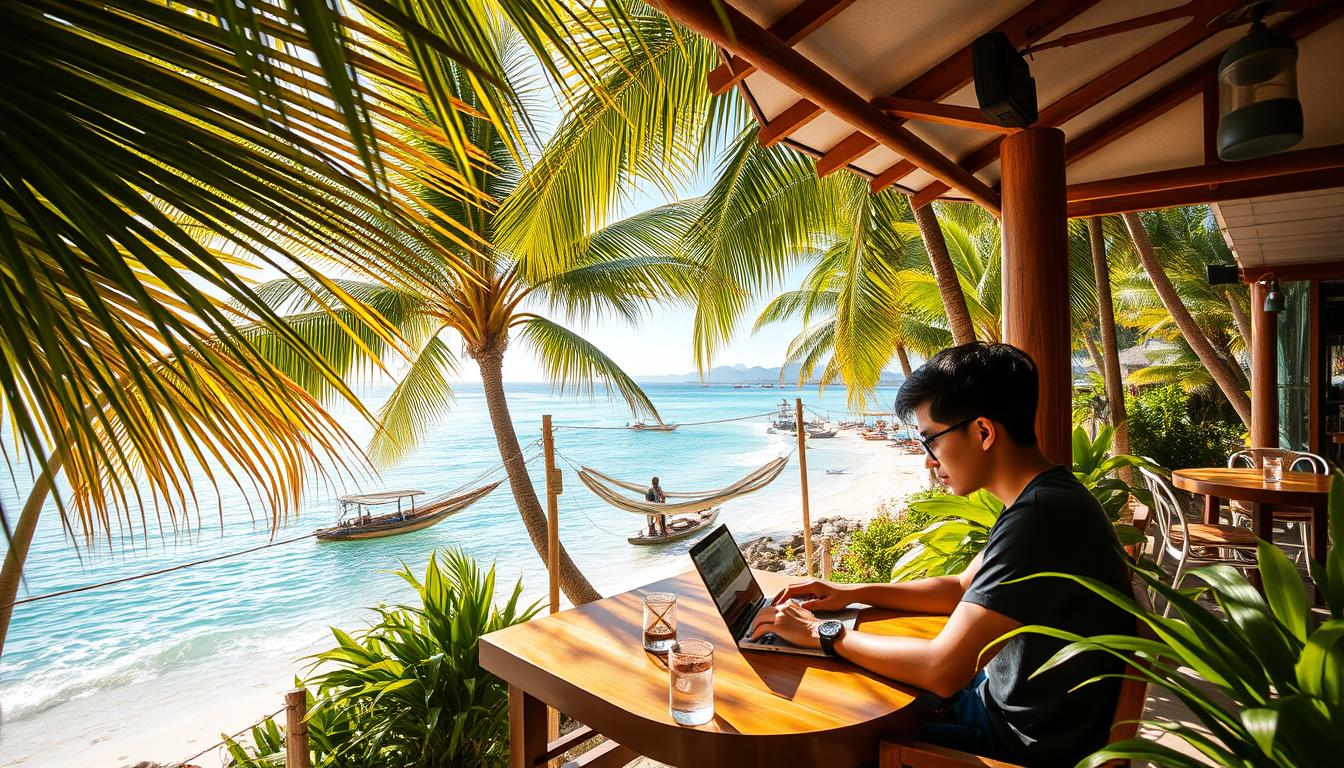
Welcome to your complete guide to making the Philippines your next home base. This tropical paradise offers incredible value for remote workers seeking adventure. The country has become a top choice for people wanting to experience authentic Southeast Asian culture.
The Philippines stands out among world destinations with its unique combination of English-speaking communities and stunning natural landscapes. This makes settling in much easier for American remote professionals. The cost of living here allows for comfortable extended stays on various budgets.
Whether you’re experienced with international living or planning your first big move, understanding what makes this place special will enhance your life abroad. From navigating local requirements to finding your ideal home, we cover everything you need to know about establishing yourself in this vibrant archipelago.
Key Takeaways
- The Philippines offers exceptional value for extended stays compared to many other destinations
- English is widely spoken, making communication and integration easier for Americans
- Diverse landscapes provide endless opportunities for exploration and adventure
- The cost of living allows for a comfortable lifestyle while saving money
- Growing infrastructure caters specifically to remote workers’ needs
- Warm, hospitable locals create a welcoming environment for newcomers
- Proper planning ensures a smooth transition to life in this beautiful country
Discovering the Philippines as a Nomad Destination
For American remote workers seeking an authentic Southeast Asian experience, the Philippines presents a refreshingly genuine alternative. It stands apart from more heavily touristed spots in the region, offering a sense of discovery.
Unique Cultural Experiences and Scenery
The warmth of the Filipino people is legendary. Locals are known for their hospitality and excellent English skills, making every interaction smooth and welcoming for any tourist.
This archipelago is a paradise for explorers. With over 6,000 islands, you’ll find some of the most stunning beaches in the world. The landscape is incredibly diverse.
From the dramatic cliffs of Palawan to the surf-friendly waves of Siargao, adventure is always nearby. The country also boasts rich history in its cities, like Manila’s UNESCO-listed San Agustin Church.
| Island | Vibe | Key Attraction | Best For |
|---|---|---|---|
| Palawan | Serene & Pristine | Underground River & El Nido Lagoons | Nature Lovers & Photography |
| Siargao | Chill & Surf-Centric | Cloud 9 Surf Break & Coconut Forests | Surfers & Digital Detox |
| Cebu | Urban & Historic | Magellan’s Cross & Kawasan Falls | City Amenities & Easy Island Hopping |
| Boracay | Social & Lively | White Beach & Water Sports | Socializing & Nightlife |
What to Expect from the Tropical Climate
Be prepared for warmth. Temperatures hover around 30°C (86°F) year-round. The heat can be intense, but it powers the country‘s lush, green beauty.
A rainy season brings heavy, occasional downpours and higher humidity. This is a great time to travel for those seeking fewer crowds and vibrant landscapes.
This climate makes the Philippines a spectacular place to live. You can enjoy outdoor activities nearly every day, from beach work sessions to weekend hikes.
Cost of Living & Affordable Accommodation in the Philippines
Your budget stretches remarkably far when you base your remote work lifestyle in this archipelago. The overall cost of living compares favorably with other popular destinations like Thailand.
This creates fantastic value for extended stays. You can maintain comfort while keeping expenses manageable.
Grocery Prices and Dining Out on a Budget
Local markets and supermarkets offer excellent value for your grocery shopping. Fresh tropical fruits and vegetables are particularly budget-friendly.
When dining out, street food provides quick meals at reasonable prices. Restaurant dinners average around $4 usd, offering great quality.
Beer costs about $2 usd while coffee stays under $1.50. Wine enthusiasts will appreciate that bottle prices match European levels rather than typical Southeast Asian markups.
Long-Term Rental Options and Price Comparisons
Monthly accommodation ranges from $400-700 usd for comfortable one-bedroom apartments in Manila. Studio units average around $411 per month.
This cost makes extended stays quite practical. The average digital nomad spends approximately $1,452 usd monthly including rent and daily expenses.
Your living arrangements significantly impact your overall cost of living. Choosing the right housing ensures both comfort and financial efficiency during your Philippine adventure.
Internet & Coworking Spaces for Digital Nomads
When planning your remote work setup in the Philippines, internet reliability becomes a crucial consideration for maintaining productivity. The country faces connectivity challenges that require strategic planning.
Overcoming Slow Internet Challenges
The Philippines ranks 89th globally for broadband speed. This makes consistent connections a primary concern for remote professionals.
Limited competition among providers creates frustrating speeds. Uploading files or video calls can test your patience. Smart adaptation includes scheduling intensive tasks during peak connectivity hours.
Many businesses use Facebook as their main information channel rather than websites. Using VPNs for security may further slow your connection.
Finding Reliable and Productive Coworking Spaces
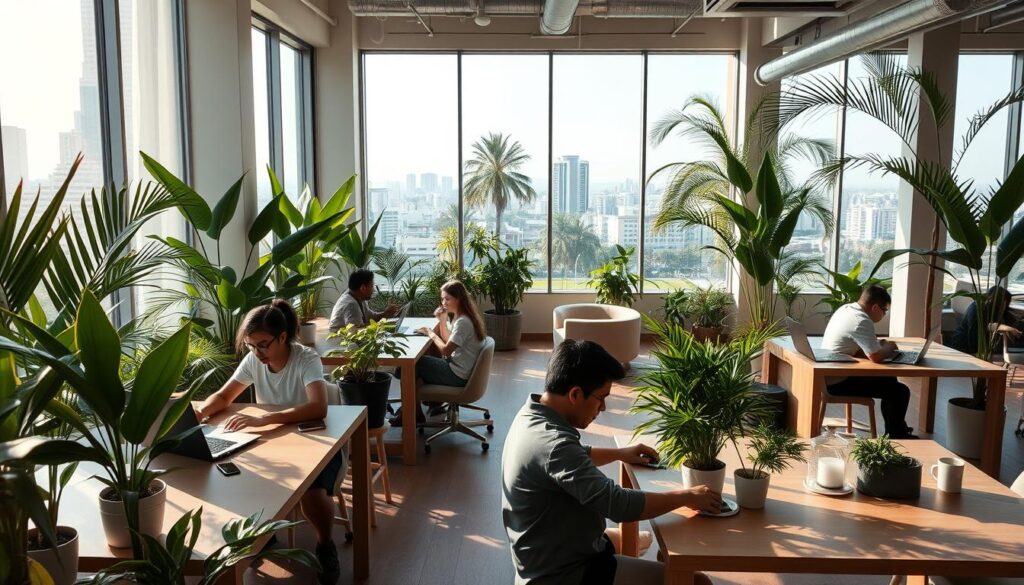
Dedicated coworking spaces offer the solution to connectivity issues. These professional environments provide the fast internet needed for productive work.
Manila offers the best infrastructure with spaces like WeWork BGC. It features art-filled lounges and reliable connections. Clock In provides specialized setups for digital nomads with Skype rooms.
Bullish in Quezon City attracts remote workers with complimentary coffee and fiber internet. Beautiful cafes like Cartel Coffee Deli work well for offline tasks.
Navigating Visas, Business Startups, and Local Regulations
Understanding the legal framework is your first step toward a smooth transition to life in the Philippines. The process is designed to be accessible.
This country welcomes remote professionals with clear pathways for extended stays.
Visa Processes, Extensions, and Legal Considerations
Most American visitors receive a 30-day visa waiver upon arrival. This gives you immediate legal status to begin your adventure.
Extending your stay is remarkably simple. A six-month non-immigrant visa extension costs just over 200 usd. It functions as an excellent option for any digital nomad.
Be mindful of deadlines. Overstaying penalties are steep, costing nearly 100 usd even for a single day. Always handle extensions early.
Unlike neighboring countries, you can process extensions inside the country in hours. This saves the hassle of monthly border runs.
| Visa Type | Initial Duration | Extension Potential | Estimated Costs (USD) |
|---|---|---|---|
| Visa Waiver | 30 days | Up to 36 months | Free upon arrival |
| Tourist Visa | 59 days | Same as waiver | ~$35 + extension fees |
| Non-Immigrant Visa | 2 months | Long-term stays | ~$200+ for 6-month extension |
Establishing a Business or Remote Venture
The Philippines is a top global outsourcing location. The government understands remote work.
Setting up a business is financially accessible. Initial visa costs can start as low as $125. This makes it an ideal spot for entrepreneurs.
For the digital nomad simply wanting to work remotely, the tourist visa path is common and practical. The legal environment supports this lifestyle well.
Affordable Long Stay Options for US Nomads in PH
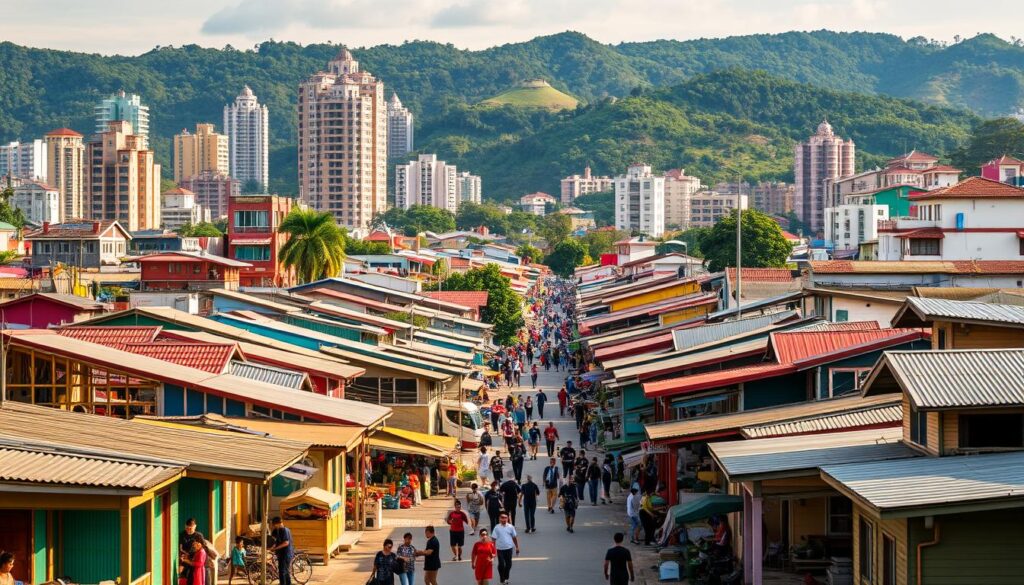
Metro Manila offers diverse urban environments that cater to different lifestyle preferences and budgets. This bustling capital region provides excellent choices for remote workers.
Budget-Friendly Neighborhoods and Urban Areas
Makati stands out as a top choice for many professionals. This central city area features modern high-rise apartments and excellent amenities.
Bonifacio Global City attracts younger crowds with its planned layout. The location offers contemporary living spaces and networking opportunities.
Ortigas provides another expat-friendly option with good infrastructure. Monthly costs here are often more reasonable than premium areas.
| Neighborhood | Average Rent (USD/month) | Best For | Key Features |
|---|---|---|---|
| Makati | $500-900 | Professionals & Nightlife | Central location, modern apartments |
| BGC | $600-1,000 | Young Entrepreneurs | Pedestrian-friendly, startup community |
| Ortigas | $400-700 | Budget-Conscious | Good value, city amenities |
| Other Metro Manila Areas | $350-600 | Flexible Budgets | Varied options, local communities |
Coliving spaces like Draper Startup House offer flexible month-to-month leases. These accommodation options include built-in communities.
Cebu City provides an alternative to the capital with its IT Park area. Davao offers a more relaxed city experience with lower costs.
When searching for places to stay, Agoda often provides better value than other platforms. Local real estate agents can unlock hidden deals.
Engaging with Local Culture and the Digital Nomad Community
Navigating social connections in the Philippines offers unique advantages thanks to widespread English proficiency and genuine local friendliness. The welcoming atmosphere makes cultural integration smoother than in many neighboring countries.
Learning the Local Language and Customs
Filipino people appreciate when visitors learn basic Tagalog phrases. The language uses a Latin alphabet with no tones, making it accessible for English speakers.
Simple greetings like “Salamat” (thank you) or “Magandang umaga” (good morning) create instant rapport with locals. Customer service standards here mirror American expectations with respectful address.
Building Connections with Locals and Fellow Nomads
The digital nomad community is growing steadily throughout the country. Unlike oversaturated expat scenes elsewhere, this allows for more meaningful connections.
Coworking spaces serve as natural hubs for meeting like-minded people. Traditional platforms like Meetup have limited activity, so Facebook groups and Reddit Philippines work better.
| Platform | Activity Level | Best For | Community Size |
|---|---|---|---|
| Facebook Groups | High | Local Events & Networking | Large & Active |
| Reddit Philippines | Moderate | Q&A & Discussions | Growing Community |
| Coworking Spaces | Consistent | In-Person Connections | Local & International |
| Variable | Quick Updates | Niche Groups |
This archipelago provides an authentic place to build both local and professional relationships. The smaller nomad community fosters closer bonds among remote workers.
Optimizing Work-Life Balance in the Philippine Setting
Maintaining a healthy work-life rhythm becomes surprisingly natural in the Philippine environment. The proximity of stunning natural escapes to urban centers creates perfect conditions for balance. Digital nomads find they can achieve productive weeks while enjoying restorative weekends.
Exploring Fitness, Health, and Wellness Options
Urban areas offer comprehensive fitness infrastructure that supports an active life. You’ll find quality gyms, CrossFit boxes, and excellent yoga studios throughout major cities.
Manila’s yoga scene stands out with high-standard classes available at monthly rates that cost a fraction of Western prices. Healthcare services provide exceptional value with dental work and medical checkups at approximately one-quarter of US costs.
| Wellness Service | Typical Cost (USD) | Quality Level | Best Locations |
|---|---|---|---|
| Yoga Class (Drop-in) | $5-8 | International Standards | Manila, Cebu |
| Gym Membership (Monthly) | $30-50 | Modern Equipment | All Major Cities |
| Dental Cleaning | $20-30 | Western-Trained Professionals | Metro Manila |
| Medical Checkup | $40-60 | English-Speaking Staff | Private Hospitals |
Recreational and Leisure Activities for Nomads
The archipelago’s 6,000+ islands create endless possibilities for adventure. From world-class scuba diving in Palawan to surfing in Siargao, there’s always something new to explore.
Weekend escapes are remarkably affordable with domestic flights often under $50. This allows nomads to experience different places without breaking the budget. The variety keeps your life outside work exciting and fulfilling.
Cultural experiences in cities provide rich alternatives to beach trips. You can explore centuries-old churches, vibrant markets, and local festivals. These activities create a well-rounded experience that makes your temporary home truly special.
Conclusion
Among the diverse destinations available to location-independent workers, this archipelago nation offers a unique blend of accessibility and authenticity. The country stands out in Southeast Asia with its welcoming culture and English-speaking communities.
While internet speeds and urban traffic present challenges, these are manageable with proper planning. The exceptional hospitality of the local people creates an environment where every digital nomad can feel at home.
Monthly living costs ranging around $1,500 USD make comfortable accommodation and quality food accessible. Major cities like Manila and Cebu provide the infrastructure needed for productive work.
For any nomad seeking an authentic experience in this part of the world, the Philippines delivers remarkable value and unforgettable adventures.
FAQ
What is the average monthly cost of living for a digital nomad in the Philippines?
FAQ
What is the average monthly cost of living for a digital nomad in the Philippines?
The cost of living is quite budget-friendly. You can expect to spend between 0 to
FAQ
What is the average monthly cost of living for a digital nomad in the Philippines?
The cost of living is quite budget-friendly. You can expect to spend between $800 to $1,500 USD per month. This covers a comfortable apartment, food, coworking space membership, and local travel. Your budget will stretch much further here than in many western countries.
Is the internet reliable enough for remote work in cities like Manila and Cebu?
Yes, in major urban areas and tourist hubs, you can find fast internet. Providers like PLDT and Globe offer fiber connections. It’s wise to have a local mobile data plan as a backup. Coworking spaces in metro Manila and other cities are known for their stable, high-speed connections.
What are the best areas for long-term accommodation?
Popular spots include Makati and BGC in Metro Manila for their modern amenities. Cebu City offers a great balance of city life and beach access. For a quieter vibe, consider Dumaguete or Iloilo. These places have strong expat and nomad communities.
What visa options are available for a long stay?
Most travelers enter visa-free for 30 days. You can extend this for up to 36 months through tourist visa extensions at Bureau of Immigration offices. For a more permanent solution, the SRRVisa is popular for retirees and investors.
How easy is it to meet other people and build a social circle?
Very easy! Filipinos are famously friendly. The digital nomad community is growing fast. You can connect through coworking spaces, Facebook groups, and local events. Engaging with locals is a key part of the experience.
Are there good options for health and wellness?
Absolutely. Major cities have modern gyms, yoga studios, and fitness centers. You’ll also find healthy food options in cafes and markets. The beautiful scenery invites outdoor activities like hiking, island hopping, and beach sports.
,500 USD per month. This covers a comfortable apartment, food, coworking space membership, and local travel. Your budget will stretch much further here than in many western countries.
Is the internet reliable enough for remote work in cities like Manila and Cebu?
Yes, in major urban areas and tourist hubs, you can find fast internet. Providers like PLDT and Globe offer fiber connections. It’s wise to have a local mobile data plan as a backup. Coworking spaces in metro Manila and other cities are known for their stable, high-speed connections.
What are the best areas for long-term accommodation?
Popular spots include Makati and BGC in Metro Manila for their modern amenities. Cebu City offers a great balance of city life and beach access. For a quieter vibe, consider Dumaguete or Iloilo. These places have strong expat and nomad communities.
What visa options are available for a long stay?
Most travelers enter visa-free for 30 days. You can extend this for up to 36 months through tourist visa extensions at Bureau of Immigration offices. For a more permanent solution, the SRRVisa is popular for retirees and investors.
How easy is it to meet other people and build a social circle?
Very easy! Filipinos are famously friendly. The digital nomad community is growing fast. You can connect through coworking spaces, Facebook groups, and local events. Engaging with locals is a key part of the experience.
Are there good options for health and wellness?
Absolutely. Major cities have modern gyms, yoga studios, and fitness centers. You’ll also find healthy food options in cafes and markets. The beautiful scenery invites outdoor activities like hiking, island hopping, and beach sports.