HEAT INDEX WATCH: Danger Levels to Hit Metro Manila, Other Areas
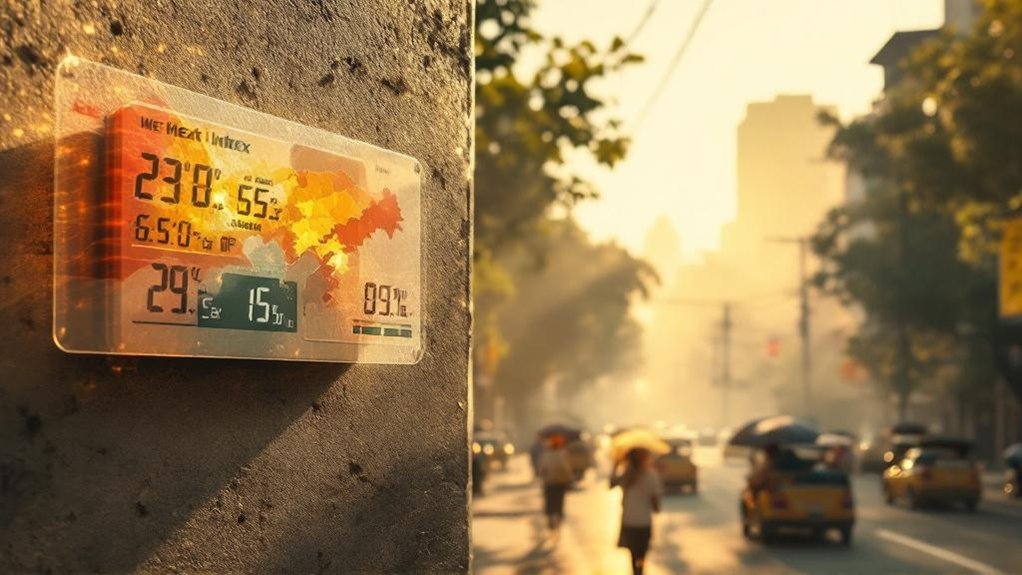
A 45 °C heat index overwhelms evaporative cooling, causing core temperature to climb while cardiovascular strain intensifies. Physiological data confirm tachycardia, hypotension, and cognitive impairment manifest before hot, dry skin signals heat stroke progression. Sangley Point recorded 45 °C, with 44 other stations registering danger-level values between 42 °C and 44 °C. Metro Manila stations logged 41–43 °C under persistent thermal stress. Tuesday’s outlook indicates a marginal dip for some inland sectors, though vulnerable populations face continued risk. Further details clarify which locations may shift below danger thresholds.
Highlights
- Sangley Point, Cavite City reached a dangerous 45 °C heat index, the highest recorded hotspot.
- Metro Manila stations recorded heat indices between 41 °C and 43 °C.
- Virac, Masbate City, Roxas City, Dumangas, and Catarman each logged a 44 °C heat index.
- 44 areas nationwide are forecast within the 42 °C to 51 °C danger-level band.
- Elevated risk of heat cramps, exhaustion, and heat stroke exists in these hotspots.
What a 45°C Heat Index Does to Your Body Right Now
At a heat index of 45°C, the body’s primary cooling mechanism—evaporative sweat—begins to fail because high humidity drastically reduces the rate at which perspiration can vaporize from the skin.
Core temperature escalates unchecked, imposing significant cardiovascular strain as heart rate and cardiac output increase to redirect blood flow peripherally.
This compensatory demand can lead to circulatory overload, while even brief exposure may trigger cognitive impairment, evidenced by slowed reaction times and decision‑making deficits.
Data indicate that sustained 45°C conditions accelerate dehydration, risking organ function without immediate cooling intervention.
Traditional Filipino healers often use cooling herbal compresses to alleviate heat‑induced discomfort.
Spot Heat Stroke and Exhaustion Before It’s Too Late
Given the body’s rapid decompensation under a 45 °C heat index, recognizing the clinical signs of heat exhaustion and heat stroke becomes a matter of timely intervention.
Symptom detection must prioritize core temperature data, not subjective discomfort.
Heat exhaustion presents with tachycardia, hypotension, and profuse sweating, while progression to stroke involves hot, dry skin and central nervous system dysfunction.
Any neurological alteration demands immediate rapid cooling, such as ice-water immersion, with a target of reducing core temperature below 39 °C within 30 minutes to limit multi-organ failure risk.
Stay Safe Outdoors When You Can’t Escape the Heat
When outdoor exposure is unavoidable during peak heat index values of 42–51 °C, protective strategies must center on minimizing net heat gain and optimizing thermoregulation.
Portable shade structures reduce radiative absorption, lowering incident solar load by up to 60%.
Data indicate cooling garments incorporating phase‑change materials or forced‑air ventilation actively wick thermal energy, maintaining core temperature stability.
Mandatory rest cycles under canopy systems every 20 minutes curtail cumulative metabolic heat production.
Fluid intake exceeding evaporative losses, precisely calibrated at 250 mL per interval, sustains plasma volume and sweat response, mitigating progression toward exertional heat illness.
Integrating traditional hilot massage techniques during rest periods can enhance blood flow and reduce muscle fatigue.
The Hardest-Hit Areas Recording Danger-Level Heat Today
Implementing those protective measures requires knowing precisely which locations demand the highest vigilance.
Today’s city rankings identify Sangley Point, Cavite City as the apex heat hotspot, logging a recorded 45 °C.
Metro Manila stations reached 41–43 °C, while Virac, Masbate City, Roxas City, Dumangas, and Catarman each recorded 44 °C.
These danger-level heat hotspots elevate risks of cramps, exhaustion, and heat stroke.
Data confirm 44 areas nationwide forecast within the 42–51 °C band, demanding strict adherence to health protocols in these peak locations.
Which Locations Drop Below Danger Level Tomorrow
Shifting attention to locations forecast to exit the danger zone, the May 20 outlook indicates a marginal cooling trend for select stations that recorded 41–43 °C on Monday.
Regional forecasts suggest a temperature dip primarily for inland Metro Manila sectors.
However, the decline is projected as modest, shifting these areas into the high extreme caution range rather than a definitive cooldown.
This marginal change remains contingent on localized cloud cover and wind patterns, warranting careful monitoring.
The data-driven outlook emphasizes that despite exiting the danger threshold, persistent thermal stress risks remain for vulnerable populations. The Northeast Monsoon may further moderate temperatures, especially in northern regions.