Celebrate Life and Work at Sinulog Festival
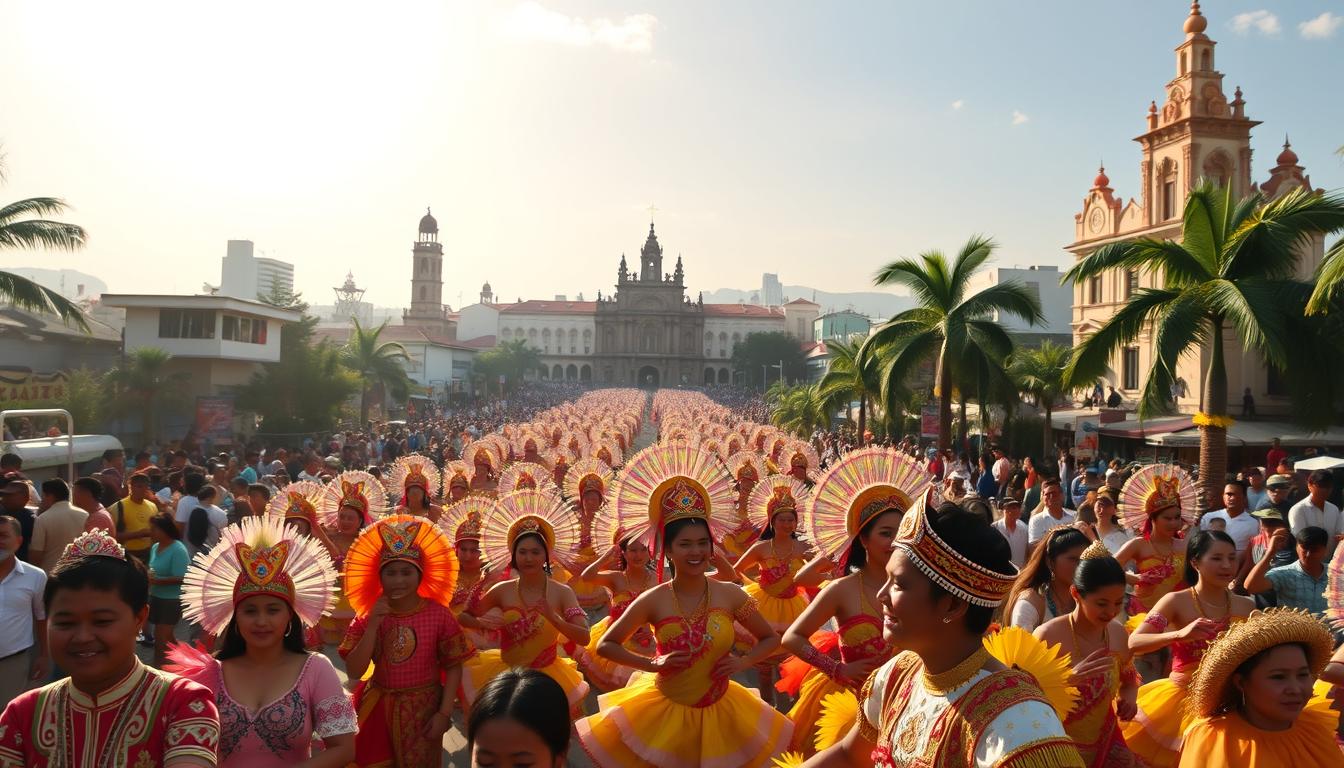
Every third Sunday of January, the vibrant streets of Cebu City come alive with an extraordinary spectacle. The Sinulog Festival transforms this Philippine metropolis into a dynamic hub of cultural expression and spiritual devotion. This massive gathering attracts between one and two million visitors annually, making it the country’s largest celebration.
The event beautifully blends religious tradition with cultural festivity. It honors the Santo Niño (Child Jesus) while showcasing the rich heritage of the Cebuano people. The festival commemorates the Filipino acceptance of Christianity, creating a unique fusion of faith and cultural pride that resonates throughout the community.
Understanding this grand occasion offers valuable insights into Filipino values and community life. It demonstrates how devotion, creativity, and resilience coexist in modern Philippine society. The celebration reflects the spirit of hospitality and strong community bonds that define the local culture.
Key Takeaways
- The Sinulog Festival occurs annually on the third Sunday of January in Cebu City
- It attracts 1-2 million visitors, making it the Philippines’ largest celebration
- The event honors the Santo Niño while showcasing Cebuano cultural heritage
- It represents a harmonious blend of religious devotion and cultural expression
- The festival offers deep insights into Filipino community values and traditions
- It demonstrates how cultural preservation coexists with modern urban life
- The celebration highlights the warmth and hospitality of the local people
Exploring the Essence of Sinulog Festival
The Sinulog Festival represents more than mere festivities—it embodies the soul of Cebuano identity. This remarkable event captures the heart of Filipino cultural expression through vibrant displays of faith and tradition.
Overview of the Celebration
This spectacular gathering transforms Cebu City into a living cultural museum. Streets burst with colorful costumes, rhythmic dances, and elaborate floats that honor centuries of tradition.
The festival’s scope includes religious processions, street performances, and community gatherings. Each element contributes to an unforgettable experience that showcases Filipino creativity.
The Spirit Behind the Festivities
At its core, the celebration reflects deep spiritual devotion to the Santo Niño. This religious significance gives the event its powerful emotional resonance.
The true spirit emerges through community bonds and shared heritage. Participants experience a profound connection to their cultural roots while welcoming visitors with genuine hospitality.
Historical Origins and Cultural Heritage
Centuries of cultural evolution have molded this vibrant tradition into what visitors experience today. The festival’s rich history spans over 500 years, connecting modern celebrations to pivotal moments in Philippine history.
The Arrival of Christianity in Cebu
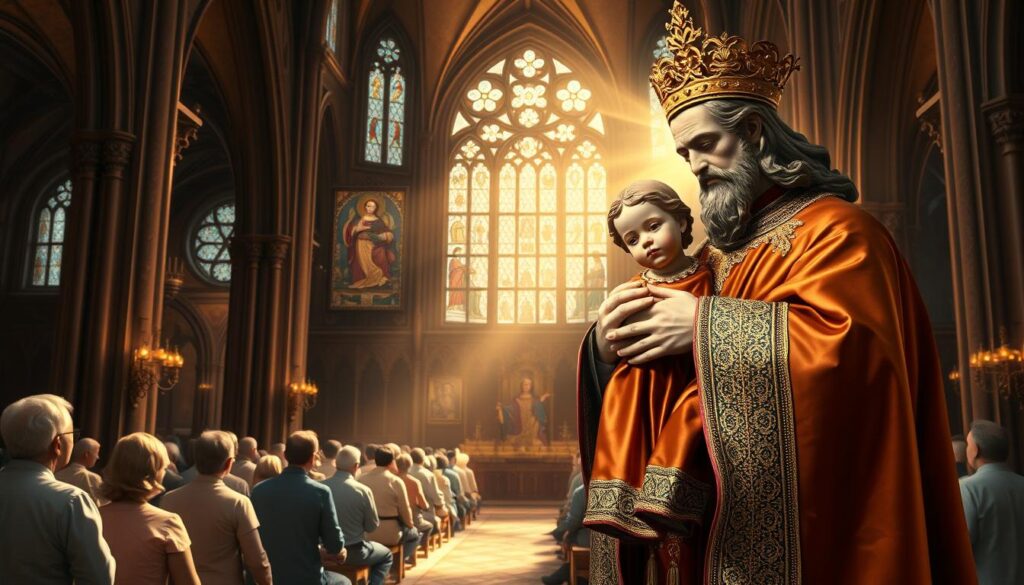
In 1521, Portuguese explorer Ferdinand Magellan arrived in Cebu. He presented the Santo Niño statue to local rulers Rajah Humabon and Hara Amihan. This baptismal gift marked the beginning of Christian faith in the Philippines.
The Santo Niño became a powerful symbol embraced by the Cebuano people. This moment in time transformed the region’s spiritual landscape forever.
Evolution from Pre-Colonial Traditions
The festival’s roots extend deeper than the colonial period. Indigenous communities used similar dance movements in animist worship. These pre-colonial traditions formed the foundation of what would become the Sinulog dance.
Over time, a fascinating cultural synthesis occurred. Indigenous practices merged with Catholic devotion. This created a unique culture that honors both heritage and faith.
The modern celebration officially began in 1980. Yet its historical roots reflect the broader Philippine story of preserving indigenous identity while integrating new influences.
The Iconic Sinulog Dance and Its Symbolism
The graceful movements of the Sinulog dance form the visual centerpiece of the entire celebration. This rhythmic expression gives the event its name and serves as its most recognizable cultural element.
Mimicking the Flow of Water
The term “Sinulog” comes from the Cebuano word “sulog,” meaning “current” or “flow.” The signature sinulog dance beautifully replicates water movement through its distinctive choreography.
Dancers perform two steps forward followed by one step backward. This rhythmic pattern mimics the flowing current of Cebu’s Pahina River. The gentle flow creates a mesmerizing visual effect when thousands move in sync.
| Dance Element | Water Connection | Symbolic Meaning |
|---|---|---|
| Two steps forward | River current movement | Progress and forward motion |
| One step backward | Water’s ebb and flow | Reflection and reverence |
| Swaying motions | Water waves | Flexibility and adaptation |
The Dance as a Form of Devotion
This dance transcends performance to become physical prayer. Participants express deep devotion through every movement.
“The Sinulog dance is not just steps—it’s a conversation with the divine through motion.”
The tradition blends pre-colonial animist practices with Catholic influences. It represents a unique cultural synthesis. Each performance connects dancers to centuries of spiritual heritage.
This iconic dance remains an essential part of Filipino cultural identity. It symbolizes faith, creativity, and community unity through graceful movement.
The Grand Parade and Lively Street Parties
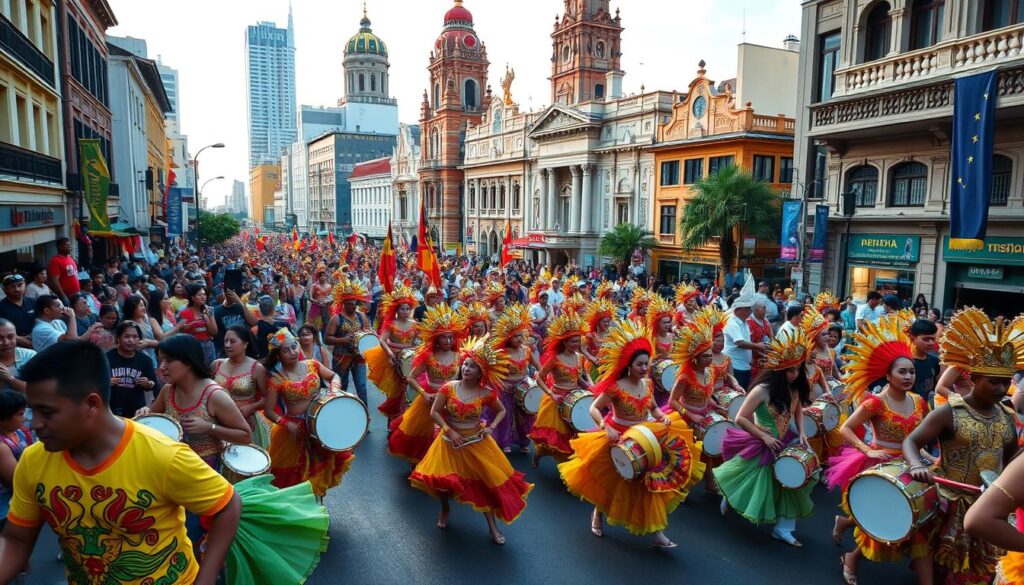
Mango Avenue transforms into a river of color and sound during the main event. This spectacular grand parade draws one to 1.5 million spectators each year.
Highlights of the Grand Parade
Thousands of dancers move in perfect rhythm wearing incredible costumes. Their elaborate headdresses and vibrant attire create a stunning visual display.
Floats depicting Cebuano history require months of careful planning. Designers and craftsmen collaborate to create these moving artworks.
| Parade Element | Visual Impact | Preparation Time |
|---|---|---|
| Dancer Costumes | Vibrant colors and intricate designs | 3-6 months |
| Floats | Historical and religious themes | 6-9 months |
| Marching Bands | Energetic musical performances | 4-5 months |
Dynamic Street Celebrations
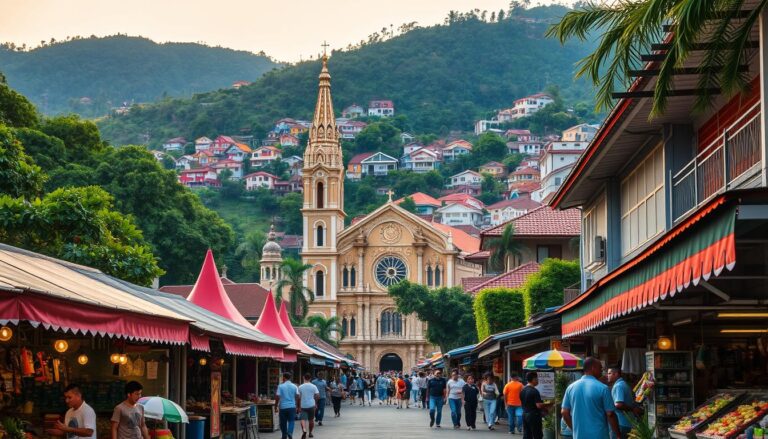
The festivities extend beyond the formal parade. Cebu’s streets become vibrant zones filled with food stalls and music stages.
Locals and tourists mingle freely during these lively street parties. The atmosphere remains inclusive and joyful throughout the evening.
These spontaneous gatherings complete the celebration experience. They offer cultural appreciation and pure festive energy for all attendees.
Celebrate Life and Work at Sinulog Festival
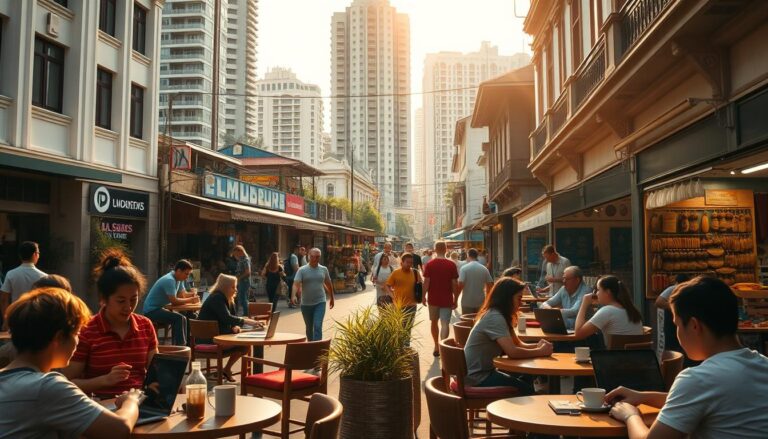
During the annual cultural celebration, local workers showcase a remarkable balance between tradition and modern responsibilities. This unique approach offers valuable insights for businesses operating in the region.
Balancing Tradition with Modern Work Culture
Local companies demonstrate impressive flexibility during this special time. Many adjust schedules to accommodate employee participation in the festival.
Workers often visit religious sites during business hours, then return to complete their tasks. This shows their commitment to both faith and professional duties.
How Festivities Inspire Community Productivity
The collaborative spirit displayed during preparations translates directly to workplace effectiveness. Locals develop teamwork skills through costume design and float construction.
This major event strengthens bonds among people while enhancing their collaborative abilities. The entire community benefits from this cultural exchange.
Businesses gain valuable insights into local values through this annual festival. Understanding these traditions helps create supportive work environments.
Religious Processions and Devotional Practices
Amidst the colorful festivities, deeply rooted devotional practices form the foundation of the event. These sacred traditions connect participants to centuries of spiritual heritage.
The Role of the Santo Niño
The Santo Niño serves as the spiritual centerpiece of all activities. This cherished image of the Child Jesus represents more than a religious icon—it embodies a living presence in Cebuano Catholic faith.
Thousands make annual pilgrimages to honor the Santo Niño. Their deep devotion transforms quiet prayers into powerful communal experiences.
Solemn Masses and Pilgrimages
Early morning ceremonies structure the spiritual calendar. The Mananita Mass at 4:00 AM begins a day of sacred observance.
Major religious processions include the Fluvial Parade and Traslacion. These moving processions allow participants to reflect on their devotion to the Child Jesus.
Workers often visit the Basilica to light candles for loved ones. These personal rituals demonstrate how the Santo Niño remains integrated into daily life during this special time.
Cebuano Hospitality and Community Spirit
International travelers often remark that the most memorable aspect isn’t the parade but the people. The famous hospitality of Cebuanos transforms the event into a personal experience for every guest.
During this special time, family reunions become central to the celebration. Homes open to relatives and friends from across the globe. Shared meals and stories create bonds that last long after the festivities end.
Welcoming Tourists with Open Arms
Visitors receive extraordinary treatment throughout the celebration. Locals enthusiastically explain traditions and recommend local cuisine. This genuine warmth makes tourists feel like honored guests rather than outsiders.
You might see residents helping lost visitors find their way. Some even invite strangers to join their family celebrations. This open-hearted approach demonstrates the true spirit of the community.
The famous hospitality extends beyond the festival into daily life. Cebuano people are known for their friendliness in professional settings too. This creates welcoming environments where everyone feels valued.
For international tourists, the event offers authentic cultural exchange. The inclusive atmosphere ensures all visitors experience legendary Filipino hospitality firsthand.
Cultural Fusion in Food, Costumes, and Music
Cebu’s culinary heritage takes center stage alongside stunning visual displays and infectious musical beats. This cultural fusion creates a complete sensory experience that defines the annual celebration.
A Feast of Local Cuisines
The sinulog festival cebu transforms the city into a massive outdoor dining experience. Street vendors offer everything from traditional food like lechon to adventurous options like balut.
Malls and public areas showcase native food vendors throughout the festival cebu season. The aromas of grilled meats and fresh fruits fill the air, creating an unforgettable party atmosphere.
Vibrant Costumes and Musical Performances
Elaborate costumes feature intricate designs with incredible colors and headdresses. These artistic expressions require months of planning and teamwork.
Rhythmic music accompanies every street performance and party throughout the year‘s biggest celebration. The visual and auditory spectacle completes the cultural experience of sinulog festival cebu.
This fusion of food, fashion, and music makes the festival cebu a truly immersive cultural journey for all visitors.
Conclusion
The lasting impact of this annual gathering extends far beyond the festival dates, touching hearts and creating lifelong memories. The sinulog festival cebu represents more than just an event—it’s a living expression of Filipino identity that happens every third sunday january in cebu city.
This remarkable celebration beautifully blends deep religious devotion with vibrant cultural expression. The iconic dance and spirited street parties create an unforgettable experience each year. Visitors become part of a rich tradition that honors both faith and community.
For international travelers, the third sunday in January offers the perfect time to experience festival cebu. The warm atmosphere provides a welcome escape during winter months. Whether drawn to spiritual significance or cultural exploration, the sinulog festival offers something meaningful for every visitor.
The true magic lies in how this celebration brings family and community together. The vibrant streets of cebu city during festival season showcase Filipino hospitality at its finest. Being part of this experience creates connections that last long after the parties end.