My 30-Day Challenge Living Off the Islands in The Philippines

Have you ever dreamed of leaving it all behind? Imagine trading your daily routine for a life of adventure on remote shores. This guide explores a transformative journey of self-reliance and discovery.
This unique adventure is designed for those seeking more than a standard vacation. It’s a complete immersion into a simpler, more connected way of living. Participants learn vital survival skills and embrace the rich local culture.
We will walk you through every step, from initial planning to hands-on techniques. You’ll gain practical knowledge for safety and personal growth. This experience is about building confidence and creating memories that last a lifetime.
This comprehensive guide makes a challenging adventure feel exciting and accessible. It’s for anyone with a spirit of exploration, regardless of their experience level.
Key Takeaways
- This guide details a unique, month-long survival and cultural immersion experience.
- Learn essential skills for living self-sufficiently in a remote island environment.
- The adventure offers a profound disconnect from modern life and a reconnection with nature.
- Proper planning and safety considerations are crucial for a successful and rewarding journey.
- The experience is designed to be achievable for adventure seekers of all backgrounds.
- This type of extreme travel is a growing trend as an alternative to traditional vacations.
- The journey fosters significant personal growth and creates unforgettable memories.
Introduction to the 30-Day Island Challenge
What if you could spend thirty days testing your limits in a tropical paradise? This isn’t your typical getaway—it’s a genuine survival experience that pushes both physical and mental boundaries. The journey transforms how you see the world and your place in it.
An Overview of the Ultimate Guide
This comprehensive roadmap walks you through each phase of the adventure. Every section builds upon the last, creating a complete system for success. You’ll learn everything from initial planning to hands-on survival techniques.
The guide emphasizes safety while encouraging meaningful personal growth. It’s designed to make this challenging experience accessible to dedicated individuals.
What Makes Island Living Unique
Island existence differs fundamentally from mainland life. Limited resources and exposure to elements create a unique environment for self-discovery. You’ll develop self-sufficiency skills that most people never experience.
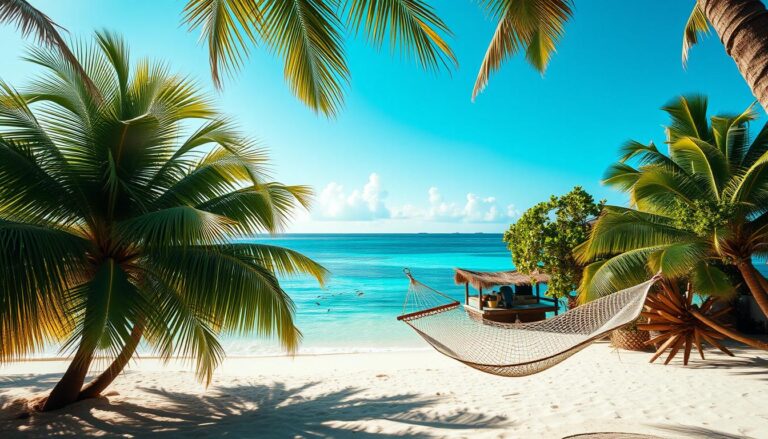
The Palawan region offers spectacular settings with crystal-clear waters and untouched beauty. This extended time away from the digital world allows for profound reconnection with nature.
The Beauty and Culture of the Philippines Islands
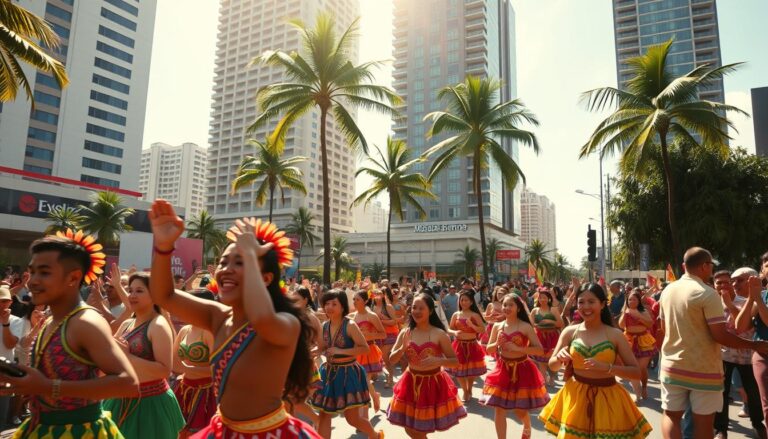
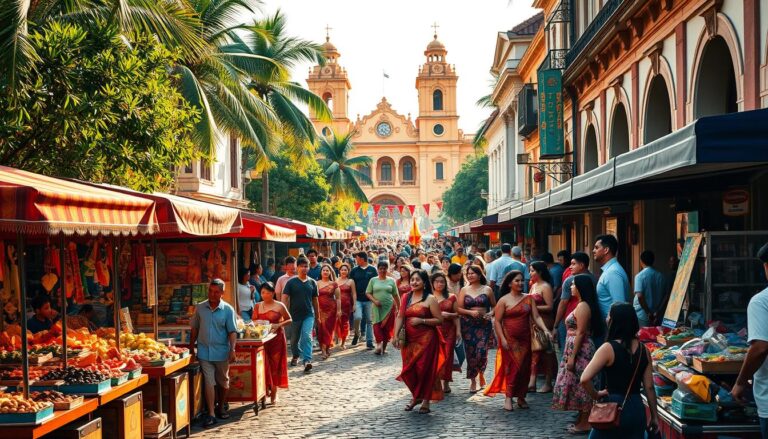
Cultural immersion transforms this journey from a physical challenge to a profound human experience. This beautiful place offers more than survival training—it provides a gateway to understanding how communities thrive in harmony with nature.
Immersing in Local Traditions
Local guides become invaluable teachers, sharing generations of wisdom. They demonstrate traditional fishing methods using handmade nets and bamboo traps. These techniques have sustained island communities for centuries.
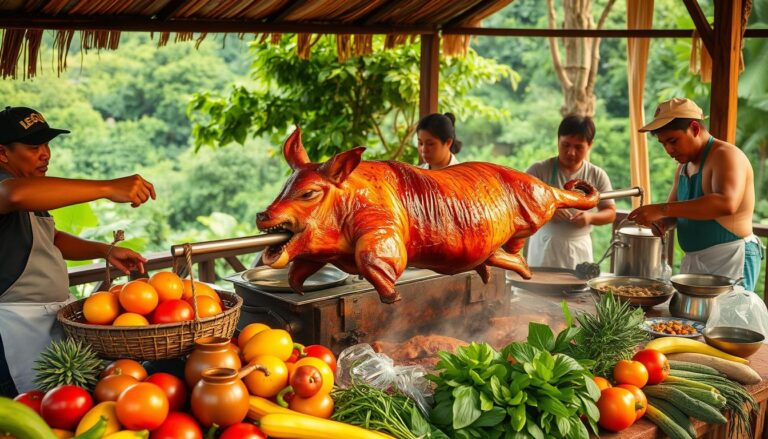
Traditional cooking becomes an art form learned through hands-on practice. Participants discover how to prepare meals using bamboo steamers and hot stones. This knowledge represents centuries of adaptation to tropical environments.
Experiencing Community and Heritage
The warmth of local people creates lasting connections that enrich the entire experience. Community fishing expeditions teach cooperation and shared responsibility. These activities reveal how interdependence strengthens island life.
This beautiful country showcases sustainable living practices that modern society often overlooks. The heritage here demonstrates how people can live in balance with their environment. It offers a window into a world where community and nature remain central to daily existence.
Planning Your Island Adventure
Before setting foot on remote shores, thoughtful organization ensures both safety and enjoyment. A solid plan turns potential stress into confident action.
Good preparation means anticipating needs while staying adaptable. The environment changes daily, requiring flexible thinking.
Creating a Flexible Itinerary
Build your schedule with buffer time for unexpected events. Each day should balance skill practice with rest periods.
Consider different options for structuring your experience. Some prefer complete self-sufficiency, while others choose guided support.
Budgeting and Time Management
Your trip budget needs clear categories for transportation, gear, and emergency funds. A lot can change in remote locations.
Essential information includes weather patterns and local resources. Research helps create realistic daily plans.
| Planning Approach | Time Commitment | Budget Range | Flexibility Level |
|---|---|---|---|
| Full Self-Sufficiency | High daily | Lower cost | Very flexible |
| Guided Experience | Structured days | Medium cost | Moderate flexibility |
| Hybrid Option | Balanced approach | Variable cost | High flexibility |
“The best adventures happen when preparation meets opportunity.”
Remember that planning is about creating a framework, not a rigid script. Leave room for spontaneous discoveries and learning moments.
Your preparation investment pays off in confidence and safety throughout the journey.
Essential Survival Skills for Island Living
Mastering essential survival skills transforms a remote island experience from daunting to empowering. These abilities turn natural resources into life-sustaining tools.
Fire-Making Techniques and Tools
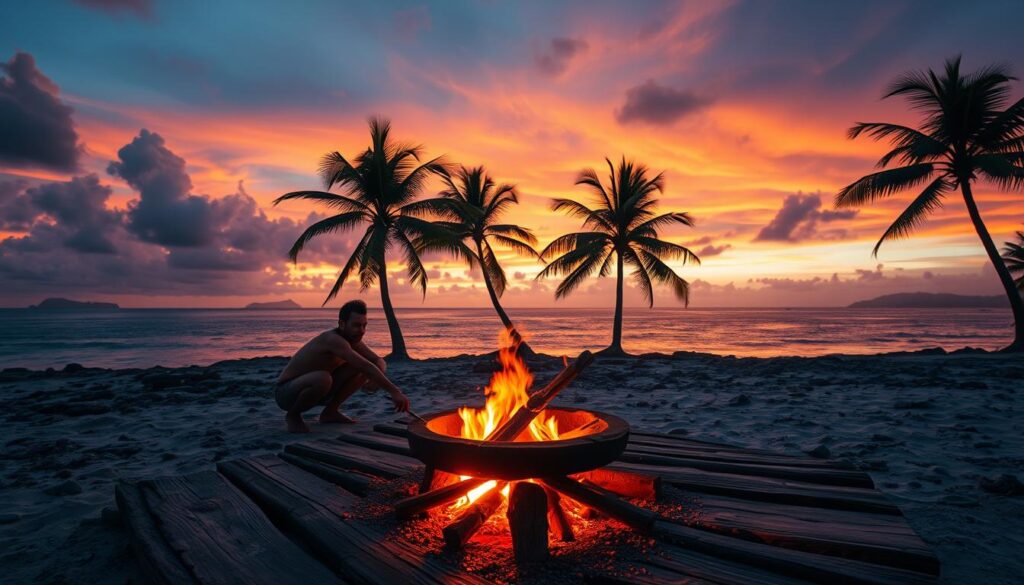
Creating fire is your most critical skill. It provides warmth, safety, and the ability to cook food. Traditional methods build confidence through hands-on learning.
Friction fire techniques like the bow drill generate heat through persistent effort. The hand drill method offers a more portable way to create flames. Both require practice but become reliable tools.
Alternative methods ensure success in different conditions. Flint and steel produce sparks even in damp weather. Solar fire uses sunlight focused through water or glass.
Primitive Cooking Methods on the Beach
Cooking transforms raw catches into nourishing meals. Natural materials become your kitchen tools on any island shore.
Bamboo segments serve as perfect vessels for boiling water and roasting food. Hot stones heated in your fire create natural stovetops. They cook fish and shellfish evenly without modern equipment.
Stick roasting lets you prepare fresh-caught fish over open flames. The earth oven method uses leaf wraps and hot coals for slow cooking. This traditional technique preserves flavors beautifully.
These skills make the difference between surviving and thriving on a remote island. They connect you to generations of people who lived harmoniously with nature.
DIY Shelter Construction and Tropical Safety
Building a secure refuge is one of the most critical skills for successful island survival. Your shelter becomes your home base, protecting you from weather and providing a safe place to rest.
How to Build a Natural Shelter
Choosing the right location is essential for any shelter building project. Look for flat, dry ground above the high tide line. Avoid swampy areas and find a spot sheltered from strong winds.
The Lean-To shelter offers the fastest building option. Use a sturdy tree trunk as your foundation. Lean poles against it and layer palm fronds for waterproof roofing.
For stronger protection, consider an A-Frame structure. This triangle-shaped shelter uses forked sticks and horizontal poles. It provides better insulation during tropical storms.
The Elevated Platform shelter raises your sleeping area off the ground. This keeps you safe from dampness and insects. It also offers protection from curious animals.
Safety Tips for Remote Island Living
Always be aware of your environment and potential hazards. Learn the local tide schedules and weather patterns. Understanding these natural rhythms enhances your safety.
Some adventurers balance authenticity with comfort. They might bring tents or mosquito nets as an optional upgrade. This approach maintains safety while improving sleep quality.
Proper shelter construction creates a secure place for recovery and skill-building. It forms the foundation for a successful island experience. Your refuge allows you to face each day with confidence.
Island Cooking: From Seafood to Wild Foraged Foods
The rhythm of island life beats strongest around the preparation of meals. Your connection to nature deepens as you learn to create food from the land and sea. This is where survival skills meet daily satisfaction.
Cooking Techniques Using Natural Resources
Successful fishing provides a fresh catch. Spearfishing in shallow waters or setting handmade traps are effective methods. Once you have your fish, the real cooking adventure begins.
Roasting your catch over an open fire is a primal and delicious method. For a gentler approach, steaming food in large banana leaves preserves moisture and flavor. Crabs and shellfish cook quickly on hot stones near the flames.
Coconuts are a true gift. They provide hydrating water and nutritious flesh. This versatile fruit can even be processed into cooking oil.
Safe foraging on the beach and inland supplements your diet. Look for edible greens, tubers, and fruits. Always be certain of identification before eating any wild plant.
| Food Source | Primary Method | Key Benefit |
|---|---|---|
| Fish & Seafood | Roasting, Steaming | High-Protein |
| Coconuts | Raw, Processed | Hydration & Nutrition |
| Wild Plants | Raw, Light Cooking | Essential Nutrients |
“The best meal is the one you’ve caught, prepared, and cooked yourself under an open sky.”
Mastering these techniques turns finding food from a chore into the most rewarding part of the day. Every meal is a celebration of your growing self-sufficiency.
Essential Equipment and Gear for the Challenge
Selecting your equipment requires balancing authenticity with practical safety needs. The right tools make survival more manageable while preserving the adventure’s spirit.
Must-Have Tools and Safety Equipment
A good machete is your most versatile piece of equipment. Available for 100 pesos daily, it handles shelter building, food prep, and clearing vegetation. Having this tool in hand dramatically improves efficiency.
Fishing gear options include spear guns at 500 pesos per day. This equipment significantly boosts your protein-catching ability. Tents with bedding cost 500 pesos daily for those wanting comfort.
| Equipment Type | Daily Rental Price | Primary Benefit | Skill Level |
|---|---|---|---|
| Machete | 100 pesos | Versatile cutting tool | All levels |
| Spear Gun | 500 pesos | Enhanced fishing capability | Intermediate |
| Tent with Bedding | 500 pesos | Weather protection & comfort | Beginner-friendly |
Additional items like cooking pots and fire starters can be arranged with guides. This customization option lets you tailor your experience based on skill level.
Consider rental versus purchase when budgeting. A lot of gear over thirty days affects your total price. Good planning with this information ensures you have what you need without excess.
Immersing in Local Island Experiences and Culture
Beyond survival skills lies the heart of the experience: meaningful cultural exchange with local communities. This connection transforms the journey from mere survival to profound learning.
Traditional Activities and Culinary Delights
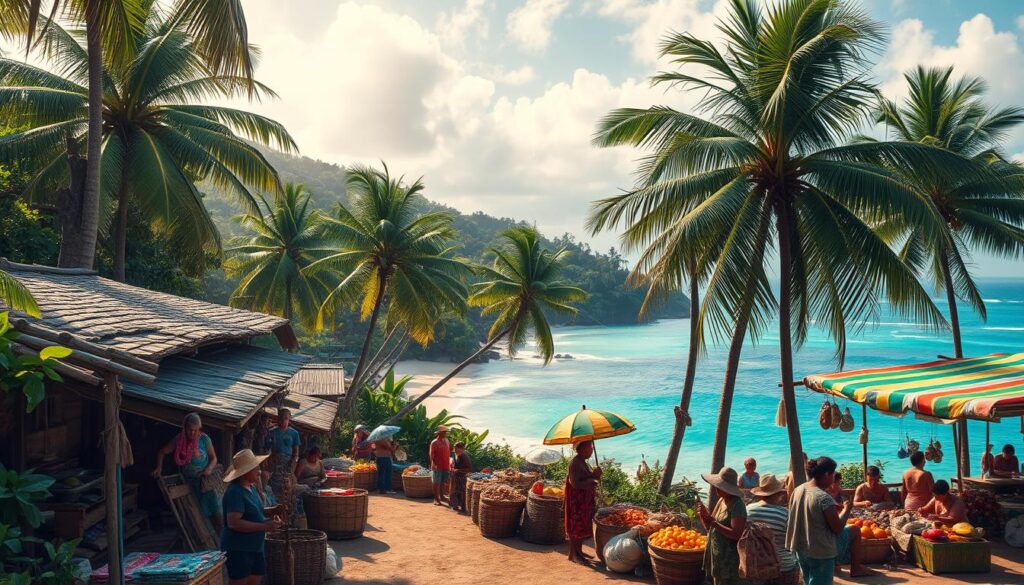
Local guides share generations of wisdom about island living. They demonstrate fishing techniques passed down through family lineages. These methods represent living cultural heritage.
Traditional cooking turns simple catches into delicious food. Fresh fish prepared with bamboo steamers and hot stones creates authentic meals. The beach becomes your natural kitchen.
Participants can join as a group or venture solo. Both options offer unique ways to connect with local people. Shared challenges create strong bonds among adventurers.
This cultural immersion enriches the entire experience. It shows how communities thrive in harmony with their environment. Respectful engagement ensures tourism benefits the island family communities.
My 30-Day Challenge Living Off the Islands in The Philippines
Past participants’ experiences provide the most authentic window into this transformative journey. Their stories reveal what this adventure truly entails.
Real-Life Testimonials and Reviews
Ben Eccles called it “one of the most amazing experiences I have ever done in my life!” He praised the preparation and training. His rating was a perfect 10/10.
Christopher Medcraft described an “incredible experience” in 2023. He learned from amazing survival instructors. The course proved eye-opening over the days.
“WHAT AN AMAZING EXPERIENCE!!! Finally we did it, highly recommended.”
Lessons Learned from Past Adventurers
Participants consistently highlight transformative personal growth. They bond deeply with other people during the challenge.
| Key Lesson | Skills Gained | Personal Growth | Lasting Impact |
|---|---|---|---|
| Self-reliance | Survival techniques | Increased confidence | Life perspective shift |
| Teamwork | Local fishing methods | Adaptability | Stronger relationships |
| Resilience | Shelter building | Mental toughness | Lasting memories |
The experience teaches a lot about what truly matters in life. Many describe it as life-changing. This challenging adventure consistently receives outstanding reviews.
Navigating Private Boat Tours and Remote Island Access
Reaching your remote island destination is the first exciting step of your adventure. This stunning area features 82 islands scattered between El Nido and Coron. The journey covers over 120km of pristine, crystal-clear waters.
Choosing the right boat is crucial for a safe and enjoyable trip. Your selection depends on your group size, budget, and desired level of isolation. Local family operations provide personalized service throughout the country.
Choosing the Right Boat for Your Journey
You have several boat options to consider. A small boat fits up to 5 people and includes a guide with his small fishing boat. The regular option accommodates 8 guests, while a large boat can hold 16 people.
Each island option offers a different experience. Maosonon is more beautiful and has a mobile signal. It’s busy with daily tours, so private access is best after dark.
Deribongan provides complete privacy but has no signal and is less scenic. This area is available anytime but may be risky for long stays. The ideal choice blends survival with exploration.
Understanding Pricing and Options
Boat price includes drop-off and pick-up. A small boat costs 16,000 pesos, subject to availability. The regular boat is 18,000 pesos, and the large boat is 22,000 pesos.
An extra person above capacity costs 1,000 pesos on regular or large boats. An English-speaking guide is an additional 2,000 pesos per day. This family-run service helps plan your entire journey.
Combining your challenge with private tours lets you explore this breathtaking area off the beaten path. The right boat ensures your group or family has a memorable and secure experience.
Overcoming Challenges and Embracing Island Life
Island living presents a unique crucible where discomfort becomes the catalyst for profound personal transformation and self-discovery. The initial days test both physical endurance and mental resilience as you adapt to this new environment.
Each challenge overcome builds confidence that carries into all aspects of life. Tasks that seemed impossible during the first day become routine with time and practice. This progression is an essential part of the journey.
Evening rituals become cherished moments of connection with nature. After a long day, gathering around the fire provides deep satisfaction. Sharing stories under star-filled skies creates bonds that last.
Weathering a difficult night or catching your first fish brings immense pride. These accomplishments reveal inner strength you never knew you possessed. The island teaches resilience through direct experience.
Embracing this life means finding joy in simple victories. Each challenge conquered creates lasting lessons about adaptability. You discover capabilities far beyond previous expectations.
The transformation occurs gradually over time. What begins as survival evolves into thriving through your own efforts. This journey reshapes your perspective on what truly matters.
Tips for a Sustainable and Rewarding Island Experience
The most rewarding island experiences balance thrilling exploration with deep respect for the delicate ecosystems you encounter. This approach ensures your adventure leaves positive memories without negative impacts.
Balancing Adventure with Safety
Your personal safety should always guide your decisions in this remote environment. Establish clear communication plans before heading to isolated beach areas.
Monitor weather patterns closely and respect water conditions. Knowing when to seek help is a crucial part of responsible adventure. This option preserves both wellbeing and the experience.
Integrating Environmental Practices
Protecting the natural paradise means adopting sustainable habits throughout your journey. Proper water management protects freshwater sources for future visitors.
Always practice “leave no trace” principles on every beach and inland place. Respect wildlife and marine ecosystems during your entire course of stay.
Your connection with nature deepens when you actively protect the environment. This sustainable approach ensures the paradise remains pristine for generations.
| Sustainable Practice | Environmental Benefit | Adventure Impact |
|---|---|---|
| Water purification | Protects freshwater sources | Safe hydration |
| Leave no trace | Preserves natural beauty | Minimal footprint |
| Wildlife respect | Maintains ecosystem balance | Enhanced observation |
Conclusion
Embracing island living without modern comforts reveals what truly matters when distractions fade away. This transformative experience goes far beyond typical vacation accommodation, offering profound personal growth in a natural paradise.
Living on a remote island with no signal strips away daily noise, allowing you to reconnect with essential life priorities. Our guide has covered practical information about selecting the right location and area, equipment needs, and safety considerations.
The family-operated service provides personalized support with a lot of local knowledge. In October 2025, join two others seeking companions for this trip.
Visit our website for booking and answers about your adventure. This remarkable country offers pristine beach experiences that could be the most meaningful time of your life. The world has few remaining genuine wilderness opportunities—don’t miss this one.