Building a Nomad Routine Around Filipino Culture

Have you ever dreamed of working from a place where the sun is warm and the people are warmer? The Philippines offers a unique experience for location-independent professionals. This vibrant Southeast Asian country combines stunning natural beauty with a growing digital infrastructure.
This guide is your roadmap to creating a fulfilling life here. We will explore how to weave the rich local customs into your daily schedule. You can enjoy a productive work life while immersing yourself in a welcoming community.
We cover everything from finding the perfect workspace to understanding local traditions. You will learn to navigate both the opportunities and the challenges. This includes managing internet speeds and embracing the famous Filipino hospitality.
Whether you plan a short visit or a long-term stay, this guide helps you build a sustainable rhythm. It’s about honoring the local way of life while meeting your professional goals. Get ready for an adventure that balances work and cultural discovery.
Key Takeaways
- The Philippines provides a compelling mix of natural beauty and modern amenities for remote workers.
- Success hinges on balancing a productive work schedule with deep cultural immersion.
- Understanding and respecting local customs is crucial for a smooth transition.
- Practical considerations, like internet reliability and transportation, require planning.
- This guide offers a comprehensive plan for a rewarding and sustainable lifestyle in the country.
Introduction to the Filipino Digital Nomad Experience
For remote professionals seeking both productivity and cultural immersion, the Philippines presents an unparalleled opportunity. This Southeast Asian nation has become a sought-after destination for digital nomads from around the world.
Understanding the Nomadic Lifestyle in the Philippines
The nomad lifestyle here means embracing a country where family values run deep. Over 86% of people practice Roman Catholicism, and community spirit is a way of life.
This warm, English-speaking population makes the experience significantly easier than in neighboring countries. Communication barriers dissolve quickly in this environment.
Overview of Filipino Culture and Hospitality
Filipino hospitality is expressed through “Mabuhay”—more than a greeting, it’s an invitation to belong. Locals are known for warm welcomes and genuine interest in engaging with visitors.
The “Bahala Na” philosophy teaches resilience in facing uncertainty. This mindset proves valuable for location-independent work. The overall lifestyle combines low costs with stunning natural environments.
Why the Philippines is a Unique Nomad Destination
Unlike more crowded digital nomad hotspots, this country provides a refreshing alternative. It stands out as a special place for remote workers seeking balance.
Natural Beauty and Vibrant Urban Life
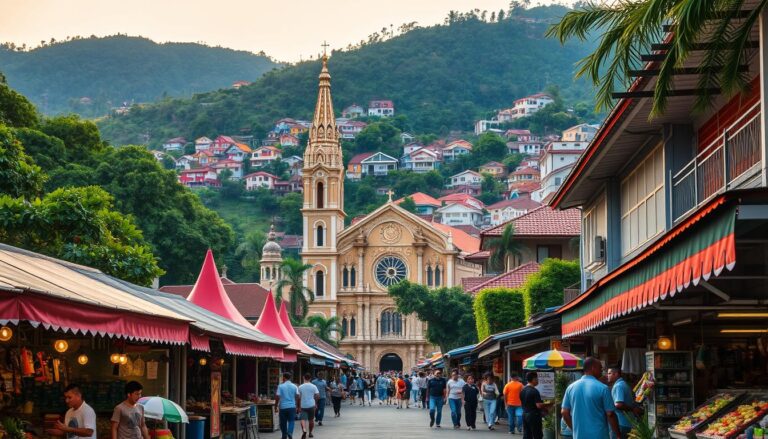
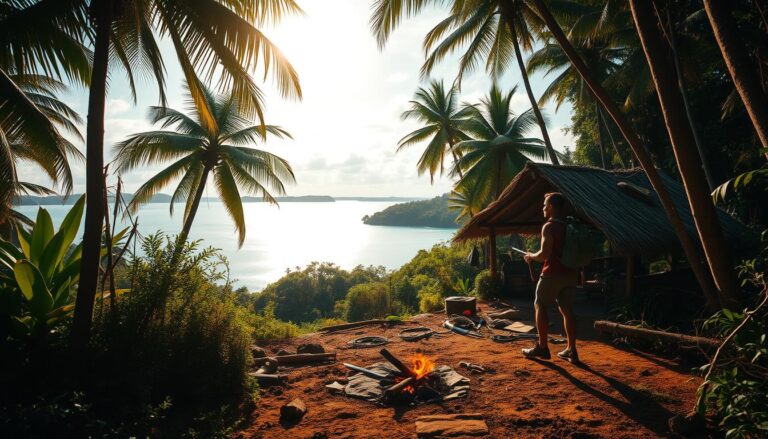
The archipelago boasts over 7,000 stunning islands with pristine white sand beaches. You’ll find lush forests, majestic mountains, and explorable caves throughout the country.
Urban centers offer modern amenities without overwhelming tourist crowds. Major cities provide excellent infrastructure while maintaining authentic local character.
Benefits of a Low Cost of Living
Daily expenses remain remarkably affordable compared to Western standards. Food prices rank among the world’s most budget-friendly options.
Wine lovers appreciate reasonable prices comparable to European levels. This is a rare advantage in Southeast Asia where alcohol typically carries high premiums.
| Location | Accommodation (Monthly) | Food (Daily) | Transportation | Entertainment |
|---|---|---|---|---|
| Manila | $400-600 | $10-15 | Moderate | Varied |
| Cebu City | $300-500 | $8-12 | Affordable | Good |
| Boracay | $500-800 | $12-18 | Limited | Beach-focused |
| Provincial Areas | $200-400 | $5-10 | Basic | Local |
This combination creates an ideal environment for sustainable remote work. You can maintain productivity while enjoying incredible value.
Building a Nomad Routine Around Filipino Culture
Developing a productive schedule here involves more than just finding good Wi-Fi—it’s about cultural integration. The local way of life offers valuable lessons for any remote worker seeking balance.
Integrating Local Traditions into Daily Life
Embrace the spirit of Bayanihan, which means community helping one another. Join neighborhood cleanups or offer assistance without expecting returns. This builds trust with locals.
Respect for elders is fundamental. Use titles like “Manong” for older men and “Tita” for aunts. Adding “po” and “opo” shows humility in conversations.
| Cultural Practice | How to Participate | Expected Impact |
|---|---|---|
| Bayanihan Spirit | Volunteer for community projects | Stronger local connections |
| Respect for Elders | Use proper titles and polite language | Earn community respect |
| Religious Observances | Be mindful during holidays and visits | Smoother social integration |
| Local Festivals | Participate in community celebrations | Deeper cultural understanding |
Adapting to Filipino Work Ethics and Values
Filipino work ethics emphasize diligence and excellent service. When collaborating with local teams, appreciate their reliable approach. The “Bahala Na” philosophy teaches resilience.
Make time to learn basic Tagalog phrases. Locals appreciate the effort, even though English is widely spoken. This way of engaging shows genuine respect for their culture.
Navigating Everyday Challenges in the Philippines
While the Philippines offers incredible rewards, navigating daily life requires some practical adjustments. Being prepared for these hurdles will make your experience much smoother.
Realistic expectations are your best tool for enjoying this beautiful country.
Dealing with Traffic and Urban Congestion
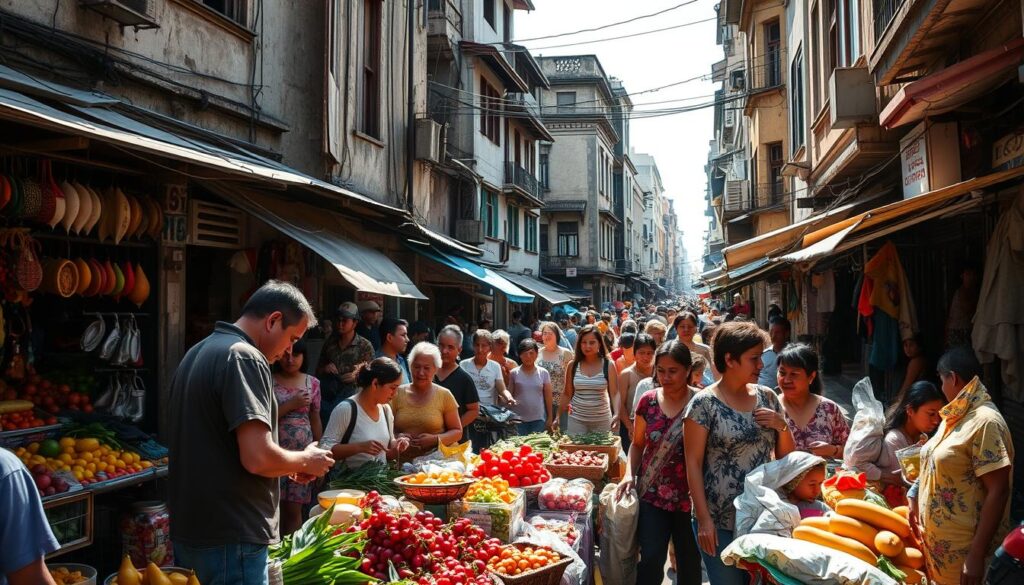
Transportation in the city can test your patience. Manila, the world’s most densely populated urban area, is famous for its gridlock.
Traffic often moves slower than a glacier. Plan your day carefully to avoid spending hours in transit.
The intense heat adds another layer. Temperatures hover around 30°C most of the year. It becomes muggy and oppressive when the rain arrives.
Managing Slow Internet and Connectivity Issues
Reliable internet is a significant challenge here. The country ranks 89th globally for broadband speed.
You cannot expect to do many things you’re used to. Streaming videos or uploading large files becomes a test of patience.
Connection problems are worse on the islands. Blackouts for broadband and mobile are not uncommon.
Cybersecurity is a real concern. Using a VPN is essential for sensitive work. This can further slow your already sluggish internet speed.
- Schedule important online tasks for early mornings when networks are less congested.
- Always have offline work ready for when connectivity fails.
- Consider typhoon season (July-October) when planning travel, as floods can disrupt plans.
Good time management turns these obstacles into manageable parts of your routine.
Finding Your Work Oasis: Internet and Coworking Spaces
Your remote work success in the Philippines depends heavily on finding reliable connectivity spots. The country’s digital infrastructure varies dramatically between urban centers and island paradises.
Major metropolitan areas offer the most consistent options for professionals needing stable connections. Planning your base around these locations ensures you can meet deadlines without frustration.
Top Cities with Reliable Digital Infrastructure
Manila provides the best internet service in the country, particularly in business districts like Makati. While speeds may not match other Southeast Asian nations, they’re sufficient for most remote work tasks.
Cebu stands as another excellent choice with its established IT Park. This area hosts international call centers and offers dependable connectivity for digital nomads.
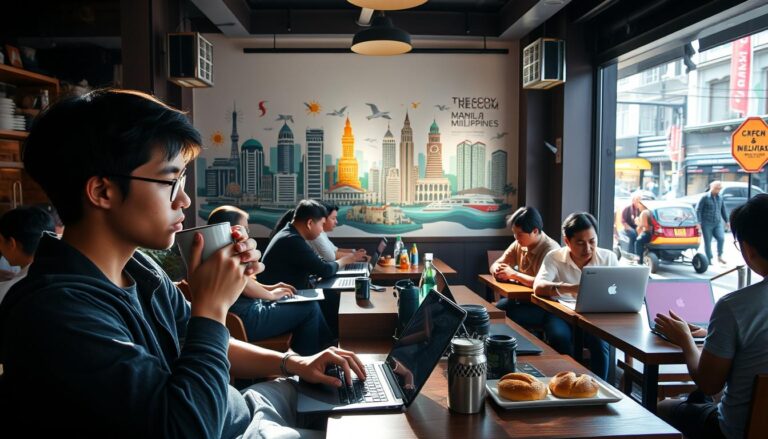
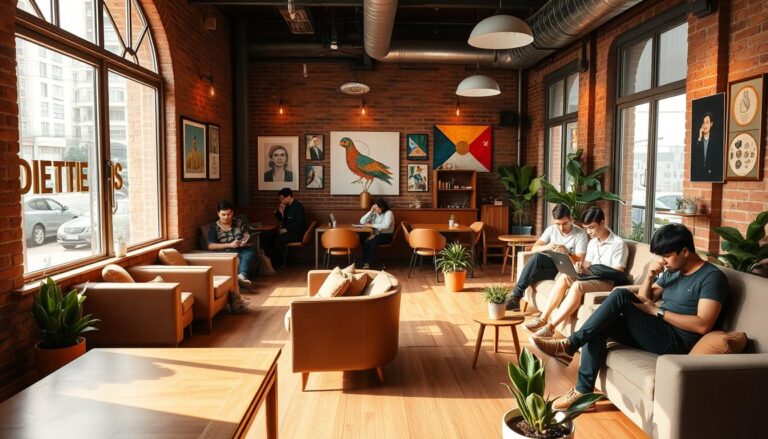
Dedicated coworking spaces have flourished in these urban centers. They provide professional environments with fast internet at reasonable Asian-market prices.
Tips for Offline Productivity and Backup Plans
Embrace offline work as a valuable skill when connectivity fails. Some cafes intentionally avoid offering WiFi to encourage focused productivity.
Always have a backup plan for mission-critical work requiring reliable connections. Purchasing two SIM cards from different providers gives you mobile hotspot options.
Remember that Facebook serves as the primary information channel in the Philippines. Check business pages there before searching elsewhere for coworking spaces and services.
Starting and Running a Business as a Nomad
The archipelago presents an ideal environment for entrepreneurs seeking to establish operations with minimal overhead. This tropical destination offers significant opportunities for those embracing the digital nomad lifestyle.
Legal Requirements and Cost-Effective Setup
Getting started is surprisingly straightforward. Visa applications can cost as little as $125, making this an accessible place for business ventures. Andrew Henderson of Nomad Capitalist calls it ideal for offshore operations.
For stays exceeding six months, consult a tax advisor to navigate local regulations. The low cost structure extends beyond visas to affordable office space and operational expenses.
Leveraging Local Talent and Virtual Assistants
The Philippines ranks among the top outsourcing locations in the world. Filipino workers are renowned for their honesty, strong work ethic, and excellent English skills.
Many entrepreneurs hire virtual assistants from this country. The time invested in building local teams pays significant dividends. Platforms like Upwork showcase thousands of skilled professionals ready to contribute to your nomad business.
Visa and Legal Considerations for Digital Nomads
The legal framework for international remote professionals has become increasingly welcoming in recent years. Understanding your entry requirements ensures a smooth transition to island life.
Most visitors from Western countries receive a 30-day visa waiver upon arrival. Airlines may require proof of onward travel, so have your documents ready.
Exploring Visa Options and Extensions
For longer stays, several options are available. The 6-month extension costs just over $200 and functions as an effective digital nomad visa.
The new Digital Nomad visa approved in 2025 allows stays up to two years. It offers tax benefits for remote workers with international clients.
Understanding Local Regulations and Compliance
Overstay fees are steep at nearly $100, even for one day. If you exceed your authorized stay, consider extending properly rather than risking penalties.
Always verify current requirements before traveling. Regulations can change, and consulting legal experts for stays beyond six months is wise.
Experiencing Filipino Cuisine and Healthy Eating
Exploring the culinary landscape is an essential part of understanding any destination’s heart and soul. The country’s food tells a story of diverse influences through bold flavors and communal traditions.
Must-Try Local Dishes and Street Food
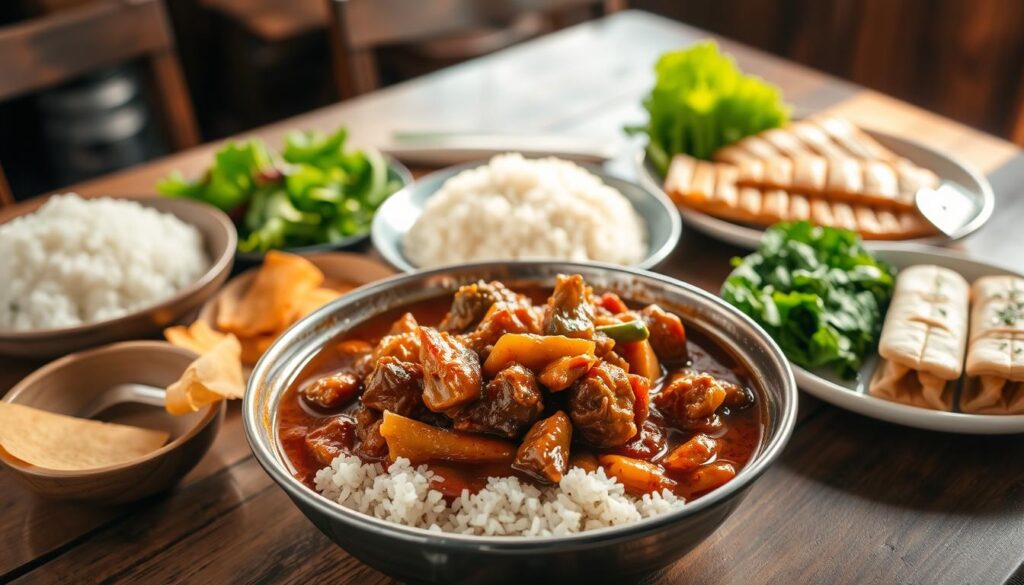
Filipino cuisine blends indigenous flavors with Spanish, Chinese, and American influences. Adventurous eaters will find unique dishes that create memorable experiences.
| Dish | Description | Where to Find | Price Range |
|---|---|---|---|
| Adobo | Meat braised in vinegar, soy sauce, garlic | Local eateries, carinderias | $2-5 |
| Sinigang | Sour soup with tamarind base | Family restaurants, markets | $3-7 |
| Lechon | Whole roasted pig, festival favorite | Special occasions, buffets | $8-15 |
| Halo-halo | Mixed dessert with shaved ice | Street vendors, cafes | $1-3 |
Tips for Maintaining a Healthy Diet as a Nomad
Balancing indulgence with nutrition requires planning. Many traditional dishes feature fried meats as centerpieces.
Seek out vegetable-based options like fresh fruit stands. Ask locals for recommendations on healthier restaurants. Preparing some meals yourself ensures dietary control throughout your day.
Embracing the food culture means trying new things while maintaining personal wellness goals. The journey through Philippine cuisine becomes part of your overall adventure.
Choosing the Right Accommodation: City vs. Island Living
Finding your perfect home base in the Philippines means weighing urban convenience against tropical paradise. This decision impacts your daily routine and overall experience.
Hotel, Airbnb, and Local Rental Market Insights
For short stays, hotels offer good value with minimal commitment. Airbnb provides options but rarely matches Agoda’s competitive pricing across Asian destinations.
Long-term rentals require different strategies. Contacting local agents directly often yields better deals for stays exceeding several months. The rental market varies significantly between major cities and remote islands.
| Accommodation Type | Best For | Average Monthly Cost | Key Advantages |
|---|---|---|---|
| City Apartments | Long-term professionals | $300-600 | Reliable internet, amenities |
| Island Resorts | Short retreats | $400-800 | Beach access, tranquility |
| Hotels | 1-4 week stays | $20-50/night | Flexibility, services included |
| Local Rentals | 3+ month commitments | $200-400 | Cost savings, authentic experience |
Benefits of High-Quality, Affordable Housing
The quality-to-price ratio favors careful research. Major cities like Manila offer modern apartments at reasonable rates. These urban centers provide excellent infrastructure for remote work.
Island living delivers stunning beaches and lower daily expenses. Many coastal resorts now feature coworking spaces with reliable connectivity. This combines tropical beauty with professional functionality.
Your ideal place should balance work requirements with personal preferences. Consider where you’ll spend most evenings and weekends when choosing your home away from home.
Embracing Filipino Culture: Language, Festivals, and Etiquette
Your journey in the Philippines becomes truly meaningful when you connect with the local way of life. Understanding the cultural heartbeat transforms a temporary stay into a deep experience.
Essential Filipino Phrases and Communication Tips
Learning basic Tagalog phrases shows respect and earns immediate affection from locals. The language uses the Latin alphabet with no tones, making it accessible for Westerners.
Most people speak excellent English with a slight American accent. Customer service standards are high, with frequent use of “Sir” or “Ma’am.”
Respect for elders is shown through titles like “Manong” for older men and “Tita” for aunts. Adding “po” and “opo” shows humility in conversations.
Participating in Festivals and Community Traditions
Filipino festivals offer incredible connection opportunities. The country celebrates the world’s longest Christmas season starting in September.
Religious observance is central to daily life, with over 86% Catholic. Dress modestly at churches and be mindful during celebrations.
Embrace the Bayanihan spirit by helping neighbors without expecting returns. This community value creates strong bonds with local people.
Avoid sensitive topics like politics and religion. Instead, ask about customs and traditions to receive warm, informative responses.
Connecting with the Digital Nomad Community in the Philippines
Finding your tribe among the digital nomad community can make all the difference between feeling isolated and feeling at home. Traditional networking apps like Meetup often prove ineffective here.
The most reliable way to meet fellow remote workers is through physical spaces. Coworking locations in major urban centers serve as natural gathering spots for the nomad lifestyle.
Networking through Coworking Spaces and Local Events
These shared workspaces offer more than just internet connectivity. They create opportunities for organic connections with like-minded people building location-independent careers.
Certain destinations have developed strong concentrations of remote professionals. Siargao Island attracts nomads with its laid-back surfer vibe and growing coworking scene.
Baguio hosts an annual Digital Nomad Weekend Festival that draws participants from across Asia. Established cities like Manila and Cebu feature regular community events.
Online Communities and Social Media Groups
Facebook groups provide essential virtual meeting points for the community. The “Digital Nomad Philippines” group shares comprehensive resources and event information.
City-specific groups like “Cebu Digital Nomads” offer localized support. They help with practical matters from accommodation to job opportunities in specific base locations.
Building your social network requires active participation. Regular engagement in both online groups and physical spaces creates meaningful connections that enrich your life abroad.
Conclusion
With the recent approval of the Digital Nomad Visa, the Philippines joins the ranks of Asia’s most welcoming countries for remote work professionals. This landmark decision creates exciting opportunities for those seeking an authentic Southeast Asian experience.
Living in the Philippines offers a remarkable balance of modern amenities and natural wonders. From bustling cities to pristine islands, this country provides diverse settings for every type of digital nomad. The warm people and rich traditions make each day memorable.
The nomad lifestyle here rewards flexibility and cultural respect. While challenges exist, proper planning turns them into manageable aspects of your routine. This guide has equipped you with strategies for success.
Now is the perfect time to explore this dynamic destination. The Philippines stands ready to welcome you with open arms and endless possibilities for work and adventure.