Philippines Remote Worker Visas: What You Need

Welcome to your complete guide for living and working from this tropical paradise. This resource is crafted for location-independent professionals seeking a new adventure.
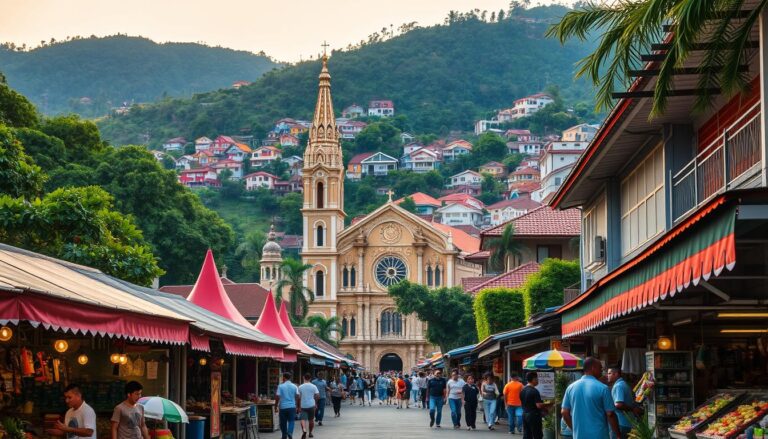
The archipelago has become a top choice for the modern professional. It boasts thousands of stunning islands, a rich culture, and widespread use of English. The affordable lifestyle is a major draw for people from across the globe.
This guide will walk you through the essential steps. You will learn about the legal landscape and the application process. We also cover how to settle into your new home comfortably.
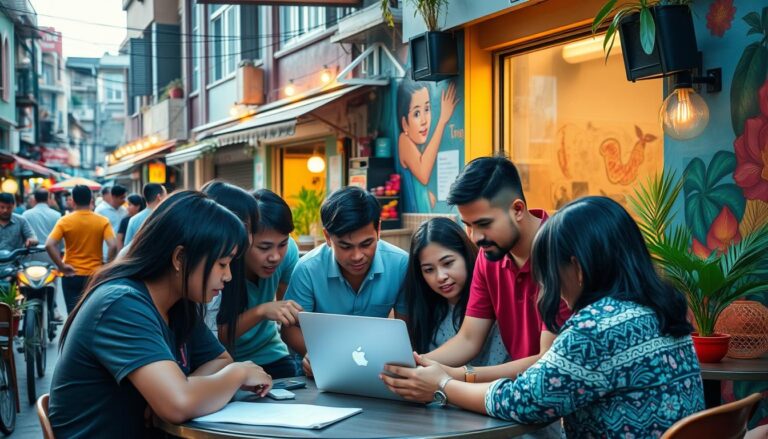
Whether you are a freelancer or an entrepreneur, the nation offers flexible options. These permits allow you to reside legally while working for clients or companies based elsewhere.
In 2023, the local immigration bureau announced plans for a dedicated program. This move aligns with a growing regional trend of welcoming location-independent professionals.
Currently, generous tourist policies allow for extended stays. Some nationalities can enjoy visits of up to six months or even longer while they work.
We cover more than just paperwork. You’ll find practical advice on the best cities, cost of living, internet quality, and integrating into the local community.
Discover why this destination stands out. From its warm, English-speaking population to its natural beauty and coworking spaces, it’s a fantastic place to base yourself.
Our information comes from official sources, experts, and experienced individuals. This ensures you get accurate, up-to-date details for your journey.
By the end, you’ll have a clear picture of eligibility, required documents, timelines, costs, and daily life in this beautiful Southeast Asian country.
Key Takeaways
- The Philippines is an emerging hotspot for digital nomads, offering beauty, culture, and affordability.
- Flexible visa options exist for freelancers, remote employees, and entrepreneurs.
- A specific digital nomad visa was announced in 2023, joining a regional trend.
- Generous tourist visa policies currently allow for extended stays for many nationalities.
- This guide provides practical information beyond visas, covering living costs and community integration.
- Information is sourced from official channels and experienced individuals for accuracy.
- You will learn all about eligibility, application steps, and what to expect from daily life.
Understanding the Philippines Visa Landscape
Before packing your bags, it’s essential to grasp the different legal pathways available for extended stays. The entry system offers flexible options for location-independent professionals.
Tourist Visas vs. Digital Nomad Options
Currently, tourist permits serve as the primary entry method for most international visitors. Citizens from 157 countries enjoy visa-free access for initial 30-day periods.
American passport holders receive particularly favorable treatment with 59-day entry stamps. These can be extended for significant additional timeframes.
| Feature | Tourist Visa | Digital Nomad Visa |
|---|---|---|
| Work Authorization | Not officially permitted | Explicitly allowed |
| Initial Stay Period | 30-59 days | 12 months anticipated |
| Extension Potential | Up to 36 months | Renewal options expected |
| Legal Clarity | Ambiguous for remote work | Clear remote work permission |
Insight into Immigration Policies
The local government announced plans for a dedicated program in May 2023. This follows regional trends of welcoming location-independent professionals.
Tourist permits can be extended remarkably long-term—up to 24 or even 36 months total. This requires periodic immigration office visits and fee payments.
Understanding visa application procedures helps navigate the system efficiently. The immigration policies balance welcoming visitors with protecting local employment markets.
The upcoming digital nomad visas represent a significant policy shift. They provide legal clarity for professionals working remotely for overseas employers.
Philippines Remote Worker Visas
Understanding the specific criteria for the upcoming program is your first step toward legal residency. This section breaks down what you’ll need to qualify and how long the process takes.
Assessing Eligibility and Income Requirements
The digital nomad visa targets professionals with stable employment outside the country. You must prove your work relationships exist entirely overseas.
The anticipated minimum income requirement is around $24,000 annually. This ensures you can support yourself comfortably while living here.
This threshold is quite reasonable compared to regional alternatives. It makes the program accessible to many freelancers and remote employees.
| Country | Minimum Annual Income | Visa Duration |
|---|---|---|
| Philippines | $24,000 (anticipated) | 12 months |
| Malaysia | $24,000 | 12 months |
| Thailand | $40,000-$80,000 | 12 months |
Application Timeline and Potential Fees
The processing time for the nomad visa is anticipated to be 2-3 months. Plan your application well before your intended travel date.
While official fees haven’t been announced, budget at least $250 based on similar visas. This covers the basic application cost without dependents.
The initial stay period is one year with renewal options available. This gives you up to two years of legal residence under this program.
Digital Nomad Visa Philippines: What to Expect
This innovative program provides stability and legal clarity for professionals working from abroad. The framework offers substantial benefits for those seeking legitimate long-term residency.
Initial 12-Month Stay with Renewal Options
The digital nomad visa grants an initial authorized stay of twelve months. This gives you ample time to establish your routine and explore the country’s diverse regions.
After your first year, the visa is renewable for an additional twelve-month period. This extendable feature provides up to two years of continuous residency.
Visa holders enjoy significant tax advantages on international income. You won’t pay local taxes on money earned from foreign sources while maintaining your home country obligations.
| Feature | Benefit | Duration |
|---|---|---|
| Initial Stay | Legal residency for remote work | 12 months |
| Renewal Option | Continued eligibility verification | Additional 12 months |
| Tax Status | Exemption on foreign income | Entire stay period |
| Local Employment | Prohibited to protect domestic market | Not permitted |
The program is family-friendly, allowing partners and dependent children under 18 to accompany applicants. Early 2024 is the anticipated launch timeframe for this comprehensive digital nomad visa.
This renewable structure offers predictability for professionals wanting to establish a genuine base. The combination of reasonable requirements and substantial benefits makes it particularly attractive.
Navigating Eligibility and Documentation
Document preparation forms the foundation of any successful application process. Getting your paperwork in order ensures a smooth journey toward approval.
Proof of Remote Employment and Income Verification
You’ll need solid proof of your employment situation. This means contracts or letters showing you work for companies outside the country.
Income verification requires bank statements showing regular deposits. The minimum income requirements are around $24,000 annually. This demonstrates financial stability.
Health Insurance and Criminal Record Checks
Comprehensive health insurance is mandatory for your entire stay. This insurance must cover medical emergencies and hospitalization.
A clean criminal record from your home country is essential. This record needs proper authentication for international use.
These requirements protect both you and the host country. Proper documentation makes the process straightforward.
Application Process for Remote Worker Visas
Getting your application right is crucial for a smooth transition to your new tropical base. The process combines digital convenience with essential in-person verification steps.
You’ll start by completing forms on the official immigration portal. This online submission lets you provide personal details and upload documents from anywhere in the world.
Online Submission and Embassy Appointments
After your digital application, schedule an appointment at your nearest embassy or consulate. This step verifies your original documents and passport.
Bring all required paperwork to your embassy meeting. Officials need to check your criminal record, employment contracts, and financial statements.
Processing typically takes about 10 working days after your appointment. If approved, you’ll collect your passport with the new visa stamp.
Budget approximately $250 for application fees, though official costs aren’t final yet. Keep records of all submission confirmations and correspondence.
Those already in the country may convert their status through local immigration offices. This avoids the need to travel outside the Philippines for processing.
Cost Considerations and Living Expenses
One of the biggest draws for location-independent professionals is the remarkably affordable lifestyle. Understanding your potential expenses is crucial for creating a realistic budget for your stay.
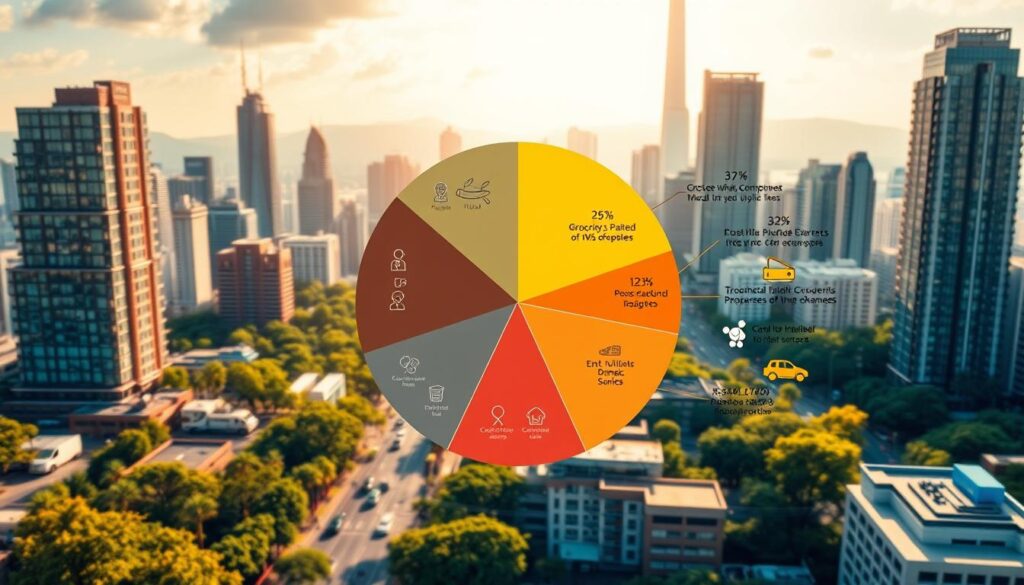
Your monthly cost of living, excluding accommodation, can be surprisingly low. You can expect to spend around $500 on essentials like food, utilities, and internet.
Understanding Local Costs and Budgeting Needs
Daily meals are very affordable. A local lunch costs about $3.50, while a nice restaurant dinner runs $10-15. A beer is typically just $1.50.
Groceries for home cooking average $100-150 per month. Local markets offer fantastic value on fresh produce and seafood.
Utility bills, including somewhat expensive electricity, average $100 monthly. Reliable internet essential for work costs around $40 per month.
Rental prices vary significantly by city. In general areas, a one-bedroom apartment starts at $325, while a three-bedroom averages $720.
Manila commands premium prices, with one-bedrooms around $575. Cebu offers a middle ground at approximately $465. Davao provides excellent value with one-bedrooms averaging just $260.
A comfortable lifestyle is achievable on $1,000-1,500 monthly in smaller cities. This is well below the anticipated visa income requirement, making your income stretch further.
Best Cities and Digital Nomad Hotspots
Your productivity and enjoyment will largely depend on selecting a base that matches your personal and professional needs. The country offers diverse urban centers and tropical escapes perfect for different lifestyles.
Urban Centers Like Manila, Cebu, and Davao
Major cities provide excellent infrastructure for digital nomads who need reliable connectivity. Manila boasts the fastest internet and largest expat community with spaces like Acceler8 and Clock In.
Cebu offers a historic Spanish vibe with modern amenities. It balances urban convenience with easy beach access. The city features coworking hubs like Nomads Hub and ASPACE Crossroads.
| City | Internet Speed | Monthly Cost | Community Size |
|---|---|---|---|
| Manila | Fastest | $575+ | Largest |
| Cebu | Reliable | $465+ | Growing |
| Davao | Decent | $260+ | Authentic |
Tropical Escapes: Islands and Beach Destinations
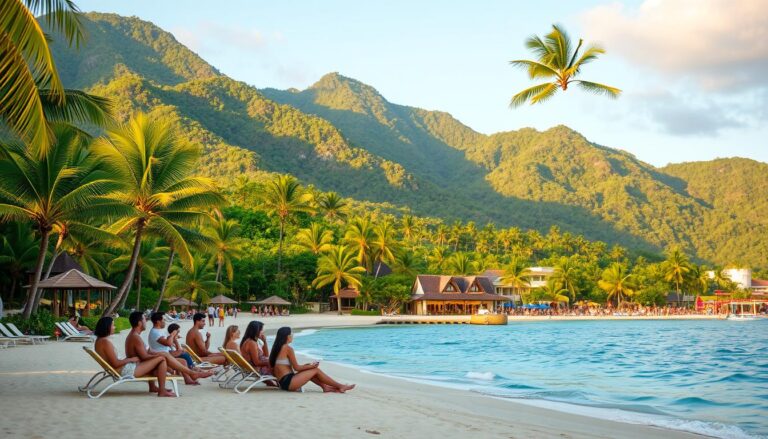
For nomads seeking paradise, Siargao leads with world-class surfing and growing coworking spaces. Lexias Hostel and Sunflower House offer beachfront work environments.
Other stunning destinations include Coron Palawan for diving and Boracay for white beaches. These locations provide incredible natural beauty while maintaining work capabilities.
Each destination serves different preferences. Urban centers maximize professional opportunities while islands offer unparalleled lifestyle balance.
Working Remotely: Lifestyle and Cultural Integration
The true magic of working from this archipelago lies in seamlessly merging productivity with cultural immersion. This unique environment offers more than just a change of scenery—it provides a transformative experience.
Balancing Work with Local Experiences
Successful remote work here means finding harmony between professional duties and local adventures. Many digital nomads adopt the local rhythm of early mornings and evening explorations.
The warm climate influences daily patterns. Smart professionals schedule important work during cooler hours. This leaves afternoons free for beach trips or cultural discoveries.
English proficiency throughout the country makes integration remarkably smooth. You can easily communicate with locals, shop at markets, and build genuine relationships.
| Strategy | Work Benefit | Lifestyle Benefit |
|---|---|---|
| Early Morning Focus | Peak productivity hours | Afternoons free for exploration |
| Weekend Adventures | Mental recharge | Island hopping experiences |
| Local Community Engagement | Networking opportunities | Deeper cultural integration |
“The most successful digital nomads don’t just work in a new place—they become part of it. True integration happens when your work schedule respects local rhythms.”
Time zone advantages help many professionals. The GMT+8 location allows reasonable overlap with Asian business hours. It also enables flexible scheduling with European and American clients.
Cultural experiences enrich your time here. Local festivals, traditional cuisine, and community events offer authentic connections. These moments transform a temporary stay into meaningful living.
Benefits and Challenges of Remote Work in the Philippines
Living as a digital professional here comes with a unique mix of fantastic benefits and practical challenges. Understanding both sides helps you make an informed decision about basing your career in this beautiful country.
Advantages: Cost, Tax Benefits, and Community
The financial benefits are significant. Your income stretches much further than in Western nations. This allows for comfortable living while saving or investing.
Tax advantages represent another major perk. Digital nomad visa holders pay no local income tax on international earnings. You keep more of what you earn while enjoying tropical paradise.
The widespread English usage eliminates communication barriers. This makes everything from apartment hunting to client calls smooth. The friendly local culture welcomes foreign workers genuinely.
A growing community of digital nomads provides networking opportunities. You’ll find established expat groups and local entrepreneurs. This creates a supportive environment for remote professionals.
Considerations: Traffic, Internet Reliability, and Safety
Internet reliability presents the biggest challenge for many workers. Outside major cities, connectivity can be inadequate for video calls. Careful location selection is essential.
Urban areas face severe traffic congestion and pollution. Simple errands can become time-consuming in cities like Manila. Some nomads prefer quieter destinations.
Safety requires awareness and common precautions. Petty theft targets inattentive visitors in certain areas. Most digital nomads live safely by staying informed.
The overall experience balances these advantages and challenges. Successful professionals embrace the trade-offs for the incredible lifestyle benefits.
Preparing Your Application: Tips and Insights
A well-prepared application is your ticket to a smooth transition. Getting organized early makes all the difference. This final preparation stage ensures you meet all the requirements without last-minute stress.

Let’s break down the key steps for a successful submission. Proper planning turns a complex process into a manageable one.
Essential Document Checklist and Best Practices
Your first task is gathering all necessary documentation. Create a master checklist to track your progress. This includes your valid passport, employment contracts, and financial statements.
Pay close attention to the small details. Names on all forms must match your passport exactly. Inconsistencies are a common reason for delays.
For proof of employment, company letters should be on official letterhead. Freelancers need a portfolio of active client agreements.
| Document Type | Key Requirement | Special Note |
|---|---|---|
| Passport | 6+ months validity | Check expiration date early |
| Health Insurance | Full coverage period | Must include medical evacuation |
| Criminal Record | Certified with Apostille | Research your country’s process |
| Income Verification | 6 months of statements | Show stable, regular deposits |
Utilizing Expert Guidance and Online Resources
Don’t hesitate to seek professional help for complex situations. Immigration consultants can clarify specific requirements.
Online forums and official government websites are treasure troves of information. They provide real-world experiences and updated details.
Double-check all application details before submitting. Keeping digital and physical copies of everything is a best practice. This preparation leads to a confident and successful application.
Conclusion
The path to legally working from paradise has been mapped out in detail throughout this guide. The upcoming digital nomad visa opens incredible opportunities for location-independent professionals worldwide.
This comprehensive resource has covered everything from eligibility requirements to daily living costs. The program’s structure offers up to two years to establish a genuine home base in this tropical nation.
Digital nomads can enjoy significant financial advantages while experiencing rich cultural immersion. The welcoming environment and English proficiency make integration smooth for international remote workers.
While challenges exist, informed preparation ensures success. Now is the perfect time to start gathering documents and planning your application for the anticipated launch.
Your future as a digital nomad in this archipelago awaits. This guide provides the foundation for an unforgettable journey balancing work and adventure in one of Southeast Asia’s most welcoming destinations.