A Guide To Samal Island Philippines
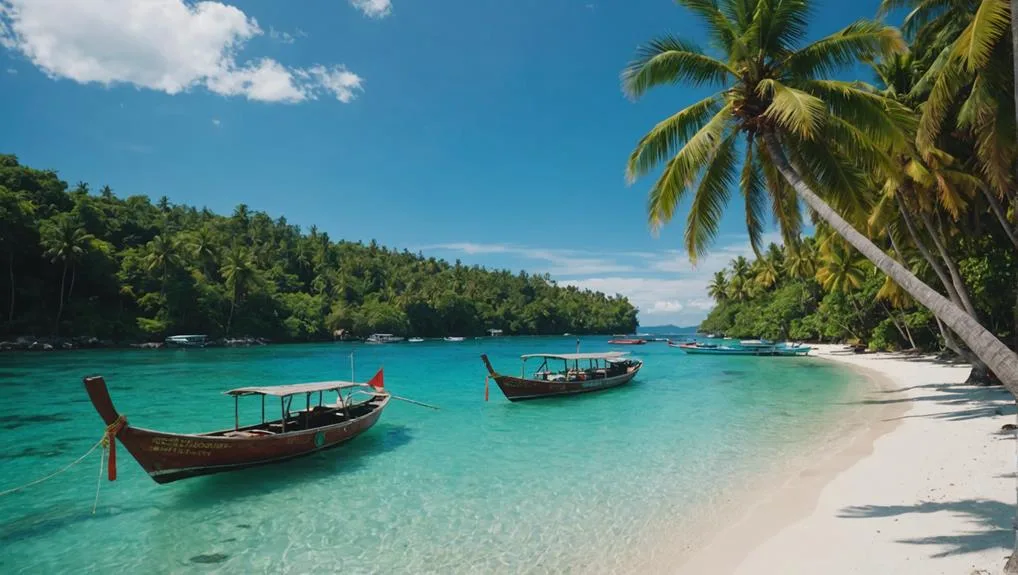
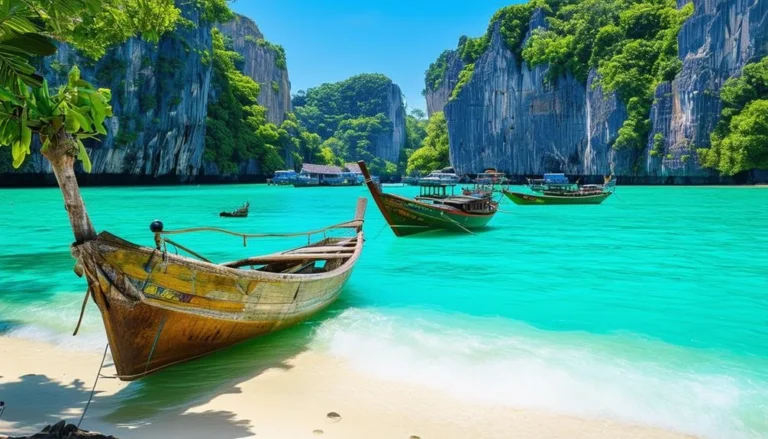
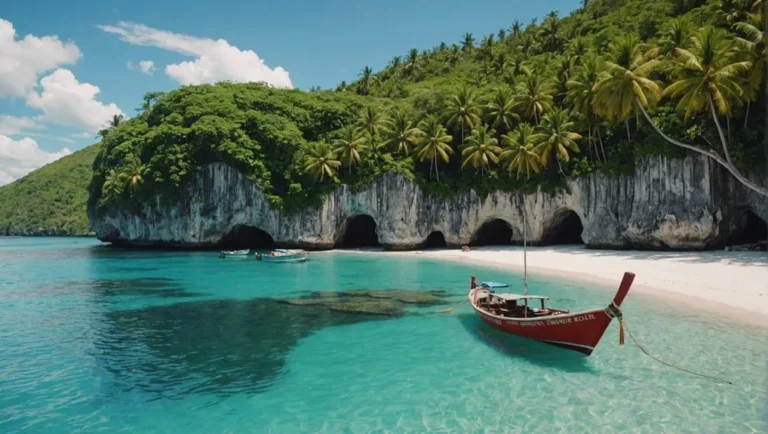
Samal Island, officially the Island Garden City of Samal, is a tropical paradise floating in the Davao Gulf, just a short boat ride from Davao City in Mindanao. Ringed by white-sand beaches and coral reefs, it is home to luxury resorts, a record-breaking bat sanctuary, gentle waterfalls, and rich waters made for diving. Easy to reach yet wonderfully relaxed, Samal is one of southern Mindanao’s favourite getaways. This guide covers what Samal is, its top attractions, and how to plan a visit.
Davao Gulf, off Davao City
Island Garden City of Samal
About a 15-minute ferry ride
Monfort Bat Sanctuary
Kaputian, Canibad, Pearl Farm
Diving, island hopping, day trips
What Samal Island is
Samal, or the Island Garden City of Samal, sits in the heart of the Davao Gulf, separated from mainland Davao by a narrow strait. Reached in about fifteen minutes by ferry, it is one of the most accessible island escapes in the country, yet it feels a world away, with palm-fringed shores, clear azure water, and a laid-back island rhythm. A long-awaited bridge connecting Samal directly to Davao City is under construction, which will make the crossing even quicker in the years to come.
The Monfort Bat Sanctuary
One of Samal’s most astonishing sights is the Monfort Bat Sanctuary, which holds the Guinness World Record for the largest colony of fruit bats on the planet. More than two million Geoffroy’s rousette fruit bats roost inside its cave system, packed so densely along the rock that they seem to carpet the walls. At dusk they pour out in a swirling river of wings to feed, a natural spectacle unlike any other. The sanctuary is a vital conservation site, protecting a colony of global importance.
Beaches, falls, and resorts
Samal is best known for its coastline and its easygoing island attractions, which suit families, couples, and adventurers alike.
| Attraction | What to expect |
|---|---|
| Pearl Farm Beach Resort | The island’s iconic luxury resort, once a real pearl farm |
| Kaputian Beach | Powdery white sand and calm water, a family favourite |
| Canibad Beach | A quieter cove loved for its clear water and cliffs |
| Hagimit Falls | Gentle cascades and pools set in a leafy park |
| Vanishing Island | A sandbar that disappears at high tide |
Diving and marine life
Samal is a paradise for snorkellers and divers, and one of the most affordable places to dive in the whole country. Its protected reefs and sanctuaries teem with colour.
- Coral Garden Marine Park, a large protected reef ideal for snorkelling.
- The Giant Clam Sanctuary, where visitors snorkel above several species of massive clams.
- Fish sanctuaries alive with colourful reef fish and healthy coral.
- Occasional sightings of sea turtles gliding through the shallows.
Adventure beyond the beach
There is more to Samal than sand and sea. The island is dotted with caves for exploring, and Mount Puting Bato, its highest peak, offers an easy hike with sweeping views of the gulf, a popular warm-up for those training to climb nearby Mount Apo, the tallest mountain in the Philippines. Cliff diving, ATV rides near Hagimit Falls, and a range of water sports round out the options, making Samal as active or as relaxing as you wish.
Planning your visit
Because the ferry runs frequently and the crossing is short, Samal is very doable as a day trip from Davao City, easily covering the bat sanctuary, Hagimit Falls, and a beach in a single day. To slow down and enjoy the resorts, an overnight stay is ideal. The best way to get around the island is by habal-habal motorbike, a rented multicab, or a guided tour. The dry months bring the clearest water for snorkelling, while the falls are fullest just after the rains.
The bridge that will change Samal
For decades, reaching Samal has meant a short but charming ferry ride across the Davao Gulf. That is set to change with the Samal Island to Davao City Connector Bridge, a major infrastructure project spanning the strait between the island and the mainland. Once complete, it will cut the crossing from a fifteen-minute ferry to a five-minute drive, promising easier access for visitors and new opportunities for the island’s communities. Many locals hope the bridge will boost tourism and livelihoods while preserving the relaxed, garden-island character that makes Samal so loved.
Why visit Samal Island
Samal packs an incredible variety of experiences into one accessible island, which is a big part of its charm.
- Something for everyone, from luxury resorts and family beaches to caves, hikes, and dive sites.
- Incredible value, with some of the cheapest diving in the country and affordable day tours.
- Easy access, just minutes from a major city, ideal even for a short trip.
- Natural wonders, above all the record-breaking Monfort Bat Sanctuary.
Whether you want to lounge on white sand, snorkel over giant clams, or watch two million bats take to the sky, Samal delivers, all with the warm hospitality that Mindanao is known for.
A responsible island escape
Part of what makes Samal so appealing is its healthy reefs and thriving wildlife, and keeping them that way matters. When snorkelling or diving, avoid touching the coral and giant clams, and never feed or disturb the marine life. At the bat sanctuary, follow the guides’ rules to protect the sensitive colony. Choosing local operators, respecting the sanctuaries, and taking your rubbish with you all help ensure that this garden island stays as beautiful and abundant as it is today, for both its residents and its visitors.
The heart of Davao’s island life
Samal is more than a collection of beaches and attractions; it is a beloved escape woven into the rhythm of life in the Davao region. On weekends, families cross the gulf for picnics on the sand, groups of friends gather for dive trips and island hopping, and travellers from across Mindanao and beyond come to unwind. Its blend of natural wonders, warm hospitality, and easy access has made it a treasured getaway for generations of Davaoenos and a highlight for visitors to southern Mindanao. As the new bridge draws the island and the mainland ever closer, Samal is poised to welcome even more people to its shores, while its garden-island charm, clear waters, and record-breaking bat caves ensure it will always be somewhere special. For anyone exploring the south of the Philippines, Samal is simply not to be missed.
Easy to reach, gentle on the wallet, and rich in natural wonders, Samal makes an ideal addition to any trip through Mindanao or the wider Philippines. Whether you have a single free day in Davao or a longer holiday to fill, the Island Garden City of Samal offers sunshine, adventure, and warm island hospitality in equal measure, a getaway that lingers happily in the memory.
With its frequent ferries, budget-friendly tours, and short crossing from the city, few island destinations in the country are as convenient to reach or as generous with their rewards, which is exactly why travellers keep coming back to Samal season after season.
Frequently Asked Questions
Where is Samal Island?
Samal lies in the Davao Gulf, just off Davao City in Mindanao, reached by a short ferry ride of about fifteen minutes.
What is Samal Island famous for?
Its white-sand beaches and resorts, affordable diving, and the Monfort Bat Sanctuary, which holds the Guinness record for the largest fruit bat colony.
Can you visit Samal as a day trip?
Yes. The frequent, short ferry makes it easy to see the bat sanctuary, Hagimit Falls, and a beach in one day from Davao City.
Is diving in Samal expensive?
No. Samal is one of the most affordable diving destinations in the Philippines, with dive shops based near the wharf offering good-value trips.
Conclusion
Samal Island proves that paradise can lie just minutes from the city. With record-breaking bat caves, gentle falls, vibrant reefs, and beaches to suit every mood, the Island Garden City of Samal is one of Mindanao’s great escapes, welcoming, affordable, and endlessly rewarding.
The wider Davao region is famous for the Kadayawan Festival, a grand thanksgiving for the bounty of the harvest and the culture of its indigenous tribes.