Kadayawan Festival Philippines: Davao August Guide
Kadayawan is Davao City’s August thanksgiving for the harvest and for the Lumad and Moro communities of the region. The name comes from madayaw, a greeting of thanks or something good.
When the city publishes a year, the days people travel for are usually street-dance and floral parade events under names such as Indak-Indak and Pamulak. Those names and dates are set annually. As of 12 September 2026, the 2026 edition has passed.
This page will not invent a 2027 parade day.
Use this guide for meaning, the August pattern, verified 2026 points from Davao City and news reporting, and visitor etiquette. For the national map, open the complete festivals guide. For U.S. trip framing, open must-visit festivals for American visitors. For fiesta manners, open what are fiestas.
Key facts
| Item | What to use |
|---|---|
| Place | Davao City |
| Usual window | A week or more in August, often peaking mid to late month |
| What it is | Harvest and cultural thanksgiving with city-scheduled parades and shows |
| What it is not | A January Santo Niño festival, or a date copied from an old blog weekend |
| 2026 theme | We Are One KadayaONE / We Are One, KadayawOne (city launch and news reporting) |
| 2026 opening notes | City and news reports place major opening rites around 7 August 2026 |
| 2026 peak parade notes | Pamulak ug Indak-Indak reporting centres on 16 August 2026 |
| 2026 month promotions | Big KadayaONE Sale and related citywide promotions reported for August 2026 |
| Next edition | Not a ticket until Davao City publishes the 2027 calendar |
What Kadayawan is
Kadayawan thanks the land for fruit, flowers, and a good harvest, and it puts Lumad and Moro cultures in the civic programme. City materials and news coverage for 2026 emphasise Davao’s ethnolinguistic communities in the thanksgiving.
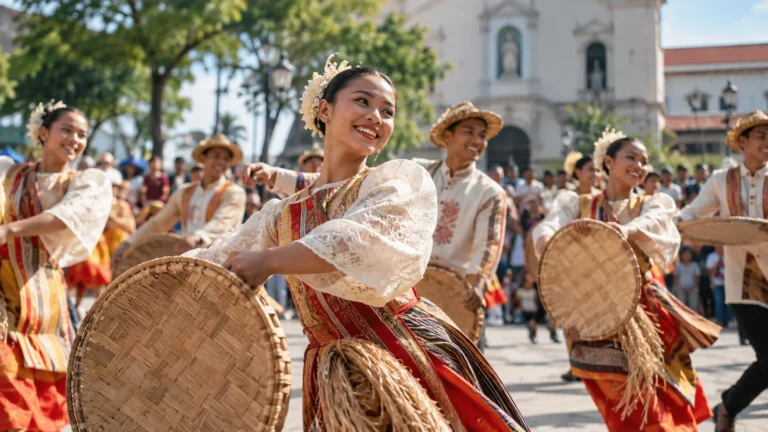
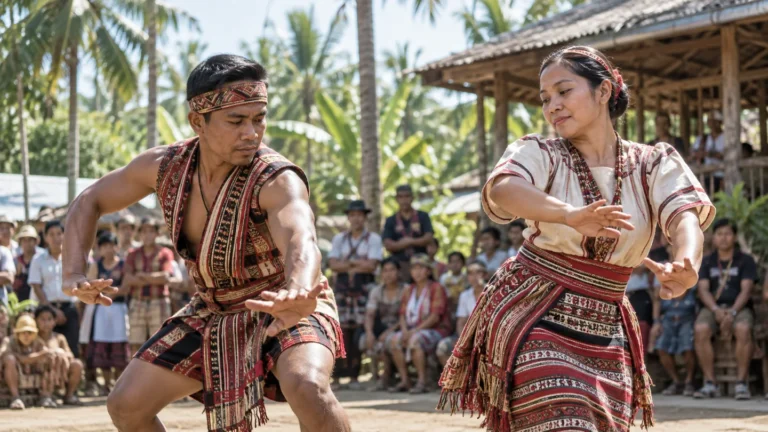
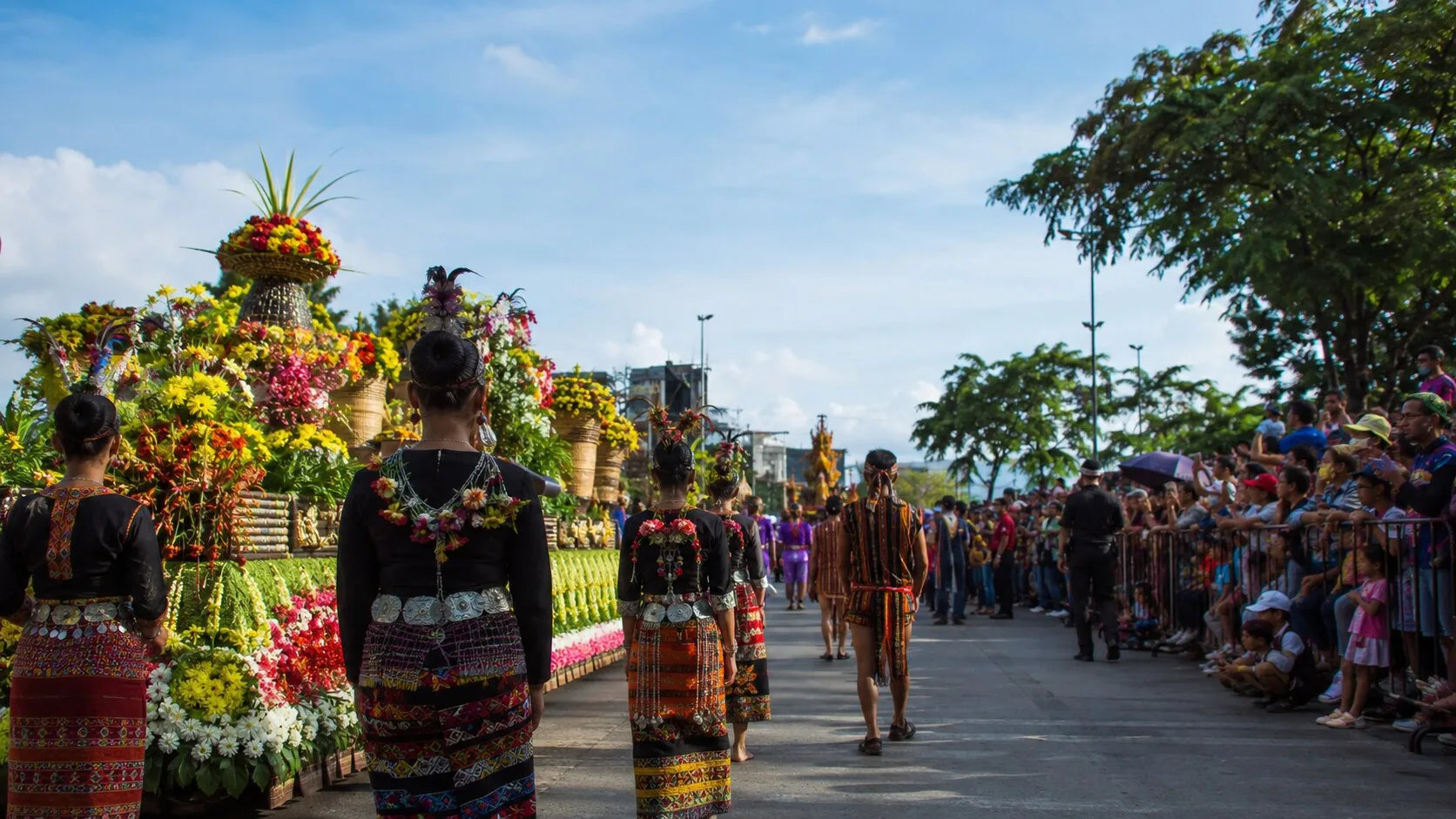
Cultural presentations, music, bazaars, and parade competitions fill the published days. A tribal presentation is not a photo set. Ask before photographing performers, especially in indigenous dress.
In one line: Kadayawan is Davao’s August harvest thanksgiving with city-set parade days; use the current Davao calendar, not a guessed third-week Saturday from an old recap.
2026 edition notes from city and news sources
Davao City’s tourism office and local news described Kadayawan 2026 under the theme “We Are One KadayaONE.” City reporting on the Big KadayaONE Sale placed month-long private-sector promotions from 1 to 31 August 2026.
SunStar Davao reporting describes opening rites on 7 August 2026 and places the Pamulak ug Indak-Indak peak on 16 August 2026, with floral floats, costumes, and competing dance contingents on the streets, and the Grand Showdown noted at the Davao City Coastal Road along Tulip Drive for that edition.
Mindanao Times coverage of the 22 July 2026 media launch likewise listed Indak-Indak and Pamulak on 16 August among the calendar highlights.
| 2026 item | What sources support | Visitor use |
|---|---|---|
| Theme | We Are One KadayaONE (city / news) | Context only; not a date |
| Opening window | Around 7 August 2026 in news reports | Useful if you wanted the start rites; edition is over |
| Peak parade day | 16 August 2026 for Pamulak ug Indak-Indak in news reports | Do not reuse as 2027 |
| Month promotions | Big KadayaONE Sale in August 2026 (davaocity.gov.ph) | Shopping overlay, not the cultural meaning |
| 2027 | Not published as a booking plan on this review date | Confirm with Davao City |
How to visit without the wrong week
- Wait for the city’s parade order. Street dance and floral floats are not always split the same way every year.
- The cultural shows and the street parades have different rules. A stage presentation is not a costume booth.
- Ask before photographing performers, especially in indigenous dress.
- August in Davao is hot and can flood on a hard rain. Do not plan a tight airport connection on parade day.
- Book lodging near your viewing plan only after the route is published.
Planning table
| Traveler goal | Better timing | Notes |
|---|---|---|
| See the main street parade / showdown | The day Davao names for Pamulak / Indak-Indak that year | In 2026, news placed that peak on 16 August |
| Catch opening rites | The opening day on the city calendar | In 2026, reports centred near 7 August |
| Food bazaars and sales | Across the published August window | Promotions are not the cultural core |
| Respectful cultural viewing | Any scheduled cultural showcase | Ask before close portraits; give performers space |
| 2027 trip planning | Season only, until the city posts dates | Use flexible tickets |
Confirm it here
- Davao City government (tourism example): https://davaocity.gov.ph/tourism/bigger-and-more-discounts-for-the-big-kadayaone-sale-says-ctoo/
- Davao City home: https://www.davaocity.gov.ph/
- SunStar Davao 2026 guide coverage: https://www.sunstar.com.ph/davao/kadayawan-2026-see-it-taste-it-live-it
- Calendar hub: https://festivepinoy.com/festivals-in-the-philippines-complete-guide/
Getting in: Davao airport and lodging corridors
Most visitors fly into Francisco Bangoy International Airport (Davao). From the airport, taxis, ride-hail, and hotel transfers reach downtown corridors. On Pamulak and Indak-Indak peak days, road closures and crowd density make a walkable lodging base more useful than a car parked beside the route.
| Corridor idea | Better if you want | Watch-outs |
|---|---|---|
| Downtown / San Pedro / Roxas area | Walk toward common civic parade streets when those avenues are named | Closures and dense crowds on peak day; reconfirm the year’s route |
| Coastal Road / Tulip Drive side | Access when the Grand Showdown uses that venue (as in 2026 news reports) | 2027 venue is not locked until the city says so |
| Mall and midtown hotel strips | Easier rides, food courts, quieter nights | Longer transfer to the densest parade block |
| Resort edges (nature or island day trips) | Rest after peak weekend | Not ideal as your only base on parade morning |
Book the August season early if you can. Lock the exact parade weekend only after Davao City Tourism Operations Office publishes venue, start time, and route for that year. Do not plan a tight same-day airport exit right after the showdown.
Fruit markets and regional food strips
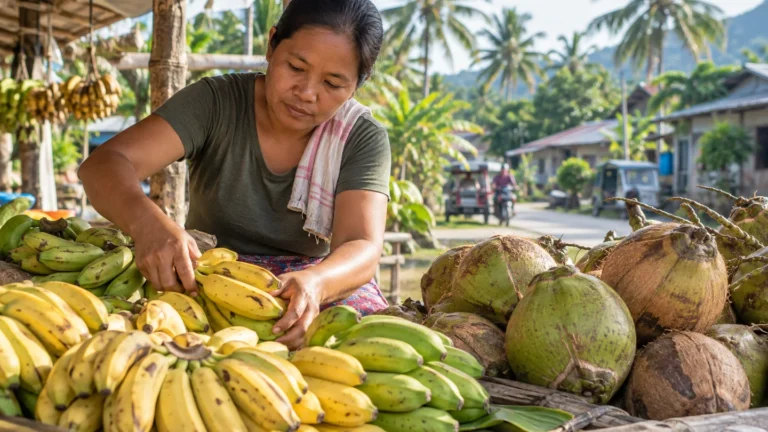
Kadayawan thanks the harvest. City and news materials for 2026 highlighted agri-trade and floriculture fairs, food bazaars, and Davao’s fruit identity. Durian is the regional fruit most visitors associate with Davao. Pomelo and other Mindanao fruits also appear in regional markets. Treat bazaar menus as that year’s stalls, not a permanent festival cookbook.
- Durian: Widely sold in Davao markets and in festival-season fruit events. SunStar’s 2026 visitor guide notes late-night durian vendors and a Kadayawan-linked durian festival at a mall venue that year. Smell, season, and stall hours vary. Ask vendors about ripeness. Hotels may limit bringing strong fruit into rooms.
- Agri-trade and food bazaars: Recent city programmes listed Agri-Trade Fair days and pop-up food strips across the August window. Confirm venues and hours on the live city calendar.
- Pomelo and other produce: Regional fruit stalls appear in markets and fairgrounds. Do not invent a fixed “pomelo ceremony” or a ranked festival tasting menu from this page.
Carry cash for small vendors. Expect heat, sudden rain, and long queues on peak weekend.
Photo etiquette for indigenous dress and cultural shows
City materials and news coverage frame Kadayawan around Davao’s ethnolinguistic communities and living cultural practice. A street costume is not a free photo studio. Deepen the respect already noted on this page.
- Ask before close portraits of performers in indigenous dress, especially children.
- Do not step into a dance lane or block a marshal line for a video.
- Do not touch headdresses, beads, or instruments without clear permission.
- Do not treat sacred or ceremonial pieces as Halloween costumes for your own outfit.
- Credit living communities when you post. A blurry crowd shot from behind the rope is safer than a posed grab without consent.
Ethnolinguistic communities: use the city roster
Davao City and local news for 2026 repeatedly describe support for the city’s 11 ethnolinguistic communities under the “We Are One KadayaONE” theme. Opening rites that year included deputy mayors representing those communities. This expand will not invent a tribe-by-tribe name list from memory or from an unsourced blog.
For the year’s community roster, cultural village hours, and which groups appear in Hiyas, Indak-Indak, or village showcases, check the city programme and Davao City Tourism Operations Office materials for that edition. Names and participation can shift by year.
Confirm the next edition with the host (2027 and beyond)
The 2026 edition has passed. Opening rites around 7 August 2026 and Pamulak ug Indak-Indak peak reporting on 16 August 2026 are finished history. They are not a 2027 ticket.
Confirm with Davao City / CTOO / TPB-linked notices: Wait for the city’s published calendar before you buy non-refundable flights for a specific August weekend. Reconfirm parade day, Coastal Road or downtown venue, liquor or road rules if any, and the cultural roster. Use flexible lodging until those pages go live. National context: complete festivals guide.
Quick summary
Kadayawan is Davao City’s August thanksgiving for the harvest and for Lumad and Moro cultures of the region. The word relates to madayaw, a greeting of thanks.
The 2026 edition used the theme We Are One KadayaONE, with city and news reporting placing major opening rites around 7 August 2026 and Pamulak ug Indak-Indak peak events on 16 August 2026.
Month-long promotions such as the Big KadayaONE Sale ran in August 2026 according to Davao City tourism reporting. As of 12 September 2026, 2027 parade days are not a ticket until the city publishes them. Confirm with Davao City before you book.
FAQ
When is the Kadayawan Festival?
It is held in Davao City in August. The 2026 edition has passed. The next dates are not a ticket until the city publishes them.
What is Kadayawan?
It is Davao’s thanksgiving for the harvest and for the Lumad and Moro cultures of the region. The public days are the parades and shows the city schedules that year.
What does Kadayawan mean?
It comes from madayaw, a greeting of thanks or something good. The festival uses that as thanks for a good harvest.
Where is Kadayawan held?
In Davao City. Routes are announced with the year’s calendar. Do not use a previous year’s street map.
What were the 2026 highlight dates?
City and news sources place opening rites around 7 August 2026 and Pamulak ug Indak-Indak peak events on 16 August 2026, under the We Are One KadayaONE theme. Those dates are finished. Do not reuse them for 2027.
Can I book mid-August 2027 now?
Only as a season, and only with flexible tickets. Confirm the parade days with Davao City before you lock a hotel.
Last reviewed against Davao City and news sources as of 12 September 2026. Always confirm with the host.
—