Filipiniana as Modern Language of Style

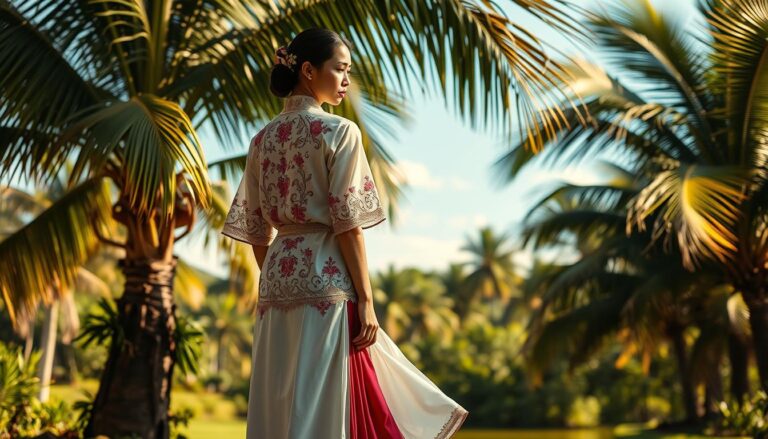
The modern Filipiniana operates as a living design vocabulary beyond its ceremonial origins. Handwoven piña and calado embroidery are renegotiated for daily rotation through denim overlays and sneaker pairings, a semiotic rupture of traditional formality. Modular tailoring preserves architectural memory while absorbing contemporary codes. The garment becomes a commercial archive documenting this shift toward accessibility. Further examination reveals how specific designers and tactile materials sustain this quiet revolution.
Highlights
- The pop-up treats piña and heritage textiles as renewable resources woven into everyday fashion, not museum artifacts.
- Modern terno styling pairs butterfly sleeves with denim and sneakers, breaking formal dress codes.
- Emerging designers merge beadwork and pearl craftsmanship to create a contemporary, hybrid design vocabulary.
- Sustainable supply chains for pineapple fiber and abaca anchor the style in ethical, local production.
- Custom tailoring adapts heirloom techniques like calado embroidery to fit individual body anatomy and modern life.
Inside the New Filipiniana Pop-Up at SM Mall of Asia
Where tradition meets innovation in Philippine fashion can be observed at The New Filipiniana pop‑up, hosted by Kultura on the ground level of SM Store, South Wing, SM Mall of Asia, from May 12 to May 24, 2026.
Archival analysis of event marketing reveals targeted appeals bridging heritage appreciation and contemporary aspiration, likely drawing diverse visitor demographics spanning cultural purists and casual shoppers.
The intervention repositions Filipiniana beyond ceremonial confines, embedding it within accessible retail space.
Contextually, this curation functions as a commercial archive, documenting a pivotal shift toward daily wearability while foregrounding indigenous materials.
The strategy transforms static tradition into a dynamic, consumable narrative.
Designers often incorporate pineapple fiber fabrics into their pieces, highlighting sustainable, locally sourced materials.
The Designers and Labels Redefining Modern Filipiniana
A constellation of emerging design voices anchors the pop‑up, each translating heritage into personal idiom.
Labels such as Binibini Marikit and Studio MG88 dismantle ceremonial rigidity, grafting terno sleeves onto relaxed street‑ready forms.
Archival analysis reveals strategic brand collaborations—Mayumi’s beadwork alongside Nazrea Pearls, for instance—that fuse disparate craft lexicons.
Their collective praxis prioritizes sustainable sourcing, extracting piña and abaca from documented supply chains rather than anonymous markets.
This conscious materiality signifies a structural shift: heritage textiles are no longer static museum citations but active, renewable resources in a modern design economy.
Their runway appearances at Cannes have propelled Filipino fashion onto the global stage.
Handwoven Piña, Embroidery, and Textiles You Can Touch
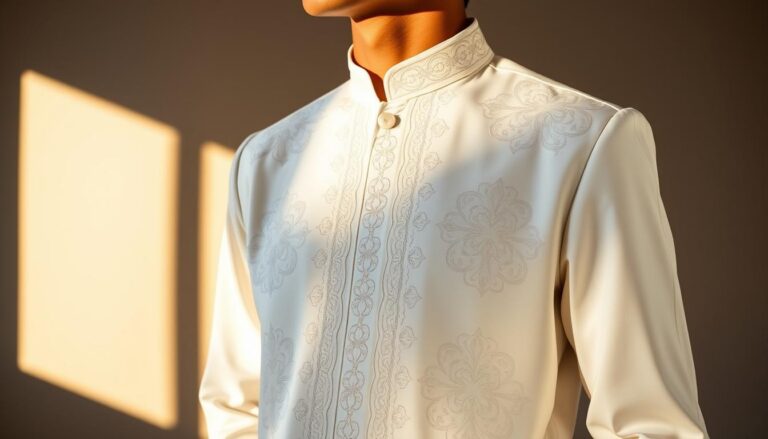
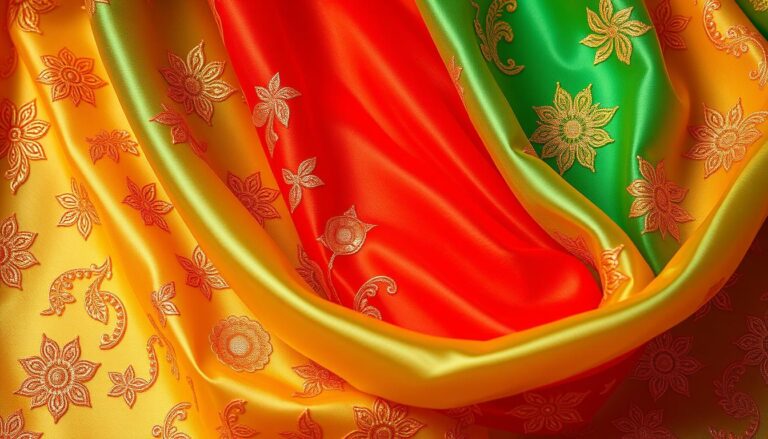
Textiles at “The New Filipiniana” cease to function as passive backdrops, instead assuming a pedagogical role through the Textile Touch Display. This archival encounter reveals how sustainability sourcing of piña and cotton enables tactile pedagogy. Artisan techniques—hand-embroidery, loom-weaving—become legible to fingertips, demystifying garment lineages. The collection documents a shift from spectacle to intimate knowledge transfer. The resurgence of handwoven piña underscores the cultural continuity of indigenous fiber crafts.
| Material | Archival Significance |
|---|---|
| Handwoven piña | Traces pre-colonial pineapple fiber extraction |
| Calado embroidery | Maps Spanish-introduced openwork lattice methods |
| Cotton-linen blends | Evokes sustainability sourcing from rain-fed farms |
| Mikado silk | Records mid-century formalwear adaptations |
| Shell embellishments | Archives coastal artisan techniques in accessory form |
How to Style Modern Terno Silhouettes for Everyday Wear
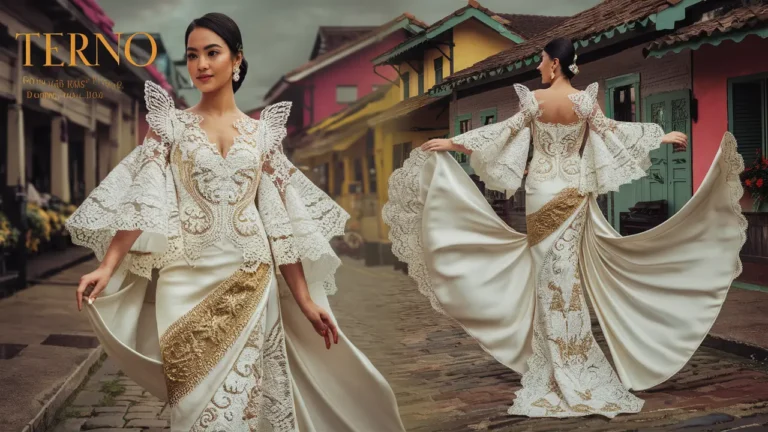
Modern terno styling pivots on a simple archival truth: the butterfly sleeve, once reserved for ballrooms, now drifts into daily rotation without losing its structural identity.
A denim overlay thrown over a piña blouse recontextualizes formality into utilitarian ease, flattening ceremony into street-level syntax.
The sneaker pairing functions as a deliberate semiotic rupture—rubber soles anchoring levitating silk, subverting the heel’s historical mandate.
This juxtaposition renegotiates the garment’s archive, where handwoven stiffness meets industrial softness.
The silhouette endures not as costume, but as a modular vessel, absorbing contemporary codes while preserving the sleeve’s architectural memory.
The enduring popularity of the terno reflects its roots in the Spanish colonial era, where the iconic butterfly sleeves first emerged.
Where to Shop and Customize Your New Filipiniana Look
The pop‑up at SM Mall of Asia’s Ground Level, running May 12–24, assembles labels such as Alixia Marie, Binibini Marikit, and Pamanna Jewellery under one roof, each offering pieces that thread handwoven piña, relaxed pañuelos, and pearl accents into ready‑to‑wear forms.
Beyond this temporary archive, a constellation of online boutiques sustains the movement, making heritage textiles accessible year‑round.
For those seeking precise articulation, custom tailoring emerges as an essential practice—allowing adjustments to terno sleeves or pañuelo drape that honor individual anatomy while conserving heirloom techniques, transforming the garment into a biographical document.
The intricate embroidery often incorporates butterfly sleeves that symbolize freedom and transformation in Filipino cultural narratives.