Immersing in Filipino Values While Working Abroad
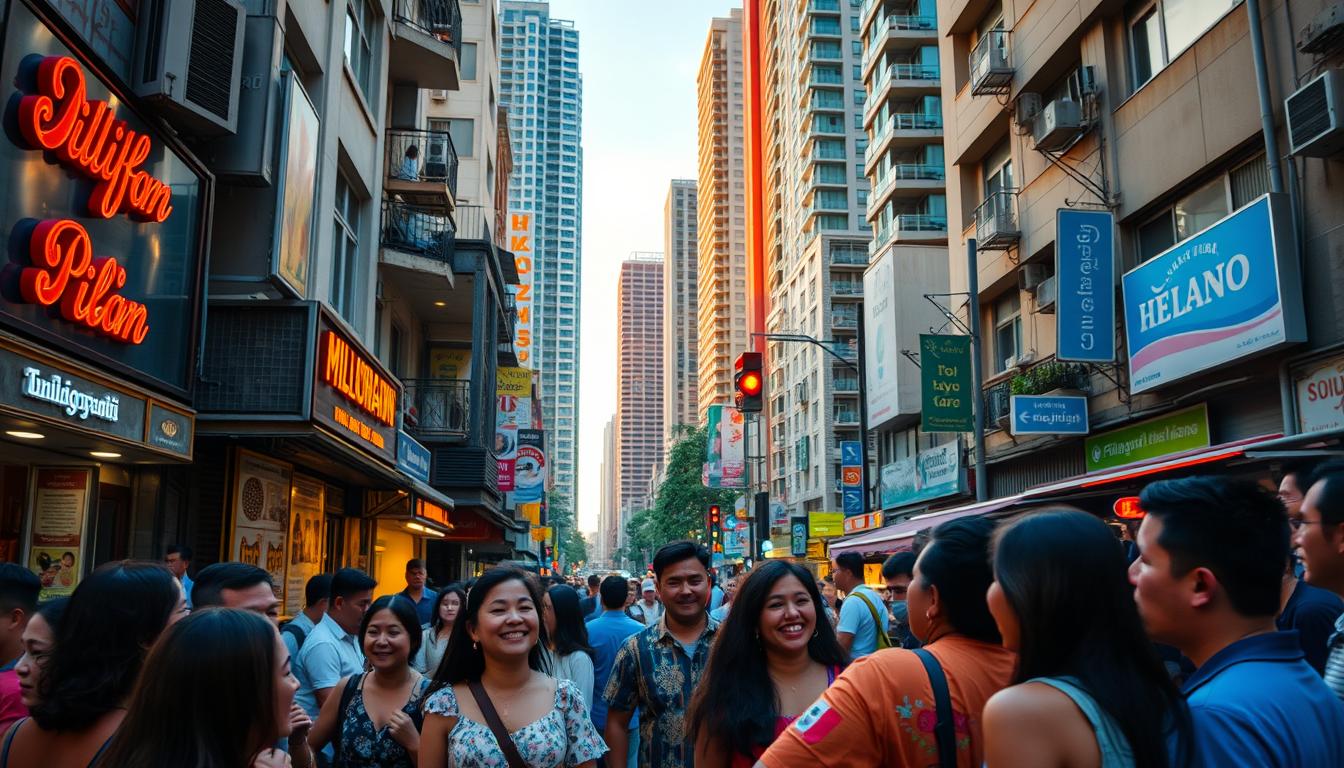
Millions of Filipinos have ventured across the globe, creating one of the world’s largest and most widespread diaspora populations. From the Middle East to North America, they build new lives far from home.
This community plays a powerful dual role. They are economic pillars, with their remittances significantly contributing to the Philippine GDP. They also serve as cultural ambassadors, carrying a rich heritage to new lands.
A central challenge for the Filipino diaspora is balancing the preservation of their identity with adapting to new societies. This article explores how they maintain a strong sense of community and belonging, even from a distance.
We will look at the ways people keep their culture alive. This includes navigating extended family dynamics, traditions, and the hybrid identity that emerges from living between two worlds.
Key Takeaways
- The Filipino diaspora is a massive global community with a significant economic and cultural impact.
- Filipinos abroad act as both economic contributors and cultural ambassadors.
- Maintaining cultural identity while adapting to a new country is a key challenge.
- Strong family ties and community bonds are central to preserving heritage.
- Modern technology helps bridge the distance and keep traditions alive.
- A unique hybrid identity often develops from living between cultures.
The Filipino Diaspora: A Legacy of Migration and Cultural Identity
From pre-colonial voyages to modern economic migration, Filipinos have maintained a long-standing connection with global mobility. The country’s geography as an archipelago created natural pathways for movement throughout its rich history.
Historical Migration Trends and Economic Drivers
Today’s migration wave is primarily economic. People seek better work and opportunities abroad. The search for quality healthcare and education drives many to leave their home country.
In 1974, the government formalized this trend with the Labor Code. This created organized programs for overseas employment. Now, about 10% of the population lives or works abroad as OFWs.
Filipino professionals fill diverse roles globally. They work as healthcare staff, engineers, and seafarers. Their contributions strengthen economies worldwide.
Embracing Family Ties and Heritage
Family remains central to the diaspora experience. Many OFWs make sacrifices to support their families back home. This commitment shows deep love and responsibility.
The diaspora builds strong community networks abroad. These groups recreate the sense of belonging from the Philippines. They help maintain cultural identity across distances.
Working overseas becomes an act of providing for the next generation. It ensures better opportunities for children and loved ones. This dedication defines the modern Filipino diaspora.
Immersing in Filipino Values While Working Abroad
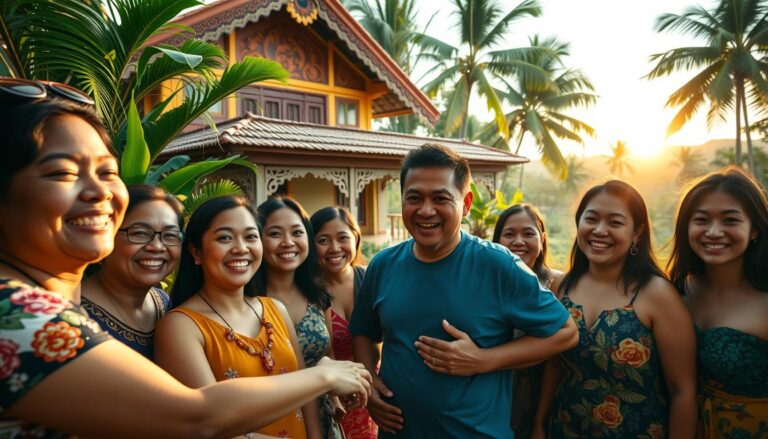
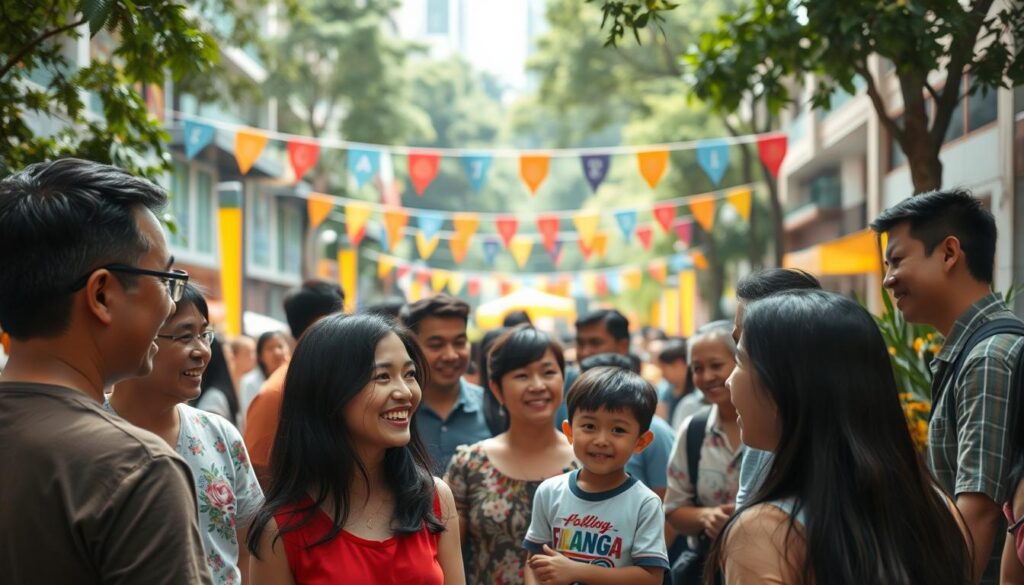
When Filipinos establish lives abroad, they create vibrant communities that serve as cultural anchors in foreign lands. These networks become essential for maintaining a strong connection to their heritage.
Maintaining Cultural Roots in New Environments
The bayanihan spirit shines brightly among overseas Filipinos. This tradition of communal support helps people feel connected despite being far from home.
Community centers and churches become gathering places. Here, people speak native languages and share traditional foods. These spaces recreate the familiar atmosphere of the Philippines.
Language preservation remains a priority for many families. Parents often teach children Tagalog or regional dialects. This maintains a vital link to cultural identity across generations.
| Cultural Element | Preservation Method | Community Impact |
|---|---|---|
| Language | Home teaching & community classes | Strengthens intergenerational bonds |
| Festivals | Local celebrations of Pasko & New Year | Recreates holiday traditions abroad |
| Food Traditions | Community potlucks & cooking classes | Maintains culinary heritage |
| Religious Practices | Filipino-led church services | Provides spiritual comfort |
Celebrations like Christmas and Independence Day take on special meaning. They become opportunities to share culture with new friends. These events strengthen community ties.
Finding balance between adaptation and preservation is key. It allows OFWs to succeed professionally while honoring their rich heritage. This dual approach builds resilience and belonging.
Balancing Work Life and Cultural Traditions
Living abroad presents Filipinos with the daily challenge of merging professional responsibilities with cherished cultural practices. This balancing act requires careful navigation between workplace expectations and personal heritage.
Many find creative ways to maintain their cultural identity while succeeding in their careers. Weekend community events and family traditions become essential anchors.
Navigating Dual Identity Challenges
Second-generation Filipinos often face unique identity questions. They navigate between parental cultural norms and their host country’s social expectations.
This dual identity can create feelings of being caught between two worlds. However, it also provides valuable experiences that enrich their perspective.
Younger generations become cultural bridges. They combine the best of both cultures in their daily life.
Success Stories from the Diaspora
The diaspora offers inspiring examples of people thriving professionally while honoring their roots. These success stories demonstrate that cultural preservation and career achievement can coexist.
Many young Filipinos leverage their bicultural experiences to advocate for social justice. They draw on values of compassion and community solidarity.
These individuals show how navigating dual identity ultimately enriches lives. They contribute to more diverse societies in their host countries.
Celebrating Filipino Heritage Through Food, Family, and Festivals
Food serves as a powerful cultural anchor for Filipinos living thousands of miles from their homeland. The preparation and sharing of traditional meals become acts of identity preservation.
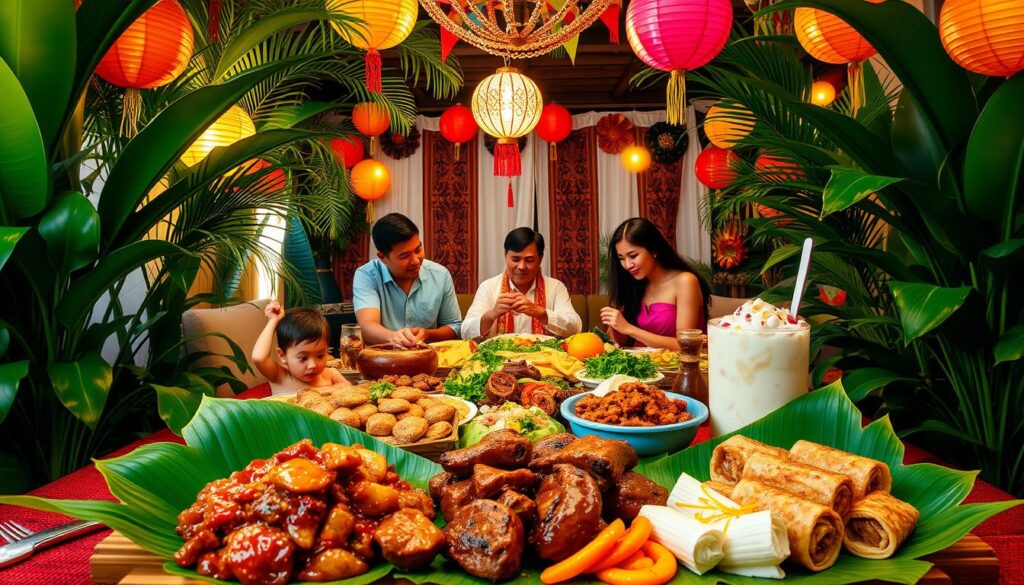
Culinary traditions bridge generations. Parents teach children recipes that have been in families for decades. This passing down of knowledge keeps cultural memory alive.
Culinary Traditions as Cultural Expression
Iconic dishes like adobo, sinigang, and pancit appear at gatherings worldwide. These foods carry deep meaning beyond their flavors. They represent home, history, and belonging.
The Filipino fiesta embodies this cultural expression perfectly. Tables overflow with diverse dishes as friends and family gather. Laughter and stories flow as freely as the food.
| Signature Dish | Cultural Significance | Common Occasions |
|---|---|---|
| Adobo | National comfort food | Family dinners, holidays |
| Lumpia | Festive celebration symbol | Birthdays, community events |
| Lechon | Grand feast centerpiece | Weddings, major milestones |
| Pancit | Long life tradition | Birthdays, New Year |
These gatherings do more than feed people. They create spaces where younger generations learn about their heritage. Cooking together becomes a cherished family activity.
Filipino cuisine now gains global recognition. Chefs like Tom Cunanan introduce international audiences to these rich flavors. This recognition validates the cultural importance of these traditional foods.
For diaspora communities, sharing meals remains among the most meaningful experiences. These moments strengthen bonds and provide comfort across distances.
Digital Connectivity: Technology, Social Media, and Global Integration
Technology bridges the geographical gap for diaspora communities in unprecedented ways. Digital tools have transformed how people maintain cultural connections across vast distances.
Online Communities and Cultural Exchange
Social media platforms create virtual gathering spaces for Filipinos living abroad. These digital communities share experiences and support each other through challenges.
Video calls bring families together despite time zone differences. People participate in daily life back home through these virtual connections. This technology makes separation more manageable.
The Role of Social Media in Preserving Heritage
Digital media serves as a powerful tool for cultural preservation. Younger generations learn traditional language through online content.
Influencers share cultural things with global audiences. This exposure helps preserve heritage in a modern way. The digital experience strengthens identity across borders.
Addressing Challenges and Building Opportunities Abroad
The experience of living in foreign lands often involves confronting unexpected obstacles that shape the diaspora’s identity. While Filipinos abroad create meaningful lives, they also face significant hurdles that test their resilience.
Navigating Discrimination and Cultural Isolation
Many OFWs encounter prejudice based on their foreign background. These issues can create tension in workplaces and communities. Cultural isolation affects those in areas with small Filipino populations.
Long-term separation from families creates emotional strain. Missing milestones with children adds to the challenge. The pandemic highlighted these difficulties dramatically.
Filipino NHS workers in the UK faced the highest COVID-19 mortality rates. This led to successful advocacy for recognition as a standalone ethnic group.
Community Support and Economic Contributions
Organizations like Kanlungan UK and Tinig UK provide crucial support. They address issues affecting the diaspora community. These groups offer resources and solidarity during difficult times.
Despite challenges, Filipinos make significant contributions to their host countries. Remittances account for around 10% of the Philippine GDP. This economic impact enables families to invest in education and businesses.
| Common Challenges | Community Responses | Positive Outcomes |
|---|---|---|
| Workplace discrimination | Legal advocacy groups | Improved worker protections |
| Cultural isolation | Local community centers | Stronger social networks |
| Family separation | Digital communication tools | Better long-distance relationships |
| Healthcare access issues | Ethnic recognition campaigns | Improved medical care |
Filipino communities demonstrate remarkable resilience. They build meaningful lives that honor both heritage and new homes. This creates opportunities for greater cross-cultural understanding.
Conclusion
The journey of Filipinos across continents represents a remarkable story of cultural resilience and adaptation. This global experience creates a unique hybrid identity that blends heritage with new influences. People maintain their roots while embracing life in different countries.
Filipinos abroad preserve their culture through family connections, language, and traditions. They carry forward core values like community support and family devotion. This process enriches both their host nations and their connections back home.
The future of the Filipino diaspora looks bright. New generations will continue evolving this dynamic identity. Their story shows how cultural pride can thrive anywhere in the world.