Ibalong Festival: Legazpi City’s Epic Celebration in Albay
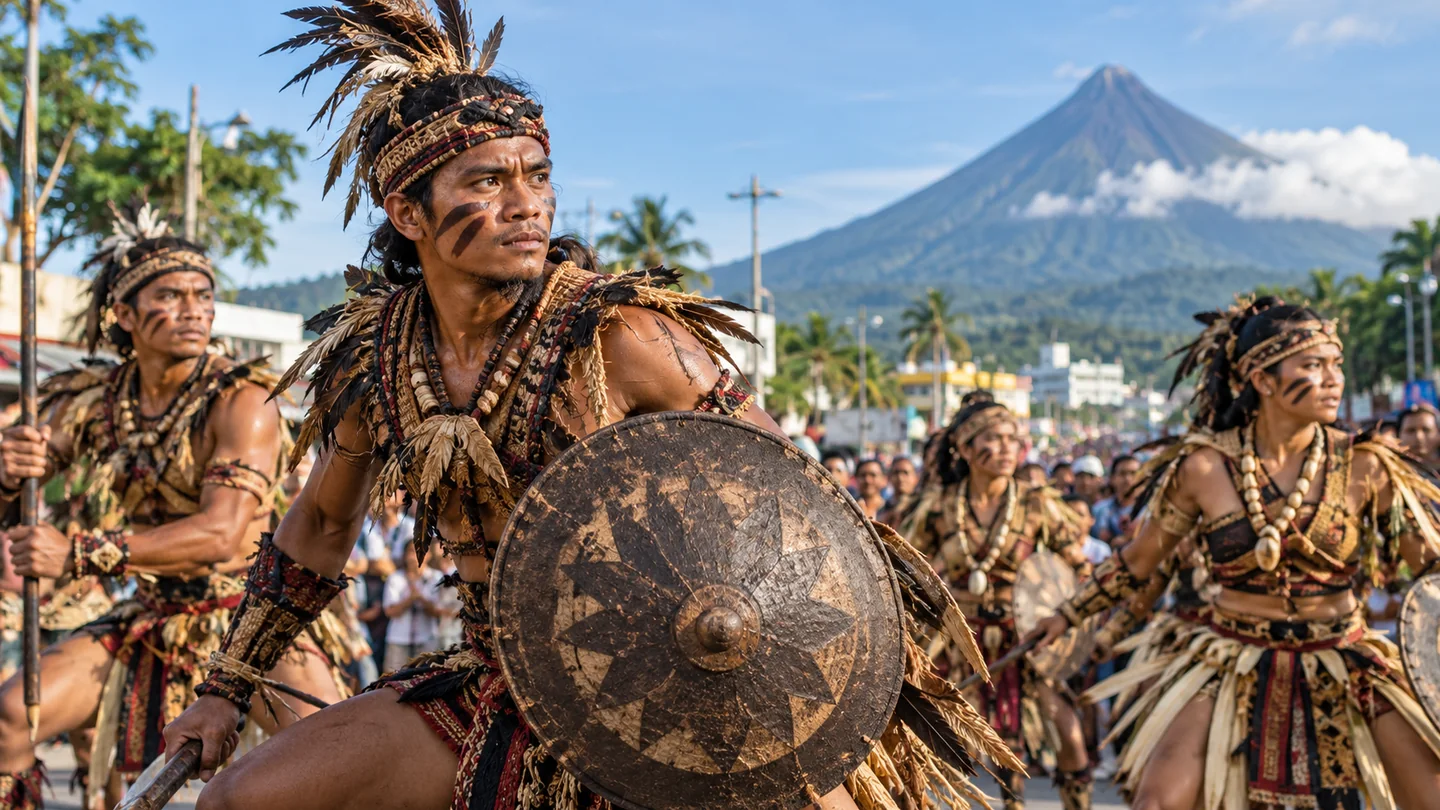
The Ibalong Festival is one of the most captivating cultural celebrations in the Bicol region, held every August in Legazpi City, Albay. Unlike the many religious fiestas of the Philippines, the Ibalong Festival is a non-religious festival that brings to life the Ibalong Epic, an ancient tale of legendary heroes who tamed the wild land of Ibalong. This guide covers what the festival is, the epic story behind it, its heroes and villains, and how to experience it.
Set against the majestic backdrop of Mayon Volcano, the Ibalong Festival is a colorful showcase of Bicolano culture, bravery, and warmth. For travelers exploring festivals in the Philippines, it is a unique window into the pre-colonial mythology of the Bicol region.
What Is the Ibalong Festival?
The Ibalong Festival is an annual cultural festival celebrated in Legazpi City, the capital of Albay in the Bicol region. First conceptualized in 1992, the festival dramatizes the Ibalong Epic, the mythical account of how three legendary heroes civilized the land once known as Ibalong, the old name for the Bicol region. Through a grand street dance competition and a costume parade, performers portray the heroes and monsters of the epic in vivid detail.
Because it celebrates folklore rather than a patron saint, the Ibalong Festival is a non-religious festival. Its goal is to relive the epic story and to express the Bicolano values of bravery, resilience, warmth, and hospitality that the tale embodies.
Where and When Is the Ibalong Festival Celebrated?
Legazpi City lists the Ibalong Festival as an annual August event. Specific dates, routes, and viewing areas vary by edition. Confirm the program with Legazpi City before booking travel.
Legazpi City serves as the gateway to Albay and the wider Bicol region, making it an easy and rewarding base for festival travelers. Learn more about the province in our guide to where Albay is located.
The Legend of the Ibalong Epic
At the heart of the festival is the Ibalong Epic, one of the great oral epics of the Philippines. It tells how the land of Ibalong was settled and civilized by a succession of brave heroes who battled fearsome monsters and wild beasts. The epic was passed down through generations of the Bicolano people and later written down, preserving the mythical history of Bicol for the modern world.
The story unfolds in three great chapters, each led by a champion. Together these heroes transformed a wild, dangerous land into a thriving home, and their courage is what the Ibalong Festival celebrates every year.
The Heroes and Villains of Ibalong
The Ibalong Epic is defined by its unforgettable characters, and portraying them is the highlight of the festival costume parade.
- Baltog – the first hero, who came to Ibalong and killed the monstrous giant wild boar named Tandayag that ravaged his fields.
- Handyong – the greatest hero, who, with his warriors, waged long wars to rid the land of giant serpents, crocodiles, and other beasts, then taught the people farming, law, and writing.
- Bantong – the hero who defeated the last great menace, the half-man, half-beast monster named Rabot, finally bringing peace to Ibalong.
Performers dressed as these heroes, along with masked dancers portraying the monsters and villains, fill the streets in a dramatic reenactment of the epic’s battles and triumphs.
Why Is the Ibalong Festival Celebrated?
The Ibalong Festival is celebrated to relive the Ibalong Epic and to honor the identity of the Bicolano people. By dramatizing the heroism of Baltog, Handyong, and Bantong, the festival keeps an ancient oral tradition alive and instills pride in Bicol’s pre-colonial heritage. The festival aims to express the warmth, hospitality, and resilience for which Bicolanos are known, values that mirror the courage of the epic’s heroes.
It is also a major tourism event that showcases the culture and creativity of Legazpi City and Albay, drawing visitors from across the Philippines and beyond. As a proud celebration of local legend, it stands alongside the region’s religious feasts as a pillar of the Bicol festival calendar.
Main Events and Attractions
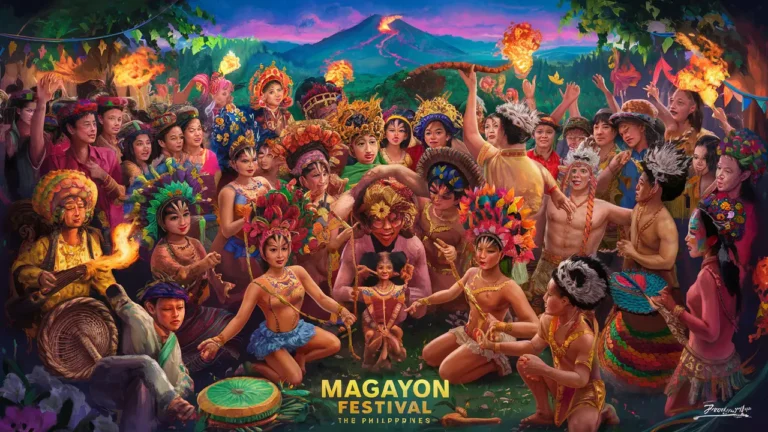
The centerpiece of the Ibalong Festival is the street dance competition, in which contingents perform synchronized choreography that tells the story of the epic. Dancers in elaborate costumes and masks portray heroes and villains, accompanied by drums, indigenous instruments, and dramatic props. The costume parade winds through Legazpi Boulevard, turning the whole city into a stage.
Beyond the main parade, the festival features cultural shows, trade fairs, food festivals, sporting events, and pageants. Visitors can enjoy the spectacle while soaking in the lively, welcoming atmosphere that defines a Bicolano celebration.
Ibalong Festival Costumes
Costumes are a defining feature of the Ibalong Festival. Performers wear intricate outfits and masks that portray the heroes as mighty warriors and the villains as fearsome mythical beasts. Handyong appears as a noble champion, while dancers embody the monstrous Rabot, the giant boar Tandayag, and other creatures from the epic. These bold, colorful costumes bring the ancient story vividly to life and are a favorite subject for festival photographers.
How to Get to the Ibalong Festival
For air travel, search for flights to Bicol International Airport in Daraga, which serves the Legazpi area; the old Legazpi Airport should not be used as the arrival airport in a current itinerary. Bus and ground transport schedules change, so confirm them with the operator. Check the current festival venues and book accommodation after official dates are released.
Local Delicacies to Try
A visit to the Ibalong Festival is also a chance to savor Bicol’s famous cuisine. Do not miss Bicol Express, the fiery pork dish cooked in coconut milk and chili, along with laing and pinangat. Sweet pili nuts, grown almost exclusively in the region, make the perfect pasalubong. Festival food stalls serve these specialties alongside classic Filipino street food.
Nearby Attractions in Albay
The area around Legazpi City is rich with sights. The iconic Mayon Volcano dominates the landscape, and the ruins of the Cagsawa Church in nearby Daraga offer one of the most photographed views in the Philippines. Adventure seekers can try an ATV ride toward Mayon’s lava trail. Pairing the festival with these attractions makes for a memorable Albay itinerary. For more Bicol celebrations, see our guide to festivals in Bicol.
Frequently Asked Questions
Why is the Ibalong Festival celebrated?
The Ibalong Festival is celebrated to relive the Ibalong Epic and to honor Bicolano culture, bravery, and resilience. It dramatizes the story of the legendary heroes who civilized the ancient land of Ibalong, now the Bicol region.
What is the story of Ibalong?
The Ibalong Epic tells how three heroes, Baltog, Handyong, and Bantong, tamed the wild land of Ibalong by defeating monsters and beasts, then taught the people farming, law, and writing, transforming it into a thriving civilization.
Who are the main characters in the Ibalong Festival?
The main heroes are Baltog, who slew the giant wild boar Tandayag; Handyong, the greatest warrior who cleared the land of beasts; and Bantong, who defeated the monster Rabot. Their monstrous foes are also portrayed in the parade.
Where and when is the Ibalong Festival held?
It is held in Legazpi City, Albay, usually in August. Check Legazpi City’s current program for the exact dates and venue.
Blending myth, dance, and Bicolano pride beneath the gaze of Mayon, the Ibalong Festival is a spectacular celebration of the region’s epic past. Plan an August trip to Legazpi City and watch the heroes of Ibalong come to life.
The History of the Ibalong Festival
The Ibalong Festival was first conceptualized in 1992 by local leaders and cultural advocates who wanted a celebration that captured the identity of Legazpi City and the wider Bicol region. Rather than build another religious feast, they turned to the Ibalong Epic, the regions greatest work of folklore, as the foundation for a homegrown cultural festival. Over the decades it has grown into one of Legazpi Citys flagship events, drawing larger crowds, more elaborate costumes, and growing support from the city government and the Department of Tourism. What began as a modest civic celebration is now a signature festival of the Bicol region and a proud symbol of Bicolano creativity.
Ibalong and Bicolano Identity
For the people of Albay, the Ibalong Festival is a celebration of who they are. The heroes of the epic embody the courage and perseverance that Bicolanos have shown through centuries of typhoons, volcanic eruptions, and hardship in the shadow of Mayon. By reenacting these legends each year, the festival passes the regions oral history to younger generations and reminds everyone of the values at the heart of Bicolano culture: bravery, resilience, warmth, and hospitality. For members of the Filipino diaspora, the festival is a vivid link to the folklore of their homeland.
Tips for First-Time Visitors
Once the current year’s route and timetable are announced, arrive early for a suitable viewing place. Wear light clothing and comfortable shoes, bring sun protection and water, and keep valuables secure. Bicol International Airport in Daraga serves the Legazpi area.
Is the Ibalong Festival religious or nonreligious?
The Ibalong Festival is a non-religious festival. Unlike the Peñafrancia Festival and other Bicol fiestas that honor a patron saint, Ibalong celebrates folklore and the Ibalong Epic, making it a purely cultural and historical celebration.
Is the Ibalong Festival free to attend?
Public parade viewing may be available, but admission, tickets, seating, and access rules depend on the year’s organizers. Confirm the current arrangements before attending.
What makes the Ibalong Festival different from other Philippine festivals?
Most major Philippine festivals are religious feasts honoring a patron saint or the Santo Niño. The Ibalong Festival stands apart because it dramatizes a pre-colonial epic instead of a religious devotion. Its focus on the mythical heroes Baltog, Handyong, and Bantong, its dramatic monster costumes, and its stunning backdrop of Mayon Volcano give it a distinct identity among the many celebrations of the Bicol region and the Philippines as a whole.
The Ibalong Festival brings the epic to life through Bicolano performance and design. Check Legazpi City’s August program for the next confirmed parade and venue.