Higantes Festival Angono: San Clemente Giants Guide
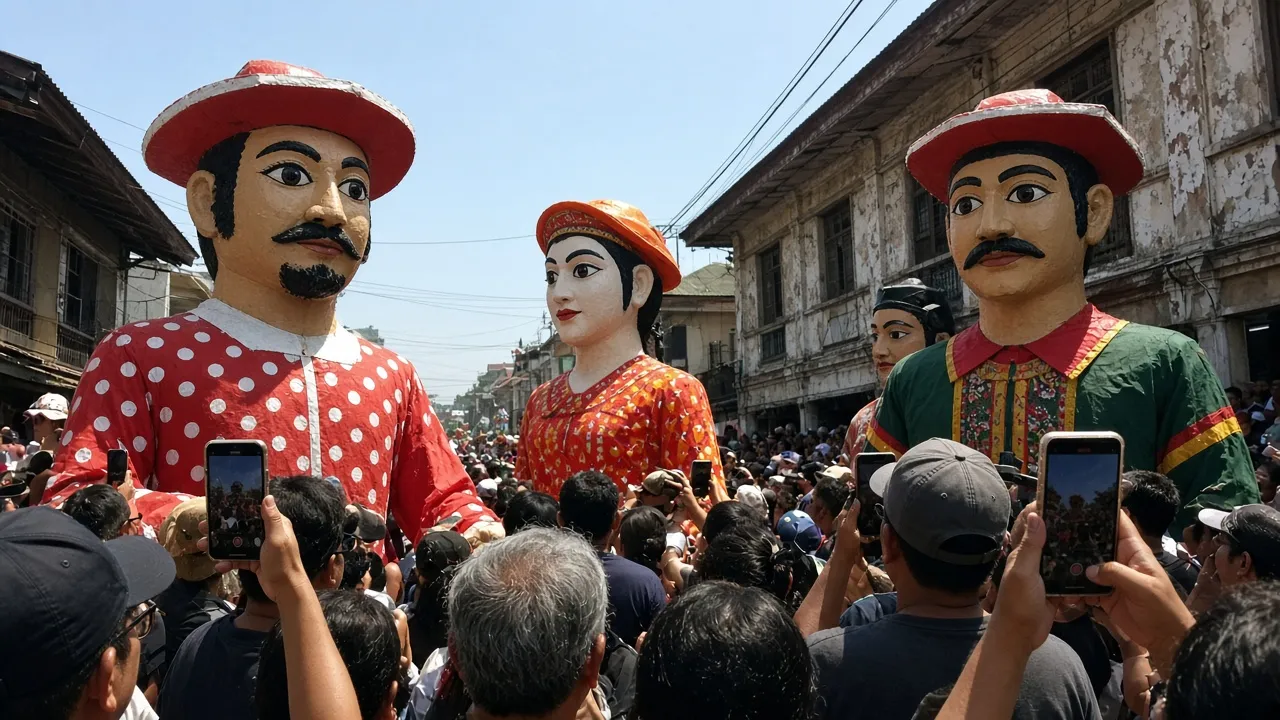
The Higantes Festival is Angono, Rizal’s public celebration of towering papier-mache giants, held with the town’s feast of San Clemente, patron of local fishers.
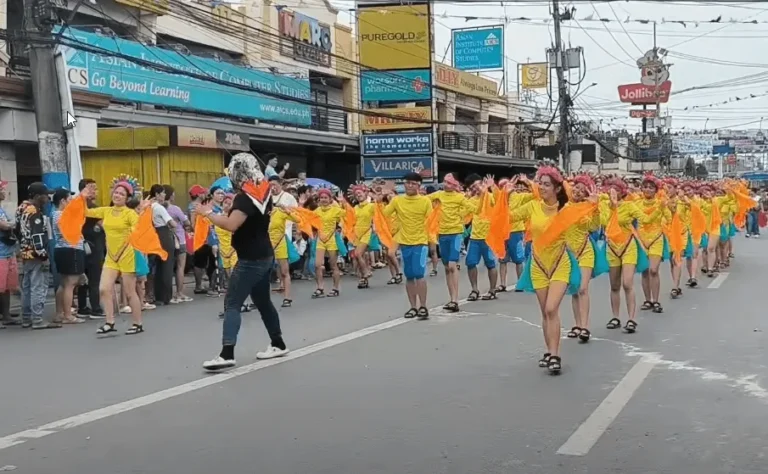
The Municipality of Angono describes Higantes as a secular celebration of gratitude to Saint Clement, with the parade of giants held on the Sunday before the town feast on 23 November.
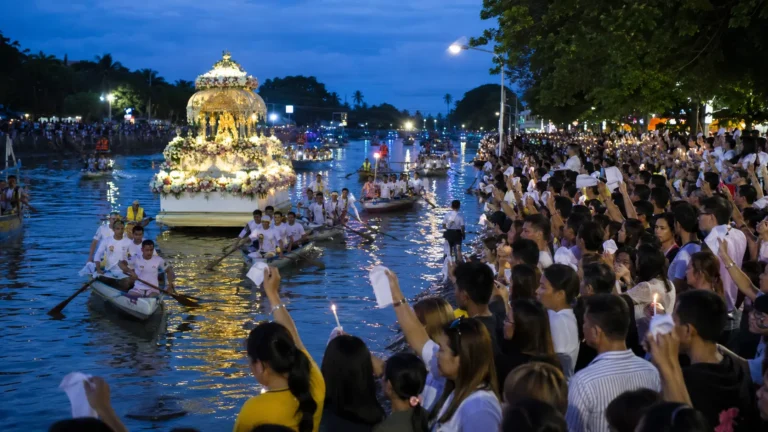
The religious feast, fluvial rites, and water customs belong to the parish and fishing community. They are not the same thing as the civic parade order.
As of 12 September 2026, the next feast day on the usual pattern is Monday, 23 November 2026. The Sunday before that date is 22 November 2026. That is the Angono LGU timing pattern, not a locked hour-by-hour programme. Confirm parade start, fluvial boarding, and road closures with the Municipality of Angono and the parish before you travel.
Key facts
| Item | What to use |
|---|---|
| Place | Angono, Rizal, on Laguna de Bay, Luzon |
| Patron / feast | San Clemente (Saint Clement), feast day 23 November |
| Parade pattern (Angono LGU) | Parade of giants on the Sunday before 23 November |
| 2026 calendar math | Feast Monday 23 November; Sunday before is 22 November. Confirm locally. |
| Signature sights | Papier-mache higantes; fluvial procession for San Clemente; festive water dousing on feast day |
| Town identity | Angono is widely known as an arts town and home of National Artists Carlos “Botong” Francisco and Lucio San Pedro |
| What it is not | A ticketed carnival with one permanent Saturday hour copied from old blogs |
What Higantes is, and what it is not
Higantes are hollow papier-mache giants carried by people inside them. Barangays and craftsmen build and paint figures that may show local characters, officials, myths, folk themes, or playful caricatures.
The Municipality of Angono also notes smaller “higantitos.” The craft is folk art tied to Angono’s wider arts culture. It is not a mall float show shipped in from elsewhere.
Local folklore links early giant figures to agrarian protest under Spanish-era hacienda limits.
Angono’s own municipal page also records a scholarly theory that the papier-mache giants grew after World War II, with artist Carlos “Botong” Francisco encouraging early maker Artemio Tajan. Present both as competing origin stories.
Treat competing origin stories as open questions, not a single official founder story.
In one line: Higantes is Angono’s giant papier-mache parade around the 23 November feast of San Clemente, with the civic parade customarily on the Sunday before the feast, subject to municipal confirmation.
Feast day, parade Sunday, and fluvial rites
Keep three layers separate. First, 23 November is the town feast of San Clemente. Second, Angono says the higantes parade is held on the Sunday before that feast. Third, the fluvial procession and water-dousing customs honour the fishing community’s patron on Laguna de Bay.
A visitor who arrives only for “November 23 giants” may miss the Sunday parade in years when the feast falls on a weekday.
On feast day, expect devotees and spectators to get wet. Bring clothes you can soak, protect phones in sealed pouches, and treat water play as local custom, not as a cue to harass people for photos. Follow marshals during any fluvial or street movement.
Planning table: visit without blocking the rite
| If you want | Usual focus | Practical note |
|---|---|---|
| Higantes parade | Sunday before 23 November (Angono LGU pattern) | For 2026, that Sunday is 22 November. Still confirm start time and route. |
| Feast of San Clemente | 23 November | Church rites and community feast day. Expect water dousing. |
| Fluvial procession | Laguna de Bay, image of San Clemente on a decorated craft | Confirm boarding and viewing points with parish or municipal notices. |
| Arts side trip | Galleries, workshops, and heritage sites in Angono | Pair culture stops with festival days only if transport and crowd plans allow. |
| Day trip from Manila | East of Metro Manila via Rizal | Arrive early. Expect heavy traffic and limited parking on peak days. |
- Do not climb on a higante or pull costume pieces for a photo.
- Keep procession lanes clear for carriers, bands, and emergency access.
- Ask before close portraits of makers, children, or people in costume roles.
- Wear quick-dry clothes and waterproof phone storage if you stay for feast-day water play.
Calendar context: complete festivals guide. Fiesta basics: what are fiestas. Festival types overview: festivals in the Philippines. Nearby Pampanga December craft context is different; use festivals in Pampanga when you are comparing Luzon seasons, not as a substitute for Angono’s feast.
How to get to Angono and where to base
Angono sits in Rizal on the Laguna de Bay side of Luzon. Most visitors treat it as a Metro Manila day trip or a one-night town-center stay when the giant parade and San Clemente rites are on. Confirm jeepney, UV, and ride-hail patterns for the Sunday before 23 November and for the feast day itself. Do not invent a fixed travel time from an old blog.
- From Metro Manila: Eastward land routes into Rizal toward Angono are the usual pattern. Traffic thickens on parade Sunday. Leave earlier than a normal weekend errand.
- On the ground: Procession and parade lanes take street space. Ask locally where visitors may stand without blocking carriers or fluvial staging.
- Lodging pattern: A base in Angono town center beats a far Manila hotel if you want dawn access. If you day-trip, plan a hard return window before late riverside crowding.
| Base idea | Better if you want | Watch-outs |
|---|---|---|
| Angono town center / church corridor | Walkable feast and parade edges | Closures and water-dousing zones on feast day |
| Nearby Rizal towns | Cheaper or quieter rooms when Angono is full | Longer last-mile into the parade route |
| Metro Manila overnight + day trip | One dedicated festival day without island logistics | Same-day traffic risk; miss early assembly if you leave late |
Related reading: complete festivals guide and what are fiestas. Confirm parade Sunday and fluvial rules with Angono LGU before you travel.
Confirm it here
- Municipality of Angono, Higantes Festival page: https://angono.gov.ph/home-higantes-festival-angono-rizal/
- Calendar hub: https://festivepinoy.com/festivals-in-the-philippines-complete-guide/
- Fiesta manners: https://festivepinoy.com/what-are-fiestas/
Quick summary
The Higantes Festival is Angono, Rizal’s celebration of giant papier-mache figures around the feast of San Clemente on 23 November. The Municipality of Angono states that the parade of giants is held on the Sunday before that town feast.
For 2026, 23 November falls on a Monday, so the Sunday before is 22 November; still confirm the municipal and parish schedule before travel. Expect a fluvial procession on Laguna de Bay and festive water dousing tied to the fishing community’s patron. Reviewed 12 September 2026.
FAQ
When is the Higantes Festival?
Around the 23 November feast of San Clemente in Angono, Rizal. Angono’s municipal page places the giants parade on the Sunday before that feast. Confirm the current year’s hours with the town.
What is the Higantes Festival celebrated for?
It honours San Clemente, patron of Angono’s fishers, and showcases the town’s folk art through higantes. The civic parade and the religious feast work together but are not identical schedules.
Will the giants parade fall on 23 November 2026?
Not under Angono’s stated pattern. 23 November 2026 is a Monday feast day. The Sunday before is 22 November 2026. Always recheck the municipal notice in case that year’s order differs.
Is Higantes only a religious feast?
No. Angono describes Higantes as a secular municipal celebration of gratitude connected with Saint Clement, while the feast day, fluvial procession, and church rites remain religious. Visitors should respect both layers.
What should I wear?
Light, quick-dry clothes and shoes you can walk and get wet in. Pack a waterproof pouch for your phone. Comfortable footwear matters because you will stand and move with street crowds.
Last reviewed against the Municipality of Angono Higantes page and Festive Pinoy calendar framing as of 12 September 2026. Confirm parade and fluvial details with the host town and parish.
—