Peñafrancia Festival Naga: Traslacion, Fluvial, and Visitor Guide
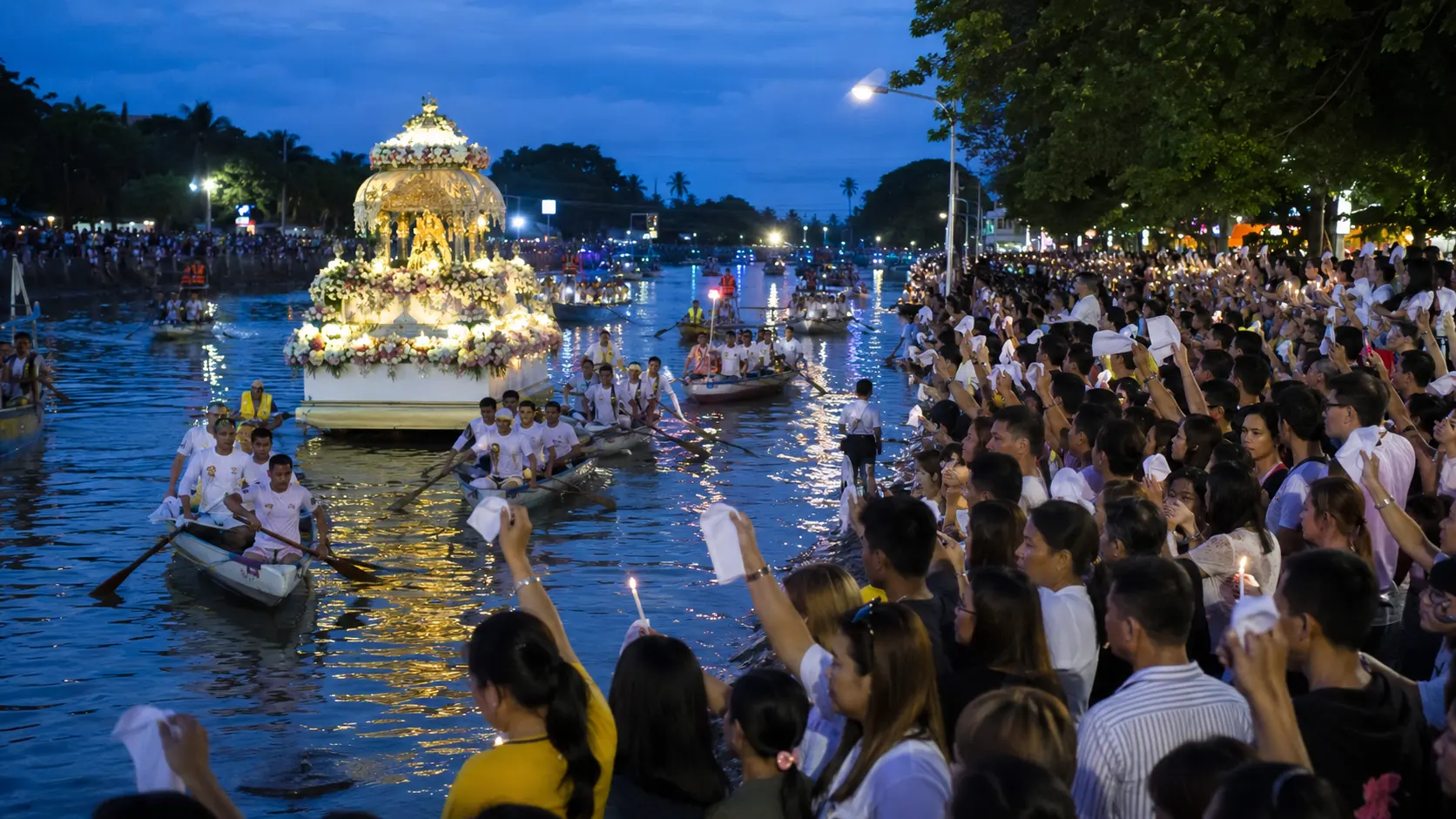
The Peñafrancia Festival is Naga City’s September feast of Our Lady of Peñafrancia, whom Bicolano devotees call Inâ, or Mother. It is a Marian pilgrimage first.
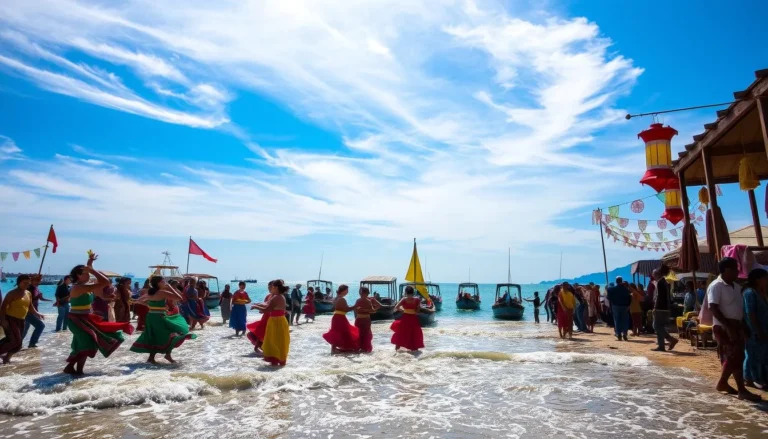
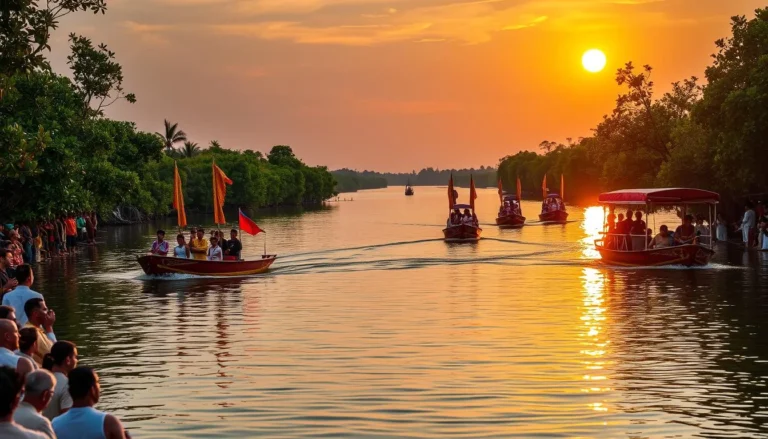
The best-known rites are the Traslacion, which brings the sacred images to Naga Metropolitan Cathedral, and the return fluvial procession along the Naga River. Civic parades and Voyadores competitions sit around the novena. They do not replace the processions.
As of 12 September 2026, the Traslacion scheduled for 11 September 2026 has already taken place. The next major published religious movement on the Naga tourism schedule is the fluvial procession on 19 September 2026 at 3:00 p.m. River viewing, road closures, and security zones can still change.
Recheck Naga tourism before you leave for the riverbank.
Key facts
| Item | What to use (2026 from Naga tourism) |
|---|---|
| Place | Naga City, Camarines Sur, Bicol Region |
| Kind of event | Marian pilgrimage, with a civic festival around it |
| Traslacion | 11 September 2026, 12:00 noon, Old Shrine of Our Lady of Peñafrancia to Naga Metropolitan Cathedral. Completed. |
| Fluvial procession | 19 September 2026, 3:00 p.m., Cathedral to Basilica Minore via the Naga River |
| Civic cluster examples | 16 to 18 September parades; Voyadores competition 17 September 2:00 p.m.; Tagboan 15 to 19 September |
| Religious focus | Our Lady of Peñafrancia; El Divino Rostro is also central in the wider fiesta cycle |
| What it is not | A street-dance festival you can drop into for one afternoon without a procession plan |
What is happening in the 2026 season
The Naga City Investment and Tourism Promotions Office published the major 2026 civic and religious schedule. The Traslacion on 11 September moved the image from the Old Shrine to the Naga Metropolitan Cathedral.
Devotees then enter the novena period between that transfer and the return. The fluvial procession is listed for 19 September at 3:00 p.m., from the Cathedral to the Basilica Minore through the Naga River.
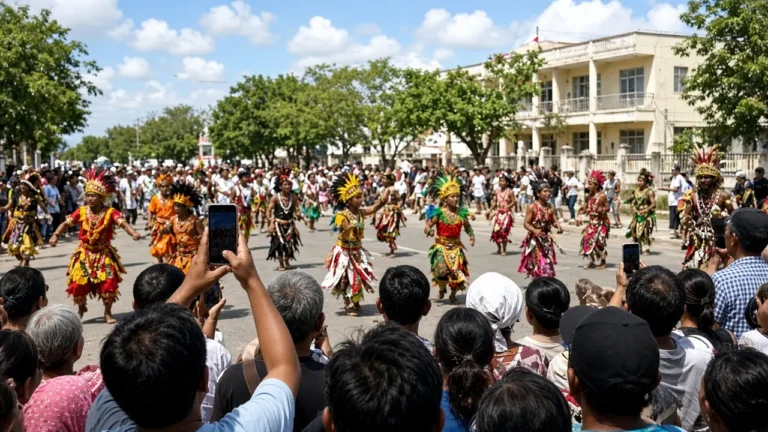
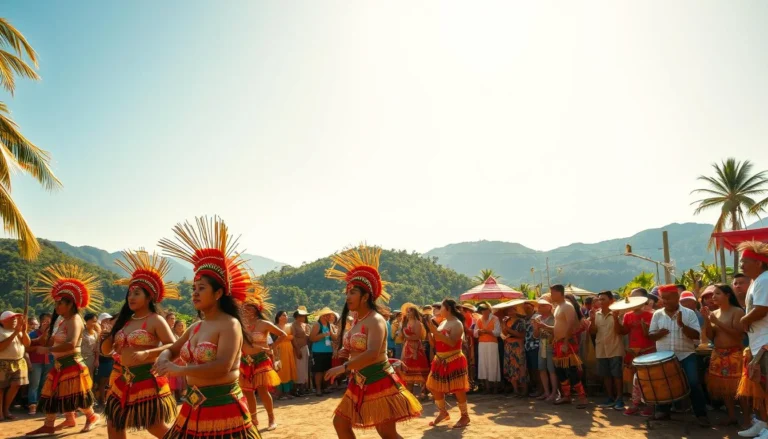
Civic events in the same week include Tagboan arts, music, and food programming from 15 to 19 September, a Scouts parade on 16 September, the civic and float parade on 17 September morning, and the Peñafrancia Voyadores Festival street and pilgrims dance competition on 17 September at 2:00 p.m.
A Bicol regional military parade exhibition is listed for 18 September. These enrich a visit. They are not the heart of the pilgrimage.
What Peñafrancia is, and what it is not
The religious centre is the novena, the Traslacion, and the fluvial return of the image. Voyadores, float parades, and Tagboan are city events in the same season. Men traditionally carry roles in the Traslacion cordon. Do not treat that cordon as a photo line. The feast belongs to Bicolano devotion. Visitors are guests inside a working pilgrimage.
In one line: Peñafrancia is Naga’s September Marian pilgrimage of Traslacion and fluvial return, not a drop-in street-dance day, and the 2026 river rite is the published 19 September afternoon procession.
Planning table: which 2026 day fits your trip
| If you want | Published 2026 focus | Practical note |
|---|---|---|
| The Traslacion | 11 September, 12:00 noon, Old Shrine to Cathedral | Already completed as of this review. It is not repeated later in the week. |
| The fluvial return | 19 September, 3:00 p.m., Cathedral to Basilica via Naga River | Arrive early. Follow marshals. Do not stand on unsafe banks for a better angle. |
| Civic and Voyadores viewing | 17 September morning parade; 17 September 2:00 p.m. Voyadores competition | These are city events around the novena, not substitutes for the processions. |
| Food and arts evenings | Tagboan, 15 to 19 September | Useful buffer programming. Confirm nightly hours on the city page. |
Safety and crowd practicalities
A PIA report carried on Naga tourism said police planned about 2,500 personnel across the city for the festival period, with another 150 on standby, plus CCTV and drone support. The Philippine Coast Guard prepared water search and rescue coverage for the fluvial procession.
PNR announced extra Bicol Commuter trips for the festival window. A later Naga City release described a larger PNP deployment figure ahead of the Traslacion. Follow the latest city and police instructions on the ground. Numbers and lanes can change.
- If you missed the 11 September Traslacion, do not expect it to be staged again.
- Keep procession routes clear. The cordon is worship space, not a selfie rail.
- On 19 September, treat the riverbank as a managed crowd zone. Arrive early and follow marshals.
- Carry water, protect valuables, and set a meeting point outside the densest block.
Regional context: festivals in Bicol. Calendar context: complete festivals guide. Fiesta basics: what are fiestas. January Santo Niño street festivals are a different season and trip style; use the January festivals hub when you need that comparison set.
Who organises what in Peñafrancia season
Peñafrancia week in Naga mixes a Marian pilgrimage with a city civic programme. Keep the split clear when you read posters and social posts. One lane is church. The other is LGU and tourism events around the novena.
| Lane | Typical owners | What visitors should confirm there |
|---|---|---|
| Religious rites | Archdiocese of Caceres, Basilica Minore / shrine and cathedral communities | Traslacion and fluvial hours, novena Masses, cordon and church-yard rules |
| Civic festival programme | Naga City (tourism / investment promotions and partner offices) | Voyadores, float or civic parades, Tagboan-style arts and food windows |
| Security and river safety | City, PNP, and maritime units as published each year | Lane closures, riverbank viewing rules, emergency instructions on the day |
Civic nights and dance competitions enrich a trip. They do not replace the Traslacion or the fluvial return. If a poster only names a parade, ask whether the image movement is the same day. Confirm church notices for the pilgrimage lane and Naga tourism for the civic lane. Do not collapse both into one unofficial timetable.
Where to stay in Naga during Peñafrancia
Naga lodging fills for Traslacion and fluvial days. Choose a corridor that matches the rite you came for, then walk or use short hops instead of crossing the whole city in peak closures.
| Corridor idea | Better if you want | Watch-outs |
|---|---|---|
| Near Naga Metropolitan Cathedral / centro | Novena access and Traslacion-week walking when the image is at the cathedral | Dense crowds, limited vehicle access on procession days |
| Basilica Minore / Peñafrancia shrine side | Shorter walks for shrine-oriented Masses and the return end of the fluvial story | Still confirm which day the image is where |
| Naga River viewing approaches | Earlier arrival for the published fluvial afternoon | Banks are managed zones; follow marshals, not a random gap in the crowd |
| Magsaysay / commercial strip lodging | More room inventory and food options for multi-night stays | Budget extra time to reach cordons when roads close |
Ask your hotel how guests reach the cathedral, basilica, and published river viewpoints once the city traffic advisory is out. This page does not list room rates. Book early, then recheck Naga tourism and Archdiocese notices the week you travel.
Related Bicol festival reading
Peñafrancia is the September pilgrimage anchor for many Bicol trips. For Magayon and other regional dates, use the festivals in Bicol hub. For the national calendar map, use the complete festivals guide. Fiesta basics that apply beyond Naga sit in what are fiestas.
Confirm with host: Traslacion and fluvial hours belong to church notices. Voyadores and civic parade hours belong to the city programme. Riverbank rules belong to the day’s marshals. A blog collage is not a ticket.
Confirm it here
- Naga tourism, 2026 major civic and religious schedule: https://tourism.naga.gov.ph/penafrancia-fiesta-major-civic-and-religious-events-schedule-for-2026/
- Naga tourism, security measures update: https://tourism.naga.gov.ph/security-measures-ramped-up-in-naga-city-ahead-of-penafrancia-fest/
- Naga City, Security Cluster note: https://www2.naga.gov.ph/security-cluster-readies-for-safe-penafrancia-fiesta/
- Bicol hub: https://festivepinoy.com/festivals-in-bicol/
Quick summary
The Peñafrancia Festival is Naga City’s September Marian pilgrimage in honour of Our Lady of Peñafrancia.
Naga tourism lists the 2026 Traslacion on 11 September at noon from the Old Shrine to Naga Metropolitan Cathedral, and the fluvial procession on 19 September at 3:00 p.m. from the Cathedral to the Basilica Minore through the Naga River.
As of 12 September 2026, the Traslacion has already happened. Civic parades and Voyadores events run through the mid-September week but do not replace the processions. Confirm road closures and river viewing rules on the Naga tourism schedule before travel.
Reviewed 12 September 2026.
FAQ
When is the Peñafrancia Festival in 2026?
Naga tourism lists the Traslacion on 11 September 2026 at noon and the fluvial procession on 19 September 2026 at 3:00 p.m. Civic events run through the week of 15 to 19 September. Recheck the city page if you are travelling for the river procession.
Has the 2026 Traslacion already happened?
Yes. It was scheduled for 11 September 2026, from the Old Shrine to the Naga Metropolitan Cathedral. This review is dated 12 September 2026.
When is the Peñafrancia fluvial procession?
The published 2026 time is 19 September at 3:00 p.m., from the Naga Metropolitan Cathedral to the Basilica Minore through the Naga River.
Is Peñafrancia a street-dance festival?
No. It is a Marian pilgrimage. Voyadores and civic parades sit around the novena. The processions are the event.
Where should visitors confirm road closures?
Use the Naga City tourism schedule and local advisories for the river and the cathedral area. A national festival calendar that lists a fixed 13 September Traslacion is not the 2026 city plan.
What should I do if I arrive after 11 September 2026?
Plan around the remaining novena and the 19 September fluvial procession. Use civic events as secondary viewing only. Confirm the current river and road notices before you go.
Last reviewed against Naga tourism schedule and security updates as of 12 September 2026. Always confirm with the host city and Archdiocese notices.
—