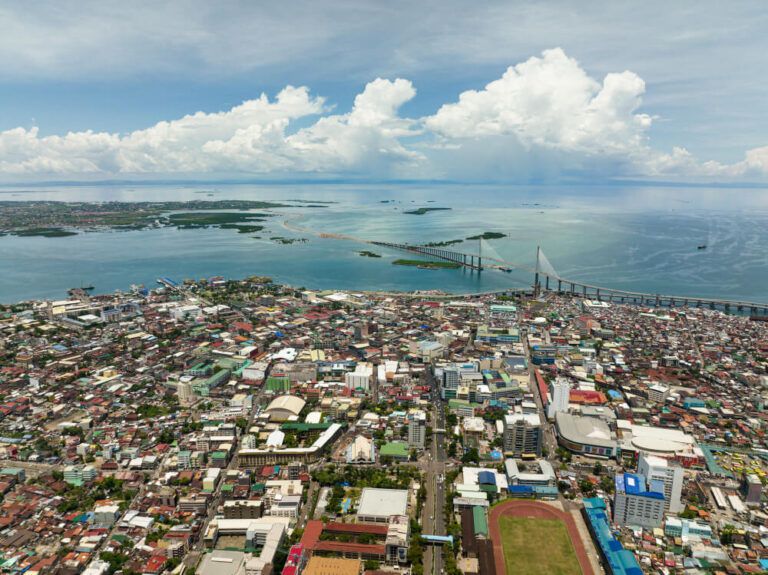
Bohol: A Guide To The City
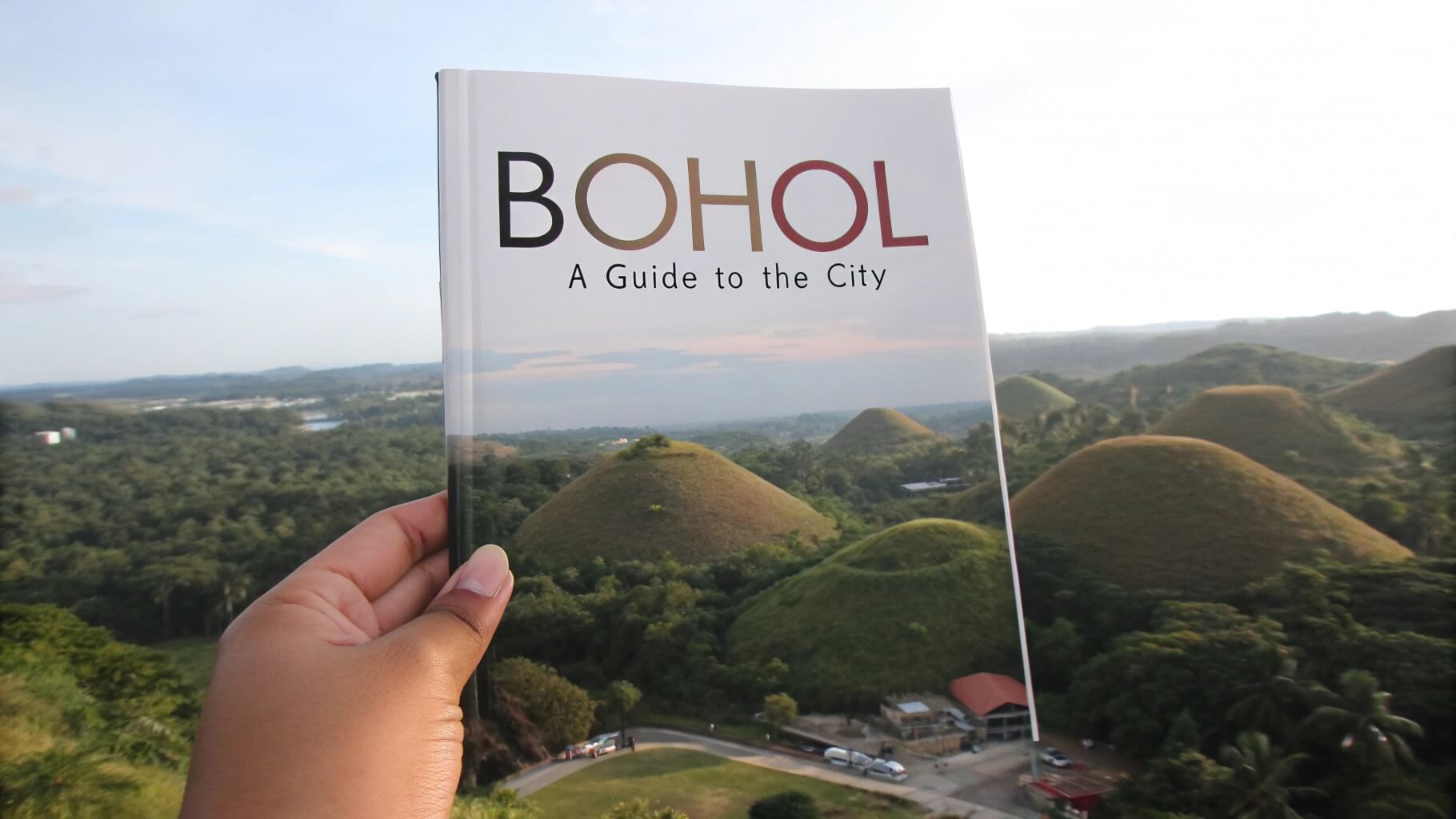
Bohol is one of the Philippines’ most beloved island destinations, an enchanting province in the Central Visayas famous for the surreal Chocolate Hills, the tiny wide-eyed tarsier, palm-lined rivers, centuries-old churches, and the white beaches of Panglao. Compact yet astonishingly varied, Bohol packs nature, history, and adventure into one friendly island. This guide covers what Bohol is, its top attractions, and how to make the most of a visit.
Central Visayas, Philippines
Tagbilaran City
The Chocolate Hills
The Philippine tarsier
Panglao Island (Alona Beach)
Historic stone churches
What Bohol is
Bohol is an island province in the Central Visayas region, with Tagbilaran as its capital city and gateway. Roughly oval in shape and ringed by smaller islands, it combines rolling inland hills and rivers with a coastline of coral reefs and fine beaches. It is easy to reach, easy to get around, and packed with attractions close together, which makes it a favourite for both first-time visitors and returning travellers. Warm hospitality and a relaxed pace complete its appeal.
The Chocolate Hills
Bohol’s most famous sight is the Chocolate Hills, a landscape of more than a thousand near-identical grassy mounds spread across the interior. In the dry season the grass turns brown, giving the hills the look of chocolate drops scattered over the land, hence the name. Geologically they are limestone formations shaped over millions of years, though local legends tell of giants and heartbroken tears. A viewing deck in Carmen offers the classic panorama of the hills rolling to the horizon, one of the most iconic views in the country.
The Philippine tarsier
Bohol is the best place in the world to meet the Philippine tarsier, one of the smallest primates on Earth. With enormous eyes, long fingers, and a body that fits in a human palm, the tarsier is as endearing as it is fragile. At sanctuaries in Corella and near Loboc, visitors can see them in a protected natural setting, where strict rules on silence and no flash photography keep these sensitive, nocturnal creatures safe. Supporting these sanctuaries helps protect a species found in only a few places on the planet.
More of Bohol’s highlights
Beyond the hills and the tarsier, Bohol rewards visitors with a wealth of experiences, many within easy reach of one another.
| Attraction | What to expect |
|---|---|
| Loboc River cruise | A floating lunch down a jade-green river lined with palms |
| Panglao Island | White-sand beaches like Alona, diving, and island hopping |
| Baclayon Church | One of the oldest stone churches in the Philippines |
| Blood Compact Shrine | Marking the 1565 Sandugo friendship pact |
| Hinagdanan Cave | A cavern with a natural underground pool |
| Man-made Forest | A dense mahogany tunnel of green near Loboc |
History and heritage
Bohol holds a special place in Philippine history. It was here in 1565 that the Sandugo, or Blood Compact, was sealed between the local chieftain Datu Sikatuna and the Spanish explorer Miguel Lopez de Legazpi, a treaty of friendship marked by drinking wine mixed with a few drops of each other’s blood. Bohol was also the site of one of the longest revolts against Spanish rule, the Dagohoy rebellion. Its old stone churches, some damaged by a 2013 earthquake and lovingly restored, stand as monuments to this deep and proud heritage.
Tips for visiting Bohol
- Combine a countryside tour to see the Chocolate Hills, tarsiers, Loboc River, and churches in one day.
- Base yourself on Panglao for the beaches and diving, an easy drive from Tagbilaran.
- Visit in the dry season (roughly December to May) for the best weather and browner hills.
- Respect the wildlife, keeping quiet and never using flash around the tarsiers.
- Try local flavours, from fresh seafood to the sweet peanut kisses that are a Bohol specialty.
Getting to and around Bohol
Bohol is easy to reach, which adds to its popularity. Travellers can fly directly into the modern Bohol-Panglao International Airport, or take a fast ferry from nearby Cebu, one of the country’s main hubs, in around two hours. Once on the island, getting around is straightforward.
- Guided countryside tours, which conveniently bundle the main inland sights into one day.
- Rented cars or vans with drivers, comfortable for families and small groups.
- Motorbike rentals, popular with independent travellers exploring at their own pace.
- Tricycles and habal-habal, handy for short hops around Panglao and the towns.
Because the main attractions sit fairly close together, many visitors see the highlights of the interior in a single well-planned day, leaving the rest of their trip for the beaches of Panglao.
Food and local flavours
No visit to Bohol is complete without tasting its local specialties. The island is famous for peanut kisses, sweet peanut meringues shaped like little Chocolate Hills, and for calamay, a sticky treat of glutinous rice, coconut, and sugar traditionally served in a coconut shell. Fresh seafood abounds, and a lunch cruise on the Loboc River comes with a floating buffet of Filipino favourites. Sampling these treats is a delicious way to round out the Bohol experience and to bring home a taste of the island.
Resilience and recovery
Bohol has shown remarkable resilience in the face of hardship. A powerful earthquake in 2013 damaged several of its centuries-old churches and shook communities across the island, yet Boholanos rallied to rebuild, carefully restoring their heritage landmarks stone by stone. That same spirit of recovery has met typhoons and other challenges over the years. Today the island stands as welcoming and beautiful as ever, its people proud of both their natural treasures and their determination to protect and preserve them for the future.
Why Bohol captures every traveller’s heart
What makes Bohol so special is how much it offers in such a compact, welcoming package. In a single trip you can marvel at the surreal Chocolate Hills, come face to face with a tiny tarsier, glide down a palm-lined river over a floating lunch, step inside a church that has stood for centuries, and end the day on a powder-white Panglao beach. Few destinations pack such variety into so small an area, and fewer still do it with the easygoing warmth that Boholanos are known for. Add rich history, delicious local treats, and a genuine spirit of resilience, and it is easy to see why so many travellers fall for the island and promise to return. Bohol is not just a place to visit; it is a place that stays with you, capturing the very best of what the Philippines has to offer.
From the moment you arrive to the moment you reluctantly leave, Bohol charms at every turn. It is a destination that suits families, couples, backpackers, and first-time visitors to the Philippines alike, and one that consistently ranks among the country’s most beloved islands. Put simply, Bohol is a place well worth making time for.
Whether it is your very first island in the Philippines or one more stop on a long love affair with the country, Bohol has a way of exceeding expectations and leaving every visitor already dreaming of the next return trip to its welcoming shores.
Frequently Asked Questions
Where is Bohol?
Bohol is an island province in the Central Visayas region of the Philippines. Its capital and main gateway is Tagbilaran City.
What is Bohol famous for?
Above all the Chocolate Hills and the tiny Philippine tarsier, plus the Loboc River, Panglao’s beaches, and historic stone churches.
What are the Chocolate Hills?
They are over a thousand grassy limestone mounds in Bohol’s interior that turn brown in the dry season, resembling giant chocolate drops.
How many days do you need in Bohol?
Two to three days is enough to see the main countryside sights and enjoy the Panglao beaches, though longer lets you slow down and explore more.
Conclusion
Bohol distils everything travellers love about the Philippines into one welcoming island: astonishing landscapes, rare wildlife, rich history, and beautiful beaches, all wrapped in warm island hospitality. Whether you come for the Chocolate Hills, the tarsiers, or the shores of Panglao, Bohol leaves a lasting impression and a reason to return.
Bohol’s cultural calendar centres on the Sandugo Festival, which commemorates the historic blood compact between Datu Sikatuna and the Spanish conquistador Legazpi.