Bambanti Festival Isabela: Scarecrow Harvest Guide
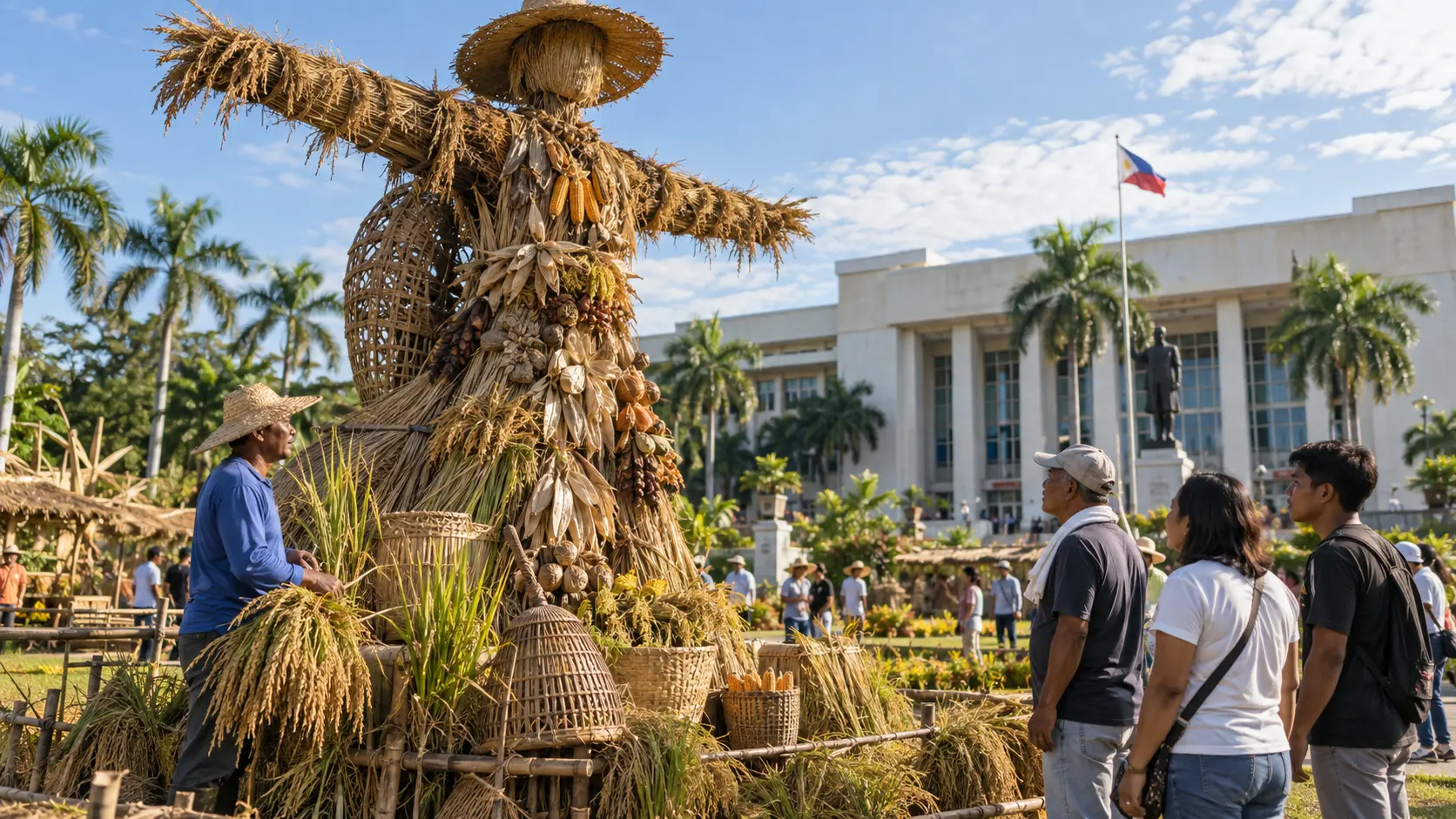
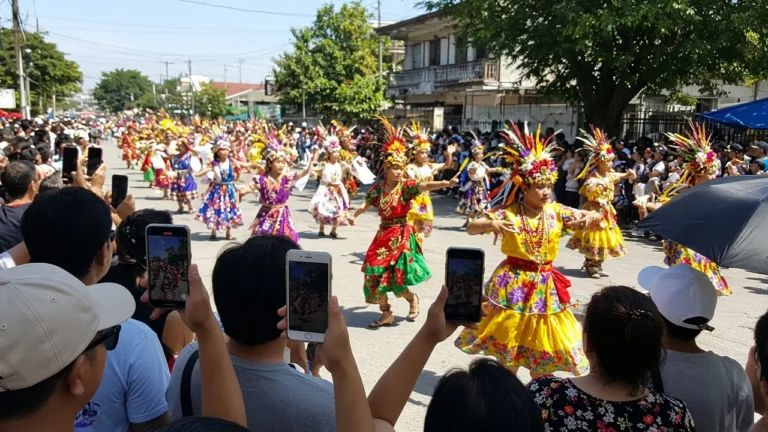
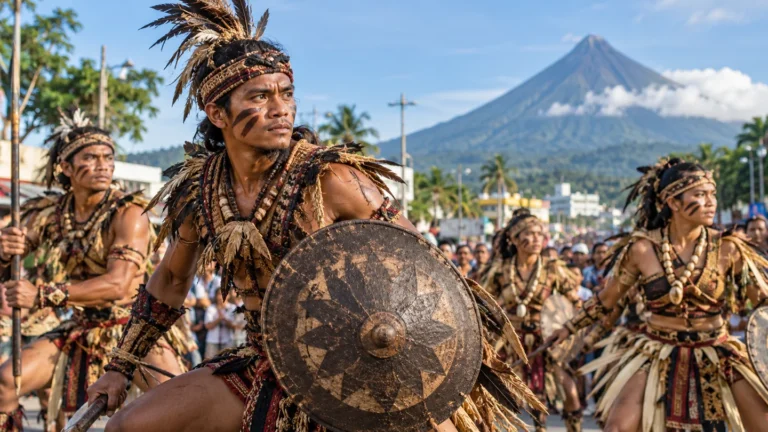
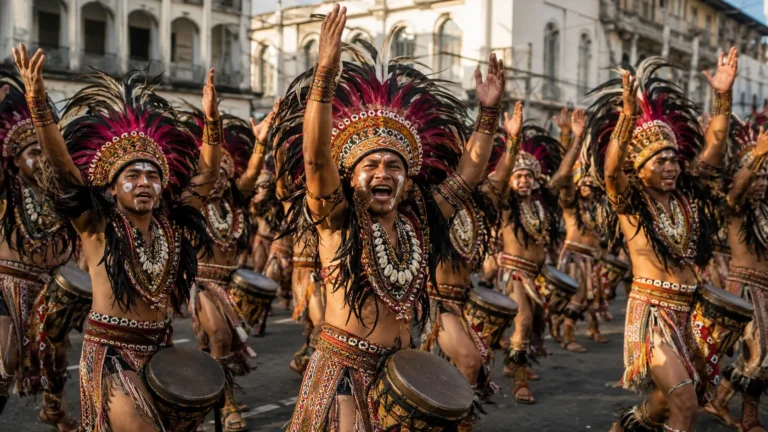
Bambanti Festival is Isabela Province’s January celebration of farming communities, harvest thanksgiving, and local products. Bambanti is the Ilocano word for a scarecrow. The provincial programme turns that field figure into giant installations, dance characters, and booth displays at and around the Isabela Provincial Capitol in Ilagan City.
As of 12 September 2026, the 2026 edition has already happened. Provincial and news reporting placed the celebration in mid to late January 2026, with opening on 18 January 2026 at the Capitol compound.
The Provincial Government of Isabela associates the festival with the fourth week of January. Exact opening days still move. The next edition is not a ticket until Ilagan’s provincial programme is published.
Key facts
| Item | What to use |
|---|---|
| Place | Isabela Provincial Capitol compound, Ilagan City (Bambanti Village and related venues named each year) |
| Name meaning | Bambanti = Ilocano for scarecrow |
| Usual period | Fourth week of January (provincial tourism framing); confirm exact days yearly |
| 2026 opening | 18 January 2026 at the Capitol compound (Manila Bulletin; provincial tourism preview coverage) |
| 2026 week | Mid to late January 2026 programme (news reports describe an about week-long run from 18 January) |
| Core purpose | Thanksgiving for harvest and recognition of Isabela’s farmers and localities |
| Origin caution | Official sources disagree on 1977 versus 1997; treat both as unresolved until an official source settles it |
| What it is not | Only a “scarecrow photo op,” or a substitute for each town’s own local fiesta |
Visitor choices
| Choice | What it means on this page | Practical note |
|---|---|---|
| Bambanti Village booths vs street dance | Giant bambanti installations and booths usually recur; street dance routes change by edition | Confirm booth map and dance route with provincial tourism for that year |
| Daytime agri displays vs night shows | Local-product and agri displays are recurring daytime draws; guest shows and concerts are edition-specific | Check fees and start times before you plan an evening only |
| Capitol compound focus vs town fiestas | The provincial programme centres on the Isabela Provincial Capitol compound in Ilagan | It is not a substitute for each town’s own local fiesta |
| Photo stop vs harvest thanksgiving | Scarecrow installations are photogenic, but the stated purpose is harvest thanksgiving and farmer recognition | Give space to performers and hosts; ask before close portraits |
What Bambanti is, and what it is not
The scarecrow is a practical farm object first. The festival enlarges it into public art and performance so municipalities and cities can present products, crafts, food, and choreography. Calling Bambanti only a scarecrow festival is incomplete. Agriculture is the centre, not a backdrop.
Bambanti is province-wide. Ilagan hosts the capitol setting. Participating localities supply much of the content. For January trip planning beside other festivals, use the January festivals hub and the complete festivals guide.
In one line: Bambanti is Isabela’s fourth-week-of-January harvest thanksgiving in Ilagan, built around the scarecrow, with exact days confirmed only by that year’s provincial programme.
Origin dates: leave the conflict visible
A Philippine Information Agency feature has said provincial leaders established the festival in 1977, that it paused for many years, and that it was revived in 2011. Other provincial and news accounts associate a formal introduction with 1997. The available official material does not reconcile those years.
Official sources still disagree on the founding year, so treat both dates as unresolved.
Enduring elements vs one year’s programme
| Usually recurring | Edition-specific (confirm) |
|---|---|
| Giant bambanti installations and Bambanti Village booths | Theme, judging rules, and booth map |
| Street dance and costume presentations | Route, start time, and venue |
| Local-product and agri displays | Guest shows, pageants, concerts, fees |
| Fourth-week-of-January season | Exact opening and closing days |
2026 notes (finished edition)
News and tourism coverage placed the 2026 opening on 18 January at the Isabela Provincial Capitol Compound, with Bambanti Village and agri-tourism booths as major public features. Do not copy 2026 side events, winners, or commercial-venue segments into a future itinerary. Those details belong to that year only.
Etiquette and planning
- Do not climb on or remove material from scarecrow installations.
- Treat farmers and exhibitors as people with expertise, not as photo props.
- Confirm access rules. Public displays may be open while some seating or evening shows use different rules.
- Book lodging only after you know which venues you need. Not every activity is walking distance from the capitol.
- If you are combining January trips, compare confirmed dates in the January hub before stacking Isabela with Cebu or Iloilo.
How to get to Ilagan and where to stay
Bambanti stages around the Isabela Provincial Capitol compound in Ilagan City and related venues named each year. Plan a Cagayan Valley land trip from Manila or a flight into a published regional airport when available, then continue to Ilagan. Confirm operators and the exact Capitol access plan for the live edition.
| Base idea | Better if you want | Watch-outs |
|---|---|---|
| Near Capitol / Bambanti Village venues | Short walks to scarecrow exhibits and main programme blocks | Peak-day crowd density; follow marshals |
| Ilagan city lodging farther from Capitol | Quieter nights | Budget transfer time each morning |
| Day trip from another Isabela town | One focused festival day | Miss early opening windows if roads clog |
Fourth-week-of-January framing is a pattern only. Confirm opening day with provincial tourism. January context: January festivals hub. National map: complete festivals guide.
Confirm it here
- Province of Isabela official site (festival and tourism notices): https://www.provinceofisabela.ph/
- Manila Bulletin on the 2026 kickoff: https://mb.com.ph/2026/01/19/bambanti-festival-in-isabela-kicks-off
- January hub: https://festivepinoy.com/january-festivals-in-the-philippines/
- Calendar hub: https://festivepinoy.com/festivals-in-the-philippines-complete-guide/
Quick summary
Bambanti Festival is Isabela’s January harvest thanksgiving in Ilagan City, built around the Ilocano scarecrow. The Provincial Government associates it with the fourth week of January. The 2026 edition opened on 18 January 2026 at the Provincial Capitol compound.
Official sources still disagree on whether the provincial festival began in 1977 or 1997, so this guide leaves that conflict visible. As of 12 September 2026 the 2026 week is finished. Confirm the next programme with the Provincial Government of Isabela.
Reviewed 12 September 2026.
FAQ
What does Bambanti mean?
Bambanti is the Ilocano word for a scarecrow. The festival uses it as a symbol of farm vigilance and harvest work.
Where is Bambanti Festival held?
The main public setting is the Isabela Provincial Capitol compound in Ilagan City. Some activities may use other Isabela venues. Check the year’s programme.
When is Bambanti Festival?
Usually in the fourth week of January. Exact opening and closing days change. Confirm the dated provincial programme.
Did Bambanti begin in 1977 or 1997?
Official sources conflict. A PIA feature says 1977 with a later revival. Other provincial and news accounts say 1997. Both dates remain in circulation, so leave the conflict visible until an official source settles it.
Is Bambanti free?
Do not assume every activity is free. Confirm access and any fees with the current organiser.
What should visitors check before attending?
Dates, Bambanti Village hours, street-dance venue, road controls, and lodging near the venues you actually need.
Last reviewed against provincial and news materials as of 12 September 2026. Always confirm with the host.
—