Kidapawan City Charter Day: Cotabato Kidapawan City Charter Day: Complete Guide
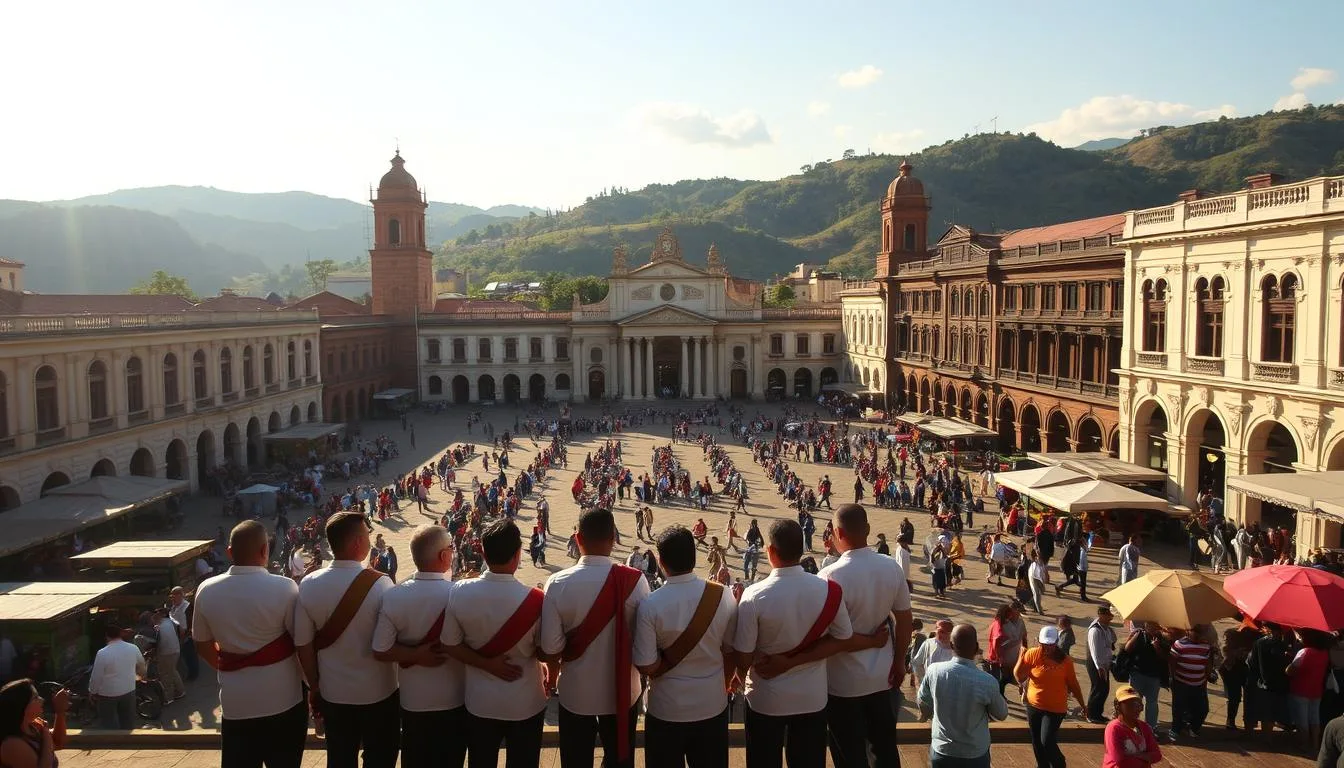
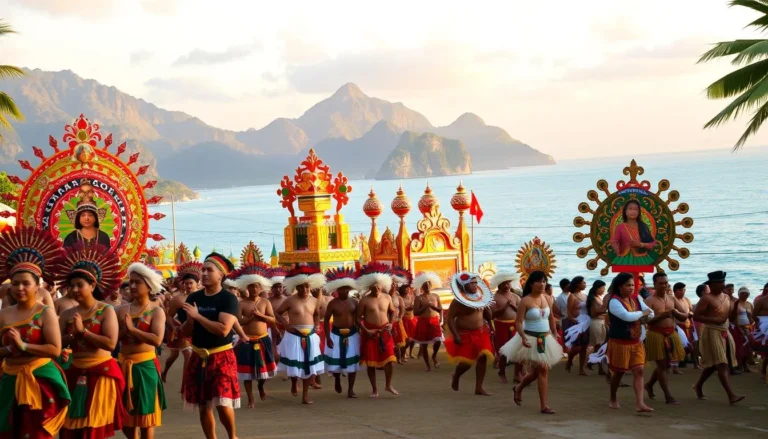
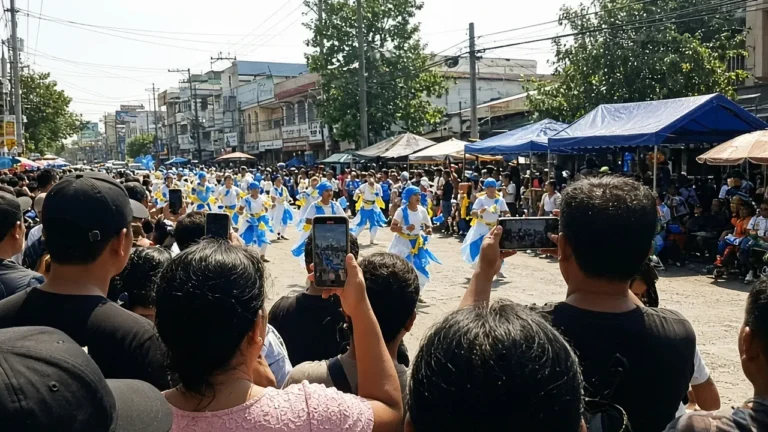
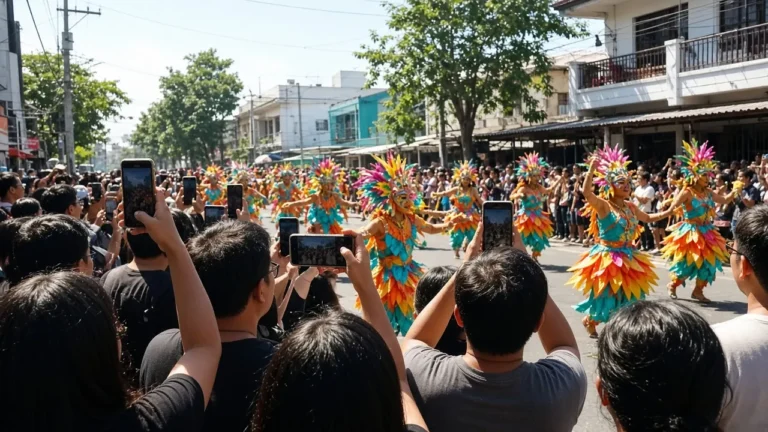
Every February 12, a vibrant celebration unfolds in the heart of Cotabato. This annual event marks a pivotal moment in local history, the transformation of a once-small municipality into a thriving urban center. The occasion honors the legal milestone that reshaped its identity and governance over two decades ago.
The transition to city status in 1998 brought new opportunities for growth and self-governance. Through Republic Act No. 8500, signed by President Fidel V. Ramos, the area gained recognition as an official component of Cotabato province. This legislation empowered local leaders to address urban challenges while preserving cultural traditions.
The length and lineup of Charter Day activities vary by edition. In 2026, the city’s published program ran February 6–15 and culminated around the February 12 anniversary; later schedules should be checked on the official city website.
Key Takeaways
- Established through Republic Act No. 8500 on February 12, 1998
- Annual commemoration features cultural and social events
- Special non-working holiday recognized by local governance
- Celebrates urban development and community identity
- Highlights historical progress through art and technology
- Strengthens cultural unity across generations
Later sections will explore how this celebration impacts tourism, infrastructure projects, and community partnerships. Discover practical travel tips for experiencing the festivities firsthand and learn about ongoing initiatives shaping the area’s future.
Historical Background and Origins
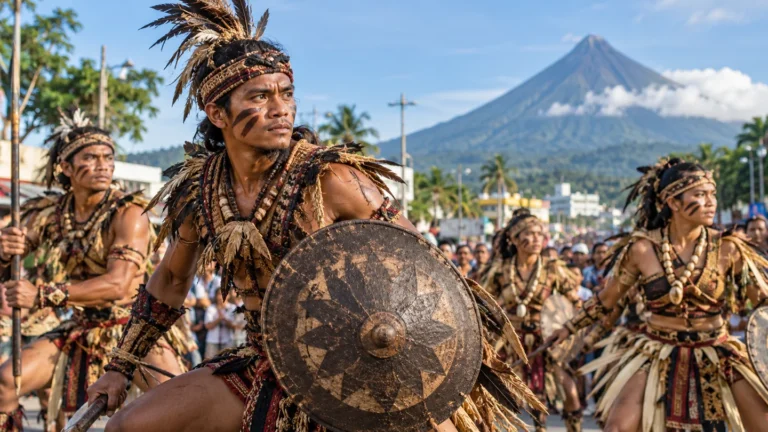
Long before urban development reshaped the landscape, this area thrived as a bastion of indigenous resilience. The Obo Monuvu people fiercely protected their ancestral lands during Spanish colonial attempts, establishing patterns of self-governance that would echo through generations.
Foundations of Resistance and Governance
American administrators recognized the region’s strategic importance in 1914, creating a municipal district under Datu Siawan Ingkal’s leadership. This visionary leader bridged traditional practices with modern governance for three decades. “Our strength lies in honoring heritage while embracing progress,” he reportedly declared during crucial negotiations.
Path to Urban Recognition
Post-war reorganization brought dramatic changes. Executive Order No. 82 in 1947 granted full municipal status, empowering local figures like Mayor Alfonso Angeles Sr. His 1952 cityhood campaign laid groundwork for future success. The city government Kidapawan eventually achieved its goal through Republic Act 8500 in 1998, following a decisive public referendum.
Kidapawan City’s official departments page lists Jose Paolo M. Evangelista as city mayor. The annual commemoration connects the city’s history with current civic programs; verify officeholders and schedules on the official city website.
Celebration and Cultural Activities
For the 2026 edition, Kidapawan City’s official program ran from February 6 to 15, 2026, with the 28th Charter Day culmination on February 12. Future schedules may use different dates and activities.
Verified 2026 Reference
The city published an official culmination program for February 12 and a separate Charter Day program page. Use the current city calendar for later editions.
Community and Government Engagement
Charter Day is a civic commemoration organized through city offices and community partners. Activities, awards, competitions, and registration requirements should be confirmed in the official program for that year.
Current City Information
Check Kidapawan City’s website for the current mayor, departments, announcements, and event contacts rather than relying on older officeholder information.
Public Services and Event Advisories
Public-service priorities and health guidance change over time. Follow current city and venue advisories for security, weather, traffic, and health requirements.
Travel, Accessibility, and Participation
Confirm the venue and session time before departure. Ask the city or organizer about accessibility, registration, road closures, and transport arrangements for the specific event you plan to attend.
Conclusion
This journey from rural roots to urban progress reveals how vision and collaboration shape thriving communities. The area’s transformation demonstrates what happens when cultural preservation meets strategic governance.
Current city leadership and civic initiatives should be verified through Kidapawan City’s official departments and announcements pages. The city website lists Jose Paolo M. Evangelista as mayor.
The establishment of new public service centers, like the DFA office serving residents, showcases practical improvements born from civic partnerships. Such developments strengthen both infrastructure and community bonds, proving progress needn’t erase identity.
Annual celebrations serve as living reminders of shared resilience. Visitors planning to travel here discover more than festivities, they witness firsthand how collective pride fuels sustainable growth.
As the municipality evolves, ongoing participation remains vital. Explore upcoming events and heritage projects through the official government page, where every click connects you to a story worth experiencing.