Silk Road of the Sea: PH’s Luxury Textile Trade History
Long before it was known for anything else, the Philippines was celebrated for its exquisite handwoven cloth. From the gossamer-fine piña spun from pineapple leaves to the shimmering silks traded across the Pacific, the country has a rich luxury textile heritage that once clothed royalty and filled the galleons of a global trade. This is the story of the Philippines’ finest fabrics, the artisans who wove them, the trade that carried them across the world, and the proud revival keeping these traditions alive today.
Piña, from pineapple leaves
Abaca, jusi, cotton, silk
Aklan, Iloilo, Ilocos, Mindanao
The Manila galleon trade
European royalty and elites
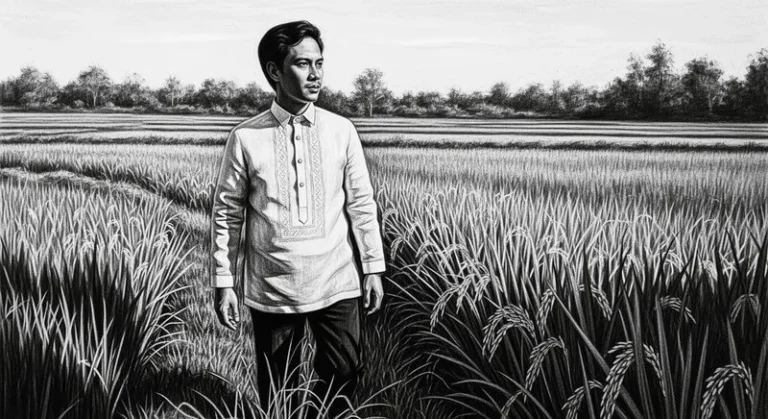
Barong Tagalog and Filipiniana
A heritage woven by hand
Weaving is one of the oldest and most refined art forms in the Philippines. Long before Spanish ships arrived, communities across the islands were spinning fibres from plants and cultivating remarkable skill at the loom. Each region developed its own traditions, materials, and patterns, passed down through generations of mostly women weavers. What set Philippine textiles apart was not just their beauty but their astonishing fineness, cloth so delicate and translucent that it seemed almost woven from air, yet strong enough to last for generations.
These fabrics were far more than clothing. They were markers of status and wealth, treasured heirlooms, and objects of trade prized across Asia and beyond. To wear the finest Philippine cloth was to display both refinement and standing, and the very best pieces were reserved for the elite and for special occasions.
Piña: the queen of Philippine fabrics
The crown jewel of Philippine textiles is piña, a fabric made from the fibres of pineapple leaves. Producing it is a labour of extraordinary patience: the long fibres must be carefully scraped from each leaf by hand, knotted together one by one into continuous threads, and then woven on traditional looms. It can take a great many leaves and countless hours of work to produce even a small length of cloth. The result is luminous, lightweight, and slightly stiff, with a natural ivory sheen that no machine can replicate.
Aklan remains a major centre of piña weaving. In 2024, the National Museum of the Philippines presented the historical and cultural significance of Aklan piña at UNESCO headquarters in Paris, highlighting its production techniques and both historical and contemporary garments. Piña cloth was, and still is, the fabric of choice for the most elegant Filipino formal wear, from the finest Barong Tagalog to bridal gowns and heirloom pieces handed down through families.
The other treasured fibres
Piña may be the most famous, but the Philippines is rich in other prized fibres and weaving traditions, each with its own character and region.
| Fabric / fibre | Made from | Known for |
|---|---|---|
| Piña | Pineapple leaf fibre | The finest, most translucent luxury cloth |
| Jusi | Fine fibre or silk blend | A lighter, affordable partner to piña |
| Abaca | Manila hemp (a banana relative) | Strong fibre, also woven into cloth |
| Inabel | Cotton, woven in Ilocos | Sturdy, patterned blankets and cloth |
| Hablon | Cotton or silk, woven in Iloilo | Colourful handwoven fabric |
| T’nalak | Abaca, woven by the T’boli | Sacred “dreamweave” patterns of Mindanao |
Together these fabrics form a tapestry of regional artistry, from the cotton looms of the north to the sacred abaca weaves of the southern highlands, each telling the story of its people through pattern and colour.
Textiles and the galleon trade
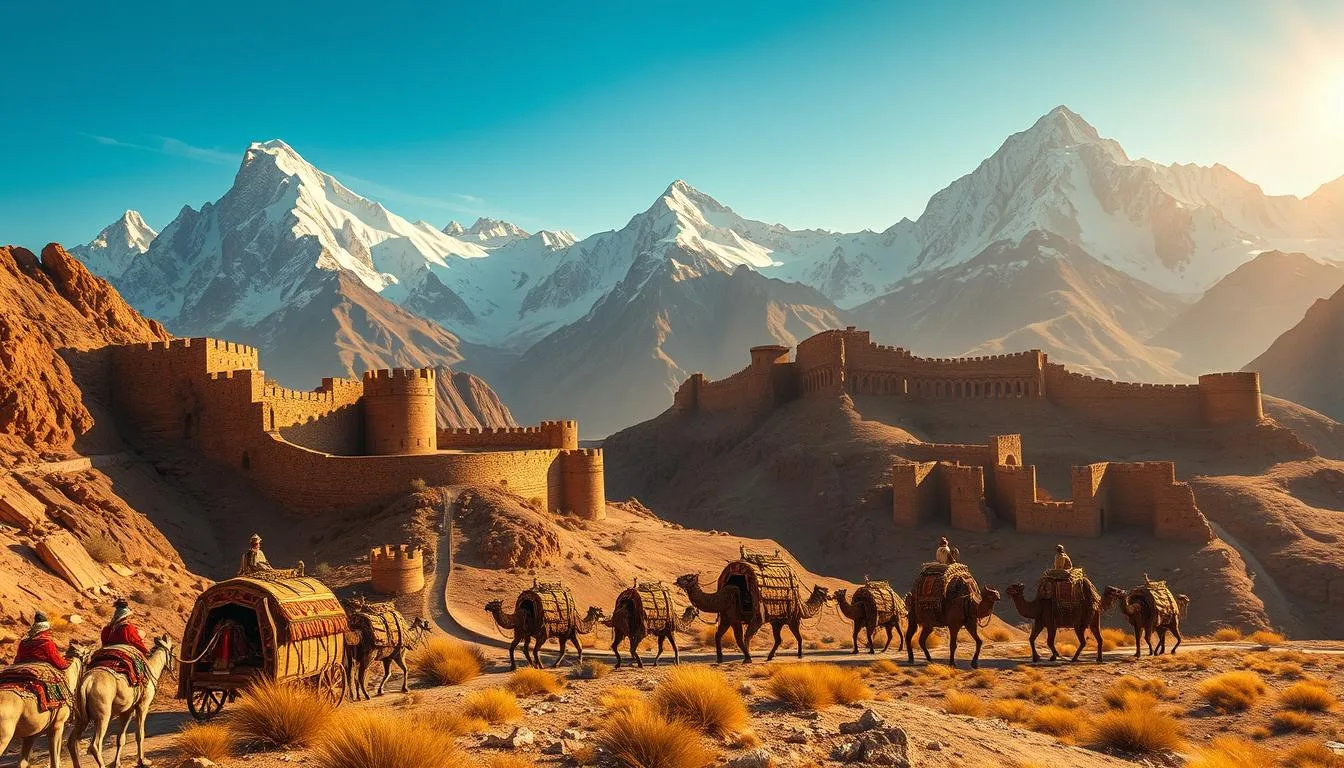
During the Spanish colonial era, Philippine textiles became part of a vast global commerce. For 250 years the Manila galleons carried goods across the Pacific between Manila and Acapulco in Mexico, and cloth was among the most valuable cargo. Chinese silks passed through Manila on their way to the Americas and Europe, while the Philippines’ own piña and fine weaves earned a reputation among the wealthy of the wider world.
Piña cloth in particular became a coveted luxury abroad, admired for its delicacy and often fashioned into handkerchiefs, shawls, and garments for European elites. Fine Philippine textiles were even presented as prestigious gifts, a mark of how highly they were valued. In this way, the humble looms of Aklan and Iloilo were connected to the courts and drawing rooms of a distant world.
Symbols of Filipino identity
Beyond their beauty and value, these textiles came to embody Filipino identity itself. The Barong Tagalog, often made from piña, jusi, or related fine fabrics, became a widely recognized Filipino formal garment, while Filipiniana gowns and the graceful terno showcased the artistry of Philippine cloth. The NCCA identifies these garments as cultural icons rather than national symbols officially declared by law. Worn at weddings, state occasions, and cultural celebrations, these garments carry a deep sense of heritage and pride. To dress in fine Philippine textiles is to wear the history and craftsmanship of the islands.
Decline and revival
The rise of cheap machine-made fabrics in the modern era posed a serious threat to these painstaking handcrafts. As mass-produced cloth flooded the market, many traditional weaving communities struggled, and some techniques came close to being lost. Fewer young people learned the demanding skills of scraping piña fibre or working the old looms, and the future of the craft looked uncertain.
Happily, recent decades have brought a proud revival. A new generation of Filipino designers, artisans, and advocates has championed local textiles, blending them into contemporary fashion and celebrating them on national and international stages. Efforts to support weaving communities, protect traditional knowledge, and promote the wearing of Filipiniana have given these fabrics new life. Once again, Philippine luxury textiles are being recognised for the treasures they are.
How Philippine textiles are made
Part of what makes these fabrics so precious is the sheer skill and patience their creation demands. Each is the product of many hands and many hours of careful work.
- Harvesting the fibre, whether stripping fine strands from pineapple leaves, abaca stalks, or cultivating cotton.
- Extracting and cleaning, painstakingly scraping and separating the delicate threads by hand.
- Knotting and spinning, joining the short fibres into long continuous threads, one by one.
- Dyeing, colouring the threads with natural or modern dyes to create patterns.
- Weaving, working the threads on traditional wooden looms into finished cloth.
For the finest piña, this process can take weeks of labour for even a modest length of fabric, which is why genuine handwoven Philippine cloth commands such respect and value. Every piece is quite literally a work of art.
Wearing Philippine heritage today
These textiles are not museum pieces but living heritage worn with pride. At weddings, graduations, state functions, and cultural events, Filipinos don the Barong Tagalog and elegant Filipiniana gowns crafted from piña, jusi, and other fine weaves. Filipino designers increasingly incorporate handwoven fabrics into modern fashion, from gowns to accessories, bringing traditional cloth to new audiences at home and abroad. For the millions in the Filipino diaspora, wearing these fabrics is a powerful way to stay connected to their roots. In choosing local weaves, Filipinos support artisan communities and help ensure that this beautiful heritage endures.
Frequently Asked Questions
What is the finest Philippine fabric?
Piña, woven from pineapple leaf fibres, is the most prized. It is prized for its fineness, translucency, and natural sheen, and is used for the most elegant formal wear.
Where are Philippine textiles woven?
Major centres include Aklan for piña, Iloilo for hablon, Ilocos for inabel cotton, and Mindanao for the T’boli’s sacred t’nalak.
Why were Philippine textiles famous abroad?
Through the galleon trade, fine cloth like piña reached the Americas and Europe, where its delicacy made it a coveted luxury among the wealthy and even a prestigious gift.
Are these weaving traditions still alive?
Yes. After a decline due to machine-made cloth, Philippine textiles are enjoying a strong revival led by designers and artisans celebrating local heritage.
Conclusion
The Philippines’ luxury textiles are a heritage woven from patience, artistry, and pride. From the translucent shimmer of piña to the sacred patterns of t’nalak, these fabrics once travelled the world and clothed its elites, and today they carry the identity of the Filipino people. In every fine thread lies a story of skill and culture, one that a new generation is proudly keeping alive.