Sarok Festival: Cebu’s Sarok Festival: Everything You Need to Know
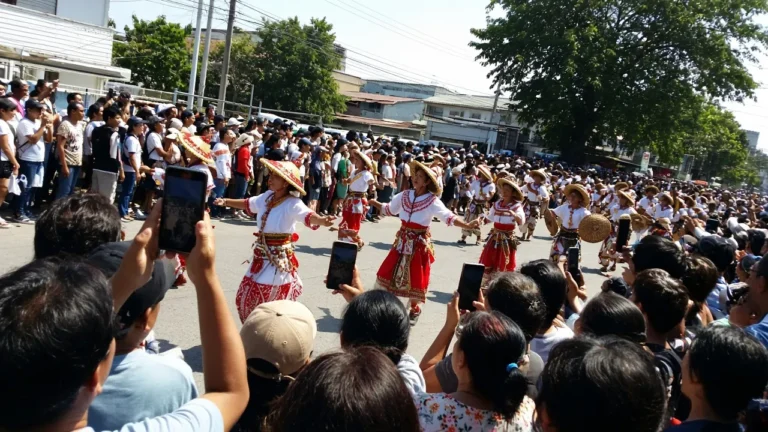
Consolacion, Cebu marked its 106th founding anniversary with the Sarok Festival on February 7, 2026, one day after the town’s original February 6 target date, delayed by bad weather. The event sits about 20 kilometers from Cebu City and centers on a single object: the sarok, a wide-brimmed farming hat woven from bamboo and dried banana leaves.
What started as a practical tool for rice farmers became Consolacion’s civic symbol. The Sarok Festival now blends that agricultural history with a founding-day celebration, folk dance, and a parade that draws visitors from across Cebu province.
At a Glance: Sarok Festival
| What to know | Details |
|---|---|
| Location | Consolacion, Cebu, Philippines |
| Timing | Around February 6, Consolacion’s founding date |
| 2026 parade date | February 7, 2026 (106th founding anniversary) |
| Named for | The sarok, a bamboo and banana-leaf farming hat |
| Signature dance | Miligoy de Cebu, performed with bamboo castanets |
| Craft center | Barangay Tulotulo, historic sarok-weaving village |
| Holiday status | Special non-working holiday since 2019 |
Key point
Consolacion was founded on February 6, 1920, confirmed by historians in 2018 after decades of uncertainty. The Sarok Festival now runs around that date rather than the varying schedules used in earlier decades.
What the Sarok Hat Actually Is
Sarok refers to a specific hat design: two to three layers of woven bamboo strips, waterproofed with dried banana leaves, shaped into a wide, flat brim that rises to a pointed center. Rice farmers wore it for shade and rain cover long before it became a festival symbol.
Production concentrated in Barangay Tulotulo, where weaving grew into a cottage industry after World War II. Sarok eventually reached export quality, and local weaving cooperatives, largely led by women, turned a household craft into steady income for entire families, work that continues in the same barangay today.
A Date That Took Decades to Settle
The festival’s schedule has moved more than once, and that history explains why older sources disagree about when it happens.
| Year | Event |
|---|---|
| 1920 | Consolacion separated from Mandaue under Governor Harrison’s executive order |
| 1996 | Councilor Avelino Gungob launched the first Sarok Festival |
| 2008 | Festival held in October, aligned with the feast of San Narciso |
| 2018 | Historians confirmed February 6, 1920 as the true founding date |
| 2019 | February 6 declared a special non-working holiday under Proclamation 658 |
| 2026 | 106th founding anniversary celebration on February 7, 2026, shifted one day for weather |
Note
An earlier version of this guide listed both February 14 and an October date without explaining which was current. Consolacion has since consolidated the celebration around February 6, its confirmed founding date, though the exact parade day can shift slightly for weather or scheduling.
The Miligoy de Cebu Dance
Miligoy de Cebu turns the sarok’s raw material into music. Dancers perform in pairs, holding bamboo castanets that click in rhythm as they move through choreography once reserved for weddings and christenings.
The dance predates the festival itself. Communities in Consolacion performed Miligoy de Cebu at social gatherings long before 1996, and organizers built the modern Sarok Festival parade around it rather than inventing a new performance from scratch.
- Dancers work in pairs, never solo, throughout the routine
- Bamboo castanets provide the rhythm instead of a full musical score
- Costumes often incorporate sarok-inspired shapes and natural fibers
- Local schools now run workshops to teach the steps to younger students
Tip
Watch for the Grand Ritual Showdown if you attend the parade. School-based contingents compete directly against each other in choreography, costume design, and live performance, which usually produces the festival’s sharpest routines.
From Farm Tool to Export Craft
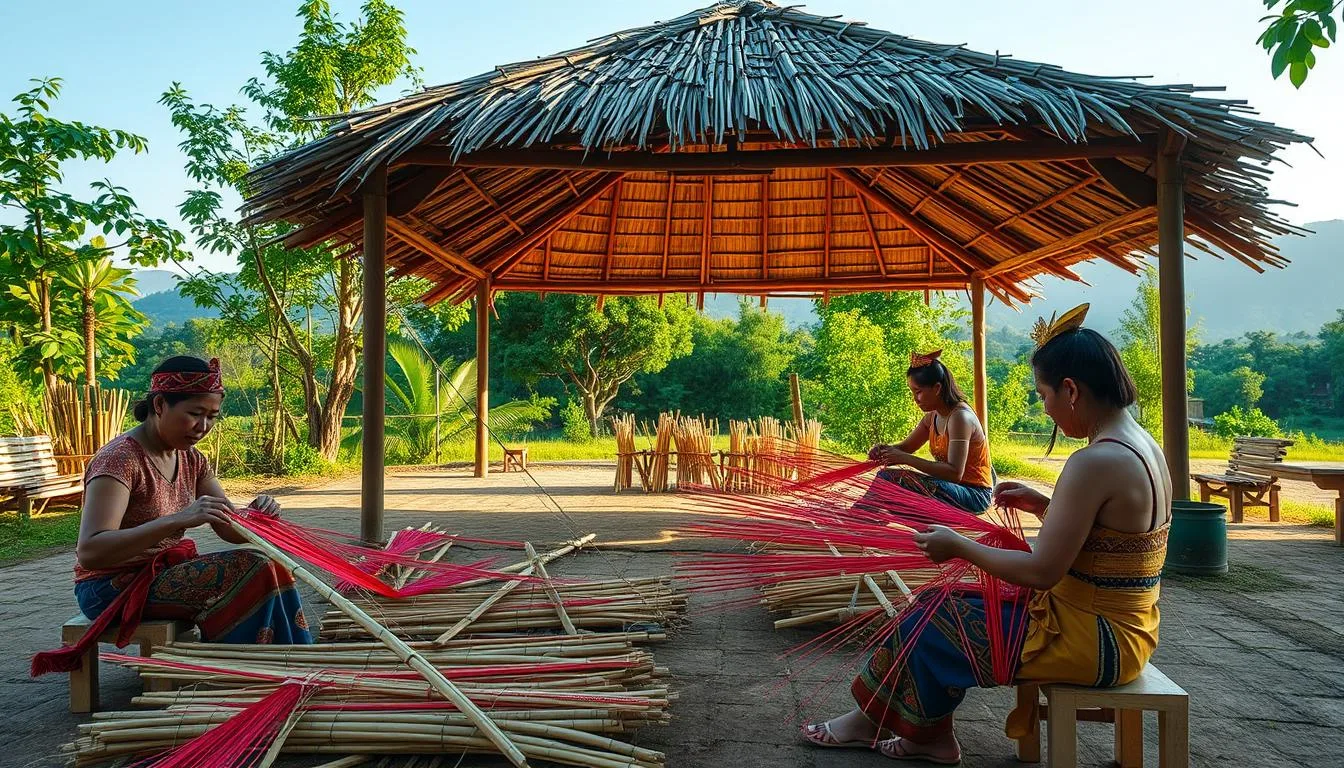
Weaving a sarok takes patience rather than expensive equipment. Artisans split bamboo into thin, even strips, then layer two or three of them with dried banana leaves sandwiched between for waterproofing. The finished hat is light enough to wear for a full day of fieldwork.
That simplicity made sarok easy to scale into a cottage industry once demand grew beyond Consolacion’s own farmers. Weaving cooperatives in Tulotulo, largely run by women, took the craft from a subsistence skill to a paying trade. Prices moved from a few centavos per piece decades ago to fair wages that reflect the time each hat takes to finish.
International exposure followed. Artisans demonstrated sarok weaving to visiting delegations at the 2011 Cebu Expo, presenting a farming tool as a piece of design worth exporting rather than a purely local necessity. That shift from utility object to cultural product mirrors what happened to the festival itself: a founding-day observance that grew into a province-wide draw.
Tip
Buy directly from Tulotulo weavers if you want an authentic sarok rather than a festival souvenir stall version. Prices are usually lower and the money goes straight to the artisans who still practice the craft daily.
How Sarok Festival Compares to Nearby Celebrations
Consolacion is one of several towns near Cebu City that anchors its festival in a single craft or founding milestone rather than a saint’s feast.
| Festival | Town | Central symbol |
|---|---|---|
| Sarok Festival | Consolacion | Bamboo and banana-leaf hat |
| Baliw-Baliw Festival | Cebu City (Barangay Mabolo) | Comic street performance |
| Sinulog Festival | Cebu City | Devotion to the Santo Nino |
Visitors who split a trip between Cebu City and Consolacion get a useful contrast: Sinulog’s religious scale versus a smaller town festival built entirely around a farming tradition still practiced a few kilometers away, with far smaller crowds and more direct access to the artisans themselves.
What Happens During the Festival
The Sarok Festival stacks several events into its parade day and the days around it, mixing competition with open celebration.
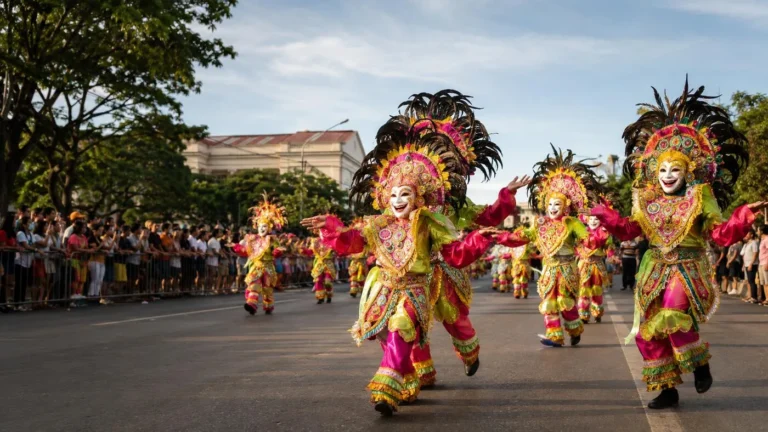
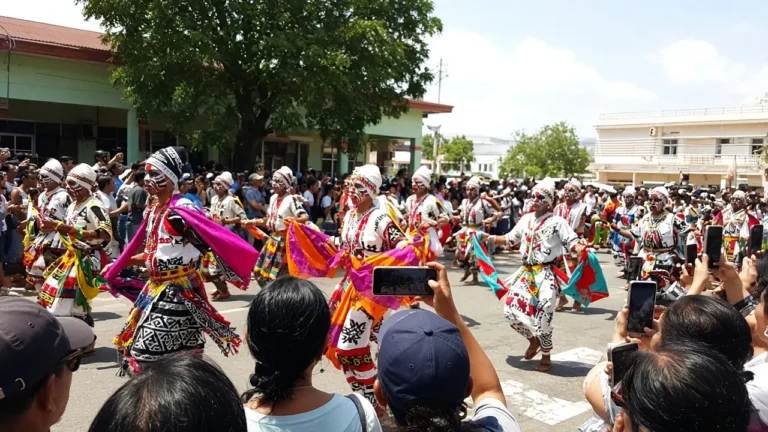
- Grand parade with floats built from bamboo and banana leaf materials
- Street dancing troupes performing the Miligoy de Cebu in coordinated groups
- Artisan and hat-making competitions judging weaving skill directly
- Sarok Festival Queen pageant, judging grace alongside cultural knowledge
- Trade fairs selling handwoven baskets, hats, and decor from local artisans
Tayud National High School dominated the 2026 competitions, winning the Grand Ritual Showdown, street dancing, and multiple design categories, while Othree A. Desierto of Tugbungan National High School was crowned that year’s Sarok Festival Queen, also taking Best in Solo Performance, Best in Costume, and Best in Production Number.
Planning a Visit
Consolacion sits close enough to Cebu City for a straightforward day trip, though the festival’s outdoor venues offer little shade during the parade.
- Bring a cap, umbrella, or sun protection since street events run in open areas
- Expect crowds along the parade route; arrive early for a clear viewing spot
- Bring cash for the trade fair, where many artisan stalls sell only in cash
- Check the municipal government’s page each year, since exact dates can shift
Public transport from Cebu City is straightforward. Buses and jeepneys running the Cebu City to Danao or Cebu City to Bogo routes pass directly through Consolacion, and the trip typically takes under an hour outside of festival-day traffic. Renting a private vehicle or booking a ride share works too, though street closures around the parade route mean walking the last stretch is often faster than driving through it.
Organizers have kept the event running even through bad weather, as the 2026 one-day shift showed. Expect the schedule to hold firm on the broader festival week even if a single event, like the grand parade, moves by a day.
A visit to Consolacion pairs easily with other Cebu-area celebrations. The Baliw-Baliw Festival offers another town-level Cebu fiesta nearby, and if you are building a longer trip, our roundup of things to do in Cebu City covers the province’s bigger draws, including the Sinulog Festival held every January.
Frequently Asked Questions
What is a sarok hat?
A sarok is a wide-brimmed hat woven from bamboo strips and waterproofed with dried banana leaves, traditionally worn by rice farmers in Consolacion, Cebu for protection from sun and rain.
When is the Sarok Festival held?
Consolacion now holds the Sarok Festival around its true founding date of February 6. The 2026 grand parade fell on February 7 after weather delayed the original February 6 schedule, marking the town’s 106th founding anniversary.
Has the Sarok Festival always been held in February?
No. The festival launched in 1996 and its date shifted over the years, including an October observance tied to the feast of San Narciso and a period fixed on February 14. It settled around February 6 after historians confirmed that as Consolacion’s true founding date.
What is the Miligoy de Cebu dance?
Miligoy de Cebu is a Consolacion folk dance performed by pairs of dancers holding bamboo castanets. Traditionally danced at weddings and christenings, it is now a signature performance during the Sarok Festival parade.
Where is sarok weaving still practiced?
Barangay Tulotulo in Consolacion remains the center of sarok weaving, a cottage industry that grew after World War II and once supported many local families as an export-quality craft.
For more Cebu town fiestas built around local craft and founding-day pride, browse our Philippine festivals hub.