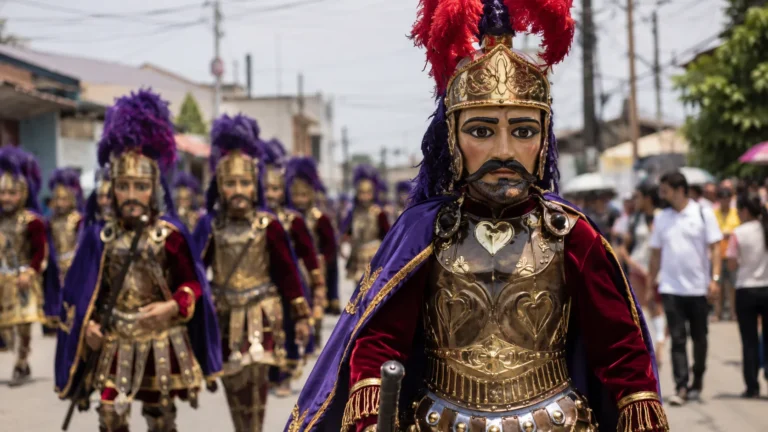
Pistay Dayat: Ultimate Guide to Pangasinan’s Pistay Dayat Festival
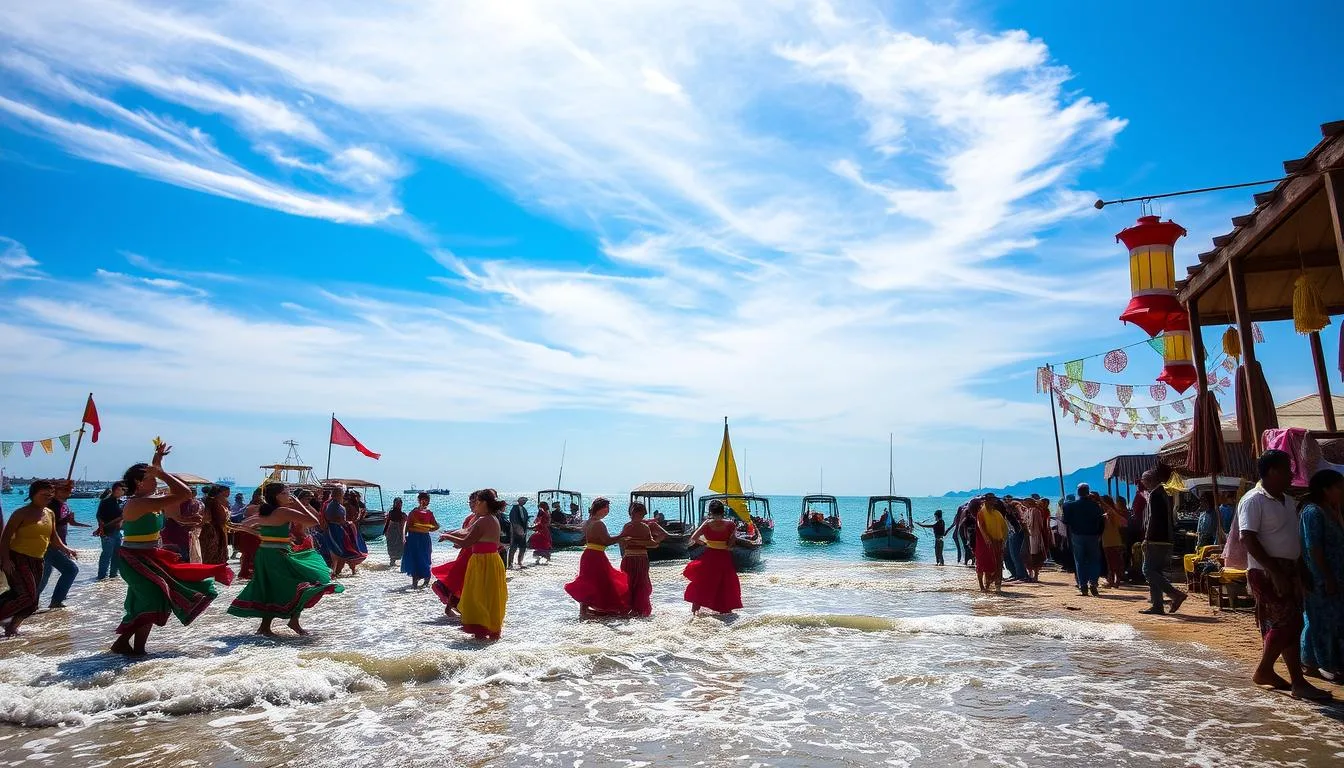
Every May 1, families crowd Capitol Beach in Lingayen, Pangasinan, before sunrise to wade into the Lingayen Gulf and give thanks for a year of good catch. That beach gathering sits at the center of Pistay Dayat, a month-long provincial festival built entirely around the sea and the people who make a living from it.
The name comes from two words: pista, borrowed from the Spanish word for festival, and dayat, which means sea in the Pangasinense language. Put together, the name translates to Feast of the Sea, and that is exactly what it celebrates: the Lingayen Gulf’s fish, the fisherfolk who depend on it, and the towns built along its shore.
This guide covers what the festival is, how it started, what happens during the festival month, and how the 2026 celebration changed because of a national energy emergency.
At a Glance
| Aspect | Details |
|---|---|
| Meaning | “Feast of the Sea,” from pista (festival) and dayat (sea) |
| Location | Pangasinan province, centered on the capital, Lingayen |
| Season | Month-long, April 5 through May 4 |
| Signature event | Banca Parada, a fluvial parade of decorated fishing boats |
| Beauty pageant | Limgas na Pangasinan |
| Nickname | The “Mother of All Festivals” of Pangasinan |
| Purpose | Thanksgiving for the Lingayen Gulf’s yearly catch |
| Peak day to visit | May 1, Capitol Beach, Lingayen |
What the Festival Celebrates
The festival began as an informal, summertime thanksgiving among fishing communities along the Lingayen Gulf, a body of water bordered by Pangasinan and La Union. The gulf feeds thousands of families through fishing, aquaculture, and trade, and the celebration exists to honor that livelihood.
Key point
Pistay Dayat is not a single-day event. It is a monthlong observance that opens on Pangasinan’s founding anniversary, April 5, and runs through the first days of May.
At its core, the festival asks one question every year: what did the sea provide this season, and who deserves thanks for it. Fisherfolk, boat owners, and coastal barangays answer that question through Masses, parades, and shared meals rather than through a single ceremony.
How the Festival Started
Long before it had a name, the festival existed as loose beach outings. Families from Lingayen and nearby coastal towns would gather to swim, trade catch, and mark the start of the fishing season together. Older residents in the province trace that habit back to the 1960s.
Provincial records place the first organized celebration in 1970, when local officials formalized the beach gatherings into a coordinated event and gave it the name Pista’y Dayat. By the late 1980s, the provincial government had expanded it into a monthlong festival, adding boat races and art competitions on top of the original beach thanksgiving.
Note
An older folk belief held that the seawater carried healing power on the day of the gathering, and that a dip could cure minor ailments. The belief predates the organized festival, but it is one reason the beach ritual has never been dropped from the schedule.
When the Festival Happens
The season opens every April 5, the date Pangasinan marks as its founding anniversary. Republic Act 11374 made April 5 a special working holiday in the province, officially called Pangasinan Day, and festival activities build from there through the following four weeks.
The celebration culminates around Labor Day, May 1, and typically wraps up by May 4 with a final round of beach clean-ups and trade fairs. Towns across the province schedule their own local festivals inside that same window, which is part of why the event carries the nickname “Mother of All Festivals.”
The Banca Parada and Other Signature Events
The Banca Parada is the festival’s best-known event: a fluvial parade of bancas, or motorized fishing boats, decorated with bright paint, banners, and local produce. According to the Philippine News Agency, the boats sail along the Limahong Channel of the Agno River, starting near Sitio Bantayan in Pangapisan and passing under the Domalandan bridge in Lingayen.
Beyond the parade, several other events fill out the festival calendar each year:
- Thanksgiving Mass on Capitol Beach, giving formal thanks for the gulf’s catch
- Limgas na Pangasinan, the province’s pageant, once known as “Beauty of the Sea,” which crowns titleholders in categories such as World, Grand, and Mutya
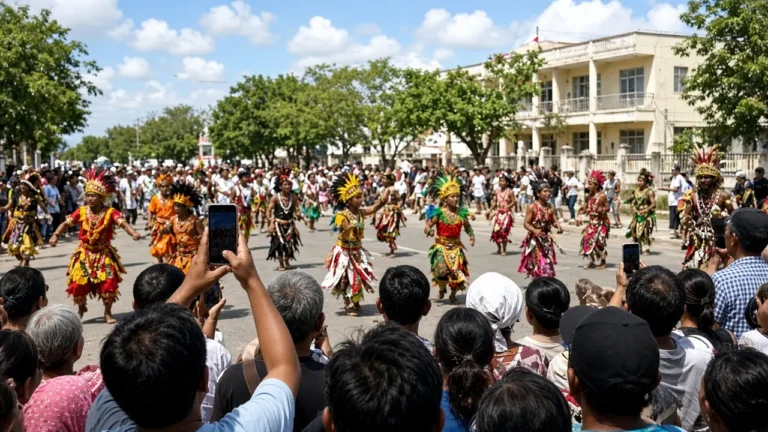
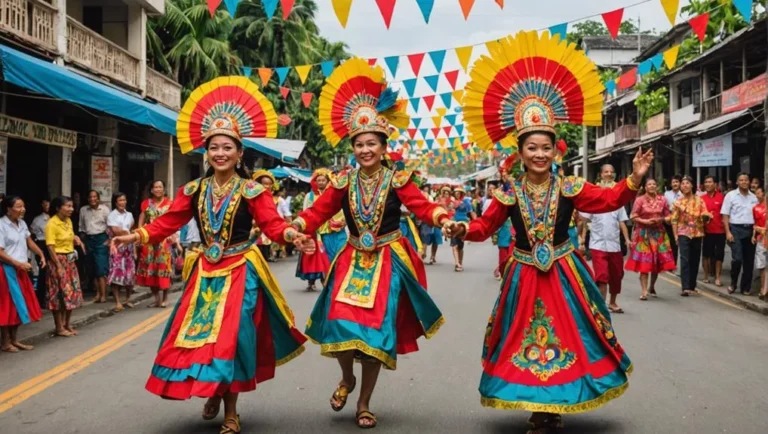
- Gayaga: Pangasinan Festival Street Dance Exhibition, where towns such as Alaminos, San Carlos, and Bani perform dances built around their own local festivals
- Lingayen Gulf coastal clean-up, usually held on the festival’s final day
- Agro-tourism trade fair, showcasing produce and crafts from across the province
Each participating town adds its own flavor. Alaminos brings its Hundred Islands theme, San Carlos brings mango and bamboo, and Bani brings watermelon, turning the street dance segment into a sampler of Pangasinan’s dozens of local fiestas performed in one place.
The 2026 Festival: Scaled Back for an Energy Crisis
The 2026 edition looked different from past years. A closure of the Strait of Hormuz disrupted global oil supply that year, and President Marcos declared a national energy emergency in March. In response, Governor Ramon V. Guico III said the province needed to cut back on festival spending to conserve fuel and redirect funds.
The province canceled the agro-trade fair and several nightly concerts. The Limgas na Pangasinan pageant still went ahead, but in a smaller, simpler format. Provincial First Lady Maan Tuazon-Guico, the festival’s honorary chairperson, called it a meaningful pause rather than a cancellation.
| Activity | Typical Years | 2026 |
|---|---|---|
| Street dance | Full parade competition | Simplified exhibition only |
| Agro-trade fair | Held through early May | Cancelled |
| Limgas na Pangasinan | Full stage production | Smaller, intimate format |
| Nightly concerts | Multiple towns, most nights | Scaled back |
| Beach thanksgiving | Held on Capitol Beach | Still held, May 1 |
The core beach thanksgiving still drew crowds. By 6 a.m. on May 1, 2026, families had already gathered at Capitol Beach in Lingayen, with coast guard and medical teams standing by for safety, proof that the ritual at the heart of the celebration survived even a tightened budget.
Tip
If a future edition is scaled down again, the beach thanksgiving and Banca Parada are the events least likely to be cut. Plan around those two if your travel dates are flexible.
How to Experience the Festival
Visitors get the fullest picture of the festival by spending at least one full day in Lingayen during the last week of April or the first days of May, when most of the signature events overlap.
- Watch the Banca Parada from the Domalandan bridge or the riverbank near Bugallon for the clearest view of the boats
- Join the beach thanksgiving Mass early, since the shoreline fills quickly by mid-morning
- Try fresh seafood and bagoong from stalls along the coast, caught from the same gulf the festival honors
- Check the street dance schedule, since each town’s segment runs only once
- Book accommodation in Lingayen or Dagupan well ahead, since rooms fill fast during the festival’s final week
May is peak Philippine summer heat, so sun protection and water matter as much as a festival schedule.
Beyond Lingayen: Pangasinan’s Wider Sea Culture
The festival is the province’s largest sea celebration, but it is not the only one. Dagupan City holds its own Bangus Festival around the same season, celebrating the milkfish farming that supports thousands of local jobs. Both festivals draw from the same coastal economy, even though they crown different mascots.
Alaminos, on the western side of the province, ties its own festivities to the Hundred Islands Festival, and its dancers regularly perform during the street dance segment. Further along the same coastline, the Lingayen Gulf Landing anniversary each January marks a very different chapter of local history, the 1945 Allied landing that helped liberate the Philippines, but it shares the same shoreline honored every spring.
Conclusion
The festival has grown from informal beach outings into a monthlong provincial event, but its core has not changed. Fishing families still gather on the sand every May 1 to thank the Lingayen Gulf for another year’s catch, whether that thanks comes with a full concert lineup or, as in 2026, a quieter, more focused celebration.
Pistay Dayat remains the clearest window into how Pangasinan sees itself: a province shaped by the sea first and everything else second. Readers planning a wider trip through the region’s festival calendar can start with our guide to Philippine festivals, which maps out when and where each major celebration happens.
Frequently Asked Questions
Is Pistay Dayat the same as the Bangus Festival?
No. The festival is a province-wide thanksgiving for the Lingayen Gulf, centered on Lingayen. The Bangus Festival is a single-city celebration in Dagupan built around milkfish farming. Dagupan’s own festivities usually fall inside the wider Feast of the Sea season.
What is the best day to watch the Banca Parada?
The Banca Parada is usually the culminating event on or around May 1. Spectators line the Limahong Channel near the Domalandan bridge in Lingayen for the clearest view of the decorated boats passing by.
Do visitors need to pay to join festival activities?
Most festival events, including the beach thanksgiving, the Banca Parada, and the street dance exhibition, are free and open to the public. Some grandstand seating for the pageant coronation night may require tickets in a given year.
How is Pistay Dayat different from Pangasinan’s founding anniversary?
April 5 marks Pangasinan’s founding anniversary, also called Pangasinan Day, and it opens the festival season. The Feast of the Sea itself is the broader, monthlong sea-thanksgiving celebration that follows, running through early May.
Was Pistay Dayat cancelled in 2026?
It was not cancelled outright. The provincial government scaled back concerts, the agro-trade fair, and other spending in 2026 because of a national energy emergency, but the core beach thanksgiving and a simplified Limgas na Pangasinan pageant still took place.