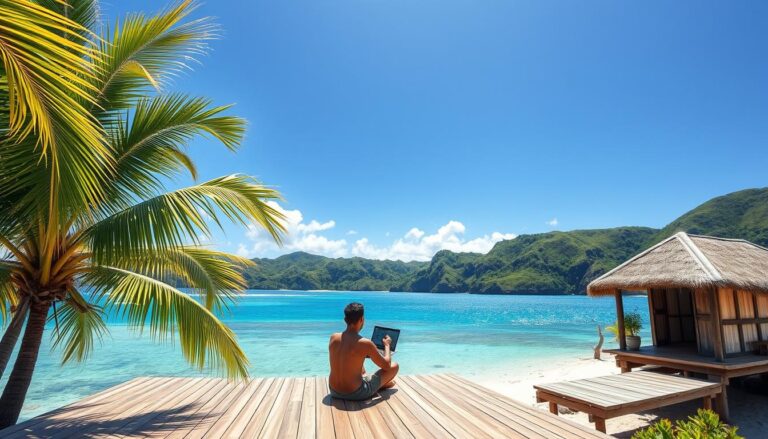
Islands, Internet, and Inspiration in the Philippines
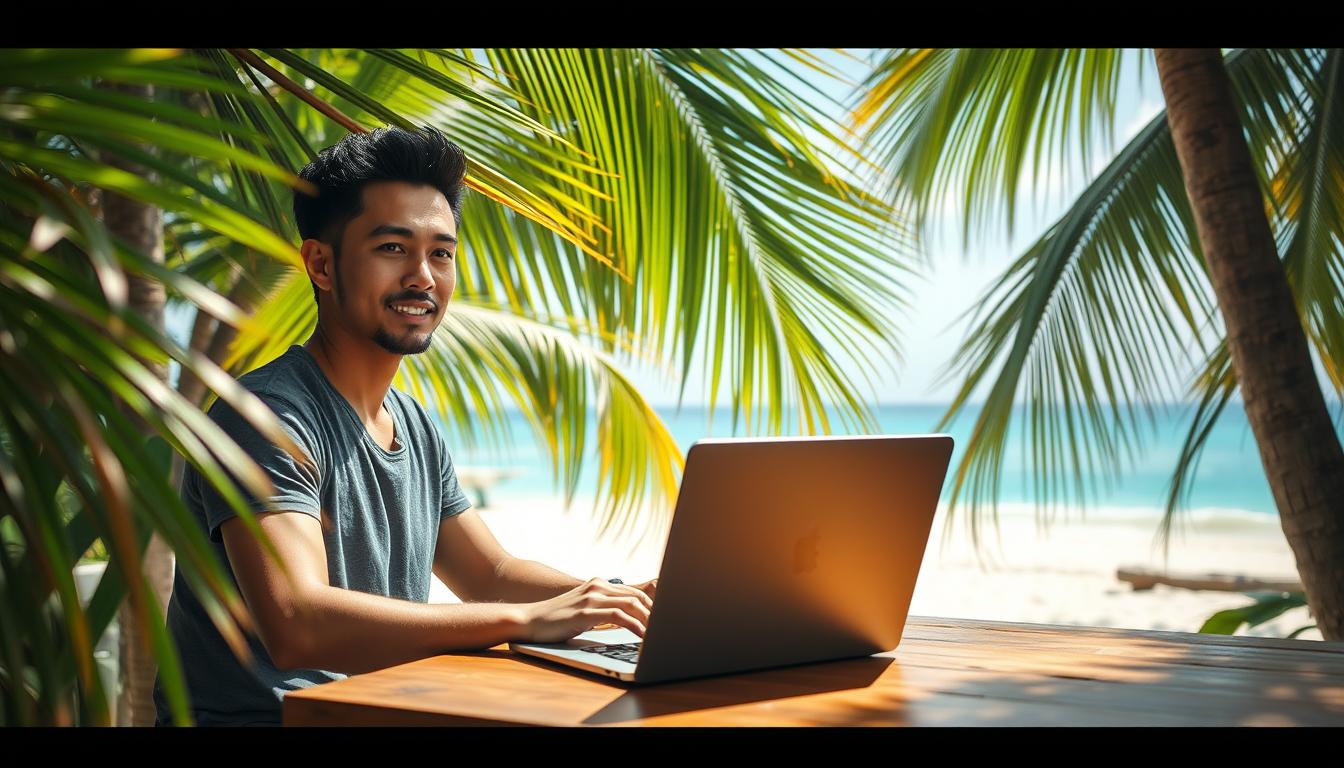
Welcome to your complete guide for exploring the Philippines as a digital nomad. This is where tropical paradise blends with modern remote work. It’s one of Southeast Asia’s most captivating countries.
This nation boasts over 7,000 islands. You’ll find stunning scenery and incredibly warm people. A growing community of remote workers is thriving here every day.
Our guide covers everything you need. We discuss internet solutions and the best coworking spots. You’ll learn about visa rules and get insider tips for an amazing experience.
Whether you love white sand beaches or vibrant city life, this country delivers. It offers a unique mix of natural beauty and practical infrastructure for nomads from across the world.
We’ll walk you through potential challenges, like internet speeds and tropical weather. We also highlight the fantastic advantages that make this place a hidden gem.
Get ready to explore a destination where English is common. The cost of living is affordable. Every island has its own distinct character and charm.
This guide comes from real stories of digital nomads who’ve lived and worked here. We give you honest advice and actionable insights for your journey.
Key Takeaways
- The Philippines offers a unique blend of tropical beauty and modern amenities for remote workers.
- With over 7,000 islands, there is a diverse range of landscapes and communities to discover.
- Internet connectivity and coworking spaces are developing rapidly to support the digital nomad lifestyle.
- Understanding visa requirements is a crucial first step for a long-term stay.
- The country is known for its affordability and widespread use of English.
- Real experiences from other nomads provide valuable, practical advice for planning your trip.
- This guide aims to prepare you for both the challenges and the incredible rewards of working remotely there.
Introduction: Embracing Your Ultimate Guide
Your adventure begins here with insights into the unique cultural landscape that awaits digital workers in this tropical paradise. This guide provides essential knowledge for navigating both opportunities and challenges.
Overview of the Filipino Experience
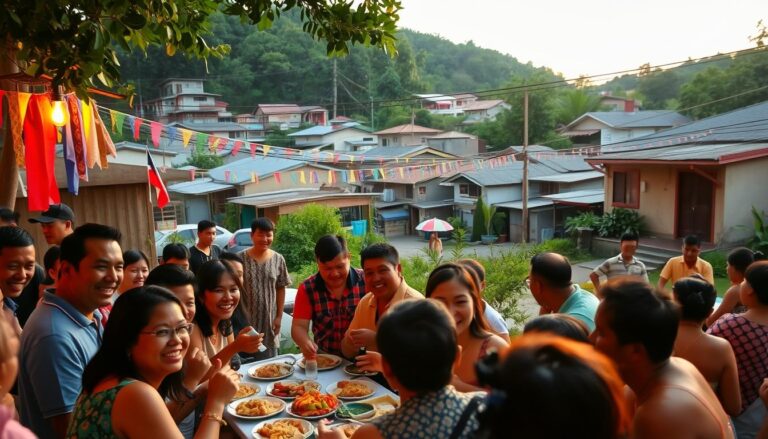
Filipinos are renowned for exceptional hospitality that makes visitors feel instantly welcome. With over 100 million people, the country offers a warm reception unlike any other in Southeast Asia.
English proficiency stands out immediately. Most locals speak with a slight American accent, often using “Sir” or “Ma’am.” This eliminates language barriers common in neighboring countries.
The local experience involves genuine curiosity about your travel stories. People take pride in helping newcomers feel at home through smiles and helpful directions.
| Aspect | Filipino Experience | Other Southeast Asian Countries |
|---|---|---|
| Language Barrier | Minimal – High English proficiency | Moderate to High |
| Hospitality Level | Exceptionally warm and friendly | Varies significantly |
| Cultural Adaptation | Easy blend of Asian and Spanish influences | More homogeneous cultures |
| Nomad Infrastructure | Rapidly growing community support | Established but less personal |
What to Expect as a Digital Nomad
Your time as a nomad involves balancing some challenges with incredible rewards. Internet speeds may vary, and tropical weather requires adaptation.
However, affordability and natural beauty create an ideal environment. The growing community of digital nomads ensures you’ll find support and networking opportunities.
Daily life ranges from bustling cities to peaceful island retreats. You’ll embrace a relaxed pace while appreciating unique cultural blends. This makes the experience truly special for remote professionals.
Why the Philippines is a Great Nomad Destination
Unlike heavily touristed neighbors, this destination offers digital workers pristine environments with minimal foreign visitor saturation. You’ll discover authentic cultural experiences without the crowds found in popular spots like Thailand or Bali.
Warm Hospitality & Friendly Locals
Filipino hospitality stands out for its genuine warmth and helpfulness. Locals often go beyond polite service to ensure visitors feel truly welcome.
The high English proficiency eliminates communication barriers common in other travel destinations. This makes daily interactions smooth and enjoyable for any digital nomad.
| Experience Factor | Philippines | Thailand/Bali |
|---|---|---|
| Tourist Crowds | Minimal presence | Often overwhelming |
| Authentic Encounters | Frequent and genuine | Commercialized |
| Local Friendliness | Exceptionally warm | Varies by location |
| Cultural Immersion | Deep and accessible | Surface-level often |
Breathtaking Scenery and Untouched Islands
The country features amazing natural beauty across thousands of islands. You’ll find limestone cliffs, hidden lagoons, and pristine beaches that rival any destination.
With so many places to explore, there’s a lot of variety for every type of traveler. The tropical climate maintains perfect temperatures year-round for outdoor activities.
Now represents the ideal time for nomads to experience these hidden gems before mass tourism arrives.
This makes it perfect for digital nomads seeking inspiration from untouched landscapes. You can work surrounded by nature that feels both exotic and peaceful.
Islands, Internet, and Inspiration in the Philippines
Navigating the remote work lifestyle here hinges on understanding three core components. These elements define both the incredible rewards and the practical realities you will face.
The stunning natural beauty provides endless motivation. From Siargao’s famous surf breaks to Palawan’s hidden lagoons, countless places offer adventure during your free time. This scenic backdrop is a powerful source of creativity for any nomad.
However, connectivity remains the primary hurdle for digital nomads. The country ranks 89th globally for broadband speed. Service can be unreliable, especially on remote island locations where blackouts are frequent.
This challenge requires a strategic approach to your work. Choosing accommodations with proven internet reliability is crucial. Expecting to work seamlessly from a secluded beach is often unrealistic.
| Location Type | Inspiration Level | Internet Reliability | Best For |
|---|---|---|---|
| Major Cities (e.g., Manila, Cebu) | Moderate (Urban energy) | High | Core work weeks |
| Developed Islands (e.g., Boracay) | High (Beach lifestyle) | Moderate | Blended work/leisure |
| Remote Islands | Very High (Pristine nature) | Low | Weekends & downtime |
Many find that slower speeds reduce distractions, fostering deeper focus. The cultural immersion and friendly locals often outweigh temporary internet frustrations. Balancing city bases with island trips is a popular, successful strategy.
Mastering Internet Connectivity and Coworking Spaces
A successful remote work experience depends on strategic connectivity planning. You need reliable solutions for productive days.
Overcoming Slow Internet Challenges
Smart connectivity strategies make all the difference. Start with a SMART SIM card offering 8GB for 500 pesos.
This backup lasts 7-12 days when WiFi fails. Manila provides the best internet connection, especially in Makati and BGC areas.
Cebu’s IT Park also delivers fast service. Using a VPN adds security but slows speeds further.
Finding Reliable Cafés and Professional Workspaces
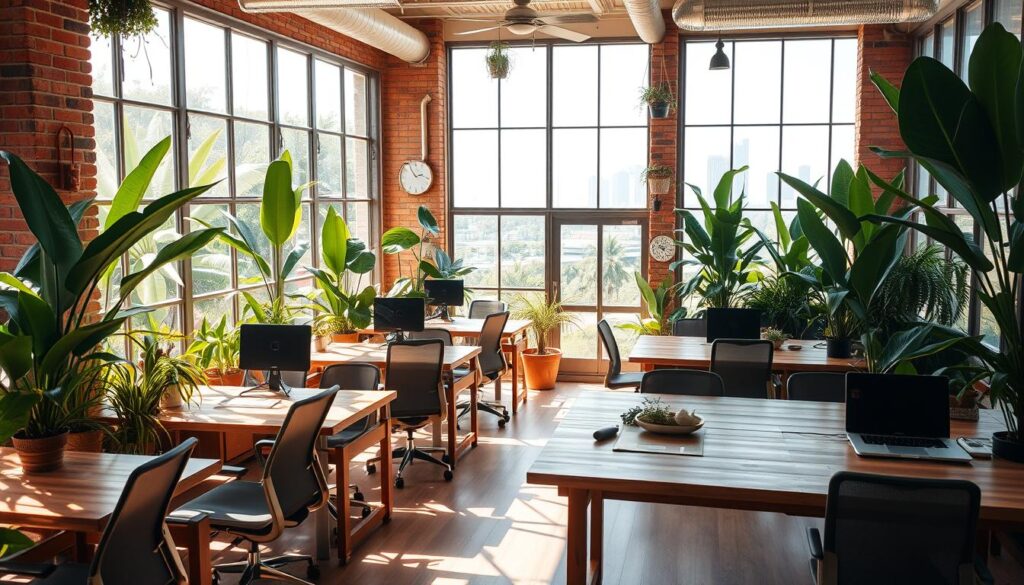
Quality coworking spaces offer the best environment for focused work. Common Ground Rockwell in Makati provides day passes from 700 PHP.
In Cebu, Murals Hostel & Cafe serves as an excellent base. Coffee Bay in IT Park operates 24/7.
For cafes, Cartel Coffee Deli in Manila stands out. Avoid Starbucks with their 60-minute WiFi limits.
Always check accommodation reviews for internet quality before booking. This ensures your work gets done efficiently.
Setting Up Your Business and Legal Essentials
Getting your legal setup right is crucial for a smooth digital nomad philippines experience. This involves understanding visa rules and business regulations before you arrive.
Most Western passport holders receive a 30-day visa waiver upon arrival. This gives you time to explore the country before committing to longer stays.
Visa Options and Digital Nomad Permits
For extended stays, a 6-month visa extension costs around $200 USD. This functions as a temporary permit for remote workers.
The groundbreaking digital nomad philippines visa approved in April 2025 allows stays up to 2 years. Holders aren’t considered tax residents for foreign-earned income.
Overstaying carries steep penalties, nearly $100 USD even for one day. Always maintain valid documentation to avoid immigration issues.
Starting a Business and Tax Considerations
Establishing a business here can cost as little as $125 for the necessary visa. The country ranks among the world’s top outsourcing locations.
If you stay beyond 6 months, you’ll enter the local tax system. Consult a tax advisor to structure your finances properly.
This makes the Philippines an attractive destination for nomad philippines professionals seeking both adventure and business opportunities.
Affordable Living: Food, Groceries, and Dining Out
The culinary landscape offers both incredible value and unique flavors that make everyday dining an adventure. You’ll discover that meal costs represent one of the biggest advantages for your budget.
Exploring Local Cuisine and Street Food
Filipino food centers around bold flavors with heavy use of vinegar, lemon soups, and roast meats. The famous lechon (roast pork) and ubiquitous buffets offer ridiculously cheap prices.
Street food costs roughly double what you’d pay in Thailand. However, mid to high-end restaurants provide exceptional value. This makes dining out very affordable.
Vegetarians might find options limited since fried meat dominates the scene. But keeping an open mind leads to delicious discoveries.
Budget-Friendly Supermarkets and Dining Tips
Grocery prices compare favorably with Thailand, Ukraine, and Georgia. Major supermarket chains operate in every city across the country.
Finding accommodations with decent kitchens can be challenging. Many remote workers simply eat out given the low cost. Wine lovers will appreciate European-level prices, unlike elsewhere in Southeast Asia.
This place offers a lot of value for your dining dollar. The affordable restaurants and accessible groceries make daily life surprisingly economical.
Finding the Right Accommodation
Finding the perfect base requires careful consideration of location, amenities, and connectivity. Your choice will directly impact your work productivity and daily comfort.
Short-Term Hotels vs. Long-Term Rentals
Hotels often provide better value for short stays. Agoda typically offers superior prices compared to Airbnb throughout Asia.
For extended periods, contact local agents to negotiate rental deals. The quality-to-price ratio for apartments in Manila and Cebu falls below cities like Bangkok.
Manila’s dense population explains higher costs. Yet condos sell for under $80,000 in nice neighborhoods.
How to Secure Reliable WiFi in Your Stay
A stable internet connection is non-negotiable for remote work. Always read reviews on Agoda, Booking.com, and Hostel World.
Look for specific comments about connectivity. Some places have no service zones where work becomes impossible.
Popular hostels often have the worst WiFi due to heavy usage. Simple guesthouses may offer better speeds with fewer users.
Make sure to verify kitchen facilities if you plan to cook. Finding accommodation with decent cooking spaces can be challenging.
Staying Connected: Cellphones, SIM Cards, and Communications
Mobile connectivity presents both challenges and opportunities for remote professionals. You’ll need realistic expectations about service quality across different regions.
Cellphone coverage faces the same issues as fixed-line internet. Frequent blackouts and slow connections can disrupt your work day. Never depend on telecommunications for mission-critical business deadlines.
Tips for Purchasing Local SIM Cards and eSIMs
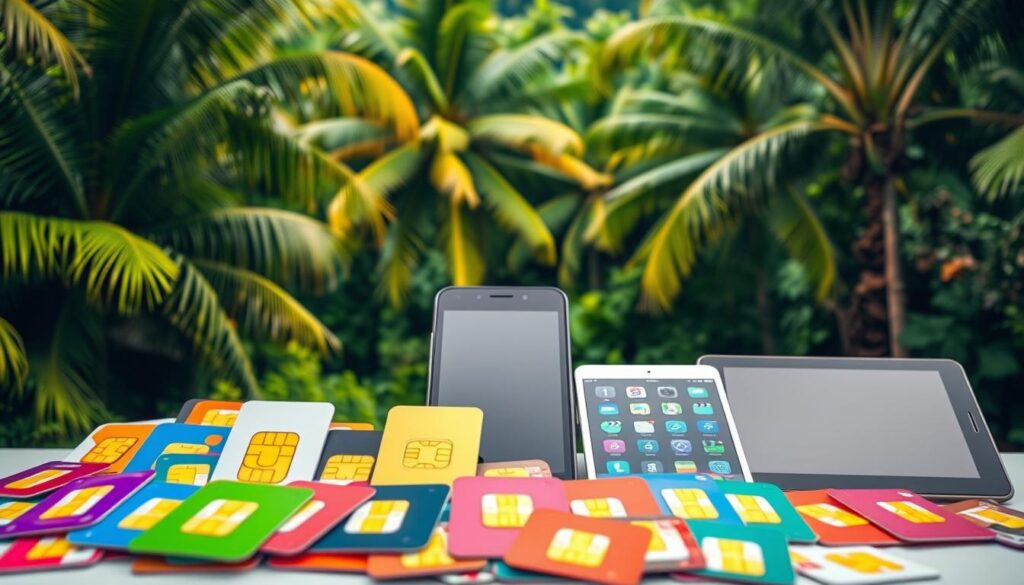
A local SIM card is essential since WiFi isn’t always reliable. It provides crucial backup when accommodation internet fails. This lets you hotspot your laptop during critical work times.
Choose SMART SIM cards over Globe providers. Both use the same infrastructure, but SMART typically offers better package deals. Their service tends to be slightly more consistent over time.
Make sure to buy your SIM at SM Mall rather than airports. City retail prices are significantly lower. An 8GB package costs 500 pesos and lasts 7-12 days depending on usage.
Check iMoney for current pricing comparisons. Monthly prepaid cards offer better value than pay-as-you-go options. Avoid international roaming – local SIMs are too affordable to justify roaming costs.
eSIM technology represents the latest connectivity trend. Services like Airalo provide virtual SIM cards with pre-loaded data. These work in 200+ countries and offer seamless switching for frequent travelers.
Despite having backup options, remember the infrastructure limitations. Plan important calls and uploads for times when connectivity is most stable.
Bridging Language and Cultural Gaps
The ease of daily interactions stands out immediately as you navigate life among the local population. Most people speak English with surprising fluency, often with a slight American accent that feels familiar.
Learning Basic Tagalog for Daily Life
Picking up a few Tagalog phrases transforms your experience. Locals genuinely appreciate foreigners making the effort. The language is easier than most Asian tongues.
Tagalog uses a Latin alphabet and has no complex tones. You can read signs and learn basic greetings quickly. The language blends Asian, Spanish, and English influences.
Even simple words like “salamat” (thank you) or “maganda” (beautiful) create instant connections. People respond warmly to these small efforts.
Embracing the Local Cultural Nuances
Cultural adaptation involves appreciating the slower pace of life. Relationships matter more than rigid schedules here. This approach takes some time to embrace fully.
Customer service approaches US standards, with respectful “Sir” or “Ma’am” usage. Younger professionals and entrepreneurs speak superb English.
Spending a lot of time listening to local conversations reveals charming musical qualities. Radio hosts often sound amusing to English ears. These nuances make daily life rich and engaging.
Understanding Pollution and Environmental Considerations
The quality of your daily experience is significantly influenced by environmental factors across different regions. Major urban centers present unique challenges that require awareness and planning.
Large metropolitan areas like Manila, Cebu, and Davao face traffic congestion issues. Exhaust fumes create noticeable pollution at street level during peak hours.
Dealing with Urban Congestion and Air Quality
Industrial activity affects water quality near urban zones. Swimming in lakes close to big cities is not recommended for safety reasons.
Surprisingly, official data shows good air quality most of the time. The Air Visual app reports “good” conditions about 90% of the time. This matches Western European standards.
The country’s geographic position works in its favor environmentally. Pacific winds naturally disperse pollution away from populated areas. This prevents smog accumulation common elsewhere.
Moving just 30-40 minutes from city centers dramatically improves conditions. Surrounding islands and elevated areas like Baguio offer consistently clean air. This makes escaping urban pollution easy when needed.
Building Your Digital Nomad Community
Connecting with fellow remote professionals involves bypassing conventional meetup platforms entirely. Traditional methods that work in established hubs often fail here.
You need a more hands-on approach to build your network. The community infrastructure is still developing compared to popular nomad destinations.
Joining Local Meetups and Coworking Networks
Apps like Meetup prove surprisingly ineffective in major cities. You’ll find few events listed compared to other locations.
Internations gatherings occur infrequently. Relying solely on these platforms leaves many digital nomads feeling isolated.
The most reliable strategy involves visiting physical coworking spaces regularly. These locations naturally attract remote workers seeking productive environments.
Leveraging Online Forums and Social Groups
Active participation in specialized Facebook groups provides essential connections. These communities share valuable local knowledge and organize events.
Recommended groups include Digital Nomad Philippines for general advice. City-specific options like Cebu Digital Nomads offer targeted information.
Reddit Philippines and Twitter also serve as useful networking tools. These platforms help you tap into existing nomad networks before arriving.
| Networking Method | Effectiveness Rating | Best For | Time Investment |
|---|---|---|---|
| Coworking Space Visits | High | Immediate Connections | Regular Attendance |
| Facebook Groups | High | Pre-arrival Planning | Daily Checking |
| Reddit Communities | Medium | Niche Advice | Weekly Engagement |
| Meetup App | Low | Limited Options | Minimal Returns |
Combining physical presence with online engagement creates the strongest community foundation. This approach helps you build meaningful relationships with both local people and fellow nomads.
Prioritizing Health, Fitness, and Wellbeing
Your health and fitness routine doesn’t need to suffer when embracing the digital nomad lifestyle in this Southeast Asian nation. Maintaining wellness supports both your productivity and enjoyment of the experience.
Access to Gyms, Yoga, and Wellness Centers
Most towns offer gyms and CrossFit boxes for your fitness needs. Manila features excellent yoga studios with experienced instructors.
Classes maintain high standards with affordable weekly or monthly rates. This makes it easy to stay active during your day while balancing remote work commitments.
Beyond formal facilities, the natural environment encourages active lifestyles. You’ll find endless opportunities in beautiful places for swimming, hiking, and outdoor activities.
Securing Affordable Medical Care and Insurance
Medical professionals speak perfect English and provide quality care matching Western standards. Dental checkups and procedures cost about one-quarter of US prices.
Despite lower costs, comprehensive travel insurance remains essential. Quality insurance protects against unexpected emergencies while offering peace of mind.
Providers like Heymondo offer affordable coverage designed for digital nomads. This ensures you’re protected during all your adventures abroad.
Exploring Major Cities: From Manila to Cebu
Each metropolitan hub offers unique advantages for balancing productivity with exploration. These urban centers provide distinct lifestyles for location-independent professionals.
Manila serves as the economic heart with towering buildings and extensive shopping malls. Base yourself in Makati or BGC for vibrant nightlife and reliable connectivity. This bustling capital provides easy access across the country.
Cebu occupies a sweet spot as the second-largest urban area. It features modern amenities while being centrally located for island hopping. The surrounding waters offer world-class diving opportunities.
Siargao has emerged among the best places for surf enthusiasts. Cloud 9 delivers legendary waves alongside growing coworking infrastructure. Excellent restaurants and bars complement the laid-back atmosphere.
| Destination | Primary Focus | Work Environment | Leisure Activities |
|---|---|---|---|
| Manila | Business & Connectivity | High-speed internet | Urban nightlife |
| Cebu | Island Access | Strong nomad community | Diving & snorkeling |
| Siargao | Surf Lifestyle | Growing coworking spaces | Beach relaxation |
| Palawan | Natural Beauty | Adequate facilities | Lagoon exploration |
| Boracay | Luxury Resorts | Social workspaces | Beach parties |
| Baguio | Mountain Climate | Festival community | Hiking adventures |
Palawan showcases stunning natural scenery with limestone cliffs and hidden lagoons. El Nido provides peaceful beach bases with adequate work facilities. This destination appeals to nature-loving nomads.
Boracay caters to those seeking luxury resorts combined with lively social scenes. Baguio offers cool mountain temperatures and hosts an annual Digital Nomad Weekend Festival.
Conclusion
Looking back on your time working remotely in this tropical nation, certain themes emerge that define the unique appeal for location-independent workers. This country stands as one of Southeast Asia’s most rewarding destinations for digital nomads.
The combination of stunning beach landscapes and affordable living creates an ideal environment. While infrastructure challenges exist, they’re far outweighed by the incredible experience.
Make sure to research accommodation thoroughly and invest in quality SIM cards. The best places balance urban productivity with island exploration.
This emerging destination offers nomads a special way to blend work and adventure. The welcoming culture and diverse islands make every travel day memorable.
For digital nomads seeking authentic Southeast Asia experiences, this country delivers unforgettable moments. The things you’ll discover here will transform your remote work journey.