Festivals in Mindanao: The Complete Regional Guide
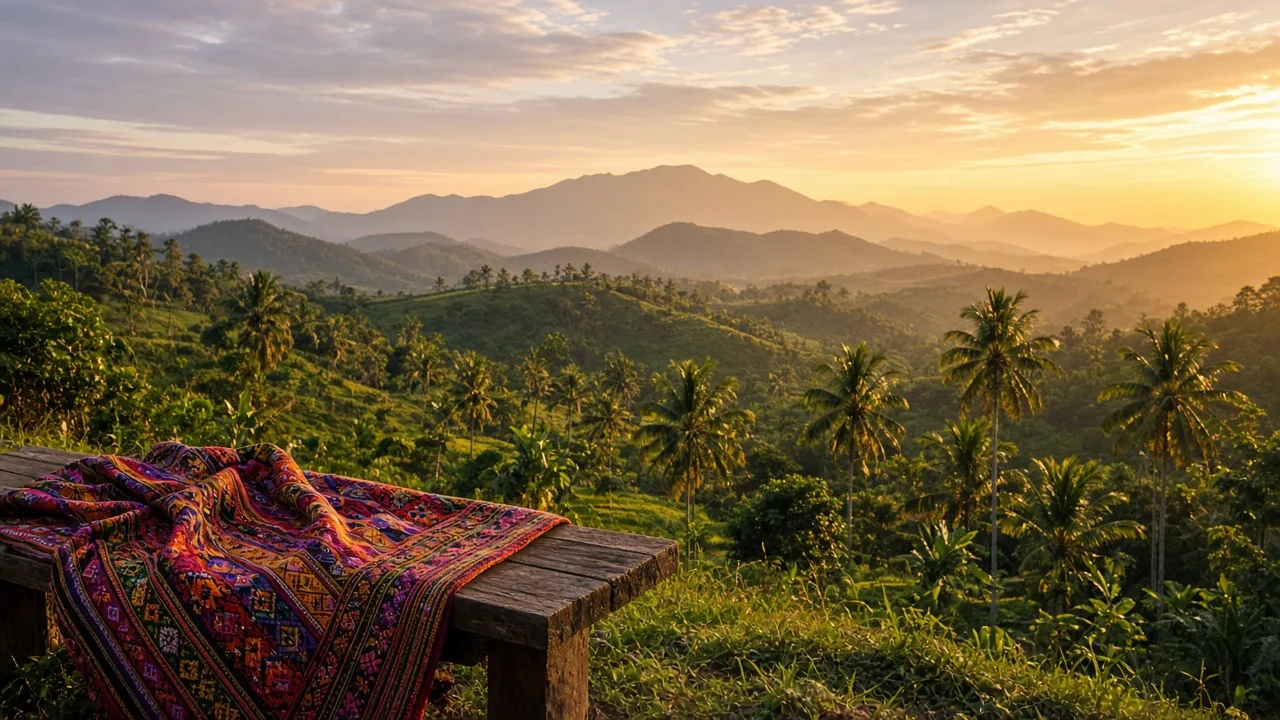
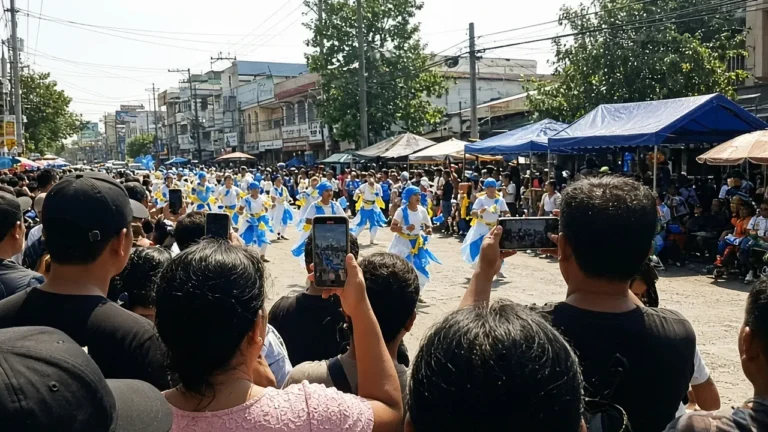
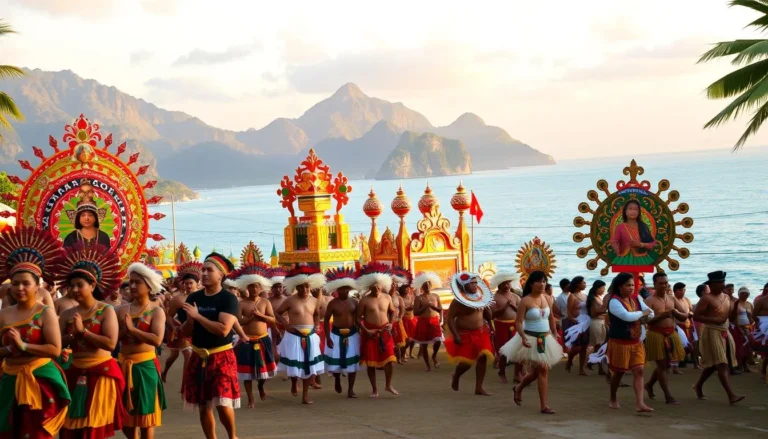
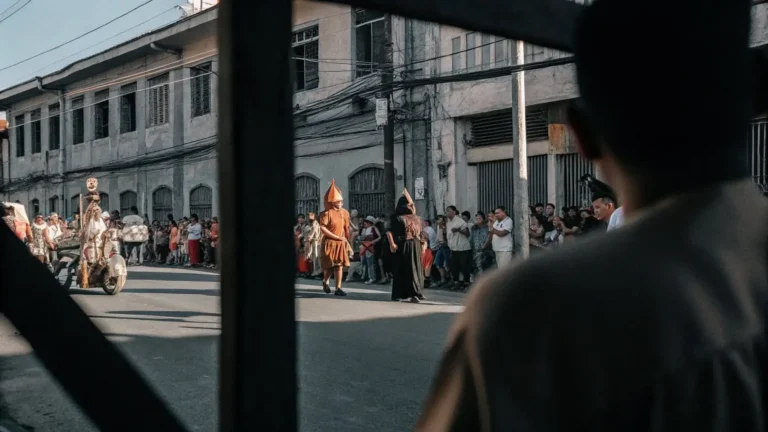
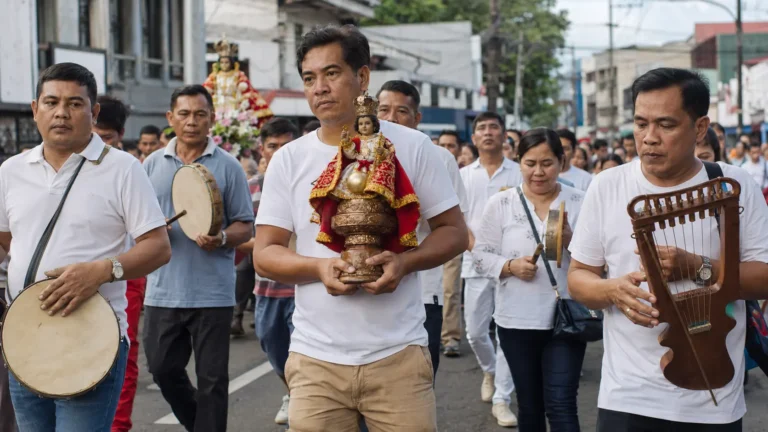
Mindanao does not have one festival season. August thanksgiving in Davao feels different from a July founding week in South Cotabato, a September tuna celebration in General Santos, or a highland gathering in Bukidnon. Some events centre on Indigenous arts and harvest. Others honour an industry, a patron saint, or a city charter. Treating them as one “Mindanao party” misses the point.
This hub rolls up festivals that already have Festive Pinoy guides. It gives usual timing and place for planning, then sends you to the full article for history, etiquette, and the latest confirmed edition. Exact parade days, venues, and fees change. When a 2026 or 2027 date is not locked by the host city, we say so.
Mindanao festivals at a glance
| Festival | Usual timing | City / area | Guide |
|---|---|---|---|
| Kaamulan Festival | Often late February through March or April (confirm each year) | Malaybalay, Bukidnon | Kaamulan guide |
| Kalilangan Festival | February (city programme varies) | General Santos City | Kalilangan guide |
| T’nalak Festival | July, anchored on 18 July foundation anniversary | Koronadal, South Cotabato | T’nalak guide |
| Kadayawan Festival | A week in August, often mid to late month | Davao City | Kadayawan guide |
| Higalaay Festival | August city programme (check Cagayan de Oro notices) | Cagayan de Oro | Higalaay 2026 updates |
| Tuna Festival | September (exact days set yearly) | General Santos City | Tuna Festival guide |
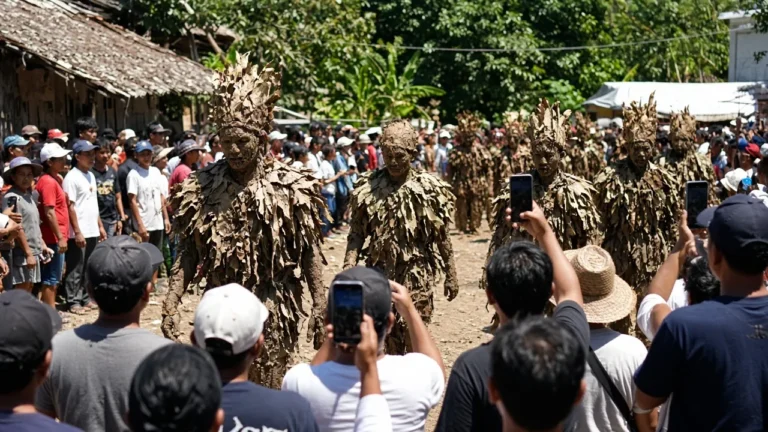
| Bonok-Bonok Festival | Early September around the city feast and charter period | Surigao City | Bonok-Bonok guide |
| Sibug-Sibug Festival | Confirm with Zamboanga Sibugay LGU each year | Zamboanga Sibugay | Sibug-Sibug guide |
| Regatta de Zamboanga | Confirm with Zamboanga City each edition | Zamboanga City | Regatta guide |
| Kadagayaan Festival | Confirm with Davao del Norte notices | Davao del Norte | Kadagayaan guide |
| Sambuokan Festival | Confirm with Mati / Davao Oriental notices | Mati area, Davao Oriental | Sambuokan guide |
For a month-by-month national view, use the complete Philippine festival guide. This page stays focused on Mindanao destinations and how they differ.
Why Mindanao festivals feel so different from each other
Mindanao is large. It includes highland provinces, major ports, river cities, and communities with distinct Indigenous, Moro, and settler histories. A festival that celebrates T’boli weaving is not the same kind of event as a tuna-industry week or a Santo Niño linked city fiesta elsewhere in the country.
Read the organiser’s purpose before you book. Ask whether you are entering a cultural thanksgiving, a founding anniversary, a religious feast, or an industry showcase. Costumes, drums, and street food may appear at all of them. The meaning does not.
Try this: Pick one “why” for your trip. Harvest and Indigenous arts (Kadayawan or Kaamulan), living textile culture (T’nalak and Lake Sebu), or working-port food culture (Tuna Festival). Build flights around that choice instead of racing between unrelated cities in one weekend.
Kadayawan in Davao City
Kadayawan is Davao City’s August thanksgiving for harvest and for Lumad and Moro communities of the region. The name connects to madayaw, a greeting of thanks or goodness. When the city publishes a year, travellers usually watch for street-dance and floral float days. Those days are set annually.
As of Festive Pinoy’s 12 September 2026 review, the 2026 edition had already passed, and the next parade calendar was not yet a booking fact. Mid-August remains the pattern. Confirm with Davao City tourism before you lock non-refundable tickets. Full planning notes live in the Kadayawan Festival guide.
T’nalak Festival in South Cotabato
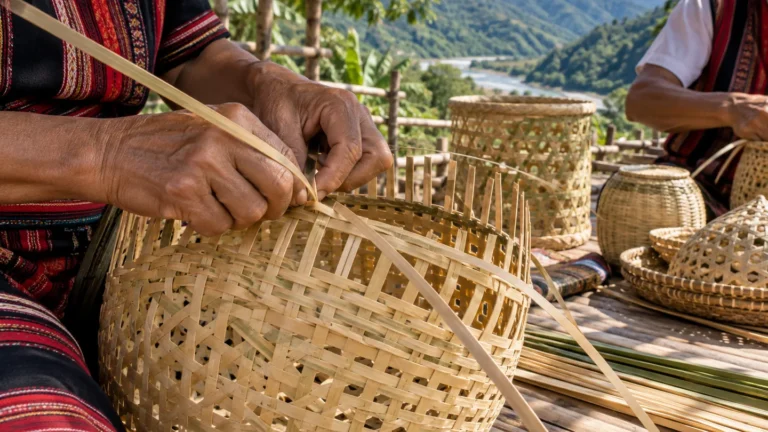
The T’nalak Festival is South Cotabato’s provincial founding celebration, centred in Koronadal. Republic Act No. 4849 created the province on 18 July 1966, according to provincial history used in Festive Pinoy’s guide. The festival takes its name from T’nalak, the handwoven abaca cloth of T’boli women, especially linked with Lake Sebu.
Street dancing often uses a tri-people framework recognising Indigenous, Muslim, and Christian or lowland-settler communities. The cloth itself is a living tradition protected through community standards and intellectual-property recognition, not a costume pattern invented for tourists. The 2026 provincial calendar ran mainly from 1 to 18 July for the 27th festival and 60th foundation anniversary. Later years need a fresh provincial notice. Details: T’nalak Festival guide.
Kaamulan in Bukidnon
Kaamulan gathers Bukidnon’s Indigenous communities in and around Malaybalay. Festive Pinoy’s guide describes it as a celebration of seven tribes through ritual, dance, crafts, and agro-industrial fairs. Timing is commonly described from late February into March or April, tied in part to provincial foundation programming. Because the span is long and edition-specific, treat any single “opening day” you find online as unverified until the Bukidnon provincial government publishes that year’s calendar.
Visitors should ask before photographing sacred or closed rituals and should not wear Indigenous dress as a costume. Read the Kaamulan guide for activity types and etiquette, then confirm the current Malaybalay programme.
Tuna Festival and Kalilangan in General Santos
General Santos City hosts more than one major celebration. Kalilangan falls in February. The Tuna Festival falls in September and recognises the people and businesses around the city’s tuna economy. The Philippine Information Agency’s 25th-year history places the Tuna Festival’s beginning in 1998. GenSan Tourism describes the city as the Tuna Capital of the Philippines, with a major fish-port complex.
The 2026 Tuna Festival ran 1 to 5 September with a smaller recovery-focused programme after the June earthquake, according to city and PIA reporting summarised in Festive Pinoy’s guide. Activities such as Sugbahan sa Dalan (street grilling) and Fish Fest appear in documented editions, but venues and access rules change. Do not treat a working fish port as an open mall. Start here: Tuna Festival guide and Kalilangan guide.
Higalaay in Cagayan de Oro
Higalaay is Cagayan de Oro’s broad August civic festival. The Philippine Information Agency reported dozens of official events in the 2026 edition across culture, arts, tourism, sports, and community activities. Street dancing, marching bands, and the Miss Cagayan de Oro pageant are among the public pieces covered in Festive Pinoy’s 2026 Higalaay updates. Use city information channels for the next year’s full calendar rather than copying one edition’s winners list as a travel plan.
Surigao’s Bonok-Bonok and other coastal calendars
Surigao City’s Bonok-Bonok celebration sits in early September around devotion to St. Nicholas of Tolentino and the city’s charter period. Festive Pinoy’s guide describes cultural performances, religious observances, and civic events across several days. Confirm the exact street-dance day and Mass schedule with Surigao City each year. Guide: Bonok-Bonok Festival.
Further west and south, Sibug-Sibug, Regatta de Zamboanga, Kadagayaan, and Sambuokan each follow local LGU calendars. Their Festive Pinoy pages are the right next click. This hub does not invent parade dates for them.
How to choose a Mindanao festival trip
- Harvest and city spectacle: Kadayawan in Davao when the August calendar is posted.
- Textile culture and province anniversary: T’nalak in Koronadal, with a separate respectful visit to Lake Sebu if time allows.
- Indigenous highland gathering: Kaamulan in Bukidnon, with careful ritual etiquette.
- Industry and seafood: Tuna Festival in General Santos.
- Northern Mindanao city week: Higalaay in Cagayan de Oro.
Flights often route through Davao, Cagayan de Oro, General Santos, or Surigao. Intercity buses and vans connect many inland towns, but festival traffic slows everything. Leave buffer days. Check weather and, where relevant, earthquake or flood advisories from official agencies.
What to expect: Mindanao festival weeks mix heat, rain risk, and dense street crowds. Carry water, wear comfortable shoes, and ask before close photos of performers in Indigenous dress. Buy crafts from named community groups when possible.
Food while you festival-hop
Durian and fruit stalls appear around Davao’s harvest season. Grilled tuna and kinilaw fit GenSan and wider SOCCSKSARGEN tables. Binaki and corn snacks show up in Bukidnon fairs. For a wider view of celebration cooking, see Filipino Fiesta Food: The Fiesta Table once published, and existing dish guides such as lechon and kinilaw-style eating notes inside festival articles.
Etiquette that travels well across Mindanao
- Name communities accurately. T’boli, B’laan, Bukidnon highland groups, and Moro communities are not interchangeable labels.
- Do not copy sacred patterns for merch or Halloween costumes.
- Stay behind barriers at ports, livestock areas, and competition lanes.
- Follow church rules when a festival includes Mass or procession.
- Verify the year on every poster. An old route map is not a permit.
Related Festive Pinoy hubs
Compare island patterns with Festivals in Visayas (companion hub), Festivals in Bicol, and the national overview at Festivals in the Philippines. For travel season context, see Best time to visit the Philippines.
What are the major festivals in Mindanao?
Widely visited anchors include Kadayawan (Davao), T’nalak (South Cotabato), Kaamulan (Bukidnon), Tuna Festival (General Santos), Higalaay (Cagayan de Oro), and Bonok-Bonok (Surigao), plus other provincial events listed in the table above.
When is Kadayawan?
Usually a week in August in Davao City. Confirm the exact parade days with the city before booking.
Is every Mindanao festival Indigenous-focused?
No. Some spotlight Indigenous arts and thanksgiving. Others centre on industry, charter anniversaries, or Catholic patronage. Read each guide’s purpose section.