Modern Barong Tagalog for Women: Breaking Style Boundaries
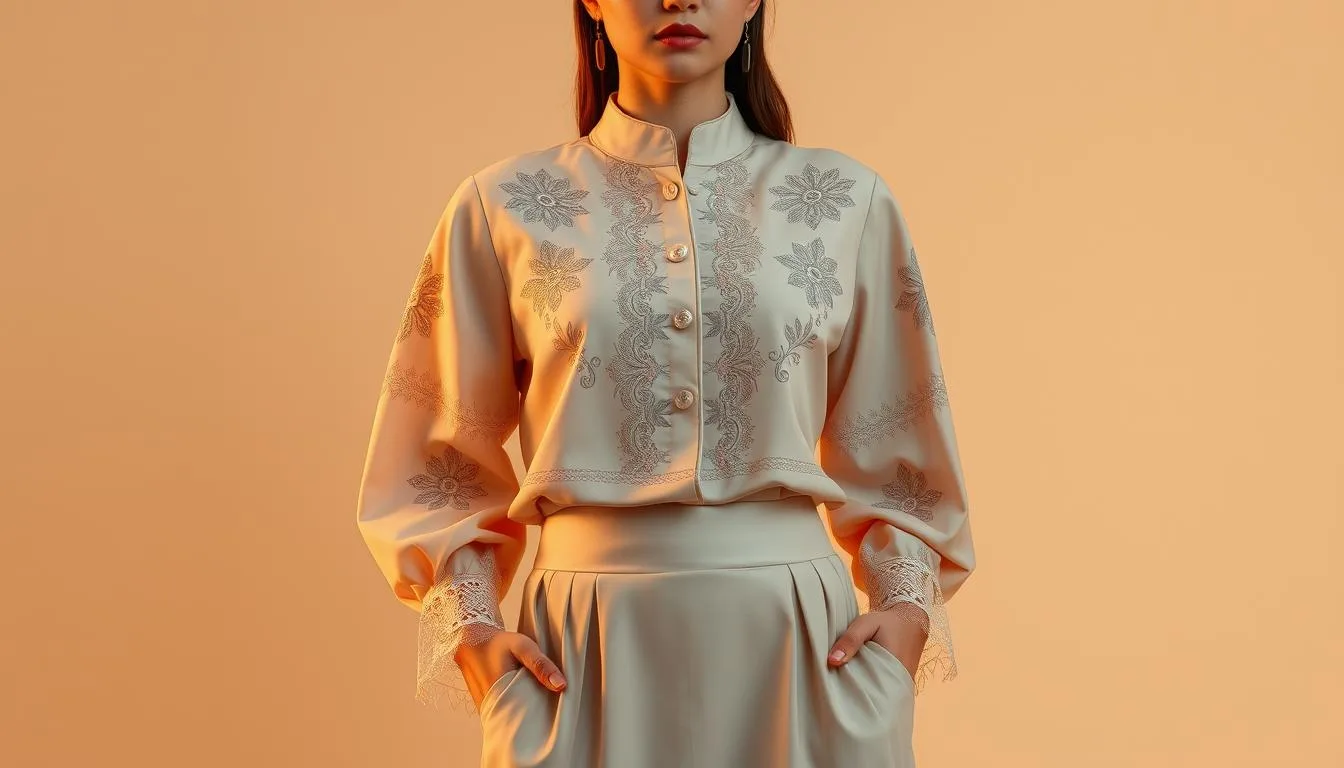
Filipino fashion is witnessing a bold transformation as time-honored garments evolve to reflect today’s style sensibilities. Designers are reimagining classic silhouettes with fresh fabrics and innovative details, creating pieces that resonate with global audiences while preserving cultural roots.
Platforms like Barong World showcase collections featuring short-sleeved designs and luxurious silk blends, proving heritage wear can adapt to modern lifestyles. Recent customer reviews highlight over 500 positive ratings for pieces combining intricate embroidery with minimalist cuts, demonstrating widespread appreciation for this fusion.
Contemporary makers offer versatile options for use beyond formal events. Geometric patterns, monochromatic details, and updated silhouettes appear in office attire and casual styling, while material and craftsmanship claims should be checked with each maker.
This sartorial shift goes beyond aesthetics, it represents cultural pride meeting personal expression. As wearers style these garments with modern accessories and layered looks, they create new narratives for Filipino identity in the 21st century.
Key Takeaways
- Traditional Filipino clothing adapts to contemporary preferences through innovative fabrics and designs
- Versatile styles now transition seamlessly from formal events to casual settings
- Leading retailers report high customer satisfaction with modernized heritage pieces
- Young designers incorporate geometric patterns and minimalist details into classic silhouettes
- Cultural garments serve as platforms for personal storytelling and identity expression
Heritage and Evolution of Filipiniana Fashion
Rooted in centuries of cultural exchange, traditional Filipino attire tells a story of resilience and reinvention. From its early iterations to today’s runway-ready styles, this clothing tradition mirrors the nation’s dynamic history.
Historical Roots and Cultural Significance

The classic filipiniana dress traces its origins to Spanish colonial rule in the 1700s. Early versions combined European silhouettes with local textiles like piña (pineapple fiber) and jusi (banana silk). The iconic Baro’t Saya ensemble, a delicate blouse paired with a flowing skirt, became a status symbol among Filipino elites.
By the early twentieth century, changing social and design influences affected Filipino formalwear, while embroidery and regional textile traditions remained important. The National Museum’s Habol Panay collection documents living weaving traditions in Western Visayas.
Transition to Contemporary Designs
Traditional designs once faced criticism for being too formal or impractical. Today’s innovators address this by blending heritage elements with wearable styles. Design houses like Narra Studio rework butterfly sleeves into sleek shoulder details and pair embroidered tops with tailored trousers.
Key preservation efforts include:
- Using hand-loomed piña fabric in minimalist dresses
- Transforming ceremonial barong jackets into office-appropriate blazers
- Incorporating geometric patterns inspired by indigenous textiles
This evolution proves cultural garments can honor the past while embracing contemporary needs. Through thoughtful redesigns, the filipiniana dress remains a living symbol of Filipino creativity.
Modern Barong Tagalog for Women: Embracing Modernity
Innovative design approaches are redefining traditional attire for today’s global stage. Creative minds balance ancestral techniques with fresh perspectives, crafting pieces that speak to both history and current trends.
Contemporary Design Influences
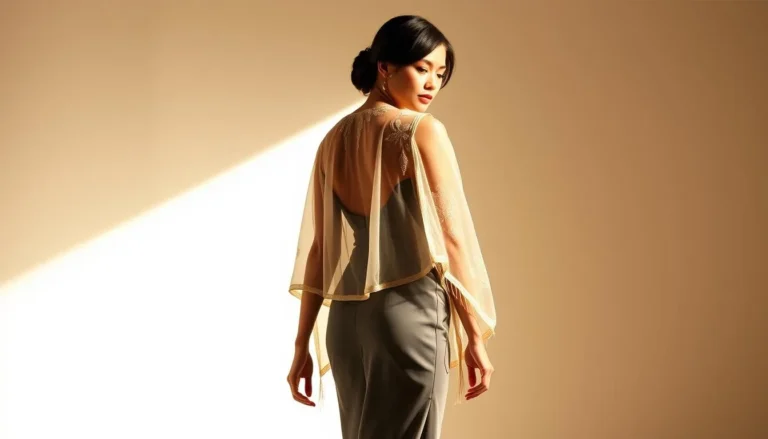
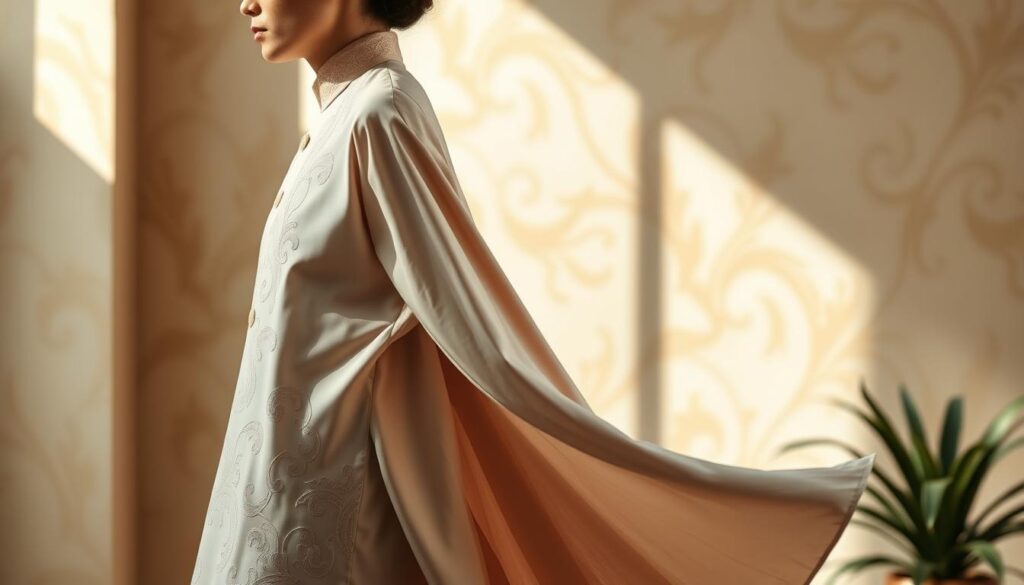
Contemporary designers experiment with translucent fabrics, angular cuts, bolero forms, and nature-inspired embroidery. These details can combine formal Filipino silhouettes with practical modern styling without relying on a single commercial product as the example.
Reversible collars offer dual styling options – traditional Chinese necklines transform into modern straight points. These smart adaptations maintain cultural DNA while expanding functionality. Barong World’s collections showcase this through silk-organza blends that drape like ancestral textiles but resist wrinkles.
Breaking Style Boundaries
Cultural garments now transition effortlessly between settings through clever reinventions:
- Sheer overlays update ceremonial dress silhouettes
- Asymmetric hemlines bring movement to formal wear
- Convertible sleeves adapt to weather and occasion
Young professionals often look for pieces that honor tradition while working for offices, commutes, exhibitions, and social events. That demand encourages practical cuts without removing the garment’s cultural references.
Curated Product Roundup of Filipiniana & Barong Designs
Today’s market offers stunning options that honor tradition through innovative craftsmanship. These pieces combine ancestral techniques with fresh aesthetics, catering to diverse preferences and events.

Featured Organza and Silk Collections
Sheer organza, piña-inspired textiles, and embroidered boleros are available in many contemporary collections. Product names, review totals, availability, and material composition change, so shoppers should verify those details on the seller’s current listing.
| Product | Design Features | Best For | Reviews |
|---|---|---|---|
| LJM001 Bolero | Black organza, angular patterns | Galas, cocktail events | 4.8★ (45) |
| JV236 Bolero | Pink organza, peony embroidery | Bridal showers, dinners | 4.7★ (52) |
Standout Styles for Every Occasion
Designers now use blazers, detachable elements, dresses, and asymmetric shirts to adapt formalwear for different settings. Material labels such as silk, jusi, or blends should be confirmed with the maker because appearance alone does not establish fiber content.
Explore these collections on their dedicated product pages to discover designs matching your personal style. Each piece tells a story through fabric choices and cultural motifs while meeting contemporary wardrobe needs.
Quality and Craftsmanship in Modern Filipiniana Dresses
Every stitch in today’s cultural attire reflects generations of artistry meeting modern precision. Designers preserve ancestral techniques while ensuring each piece withstands the test of time.
Premium Fabrics: Piña, Jusi, and Organza
Barong World selects materials that balance tradition with practicality. Piña fabric, woven from pineapple fibers, offers breathability perfect for tropical climates. Jusi blends banana silk with metallic threads for subtle shimmer. Modern collections use organza for structured silhouettes that hold intricate embroidery.
| Fabric | Features | Best For | Example |
|---|---|---|---|
| Piña | Lightweight, natural texture | Weddings | LJM001 Bolero |
| Jusi | Lustrous finish, durable | Evening events | Silk-Jusi Terno |
| Organza | Crisp drape, wrinkle-resistant | Cocktail parties | JV236 Bolero |
Detailed Embroidery and Unique Accents
Hand embroidery, machine embroidery, digital patterning, and mixed techniques can all appear in contemporary pieces. Production time varies with the design and maker; flora-inspired motifs, geometric borders, and other patterns show how traditional references can be reworked.
Reinforced seams and double-layered hems ensure longevity. These construction details make garments suitable for frequent wear at special occasions. Through such craftsmanship, cultural attire bridges heritage with the contemporary world.
Customer Experience, Reviews, and Global Appeal
Global shoppers discover effortless elegance through streamlined services designed for today’s multicultural wardrobe needs. Leading retailers combine heritage craftsmanship with modern convenience, making cultural clothing accessible worldwide.
Smooth Ordering Process and Custom Sizing Tips
Barong World’s online shop simplifies purchases with a three-step process: select designs, input measurements, and confirm delivery. Their virtual tailoring guide helps women achieve perfect fits using just a tape measure and smartphone. Key features include:
- Real-time previews of embroidery details
- Adjustable sleeve lengths and hemlines
- 48-hour revision window for custom orders
For online orders, check the seller’s current size chart, alteration policy, production lead time, shipping terms, and independent reviews before purchasing, especially for made-to-measure pieces.
International Shipping and Positive Testimonials
International delivery terms vary by seller and destination. Before ordering, confirm:
- Transparent tracking updates
- Crease-resistant packaging
- Multilingual support team
Do not rely on fixed review percentages or delivery anecdotes that cannot be independently verified. Check the seller’s latest reviews, return policy, customs terms, and delivery estimate at the time of purchase.
Busy women appreciate these stress-free services that honor cultural roots while fitting seamlessly into global lifestyles. From Tokyo to Toronto, these garments bridge continents through thoughtful design and reliable delivery.
Conclusion
Cultural threads weave through contemporary wardrobes as Filipino designers redefine heritage attire. The evolution of traditional garments showcases how ancestral patterns meet sleek tailoring, with silk blends and geometric accents elevating timeless silhouettes. Customers worldwide praise pieces that balance intricate embroidery with practical wearability, proving cultural pride thrives through thoughtful innovation.
Piña, organza, and blended fabrics can produce very different drape, durability, and care needs. Evaluate fiber content, construction, embroidery, fit, and care instructions rather than relying on an unverified review percentage.
Explore curated collections where heritage details shine through modern cuts. Let every fold of silk and precise stitch remind you of stories woven into Filipino identity. Join thousands of satisfied customers who’ve transformed their wardrobes with these culturally rich creations – where tradition isn’t just preserved, but passionately redefined.