The Thomasites: Pioneers of Philippine Education
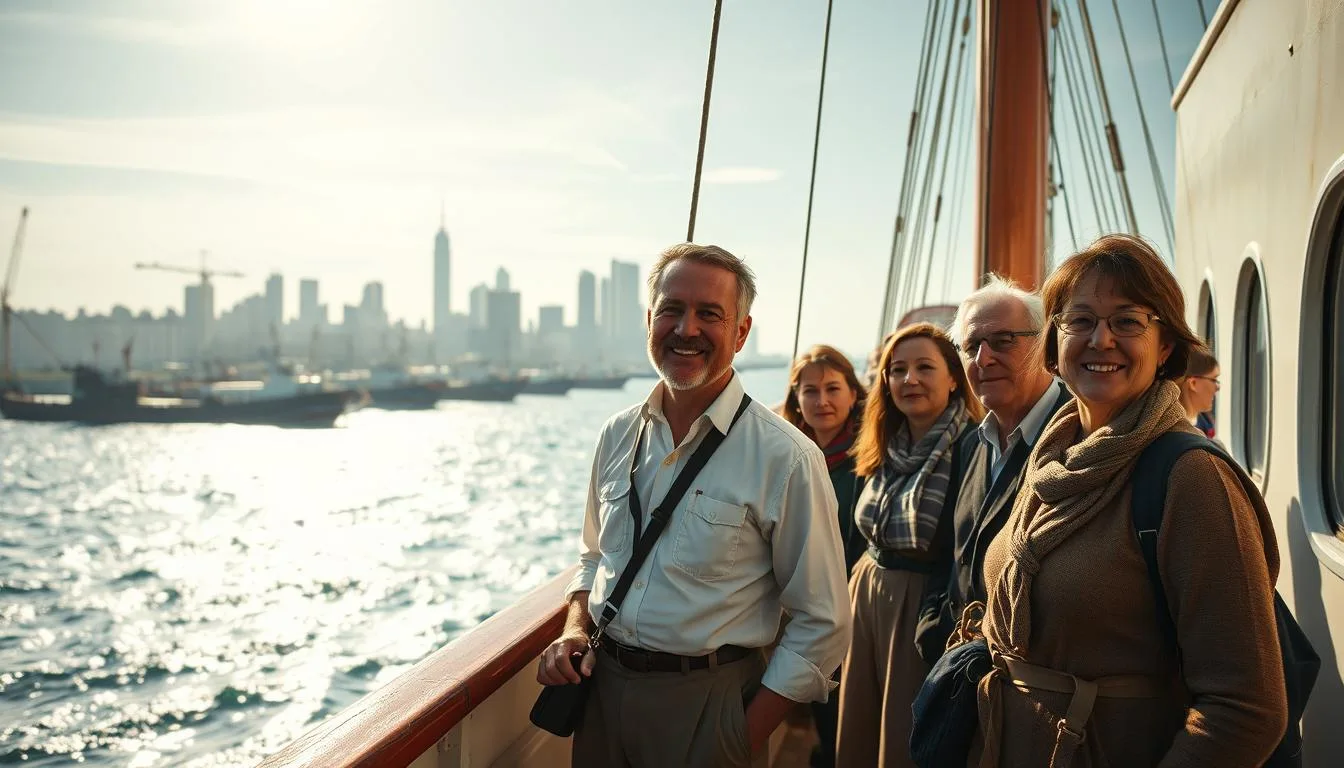
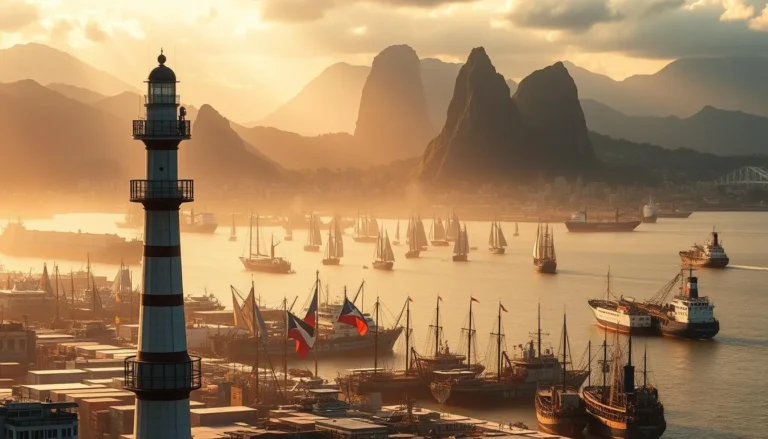
On August 21, 1901, the USAT Thomas docked in Manila Bay carrying more than 500 American teachers, a group Filipinos soon began calling the Thomasites. They came less than a year after the United States set up a civil government in the Philippines, tasked with building a public school system taught in English rather than Spanish.
The Thomasites did not invent Philippine education. Spain had run a public school system on the islands since 1863. What the new arrivals did was expand it fast, retrain its teachers, and switch its language, work that reshaped how generations of Filipinos would learn, work, and speak.
At a Glance
| Detail | Fact |
|---|---|
| Who | About 500 to 600 American public school teachers |
| Ship | USAT Thomas, a US Army transport |
| Departed | San Francisco, July 23, 1901 |
| Arrived | Manila Bay, August 21, 1901 |
| Mission | Build a public school system taught in English |
| Key institution founded | Philippine Normal School, opened September 1, 1901 |
| Lasting legacy | English as a medium of instruction; roughly 25,000 Filipino teachers trained |
| Remembered at | A memorial marker at Manila North Cemetery |
Who the Thomasites Were
The term “Thomasites” describes the roughly 500 to 600 American public school teachers the United States government sent to the Philippines in 1901, plus the smaller waves who followed in the next few years. Records vary slightly on the exact headcount. Some sources count 530 teachers who sailed on the ship itself, others fold in a few hundred who had arrived earlier on smaller transports.
Key point
The Thomasites were sent to build a public school system in English after the United States took control of the Philippines. Their name comes from the ship that carried the largest group, not from a person.
The teachers were recruited from 43 US states and roughly 190 colleges, universities, and normal schools. Many were recent graduates in their twenties, drawn by the pay, the adventure, or a genuine belief in the mission of American public education.
The Ship That Gave Them Their Name
A few smaller groups of American teachers had already reached the Philippines before 1901. But it was the USAT Thomas, once a private ocean liner converted into an Army transport, that carried the largest single group. Its name stuck to the whole movement, including teachers who never actually sailed on the ship.
The Voyage Across the Pacific
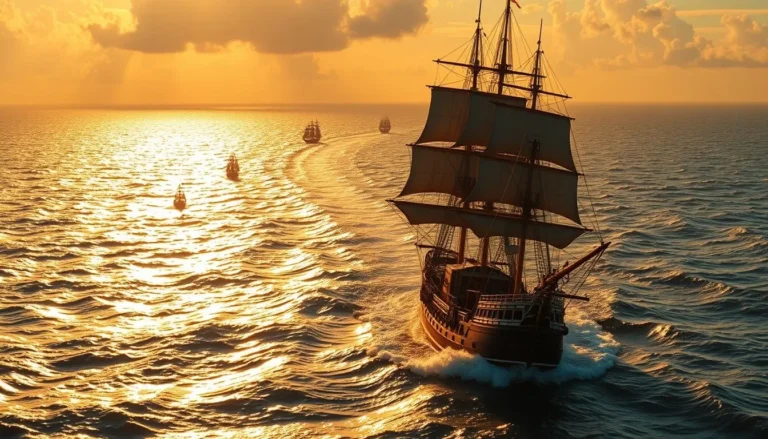
The Thomasites left Pier 12 in San Francisco on July 23, 1901, sailing with a stop in Honolulu to restock and refuel. The US government spent about $105,000 on the expedition, equivalent to roughly $4 million today. After nearly a month at sea, the ship reached Manila on August 21, 1901.
Once ashore, the teachers were vaccinated, quarantined, and scattered to postings across the islands, from Albay in southern Luzon to Tarlac in the north and provinces far beyond. Many had never left the United States before, let alone been assigned to a remote town with no nearby countrymen.
A Country Still at War
The Thomasites arrived in the middle of an unfinished war. The Philippine-American War had not officially ended, and pockets of armed resistance continued in several provinces. Revolutionary leader Emilio Aguinaldo had been captured only four months earlier, in March 1901.
Despite the fighting, the American administration under William Howard Taft pushed to shift the islands toward civilian rule as fast as possible. Act No. 74, passed by the Philippine Commission on January 21, 1901, had already created the Department of Public Instruction to run the new school system. The Thomasites were the workforce meant to make that department real in classrooms.
Their Mission: Schools Built in English
The Thomasites came with a specific brief: open elementary schools in every province, train Filipino teachers to eventually replace them, and do it all in English. Textbooks, lessons, and exams all switched from Spanish to the new language.
They also built the institutions meant to make the system self-sustaining. Several opened within the same founding year.
| Institution | Founded | Purpose |
|---|---|---|
| Department of Public Instruction | 1901, under Act No. 74 | Central agency running the new school system |
| Philippine Normal School | September 1, 1901 | Trained Filipino teachers to staff public schools |
| Philippine School of Arts and Trades | 1901 | Vocational and trade instruction |
| Provincial high schools, including Tarlac and Camarines Sur | 1902 | Extended secondary schooling outside Manila |
The Philippine Normal School, now Philippine Normal University, opened on the grounds of a former Spanish normal school in Intramuros, with American educator Elmer B. Bryan as its first superintendent.
What the Thomasites Taught
Beyond English itself, Thomasite classrooms covered a wide curriculum meant to shape literate students and, in the American view, future citizens. Common subjects included:
- Reading, grammar, and arithmetic
- Geography and elementary civics
- Agriculture and industrial arts
- Household and domestic science
- Freehand and mechanical drawing
- Physical education, including baseball and basketball
Basketball and baseball, introduced largely through Thomasite-run school programs, remain two of the most widely played sports in the Philippines today.
Two Visions: Atkinson and Barrows
Not all Thomasite-era administrators agreed on what Filipino education should achieve. Fred W. Atkinson, the first General Superintendent of Education from 1900 to 1902, pushed a vocational curriculum built around agriculture and trade skills. Critics later argued this suited American business interests looking for a trained but low-cost workforce.
David P. Barrows, who succeeded Atkinson from 1903 to 1909, shifted the system toward literary education: reading, writing, and arithmetic in the Jeffersonian tradition, aimed at producing Filipinos capable of professions and self-government rather than only labor.
| Superintendent | Term | Educational Focus |
|---|---|---|
| Fred W. Atkinson | 1900 to 1902 | Vocational and industrial training |
| David P. Barrows | 1903 to 1909 | Literary education: reading, writing, arithmetic |
Note
Spain had already run a public school system in the Philippines since 1863. The Thomasites did not start Philippine education from zero. They expanded an existing system and replaced Spanish with English as the language of instruction.
Life and Hardship in the Provinces
Teaching posts were often isolated, with a single American teacher assigned to a small town far from other countrymen. Common hardships included:
- Tropical diseases, including cholera and plague
- Unfamiliar food, climate, and customs
- Basic or nonexistent school buildings
- Long separation from family in the United States
- Suspicion from communities still recovering from war
Most Thomasites completed a short assignment and went home. A smaller number stayed for years, married locally, and remained in the Philippines through the Commonwealth era that followed.
Training Filipino Teachers: Their Greatest Legacy
The Thomasites’ most lasting contribution was not the number of students they personally taught but the Filipino teachers they trained to replace them. That effort helped build a corps of roughly 25,000 English-speaking Filipino teachers who went on to staff schools across the archipelago, multiplying the program’s reach many times over.
More American teachers arrived in 1902, bringing the total posted in the islands to around 1,074. By design, their numbers were meant to shrink as Filipino graduates of schools like the Philippine Normal School took over the work.
A Complicated Legacy
Historians studying the American colonization of the Philippines generally agree that the Thomasites expanded access to schooling and cemented English as a language of instruction, government, and business. That fluency still shapes the country’s edge in call centers, overseas work, and global business today, and it left its print on the evolution of Philippine media, from early American-era newspapers to today’s English-language press.
The same historians point out that the mission served American colonial goals, not only Filipino ones. Some administrators wanted graduates prepared for skilled labor rather than leadership, and complaints about proselytizing in classrooms surfaced repeatedly during the period. Scholarship published in Ateneo de Manila’s Kritika Kultura journal frames the Thomasites as both well-meaning educators and instruments of empire, a tension that never fully resolved.
Remembered Today
The Thomasites are marked each August around the anniversary of their 1901 arrival, and their contribution to the cultural history of the Philippines is still taught in Philippine schools. A memorial at Manila North Cemetery, maintained by the National Historical Commission of the Philippines, honors the American teachers who died in service and never returned home.
Tip
Readers curious about Thomasite history can see the Manila North Cemetery memorial marker in person, or visit the Philippine Normal University campus in Manila, built on the site of the original Philippine Normal School.
Frequently Asked Questions
Who were the Thomasites?
The Thomasites were roughly 500 to 600 American public school teachers sent to the Philippines starting in 1901 to build a public education system taught in English and to train Filipino teachers to run it.
Why are they called Thomasites?
They take their name from the USAT Thomas, the US Army transport ship that carried the largest single group of teachers into Manila Bay on August 21, 1901.
Did the Philippines have schools before the Thomasites arrived?
Yes. Spain had operated a public school system since 1863. The Thomasites expanded that system, retrained its teachers, and changed the medium of instruction from Spanish to English.
What is the Thomasites’ most lasting legacy?
Their training of roughly 25,000 Filipino teachers, and the switch to English as a medium of instruction, both outlasted the small number of Americans who actually taught in Philippine classrooms.
Were the Thomasites controversial?
Yes. Historians still debate whether their work should be read mainly as generous public service or as part of a colonial project that served American political and economic interests. Both readings draw on the same historical record.
Conclusion
The Thomasites arrived as teachers in a country still recovering from war, and left behind a public school system, a training pipeline for Filipino educators, and a language that still shapes Philippine life. Their story sits somewhere between goodwill and empire, and both halves are worth remembering. For more on how American rule reshaped the islands beyond the classroom, see our History and Culture coverage.