What is Adobo
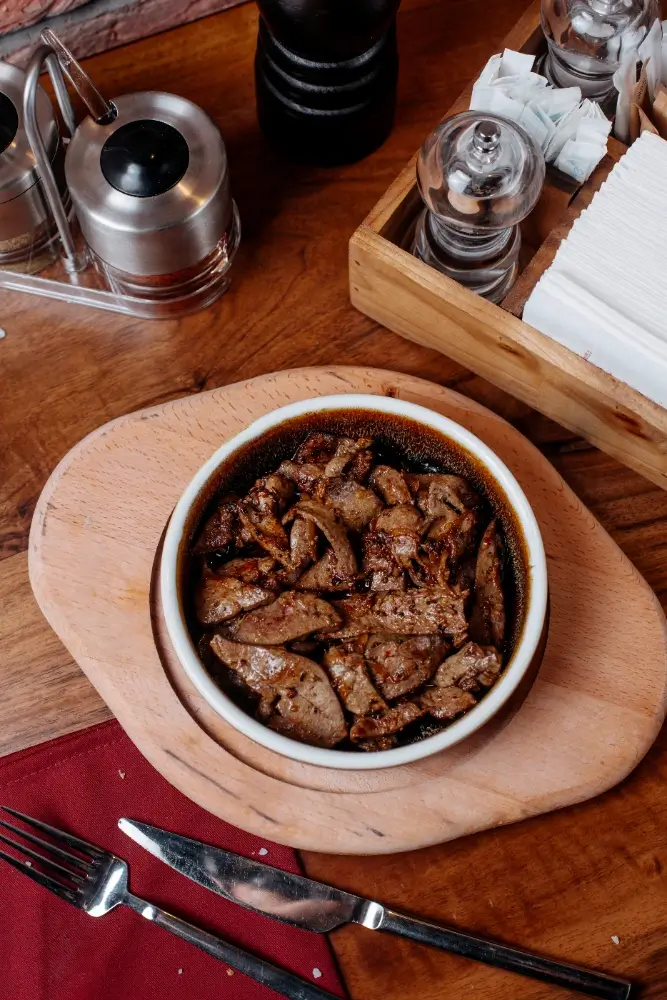
Adobo is the Philippines’ most famous dish, and its unofficial national one: meat, seafood, or vegetables browned and then simmered slowly in vinegar, garlic, and soy sauce until tender and deeply savoury. Simple, cheap, and endlessly adaptable, it is the taste most Filipinos think of first when they think of home cooking.
This guide explains what adobo is, where it really comes from, how it is made, and why one humble stew came to stand for a whole country.
Meat simmered in vinegar, garlic & soy sauce
Unofficial national dish
Indigenous, pre-colonial cooking method
Spanish adobar, “to marinate”
Sour, salty, garlicky
Steamed white rice
What adobo is
At its heart, adobo is a method more than a single recipe. Meat, most often chicken or pork, is browned in oil, then marinated and simmered in a mix of vinegar, garlic, and salt or soy sauce until the sauce reduces and the meat turns fork-tender. The result balances three bold notes: the sourness of vinegar, the saltiness of soy, and the warmth of plenty of garlic. Traditionally it is cooked in a small clay pot and served over steaming white rice.
Because the recipe is so forgiving, almost anything can be turned into adobo, from chicken and pork to squid, vegetables, and even wild greens. That flexibility is a large part of why it appears on tables in every corner of the country.
An indigenous dish with a Spanish name
Despite its Spanish-sounding name, adobo is not a colonial import. The cooking method is indigenous to the Philippines. Long before Europeans arrived, the peoples of the archipelago preserved food by cooking it in vinegar and salt, a practical response to a hot, humid climate where meat spoils quickly. The acidity of vinegar slowed spoilage, so adobo began not as a delicacy but as a way to survive.
The name came later. When Spanish colonisers arrived in the 16th century, they saw this technique and called it adobo, from the Spanish adobar, meaning to marinate or to season. The Spanish friar Pedro de San Buenaventura recorded the word in his 1613 Vocabulario de la Lengua Tagala, the first written mention of the dish by that name. Over the centuries the original native term was lost, and the borrowed Spanish word stuck, even though the dish itself remained thoroughly Filipino.
One signature ingredient arrived through trade rather than conquest. Soy sauce came to the islands through Chinese merchants, and its salty depth blended with vinegar to create the sweet-salty-sour balance of modern adobo. In many households soy sauce gradually replaced plain salt, and today it is considered essential to a good pot.
How adobo is made
The basic method is easy to master and hard to ruin.
- Marinate. Combine the meat with soy sauce, vinegar, crushed garlic, bay leaves, and peppercorns, and let it sit for at least an hour or two.
- Sear. Brown the meat in a hot pot to build flavour.
- Simmer. Return everything to the pot and cook gently in the marinade until the meat is tender and the sauce has reduced to a glossy glaze.
- Serve. Spoon over hot white rice. Many Filipinos insist adobo tastes even better the next day, once the flavours have had time to settle.
For a sour, garlicky counterpart worth exploring next, see our guide to sinigang, the Philippines’ favourite sour soup.
Regional variations
Because every region cooks with what it has, adobo takes many forms across the islands.
- Adobong pusit: squid adobo darkened and enriched with its own ink, popular in coastal areas.
- Adobo sa gata: a Southern Luzon version finished with coconut milk and green finger chilies for a creamy, gently spicy sauce.
- Adobong Ilocano: a drier northern style that skips the usual sauce and leans on bagoong, fermented shrimp or fish paste, for a salty, aromatic punch.
- Adobong pula and adobong puti: “red” versions coloured with annatto or more soy, and “white” versions made with vinegar and salt alone, closer to the original pre-colonial dish.
Why it is the national dish
Adobo earned its unofficial crown for practical reasons. Its ingredients are cheap and available everywhere in the country, so a family in the far north and one in the deep south can both cook it with what is on hand. And because it keeps well without refrigeration, it suited Filipino life long before the fridge arrived.
Its deeper hold is emotional. Adobo recipes pass down through families, each adding a little more garlic here or a splash more vinegar there, so that a single dish carries a household’s memory. To many Filipinos, a pot of adobo tastes specifically like their mother’s or grandmother’s kitchen, which is why it stands as a quiet symbol of identity, unity, and heritage.
Filipino adobo is not Spanish or Mexican adobo
The shared name causes plenty of confusion. Mexican adobo is a thick, reddish sauce of ground chilies, spices such as cumin and oregano, vinegar, and sometimes tomato. Spanish adobo refers to its own marinating traditions. Filipino adobo shares only the borrowed word, not the recipe. It is a separate culinary line entirely, one that grew from native soil and was simply labelled with a Spanish term.
Tips for a better adobo
A few habits separate a good adobo from a great one. Use a decent vinegar, and resist the urge to stir it in the first few minutes of simmering, since letting the vinegar cook off its sharp edge before mixing keeps the sauce mellow rather than harsh. Brown the meat well before it goes back into the liquid, because those caramelised edges add depth. Let the pot reduce slowly until the sauce turns glossy and clings to the meat, and if you have the patience, cook it a day ahead. Adobo is one of those dishes that genuinely improves overnight, as the flavours settle and deepen in the fridge.
Adobo beyond the pot
Filipino cooks have found endless second lives for adobo. Leftovers are shredded and fried into crisp adobo flakes for breakfast, spooned over garlic rice, or tucked into a warm bun. Restaurants at home and abroad now build whole menus around it, from adobo fried rice to adobo pasta and even adobo-topped pizza. Overseas Filipino communities have made it a signature of Philippine cuisine on the world stage, and it is often the first dish curious diners are offered. Whatever form it takes, the core stays the same: that unmistakable balance of vinegar, garlic, and soy that says, immediately, home.
A dish worth arguing about
Ask ten Filipinos for the correct way to cook adobo and you may get ten answers, which is exactly how it should be. Some swear by pork, others by chicken, and many by both together in adobong manok at baboy. Purists in certain regions leave out soy sauce entirely, insisting the original dish is pale and vinegar-forward, while others cannot imagine it without that dark, salty gloss. There are friendly disputes over whether to add sugar, bay leaf, potatoes, or a hard-boiled egg. None of these arguments has a final winner, and that is the whole point: adobo belongs to everyone, and every cook is right in their own kitchen.
Frequently Asked Questions
What is Filipino adobo?
It is a dish of meat, seafood, or vegetables browned and then simmered in vinegar, garlic, and soy sauce until tender. It is widely regarded as the unofficial national dish of the Philippines.
Is adobo Spanish in origin?
No. The cooking method is indigenous to the Philippines and predates Spanish arrival. Only the name is Spanish, from adobar, meaning to marinate. Soy sauce was later added through Chinese trade.
What are the main ingredients of adobo?
The essentials are vinegar, garlic, and soy sauce, usually with bay leaves and black peppercorns. Chicken and pork are the most common proteins, though squid and vegetables are also popular.
Why is adobo the national dish of the Philippines?
Because its ingredients are affordable and available nationwide, it keeps well, and nearly every family has its own treasured version, making it a shared symbol of Filipino identity.
Conclusion
Adobo is proof that a great dish needs no luxury, only good technique and a little patience. Born as a way to keep food from spoiling, it grew into the flavour of the Filipino home: sour, salty, garlicky, and comforting. Whichever regional version you try, you are tasting centuries of history in a single spoonful over rice.