What is Mano
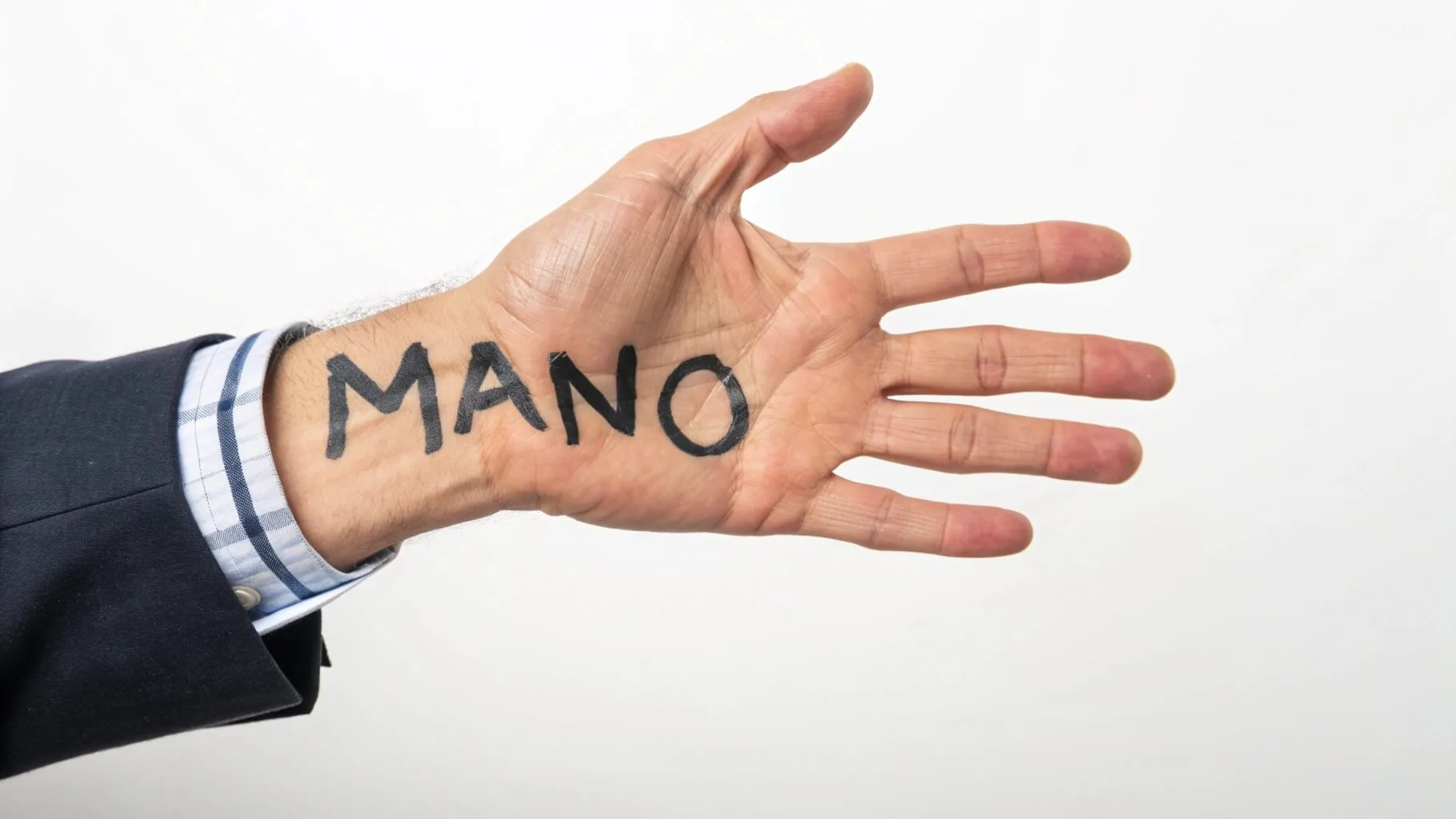
Mano po is the Filipino gesture of respect for elders: a younger person gently takes an elder’s hand and presses the back of it to their own forehead while bowing slightly. It is one of the first customs Filipino children learn, and one of the most enduring symbols of the culture’s deep respect for age, family, and wisdom.
This guide explains what mano po means, where it came from, when and to whom it is done, and how the tradition is changing today.
A gesture of respect to elders
Pagmamano, mano
“Your hand, please” (mano = hand, po = respect)
Parents, grandparents, elders, godparents, priests
On greeting an elder, reunions, Christmas, New Year
A blessing, often “God bless you”
What mano po means
The gesture, formally called pagmamano, works like a gentle, wordless request. The younger person bows toward the elder, takes the offered right hand, and touches the back of it to their forehead. In that small movement lies the whole meaning: humility, and the acceptance of an elder as someone to learn from, not because of age alone but because of experience and wisdom.
The name captures it neatly. Mano is the Spanish word for hand, while po is a Filipino particle added to speech as a mark of respect toward elders. Together, “mano po” translates roughly to “your hand, please,” the spoken cue that begins the gesture. The same respectful po and opo run through everyday Filipino conversation whenever a younger person addresses someone older.
Where the tradition comes from
There is no single origin story, and that is part of what makes mano po so distinctly Filipino. It sits at the meeting point of two traditions.
During the Spanish colonial period, from 1565 to 1898, Catholic customs such as the beso mano, the hand-kissing used to honour clergy and nobility, took root in the islands. Filipinos adapted the idea into a warmer, more familial form, replacing the kiss with a touch of the hand to the forehead and folding the Spanish word mano into the Tagalog term pagmamano.
Yet the respect it expresses runs deeper than colonial history. Almost identical gestures exist across the region: the salim in Indonesia and the salam in Malaysia. That shared custom suggests the practice of honouring elders by the hand reaches back to pre-colonial times, a value the peoples of Island Southeast Asia held long before the first galleons arrived.
When and to whom it is done
Mano po is usually performed the first time you see an elder in a day, or upon entering their home or a gathering. There is no strict age rule, but it is generally reserved for people at least a generation older. You would mano to a grandparent, but not to an older cousin.
- Family elders: parents, grandparents, aunts, and uncles.
- Godparents (ninong and ninang): especially at celebrations and holidays.
- Older relatives of friends or partners, and older friends of the family.
- Priests and ministers, traditionally at the end of Mass.
The custom is especially visible during family reunions and the Christmas and New Year season, when children and grandchildren line up to greet their elders and, in many households, receive a small gift or aguinaldo in return.
How the elder responds
The gesture is a two-way exchange. As the younger person lifts the hand to their forehead, the elder typically offers a blessing, a quiet “God bless you,” sometimes tracing a small Sign of the Cross over them.
There is also a deeper, more solemn version. When pagmamano is done with both hands, lifting the elder’s hands to the forehead, it becomes a formal plea for forgiveness. Performed while kneeling, sometimes in tears, it is the most heartfelt form of the gesture, used to ask pardon for a serious offence.
Why it matters in Filipino culture
Mano po grows out of the central place of family in Filipino life. Respect for elders is not an abstract value here but a daily practice, and it shows in how families live: grandparents commonly grow old in the homes of their children and grandchildren, cared for by the family, so much so that the nursing-home industry is almost nonexistent.
Skipping the gesture is quietly frowned upon. To enter an elder’s home or greet them at a gathering without offering mano is considered impolite, a small breach of the manners most Filipinos absorb in childhood.
The tradition today
Like every living custom, mano po adapts. In fast-paced cities it is sometimes shortened or made optional in hurried moments, and it now coexists with modern greetings such as the beso-beso cheek kiss. During the pandemic, many families paused the hand-to-forehead contact for health reasons and turned to touch-free alternatives.
Even so, the gesture endures, cherished at home and carried abroad by the Filipino diaspora, who use it to pass a sense of identity to children raised far from the Philippines. It remains one of the clearest expressions of Filipino values: respect, humility, and the ties that bind the generations. You can see the same reverence for heritage in the country’s many cultural festivals and traditions.
Mano po and other Filipino greetings
Mano po belongs to a wider language of respect. The particles po and opo thread through everyday Filipino speech whenever a younger person answers an elder, and they carry the same spirit as the gesture itself. Alongside mano sits the beso-beso, a light cheek-to-cheek greeting borrowed from Spanish custom and used more among relatives and friends of similar age. Where mano signals deference to an elder, the beso signals warmth between equals, and many family gatherings move naturally between the two.
Regional variations add their own colour. In some communities younger people say a quick “bless” in place of “mano po,” while in others the gesture is paired with a light kiss on the elder’s hand. Whatever the wording, the meaning holds steady: a moment of pause to honour someone older.
Passing the tradition on
For most Filipinos, mano po is learned before it is understood. A parent guides a toddler’s hand toward a grandparent’s, and the habit takes hold long before the child can explain it. That early lesson is one reason the custom has traveled so well. Among Filipino families abroad, pagmamano is a favourite way to keep children connected to their roots, performed at reunions, fiestas, and the long Christmas season of visits. On screen, in films and teleseryes, a child reaching for an elder’s hand is instantly recognisable shorthand for a close and respectful family, proof of how firmly the gesture is woven into the Filipino sense of self.
Even as greetings modernise, many young Filipinos choose to keep mano po alive, seeing in it something worth protecting: a small daily act that says family, respect, and continuity still matter. In a fast-changing country, that steadiness is part of its quiet power.
Frequently Asked Questions
What does mano po mean?
It literally means “your hand, please.” Mano is Spanish for hand and po is a Filipino marker of respect. It names both the spoken greeting and the gesture of pressing an elder’s hand to your forehead.
How do you perform mano po?
Bow slightly toward the elder, take their right hand, and gently touch the back of it to your forehead while saying “mano po.” The elder usually responds with a blessing.
Who do you mano to?
To elders at least a generation older: parents, grandparents, aunts, uncles, godparents, older relatives, and priests. It is not typically done to older siblings or cousins.
Is mano po Spanish or pre-colonial?
Both influences shaped it. It blends the Spanish-era hand-kissing custom with an older, pre-colonial tradition of honouring elders that is shared across Island Southeast Asia.
Conclusion
Mano po is a small gesture that carries a whole worldview: respect for elders, humility before their wisdom, and the closeness of the Filipino family. Simple enough for a child to learn and meaningful enough to last a lifetime, it remains one of the truest expressions of what it means to be Filipino.