Pgsalabuk Festival: Zamboanga’s Pgsalabuk Festival: Essential Guide
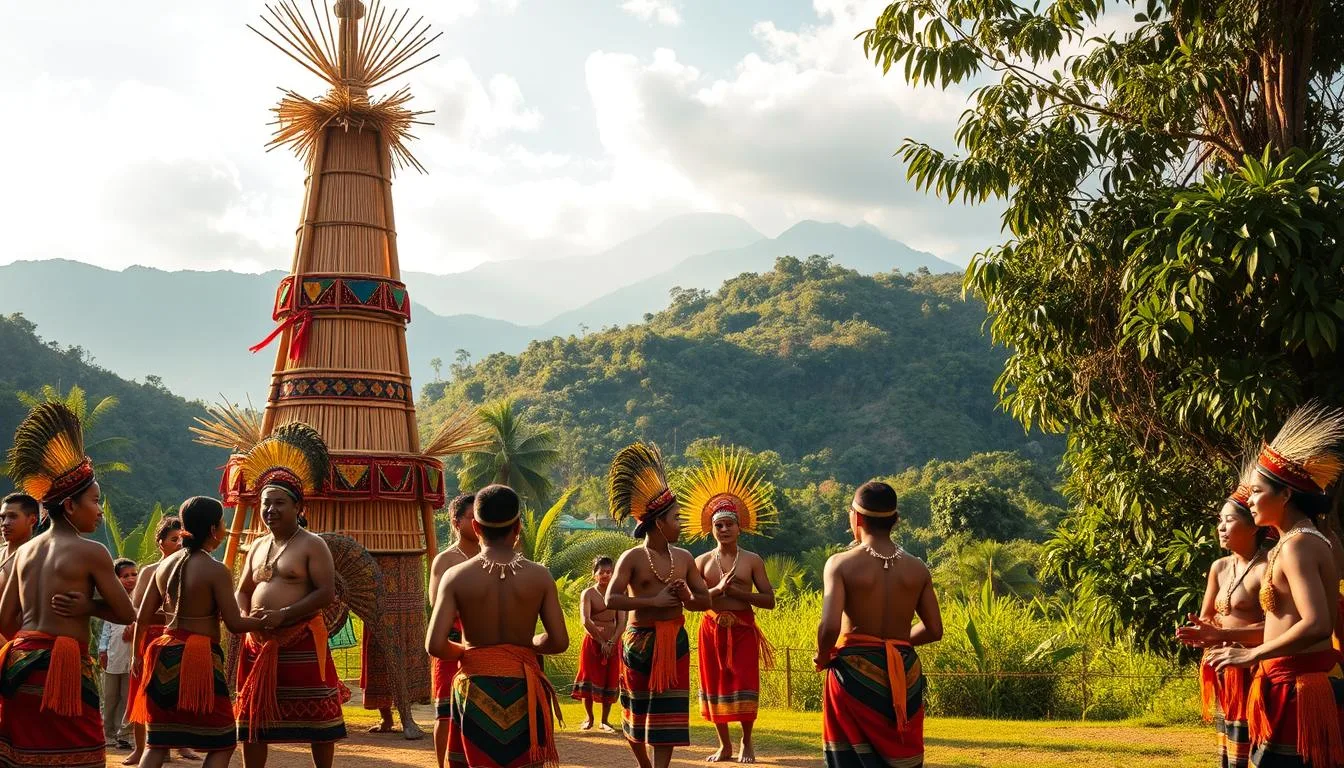
Dipolog City marked the 27th opening of its Pgsalabuk Festival on May 15, 2026, under the theme “Unity Amidst Adversity.” The city sits in Zamboanga del Norte, on the northern coast of the Zamboanga Peninsula in Mindanao, and its biggest annual celebration runs for weeks rather than a single day. Pgsalabuk stretches from a May opening through July 1, when it closes alongside the city’s founding anniversary.
The name comes from the Subanen language and means togetherness, chosen to honor the Subanen people, the original settlers of the area later known as Dipolog. That idea of unity across Muslim, Christian, and indigenous communities still anchors the festival’s programming decades later.
At a Glance: Pgsalabuk Festival
| What to know | Details |
|---|---|
| Location | Dipolog City, Zamboanga del Norte, Philippines |
| Typical window | Late April or early May through July 1 |
| 2026 opening | May 15, 2026 (27th edition) |
| Culminates | July 1, Adlaw sa Dipolog (city founding anniversary) |
| Meaning of name | Subanen word for unity or togetherness |
| Related devotion | Feast of St. Vincent Ferrer, Dipolog’s patron saint, April 5 |
| Signature events | Street dancing, fluvial parade, Habhab sa Dipolog food fair |
Key point
Pgsalabuk Festival and the feast of St. Vincent Ferrer are related but not identical. The saint’s feast day is fixed on April 5 every year. Pgsalabuk is a separate, longer civic festival the city schedules around that devotion, with its own opening date that shifts from year to year.
Where the Name Pgsalabuk Comes From
City councilor Alton “John” Caermare Ratificar founded the festival and chose the Subanen word pagsalabuk, meaning unity or togetherness, as its name. He wanted a street dancing event distinct from Cebu’s Sinulog, built specifically around Dipolog’s own Subanen heritage.
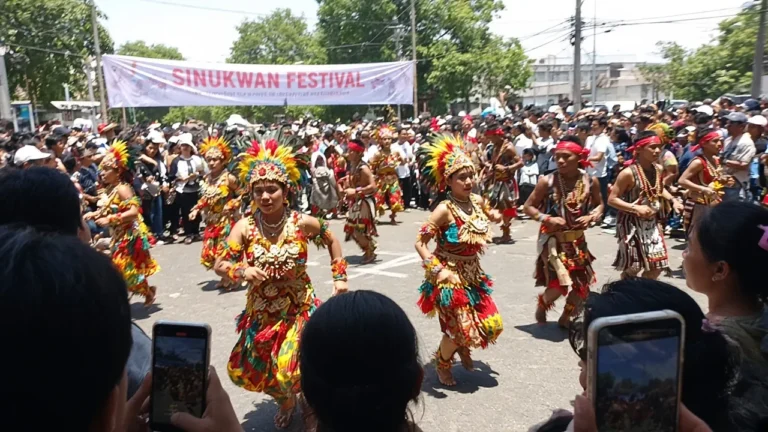
Early editions did not look especially ethnic. Dancers in the first years performed ballroom styles such as tango, samba, and swing on the street, backed mainly by drums rather than a full band. Organizers later reshaped the festival into a more explicitly Subanen, ethnic-influenced presentation, closer to how it looks today.
By 2018, the festival had reached its 20th edition, running from May 4 through July 1 that year. The 2026 celebration marked the 27th opening of the P’gsalabuk Festival, a steady climb that shows how far the event has grown from its original street dance format.
Note
Suban-on, the name of the indigenous group behind the festival’s name, translates roughly to “people of the river.” Subanen is the term academics generally use for their language.
When the Festival Actually Happens
Confusion around Pgsalabuk’s schedule is common, partly because the festival is really two overlapping observances. The feast of St. Vincent Ferrer falls on April 5 every year on the universal Catholic calendar. The Pgsalabuk street festival is a civic addition that grew up around that devotion and now runs far longer, extending across a separate window each year.
| Observance | Date | Nature |
|---|---|---|
| Feast of St. Vincent Ferrer | April 5 (fixed) | Religious, citywide patron saint devotion |
| Pgsalabuk Festival opening | Late April to mid-May (varies) | Civic and cultural, street dancing and pageants |
| Adlaw sa Dipolog | July 1 (fixed) | City founding anniversary, festival culmination |
Recent openings illustrate the variation: the festival opened April 29 in 2022, May 4 for its 20th edition in 2018, and May 15 for its 27th edition in 2026. Whatever the exact opening date, the festival consistently runs through Adlaw sa Dipolog on July 1.
Highlights of Festival Season
Pgsalabuk fills its weeks-long run with a mix of religious observance, competition, and street celebration.
- Fluvial parade and religious processions honoring St. Vincent Ferrer
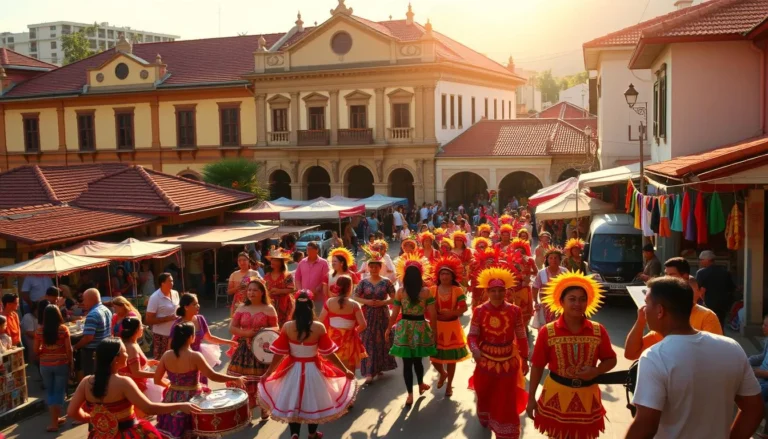
- Street dancing competitions blending Subanen, Muslim, and Spanish-era influences
- P’gsalabuk Festival Queen pageant
- Habhab sa Dipolog, a food fair along Dipolog’s Sunset Boulevard
- Bancarera, a traditional boat racing competition
- Triathlon combining swimming, running, and cycling legs
Tip
Visit Sunset Boulevard during Habhab sa Dipolog for the widest sample of local food stalls in one place, including specialties tied to the city’s coastal location.
Interfaith Roots, Modern Programming
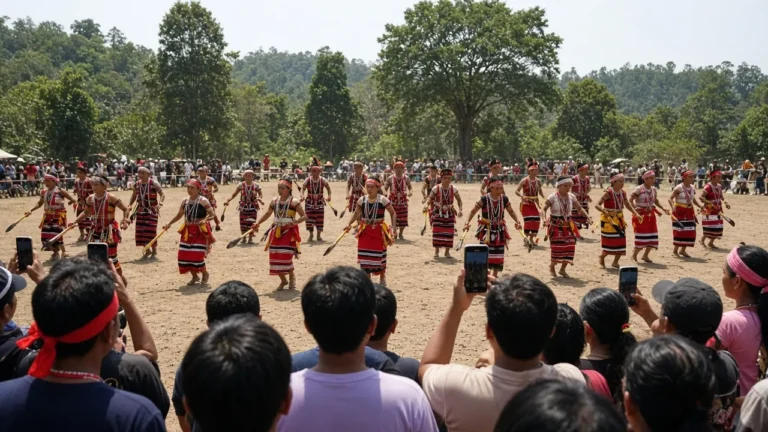
Dipolog’s identity as a meeting point for Muslim, Christian, and indigenous communities shapes how the festival is organized. Street dance groups often mix Subanen movement vocabulary with Spanish-era footwork and Muslim geometric patterning in costume design, a combination organizers present as a working symbol of the city’s diversity rather than a purely decorative theme.
City leadership has changed hands in recent years. Roberto “Berto” Uy became mayor again in mid-2025 after previously serving as governor of Zamboanga del Norte, following Darel Dexter Uy’s move from Dipolog’s mayoralty to the governorship. Local government branding and festival programming can shift slightly with each administration, which is another reason to confirm current-year details through the city’s own channels rather than older articles.
Dipolog’s political families have overlapped with the festival’s growth for years, which locals sometimes note is typical of how provincial celebrations get sustained funding and continuity. Whatever the administration, the festival’s core programming, street dance, pageantry, and the July 1 civic culmination, has stayed consistent since the ethnic-style reboot.
Food and Local Flavor
Habhab sa Dipolog turns Sunset Boulevard into an open-air food court during festival season. Stalls run by local restaurants and home cooks serve Dipolog’s coastal specialties alongside festival snacks, giving visitors a low-cost way to sample the city’s cuisine in one evening.
Seafood dominates the menu given Dipolog’s position on the coast, with crab and freshwater river catch appearing on multiple stalls. Cooking competitions run alongside the food fair, turning ordinary vendor stands into informal contests judged by both officials and festivalgoers.
Vendors also use the crowd to introduce newer dishes alongside established favorites, so the food fair lineup changes somewhat from year to year even though the format, stalls lining Sunset Boulevard at sunset, stays the same.
Why the Festival Matters Locally
Pgsalabuk is not only a tourism draw. City government coverage of the 2026 edition framed the festival explicitly around community development themes, using the “Unity Amidst Adversity” title to acknowledge economic and social challenges the city has faced in recent years.
Local performance groups treat the festival as a showcase season rather than a one-off event. Dance troupes rehearse for months beforehand, and the P’gsalabuk Festival Queen pageant doubles as a platform for young women from Dipolog’s barangays to represent their communities on a citywide stage.
Note
Because Pgsalabuk blends a religious devotion with a civic celebration, some events carry a formal, respectful tone (the fluvial parade and Masses) while others are purely festive (street dance and food fairs). Pace your visit accordingly.
Planning a Visit
Dipolog Airport connects to Manila and Cebu with regular flights, putting the city within roughly 90 minutes of Manila by air. Buses and ferries also link Dipolog to neighboring Mindanao provinces for travelers arriving overland.
- Check the Dipolog City government’s official social media for the confirmed opening date each year
- Book flights and hotels early since festival weeks draw visitors from across Mindanao
- Bring light cotton clothing, since May temperatures in Dipolog regularly reach 32 degrees Celsius
- Arrive early for processions and parades, since crowds build quickly along the main routes
Accommodation in Dipolog is modest compared to bigger festival cities like Cebu, and hotel rooms fill up fast during the festival’s peak weeks. Budget guesthouses and mid-range hotels cluster near the city center, within walking distance of Rizal Park and the main parade routes, which keeps late-night transport simple after evening concerts.
Dipolog pairs naturally with a wider Zamboanga Peninsula trip. The Regatta de Zamboanga festival to the south celebrates a related maritime heritage, and our guide to things to do in Zamboanga City covers the peninsula’s other major hub if you have extra travel days.
Frequently Asked Questions
What does Pgsalabuk mean?
Pgsalabuk, also spelled pagsalabuk, is a Subanen word meaning unity or togetherness. City councilor Alton Caermare Ratificar chose the name to honor the Subanen people, the original settlers of what is now Dipolog City.
When is the Pgsalabuk Festival held?
Street festival events typically run from late April or early May through July 1, Adlaw sa Dipolog, the city’s founding anniversary. The 2026 edition opened on May 15. Exact opening dates shift slightly each year, so check the city government’s announcements.
Is Pgsalabuk Festival the same as the feast of St. Vincent Ferrer?
No. St. Vincent Ferrer, Dipolog’s patron saint, has a fixed universal feast day of April 5. Pgsalabuk is a separate, longer civic and cultural festival that the city government schedules around that devotion but does not share its exact date.
What happens on Adlaw sa Dipolog?
Adlaw sa Dipolog, held every July 1, marks the city’s founding anniversary and closes out the Pgsalabuk Festival season with government recognition ceremonies, sports events, and civic celebrations.
How do I get to Dipolog City?
Dipolog Airport receives regular flights from Manila and Cebu, roughly 90 minutes from Manila. Buses and ferries also connect Dipolog to nearby Mindanao provinces, with tricycles and jeepneys handling transport within the city.
For more town fiestas built around local heritage rather than a single feast day, browse our Philippine festivals hub.