Kanlahi Festival: Tarlac Kanlahi Festival: Complete Visitor’s Guide
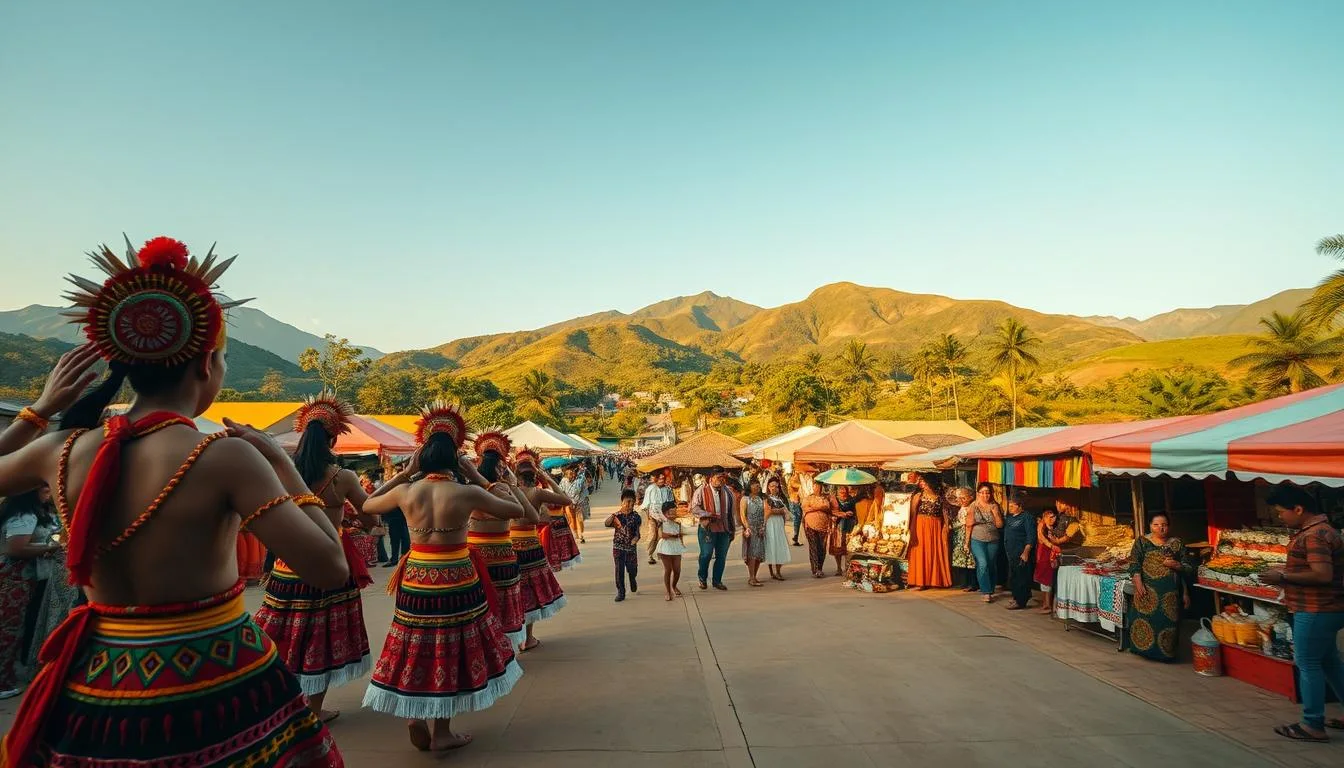
Tarlac City closes Macabulos Drive for a week every March for the Kanlahi Festival, the province’s single largest cultural event. In 2026 the celebration marked its 10th year, running March 2 to 8 with delegations from all 17 municipalities plus Tarlac City itself.
The name is short for “Kanlungan ng Lahi,” Filipino for cradle of races, a nod to the province’s mix of Kapampangan, Ilocano, Pangasinense, Tagalog and Aeta communities. This guide covers what the festival celebrates, its real founding date, the 2026 schedule, and how to plan a visit.
At a Glance
| Detail | Information |
|---|---|
| Location | Tarlac City and Tarlac’s 17 municipalities |
| 2026 dates | March 2 to 8, 2026 |
| Usual schedule | First week of March, every year |
| Established | 2017, under then-Governor Susan Yap |
| Organizer | Provincial Government of Tarlac and Sangguniang Panlalawigan |
| Main venue | Maria Cristina Park and Organic Center, Tarlac City |
| Signature events | Street dance, Grand Float Parade, Binibining and Ginoong Kanlahi |
| Getting there | About 2.5 to 3 hours by land from Manila via TPLEX |
Key point
“Kanlahi” is short for “Kanlungan ng Lahi,” Filipino for cradle of races. The name captures Tarlac’s mix of Kapampangan, Ilocano, Pangasinense, Tagalog and Aeta communities under one week-long provincial celebration each March.
What Kanlahi Means: Cradle of Races
Tarlac sits where several major Luzon language groups meet, and each holds its own ground within the province:
- Kapampangan speakers dominate the south, closest to Pampanga
- Ilocano migrants settled the north and west
- Pangasinense and Tagalog communities fill the areas in between
- Aeta communities, the province’s original inhabitants, remain concentrated in the uplands near Mount Pinatubo
The provincial ordinance that created the festival calls this mix “Kanlungan ng Lahi,” a sanctuary or cradle of races. Organizers shortened the phrase to “KanLAHI” as the festival’s name. It is one of the few Philippine festival names that describes a province’s demographics rather than a saint, crop or legend.
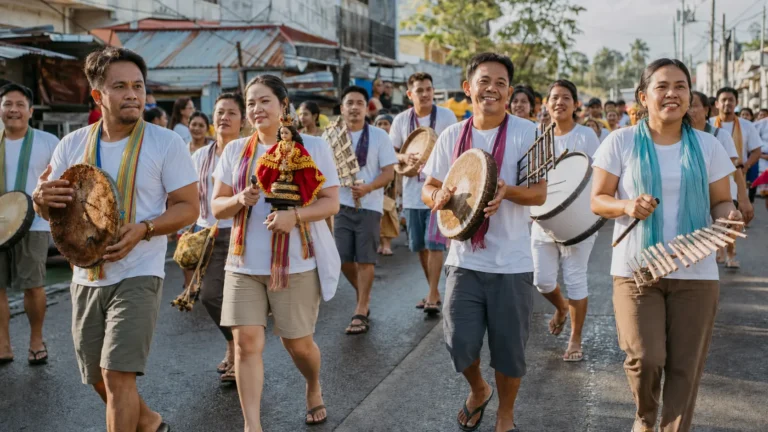
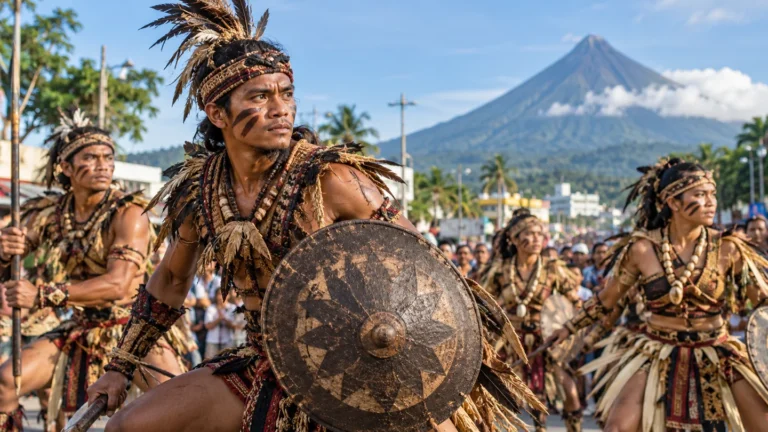
That mixed identity shapes the program itself. Four languages, Kapampangan, Pangasinan, Ilocano and Tagalog, appear across stage hosting, songs and exhibit labels during festival week, and each municipality’s delegation performs material tied to its own dominant group. Aeta communities from Tarlac’s upland barangays take part through craft displays and cultural demonstrations rather than the street dance, since most of their settlements sit far from Tarlac City proper.
How the Festival Began and Grew
The festival launched in May 2017 under then-Governor Susan Yap, timed to the province’s 144th founding anniversary. Before that, Tarlac’s 17 towns and its capital celebrated separate fiestas with no shared provincial event drawing them together.
After its second staging, the Sangguniang Panlalawigan passed an ordinance institutionalizing the celebration and setting it every first week of March, moving it off its original May date because rain repeatedly disrupted outdoor events and set-up. By the festival’s third year, the Department of Tourism recognized it as Tarlac’s official cultural festival, a status it has held since.
Note
Older write-ups place the festival’s start in the 1990s. That confuses it with individual town fiestas that predate it by decades. The province-wide Kanlahi Festival itself began only in 2017.
Kanlahi is one of dozens of provincial and town celebrations that fill the Philippine festival calendar. Our guide to festivals in the Philippines maps out where and when the country’s major festivals happen.
2026 Festival Schedule
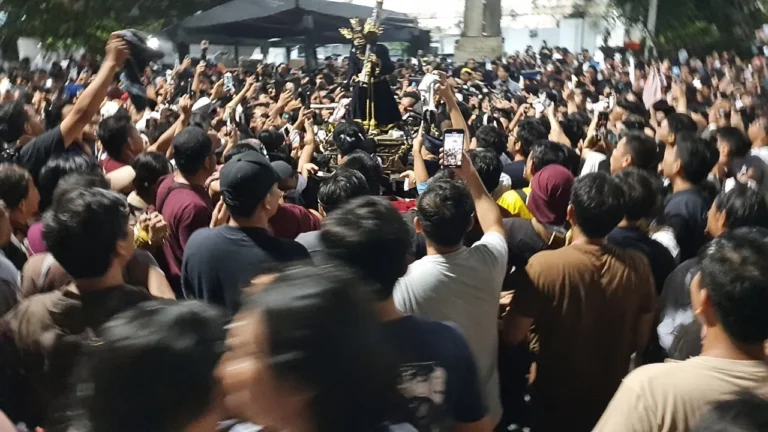
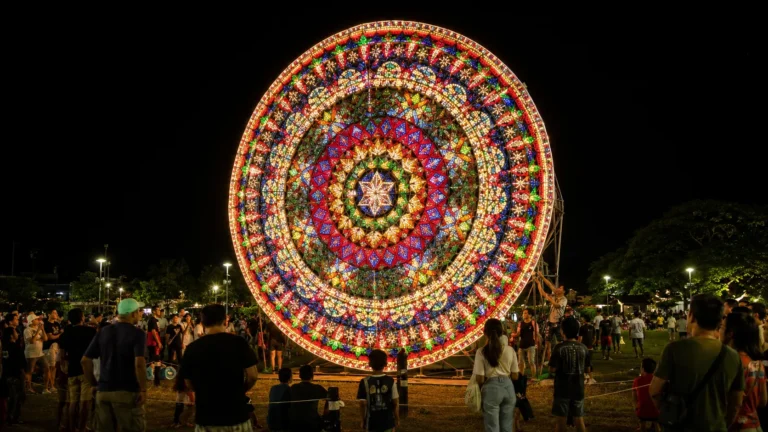
The 2026 celebration was staged at Maria Cristina Park and Organic Center in Tarlac City, with the street dance route running along Macabulos Drive. Governor Christian Yap led the 10th edition of the festival, which closed with a pyromusical show.
| Day | Main activities |
|---|---|
| March 2 | Fun run, flag raising, Mass of Thanksgiving |
| March 3 | Street Dance Competition, tree planting |
| March 4 | Kanlahi Zumba Fest |
| March 5 | Ginoong Kanlahi pageant |
| March 6 | Kanlahi Job Fair, Binibining Kanlahi pageant |
| March 7 | Grand Float Parade, Kanlahi Music Festival |
| March 8 | Pyromusical competition, closing |
Bamban town won the 2026 Grand Float Parade with an entry built from coconut shells, palay, corn, rice hulls and bottle caps depicting local livelihood. Tarlac City’s Jean Grai De Jesus was crowned Binibining Kanlahi, and Camiling’s Charlie Cook won Ginoong Kanlahi.
Festival Highlights You Shouldn’t Miss
Beyond the street dance and pageants, several concurrent events run all week and are easy to miss if you only plan around the parade days.
- Kakanin Festival: traditional rice delicacies from all 17 municipalities plus Tarlac City, judged and sold side by side
- Kanlahi Trade Fair: local products, crafts and small business booths from across the province
- Agri Cultura Exhibit: farm produce and agricultural displays tied to Tarlac’s rice and sugar economy
- Bonsai Exhibit: miniature tree displays from provincial hobbyist groups
- Kanlahi Job Fair: local and regional employers recruiting on site
The pageants carry more weight than typical beauty contests. Binibining and Ginoong Kanlahi judge cultural knowledge and public speaking alongside stage presence, and contestants represent their home municipality rather than competing as individuals. That format ties directly into the festival’s larger goal of strengthening family values and cultural traditions across generations.
The Kanlahi Zumba Fest has grown into its own draw, pulling more than 40 zumba groups from across Tarlac’s municipalities in 2025. A companion ballroom event, the Susan Yap Ball and Dance Cup, runs the same week and stages standard and Latin dance categories for teen and adult couples.
Tip
Book Tarlac City lodging weeks ahead of the first week of March. Rooms fill fast on the street dance and Grand Float Parade days, and Macabulos Drive closes to traffic for the parade route.
How Kanlahi Compares to Other Regional Festivals
Tarlac is not the only Central Luzon province with a signature harvest or heritage festival. Seeing how Kanlahi compares helps explain what makes it distinct: a province-wide identity celebration rather than a single-crop or single-town event.
| Festival | Province | Main focus |
|---|---|---|
| Kanlahi Festival | Tarlac | Provincial unity of Kapampangan, Ilocano, Pangasinense, Tagalog and Aeta communities |
| Dinamulag Festival | Zambales | Carabao mango harvest thanksgiving |
| Pistay Dayat | Pangasinan | Thanksgiving to the sea for fishing communities |
Neighboring Zambales holds its own Dinamulag Festival around its mango harvest, while coastal Pangasinan marks Pistay Dayat as a thanksgiving for the sea. Kanlahi stands apart because it was built to unify separate town fiestas under one provincial banner rather than to mark a single harvest or patron.
Tips for First-Time Visitors
A few practical notes make the week easier to plan around, especially if you are traveling in from Manila or another region.
- Travel by TPLEX for the fastest road trip from Metro Manila, roughly 2.5 to 3 hours depending on traffic.
- Fly into Clark International Airport, about 50 kilometers from Tarlac City, if arriving from another region or overseas.
- Expect road closures on Macabulos Drive during the street dance and Grand Float Parade days.
- Bring cash for the trade fair and Kakanin Festival stalls, since many small vendors do not accept cards.
- Check the Tarlac Provincial Tourism Office’s channels close to the date, since specific venues have shifted in past years.
- Pack for heat and sun. Early March in Tarlac runs dry and hot, with most daytime events held outdoors at Maria Cristina Park.
Conclusion
The festival is Tarlac’s answer to a simple problem: seventeen towns and one city, each with its own fiesta, and no shared event that spoke for the whole province. Since 2017 it has done that job, pulling street dancers, farmers, pageant candidates and food vendors from every corner of Tarlac into one week in March.
The 2026 edition proved the format still works. Ten years in, Bamban’s float win, the packed Kakanin Festival stalls and a job fair running alongside the pageants show a festival that keeps adding practical value, not just spectacle. Readers planning a wider trip through the region can browse our Festivals category for more province-by-province guides.
Frequently Asked Questions
Is the festival free to attend?
Yes. Street dancing, the Grand Float Parade, trade fair booths and most stage shows are free and open to the public. A handful of add-on events, such as concert VIP seating, charge separately.
How do I get to Tarlac City for the festival?
Tarlac City sits about two and a half to three hours by land from Manila via the North Luzon Expressway and TPLEX. Clark International Airport in Pampanga is roughly 50 kilometers away and is the nearest airport.
Do all towns in Tarlac join the celebration?
Yes. All 17 municipalities plus Tarlac City send delegations to the street dance, the pageants and the Kakanin Festival delicacy showcase, which makes it a genuinely province-wide event rather than a city-only one.
Is the festival the same as a town fiesta?
No. A town fiesta honors one barangay or municipality’s patron saint on its own date. The festival is a single provincial event held every first week of March that gathers every town’s delegation in one place.
When is the next celebration?
The Sangguniang Panlalawigan has fixed the celebration to the first week of March each year. Barring another schedule change, the next edition should fall in early March, with exact dates confirmed by the Tarlac Provincial Tourism Office weeks ahead.