Maranao Chicken Piaparan Recipe
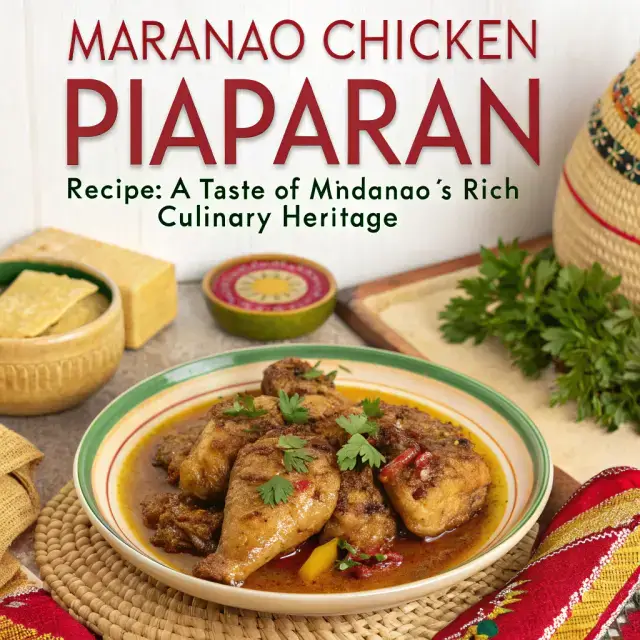
Piaparan a Manok, or Maranao chicken piaparan, is one of the treasures of Mindanao’s kitchen: chicken simmered in coconut and tossed with fragrant grated coconut, turmeric, and the signature Maranao condiment palapa. Warm, golden, and gently spicy, it is both everyday comfort food and a celebration dish, served at family gatherings and during Ramadan. This guide explains what piaparan is, the role of palapa, and how to make it at home the Maranao way.
Maranao coconut chicken dish
Lanao, Mindanao (Maranao people)
Palapa condiment + turmeric
Coconut milk and grated coconut
Chicken plus its coconut soup
Family meals, Ramadan, feasts
What piaparan is
Piaparan, sometimes spelled piyaparan, is a Maranao dish of chicken cooked in a coconut-milk broth seasoned with garlic, onion, ginger, turmeric, chilli, and palapa. The word is often translated as “cooked with coconut,” and coconut appears twice: as creamy coconut milk in the soup and as grated coconut coating the meat. What truly sets piaparan apart, though, is palapa, the aromatic Maranao condiment that gives the dish its warmth and depth. It comes from Lanao del Sur in Mindanao and is a proud part of Maranao food heritage.
The heart of the dish: palapa
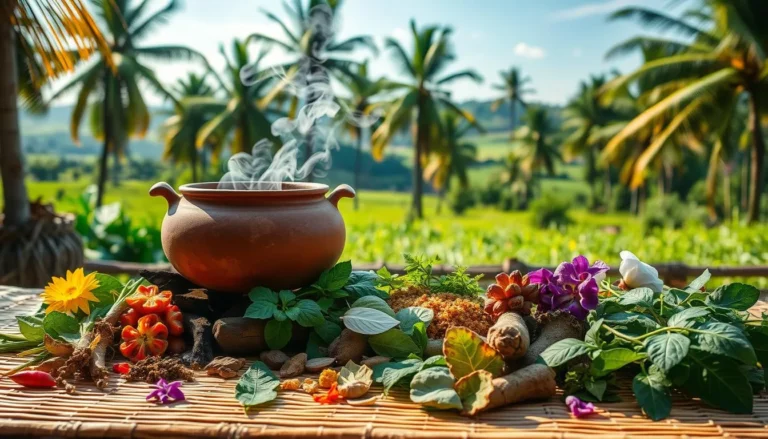
Palapa is a sweet, spicy, and intensely aromatic condiment at the centre of Maranao cooking. It is made by pounding together native shallots (sakurab), ginger, turmeric, and fiery chilli, sometimes with toasted grated coconut. More than a seasoning, palapa is a cultural symbol: nearly every Maranao kitchen keeps a jar of it, and recipes are passed down with pride from one generation to the next. When a dish carries palapa, it carries the warmth of the Maranao home, and piaparan is one of its finest expressions.
Ingredients
Quantities vary from family to family, but a typical piaparan uses the following.
- 1 whole chicken, cut into serving pieces
- 2 cups coconut milk (plus 1 cup water or thin coconut milk for the soup)
- 1 to 1.5 cups freshly grated coconut
- 2 to 3 tablespoons palapa (more or less to taste)
- 1 tablespoon ground turmeric, or a thumb of fresh turmeric
- 1 onion, chopped, and 4 cloves garlic, minced
- A thumb of ginger, sliced
- Spring onions, sliced
- Bird’s eye chillies to taste
- Chayote or green papaya, cut into chunks (optional)
- Salt and pepper to season
How to make chicken piaparan
Piaparan comes together in two parts: a coconut soup, and a turmeric-and-coconut coated chicken. Here is the method.
- Prepare the palapa if making it fresh: pound the shallots, ginger, turmeric, and chilli into a paste.
- Build the soup. In a pot, saute the onion and garlic, add the chicken, and season with turmeric, salt, and pepper. Pour in water to cover and bring to a boil.
- Add coconut milk. Lower the heat, add the coconut milk, and simmer gently for about 30 minutes until the chicken is tender. Add chayote near the end if using.
- Lift out the chicken, setting the fragrant coconut soup aside to serve alongside.
- Make the coconut coating. In a wide pan, saute a little palapa, then add the grated coconut and a pinch more turmeric. Stir until the coconut is evenly golden and aromatic.
- Coat the chicken. Return the chicken to the pan, tossing it in the spiced coconut until well covered, and cook a few minutes more.
- Serve the coconut-coated chicken on a platter with the coconut soup on the side and spring onions scattered over the top.
Tips for the best piaparan
- Use fresh grated coconut if you can; its flavour is far superior to desiccated.
- Go easy on the palapa at first, then adjust, as it is potent and salty.
- For a traditional touch, skip the sauteing and browning entirely; authentically the chicken is not fried, just gently cooked in the aromatics.
- Balance the heat with the coconut, adding chillies gradually to suit your table.
Cultural significance
Piaparan is far more than a recipe; it is a dish that links generations of Maranao families. Cooked in big pots for gatherings, served at weddings and during Ramadan, and shared communally, it carries the identity and hospitality of the people of Lanao. Its golden colour, from turmeric, and its rich coconut flavour make it a centrepiece of celebration, while the palapa at its heart ties every plate back to the Maranao home. Dishes like this remind us how diverse Filipino cuisine truly is, with Mindanao’s Muslim heritage adding flavours all its own.
What to serve with piaparan
Piaparan is a complete meal in itself, but a few simple accompaniments round it out beautifully.
- Steamed white rice, the essential partner that soaks up the golden coconut soup.
- Extra palapa on the side, for those who like an extra hit of heat and aroma.
- A simple vegetable dish, such as saluyot or blanched greens, to balance the richness.
- Sliced fresh tomatoes or cucumber, for a cool, crisp contrast.
Because the dish is traditionally served with its coconut soup alongside, many families ladle the broth generously over the rice and eat the coconut-coated chicken with their hands, in true communal fashion.
Piaparan and the wider world of Mindanao cuisine
Piaparan is a doorway into the rich and often underappreciated cuisine of Mindanao. The cooking of the Maranao, Maguindanao, Tausug, and other southern peoples is bold and distinctive, built on coconut, turmeric, chilli, and aromatic spice pastes like palapa. It reflects centuries of trade and the region’s Muslim heritage, setting it apart from the more familiar dishes of Luzon and the Visayas.
- Rendang and other slow-cooked, spice-rich meat dishes.
- Tiyula itum, a dramatic “black soup” coloured with burnt coconut.
- Beef or chicken kulma, a mild, creamy coconut curry.
- Countless dishes built on palapa, the flavour that defines the Maranao table.
To cook and share piaparan, then, is to celebrate the full diversity of Filipino food, and to give Mindanao’s flavours the place they deserve at the national table.
Making palapa from scratch
If you cannot find ready-made palapa, it is worth making your own, and the aroma alone is reward enough. Finely chop a generous amount of native shallots or the whites of spring onions, then pound them with plenty of ginger, fresh turmeric, and red chilli until fragrant. Many cooks toast grated coconut and fold it through for a deeper, nuttier flavour. A little oil helps it keep. Made fresh, palapa transforms not only piaparan but grilled fish, rice, and almost anything else it touches.
A dish worth passing on
Like the best traditional food, piaparan is meant to be made often and shared widely. Every family adds its own touch, a little more palapa here, a favourite vegetable there, and in doing so keeps the recipe alive and personal. Cooking it at home is a way to honour the Maranao people who created it and to bring a proud piece of Mindanao’s heritage to a wider table. Serve it golden and fragrant with plenty of rice, gather everyone close, and you will understand why this humble coconut chicken has been treasured for generations.
Frequently Asked Questions
What is chicken piaparan?
It is a Maranao dish of chicken cooked in coconut milk and tossed with grated coconut, turmeric, and palapa, served with its own coconut soup on the side.
What is palapa?
Palapa is the signature Maranao condiment made from native shallots, ginger, turmeric, and chilli, often with toasted coconut. It gives piaparan its distinctive warmth.
Why is piaparan yellow?
Its golden colour comes from turmeric, a spice used generously in Maranao and wider Mindanao cooking.
Where does piaparan come from?
It is a dish of the Maranao people of Lanao del Sur in Mindanao, part of the rich Muslim-influenced cuisine of the southern Philippines.
Conclusion
Chicken piaparan showcases the depth and diversity of Filipino food. With its coconut richness, golden turmeric glow, and the unmistakable warmth of palapa, it brings a taste of Maranao heritage to the table, comforting enough for an everyday meal and special enough for a feast.